Key Takeaways
-
Treatment goals for a crossbite are set from a full orthodontic assessment of teeth, jaws, facial proportions, and growth stage, not from the label alone.
-
The cause of the crossbite (dental, skeletal, or functional) determines the plan, so orthodontists check whether the lower jaw shifts sideways when you close.
-
Removing a sideways jaw shift is a goal in itself, since it can contribute to uneven tooth wear and gum concerns over time.
-
Age matters: a growing child's upper jaw can often be widened gently, while adults usually rely on moving teeth, with timing sometimes staged in children.
-
Tools such as quad-helix expanders, expansion plates, braces, or clear aligners are chosen to fit the diagnosis, and a 2021 Cochrane review supported active treatment in children.
-
Retainers are part of the goal, because teeth tend to drift back and crossbites can return after expansion if retention is skipped.
If you have been told you or your child has a crossbite, you probably have a pile of questions. Does it need fixing? How long will it take? What will the finished result even look like? Here is the good news: no two crossbites are alike, and a good orthodontist never picks a plan from a label alone.
Understanding how treatment goals are set for a crossbite takes a lot of the worry out of the process. Instead of guessing, you can walk into your visit knowing what your orthodontist is looking for and why. In 2026, tools like digital scans and 3D imaging make this planning more precise than ever.
Below, we walk through the seven steps orthodontists use to build a crossbite plan. Whether you are a parent of a growing child, a teen, or an adult thinking about retreatment, you will see how each decision gets made, step by step.
What Is a Crossbite, Exactly?
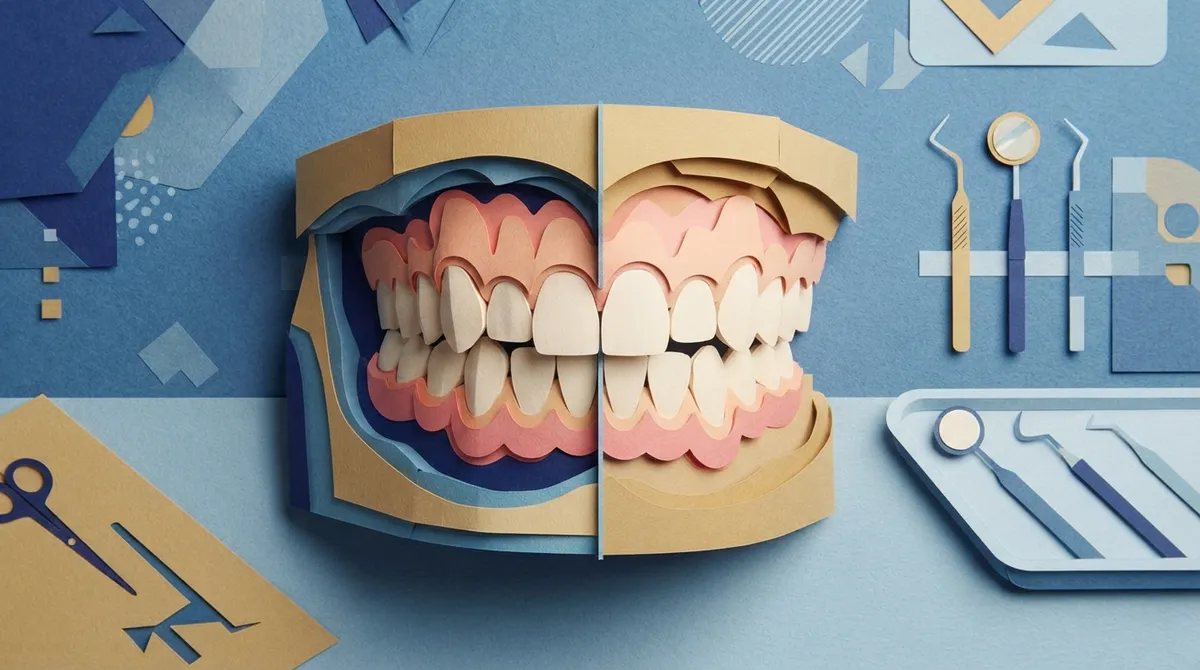
A crossbite happens when some of the upper teeth sit inside the lower teeth instead of just outside them. In a healthy bite, the upper teeth overlap the lower ones like the lid on a box. With a crossbite, that pattern flips in one or more spots.
There are two main types:
- Anterior crossbite: One or more upper front teeth sit behind the lower front teeth.
- Posterior crossbite: Upper back teeth sit inside the lower back teeth, on one side or both.
Crossbites are common. A 2022 systematic review of children and adolescents estimated the prevalence at about 7.8% for anterior crossbite, 9.0% for posterior crossbite, and 12.2% for crossbite with a functional shift. Numbers vary by population, but the takeaway is clear: you are far from alone.
Step 1: Start With a Full Orthodontic Assessment
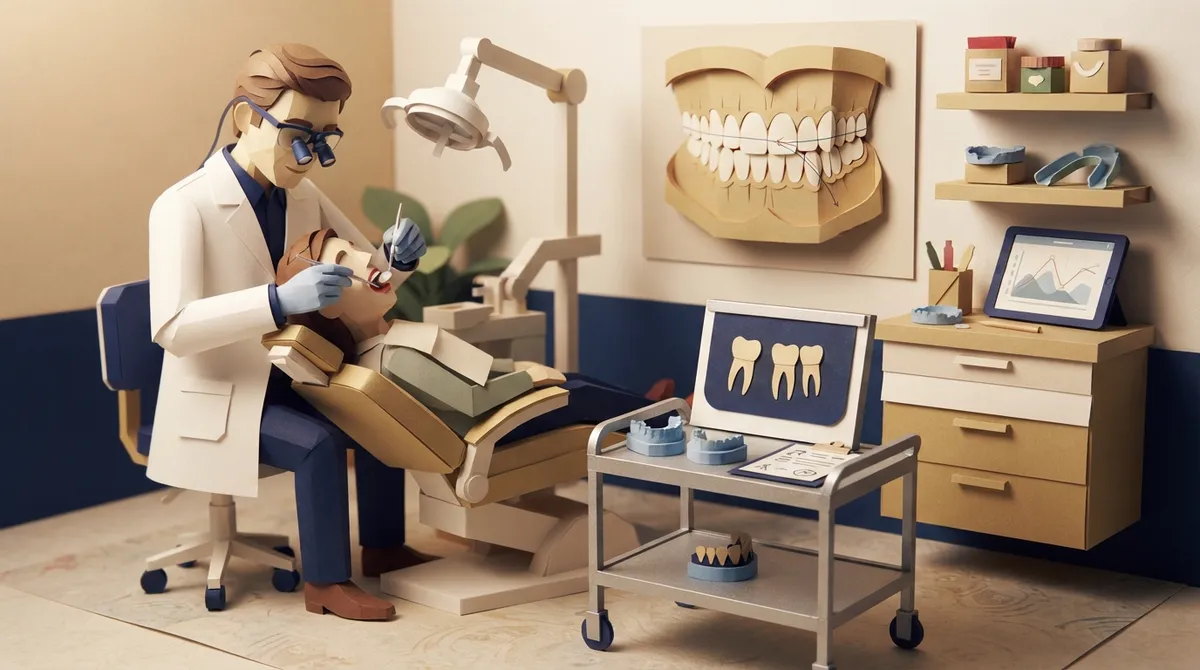
The first step in how treatment goals are set for a crossbite is a thorough exam. Goals come from the whole picture, not from the word “crossbite” alone. Your orthodontist looks at:
- The health of your teeth and gums
- How your teeth line up and meet
- Facial and jaw proportions
- Your growth stage, especially for kids and teens
- Your overall treatment needs
At your first visit, Dr. Brockway takes time to listen to your concerns and hopes for your smile before any plan is drawn up. That conversation matters, because your goals and preferences are part of the plan too. If you want a closer look at what happens during this stage, our guide on what to expect during your orthodontic exam walks through it.
Step 2: Pinpoint the Location and Type
Next, your orthodontist figures out exactly where the crossbite is and how far it reaches. Is it one tooth or several? One side or both? Front or back?
This matters because the location shapes the goal. A single upper front tooth that sits behind the lower teeth calls for a very different plan than a narrow upper arch that affects many back teeth. For a simple anterior crossbite with enough space, the goal may be as straightforward as moving that tooth into a better position. If space is tight, creating room becomes part of the plan.
Step 3: Find the Cause (Dental, Skeletal, or Functional)
This is the detective work, and it is one of the most important steps. Orthodontists sort crossbites into three broad groups:
- Dental: The teeth are tipped or positioned in a way that causes the crossbite, but the jaws are fine.
- Skeletal: The upper and lower jaws are different widths or sizes, so the bite does not line up.
- Functional: The lower jaw slides to one side when you bite down, usually to avoid teeth that bump into each other.
For a posterior crossbite, your orthodontist checks whether the lower jaw shifts as you close from a relaxed position into your bite. Spotting that shift changes both the diagnosis and the plan. A jaw that is sliding sideways every time you chew is a goal in itself: stop the shift.
| Cause | What It Means | Typical Planning Focus |
|---|---|---|
| Dental | Teeth are tipped or misplaced; jaws are normal | Move individual teeth into alignment |
| Skeletal | Upper and lower jaws do not match in width | Address jaw width, often with expansion in growing patients |
| Functional | Lower jaw shifts to find a comfortable bite | Remove interferences and eliminate the shift |
Step 4: Consider Growth, Age, and Space
Age and growth change the goals a lot. In a growing child, the upper jaw can often be widened gently because the bones are still developing. In an adult, the jaw has finished growing, so the plan leans on moving teeth, and in some cases other approaches may be discussed.
Your orthodontist also weighs:
- How much space is available in each arch
- The size of the jaw width difference
- Your facial pattern and bite relationship
- Where permanent teeth have yet to erupt
For children, timing is part of the goal. Sometimes it makes sense to treat early and in stages, then reassess as more permanent teeth come in. If you are curious about starting young, take a look at our early treatment page, or read about why timing matters for early intervention.
Step 5: Set the Core Treatment Goals
Once the diagnosis is clear, the real goals take shape. Guidance from the American Academy of Pediatric Dentistry describes the aim of crossbite care as improved alignment within each arch and an acceptable, functional relationship between the upper and lower teeth. In plain language, here is what that usually means:
- Align each arch. Teeth in the upper and lower jaws should sit in a healthy, orderly shape.
- Create a stable upper-to-lower fit. The upper and lower teeth should meet in a way that works for chewing and speaking.
- Remove any jaw shift. If the lower jaw slides to one side, the plan aims to end that habit of the bite.
- Protect your teeth and gums. Crossbites can contribute to uneven tooth wear and other concerns, so the plan keeps long-term health in view.
- Support appearance and confidence. A balanced smile matters, and it is a valid goal.
For posterior crossbite specifically, treatment commonly aims to widen a narrow upper arch, manage any bite interferences, and eliminate the functional shift. Those are general principles rather than a one-size-fits-all prescription, which is exactly why the earlier steps matter so much.
Step 6: Choose the Right Tools to Reach Those Goals
Goals come first, then the appliance. Your orthodontist picks tools that fit the diagnosis, not the other way around. Common options include:
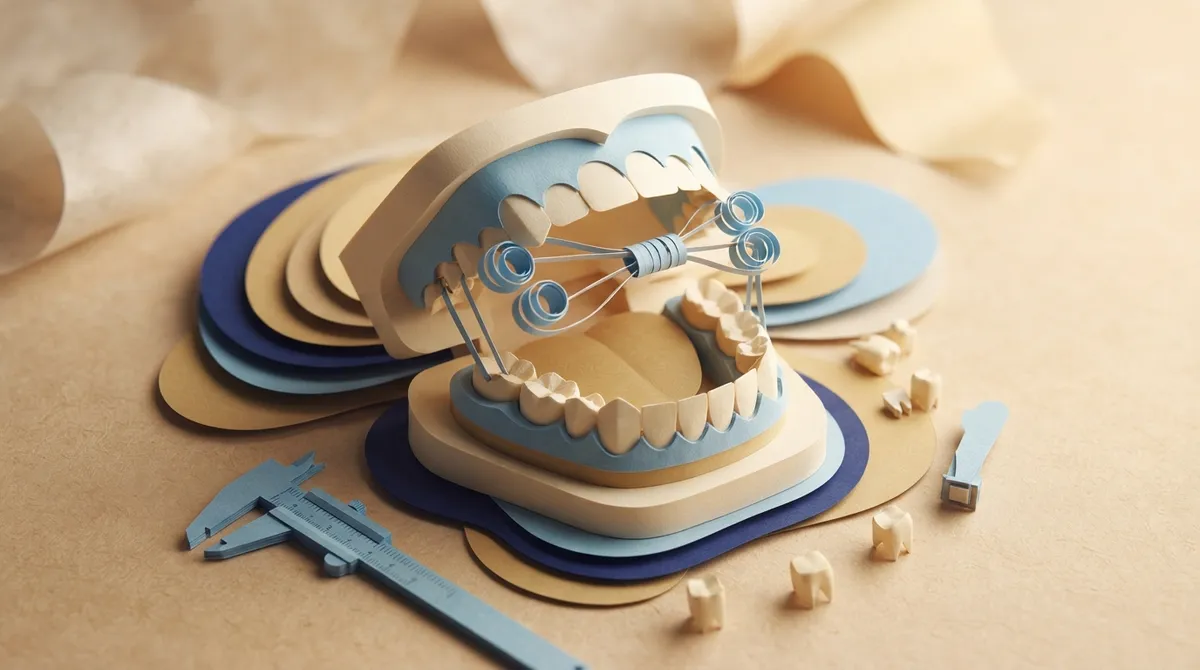
- Fixed expanders (like a quad-helix): Gently widen a narrow upper arch.
- Removable expansion plates: Another way to widen the arch in suitable cases.
- Inclined plane or spring appliances: Sometimes used for simple anterior crossbites.
- Braces: Move teeth precisely into place. See all about braces for the options.
- Clear aligners: A discreet choice for many mild to moderate cases, including Spark™ Clear Aligners.
The evidence for active treatment in children is strong. A 2021 Cochrane review found that quad-helix appliances and removable expansion plates were more effective than observation for correcting posterior crossbite. For expansion plates, the reported odds ratio was 25.26, and the review rated that evidence as high certainty. The same review linked quad-helix treatment to a 4.71 mm greater final intermolar distance than comparison, with moderate certainty.
| Appliance | Often Used For | Who It May Suit |
|---|---|---|
| Quad-helix (fixed) | Narrow upper arch, posterior crossbite | Growing children |
| Expansion plate (removable) | Posterior crossbite needing expansion | Growing children |
| Inclined plane or spring | Simple anterior crossbite | Children with adequate space |
| Braces | Precise tooth movement, complex bites | Teens and adults |
| Clear aligners | Mild to moderate dental crossbites | Teens and adults |
Not every crossbite is a fit for every tool. Your orthodontist will tell you honestly which option can reach your goals. If you are weighing options as an adult, our post on how crossbite correction works breaks it down further.
Step 7: Build a Timeline, Then Reassess Along the Way
A good plan has short-term and long-term goals. A short-term goal might be widening the upper arch over a few months. A long-term goal might be a stable bite for life after all permanent teeth arrive.
Your orthodontist sequences the steps, checks progress at each visit, and adjusts if your teeth or growth respond differently than expected. This is why regular appointments matter. The plan is a living guide, not a fixed script.
Finishing the active phase is not the end, either. Teeth like to drift back, so a retainer plan is part of the goal. Learn more about retainers and why they help protect your results. Crossbites can return if retention is skipped, especially after expansion.
Does a Painless Crossbite Still Need Treatment?
Many people ask this one. A crossbite does not have to hurt to be worth evaluating. Over time, an untreated crossbite may lead to uneven tooth wear, a jaw that shifts during closing, or gum concerns around affected teeth. That does not mean every case needs treatment right away. Your orthodontist weighs the risks against the benefits for your specific situation.
The AAPD emphasizes that crossbite care should fit the patient’s total needs. So for some people, monitoring is the right goal for now. For others, early correction makes sense. The only way to know is to have it checked.
Tips for Getting the Most Out of Your Goal-Setting Visit
You can help shape a better plan by showing up prepared. Here are a few simple ideas:
- Write down any jaw clicking, chewing trouble, or tooth wear you have noticed.
- Share your goals, whether that is comfort, looks, or both.
- Ask which option the orthodontist thinks fits your cause best, and why.
- Ask about expected timing, visits, and retention.
- Talk about budget openly. Our financing and insurance page explains the ways we help families plan.
Your Next Step Toward a Healthier Bite
Setting treatment goals for a crossbite is a thoughtful process built on a full exam, the right diagnosis, and your own priorities. When each step is done carefully, the plan fits you instead of a generic template.
Brockway Orthodontics proudly serves families across Clearwater, Florida, with modern tools like digital impressions and 3D imaging, plus options from braces to clear aligners. Dr. Brockway takes the time to explain everything in a friendly, easy way. You can also see what our Brockway Orthodontics patients say on Google, or learn more about Dr. Brockway. For general guidance on oral health, the American Dental Association is a helpful resource, and the Florida Association of Orthodontists shares information on orthodontic care in our state.
Ready to find out what your crossbite plan could look like? Book your free consultation online and let us help you map out a smile you will love.
FAQs
Q: What is the difference between an anterior and posterior crossbite?
A: An anterior crossbite involves the front teeth, where an upper front tooth sits behind the lower teeth. A posterior crossbite involves the back teeth, where the upper back teeth sit inside the lower ones. Each type gets its own goals and tools, so your orthodontist will pinpoint which one you have first.
Q: How do orthodontists tell whether a crossbite is dental, skeletal, or caused by a jaw shift?
A: They look at how your teeth and jaws line up, and they watch how your lower jaw moves as you close from a relaxed position into your bite. Records like digital scans and 3D imaging help too. This detective work matters because the cause guides the whole treatment plan.
Q: What are the goals of treating a posterior crossbite in a child?
A: The usual aims are widening a narrow upper arch, handling any bite interferences, and ending any sideways jaw shift. The goal is a healthy, functional fit between the upper and lower teeth. Your orthodontist tailors the plan to your child’s growth and development.
Q: Can a crossbite come back after treatment?
A: Yes, it can, especially if retainers are skipped after expansion or tooth movement. Teeth naturally want to drift back toward old positions. Wearing your retainers as directed is the best way to protect your hard work.
Q: When is the best age to treat a crossbite?
A: It depends on the type and your child’s growth. Posterior crossbites in children are often addressed early, while the jaw is still growing, but teens and adults can be treated successfully too. A visit with your orthodontist is the best way to find the right timing for you.
Our Service Area