Key Takeaways
-
3D intraoral scanners replace messy impression putty with fast, comfortable digital imaging that takes clear pictures in minutes with no gagging or discomfort.
-
CBCT scans provide complete 3D views of teeth, jaw, roots, and nerves that reveal impacted teeth, jaw alignment problems, and airway issues that flat X-rays cannot detect.
-
3D scans enable orthodontists to create virtual treatment plans showing your future smile before treatment starts, helping you make confident decisions between braces and aligners.
-
Orthodontists use 3D imaging selectively based on case complexity; simple cases need only basic scans while complex cases benefit from full CBCT, keeping radiation and costs appropriately limited.
Remember the days of biting into a tray of gooey, blue putty and holding still while it hardened in your mouth? Good news: those days are fading fast. At Brockway Orthodontics, we’ve swapped many of those messy moments for something faster, cleaner, and honestly kind of amazing — 3D dental scans. Whether you’re a parent bringing in your child for their first orthodontic visit, a teen ready to ditch the metal-mouth stereotype, or an adult finally getting the smile you’ve always wanted, 3D scanning technology plays a big role in your treatment plan.
In this article, we’ll walk through eight ways 3D dental scans make orthodontic care smarter, faster, and more comfortable in 2026. We’ll keep things simple, skip the confusing jargon, and give you real answers to the questions you’re probably already asking. By the end, you’ll understand exactly why Dr. Brockway and her team rely on this technology every day.
1. They Replace Messy Impressions With Digital Comfort
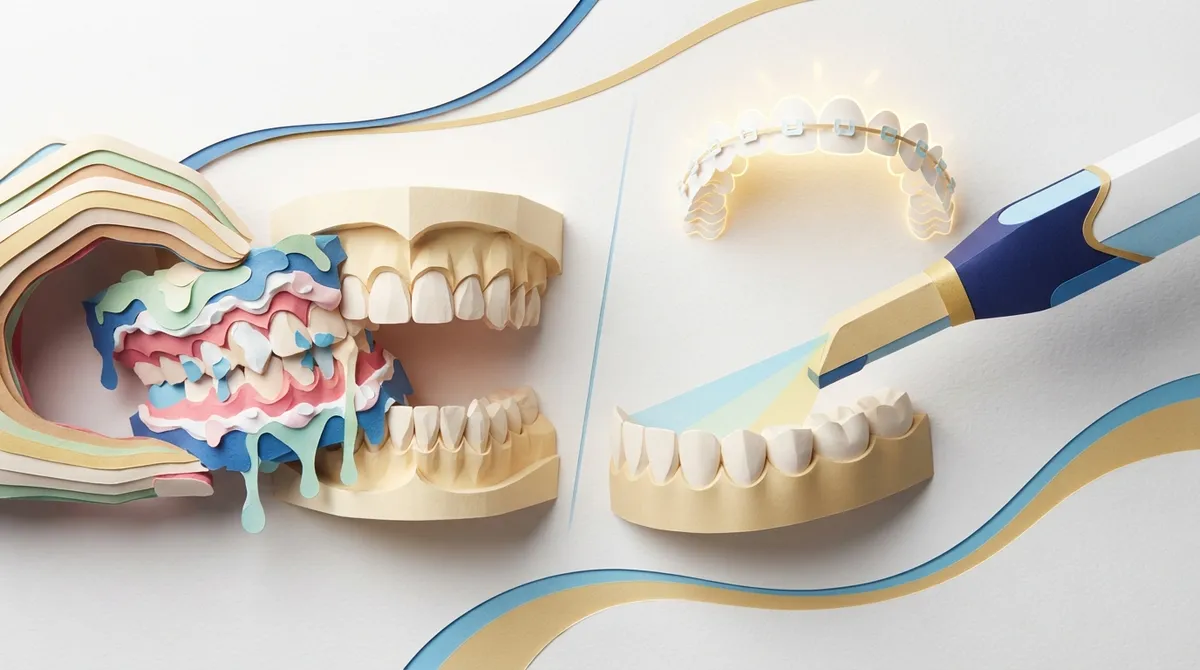
Traditional impressions used to mean sitting still while a tray of goopy material set in your mouth. It wasn’t fun, and gagging was common. Intraoral scanners have changed that completely.
These small wand-like devices take clear, detailed pictures of your teeth in just a few minutes. No goop, no mess, no waiting around. Research on digital intraoral impressions shows they are accurate enough for orthodontic treatment planning and for building custom aligners, making them a trusted tool in modern practices.
- No gagging or discomfort from putty trays
- Faster appointment times
- Instant digital images you can see on a screen
- Easier to redo a section if needed, without starting over
If you’re curious about how this fits into your first appointment, check out our page on what to expect during your first visit.
2. CBCT Scans Show What X-Rays Can’t
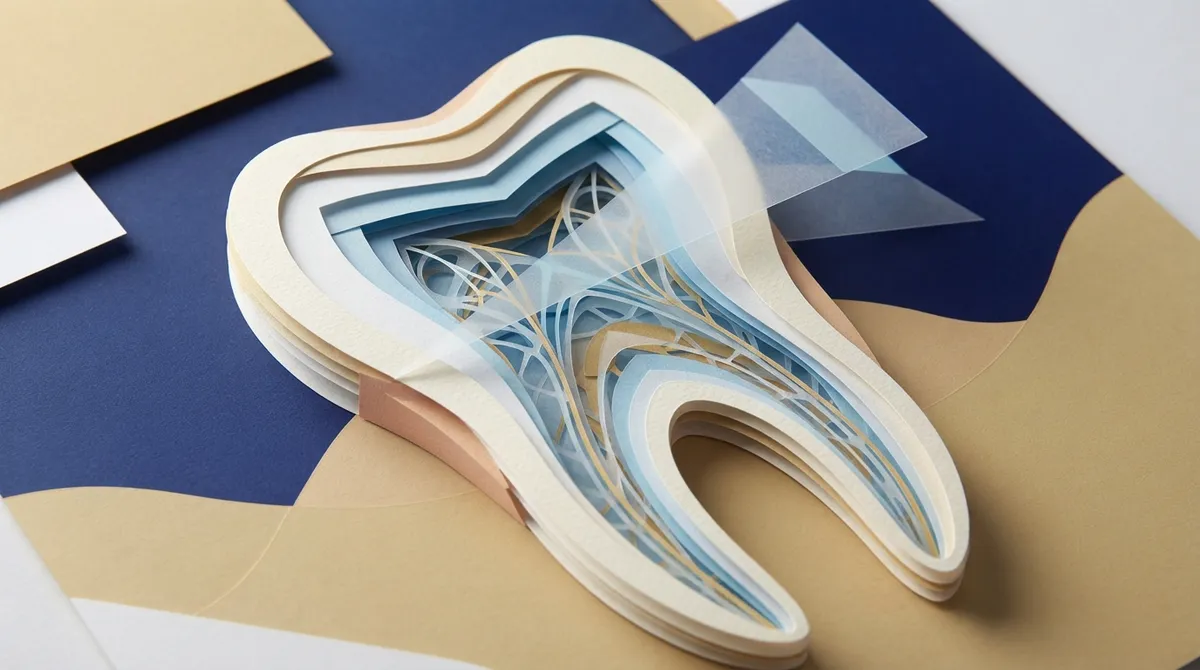
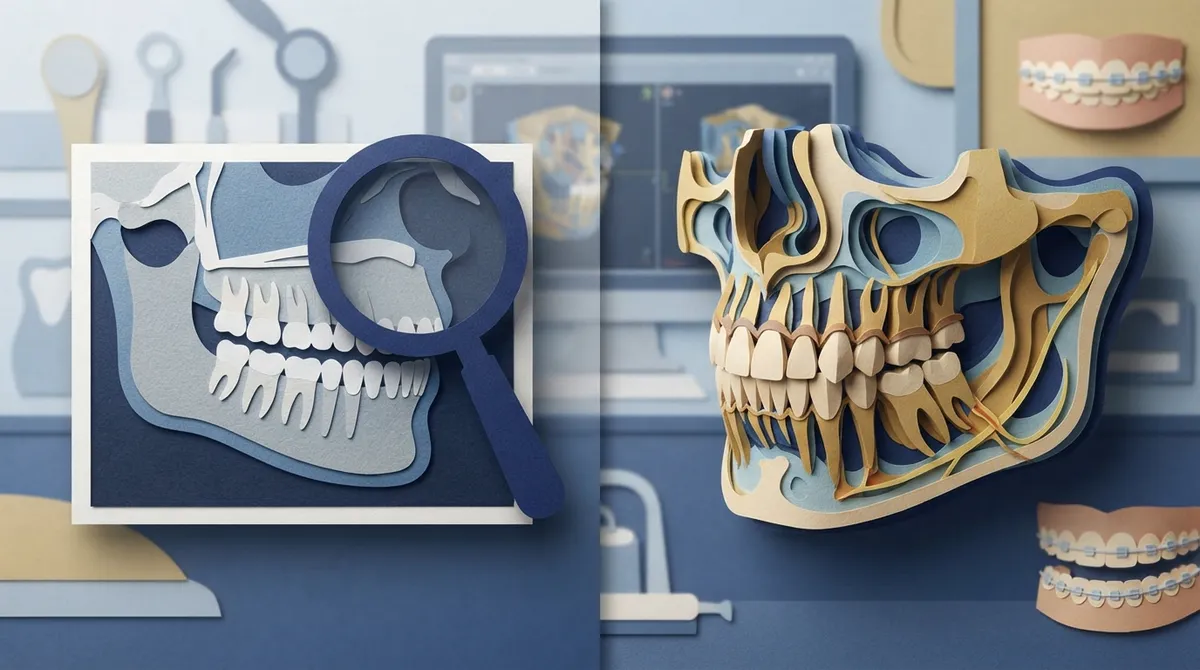
Cone beam computed tomography, or CBCT, is a special kind of 3D imaging. Unlike a flat 2D X-ray, CBCT builds a full three-dimensional picture of your teeth, jaw, roots, and nerves.
This matters most for tricky cases. Think impacted teeth, jaw alignment problems, or planning ahead for possible orthodontic surgery. A CBCT scan gives Dr. Brockway a complete view instead of a flat guess.
According to a widely cited orthodontic imaging review, CBCT and intraoral scanners are the two most commonly used 3D imaging tools in orthodontic practices today. That’s a strong signal these tools aren’t just trendy gadgets — they’re proven diagnostic resources.
3. Better Diagnosis Means Fewer Surprises
Nobody likes surprises mid-treatment. 3D dental scans help your orthodontist spot problems early, before they turn into bigger headaches.
Here’s what a detailed 3D scan can reveal that a regular exam might miss:
- Teeth that haven’t fully come in yet (impacted teeth)
- Jaw size and shape differences between the upper and lower arch
- Root positions that could affect how teeth move
- Bone structure needed for certain appliances or attachments
- Airway space, which can relate to breathing and sleep
Catching these details early means your treatment plan is built around your unique mouth, not a one-size-fits-all guess.
4. Virtual Treatment Planning Feels Like a Sneak Peek
One of the coolest parts of 3D dental scans is that they let your orthodontist build a virtual model of your future smile before treatment even starts. This is especially exciting for teens and adults who are curious (or a little nervous) about how their smile will change.
With a digital 3D model, Dr. Brockway can map out tooth movements step by step. This helps guide decisions about traditional braces versus Spark™ Clear Aligners, and it helps set realistic expectations for treatment time.
Why This Matters for Busy Professionals
If you’re an adult professional squeezing appointments between meetings, seeing a projected outcome upfront helps you commit with confidence. You’ll know what you’re working toward, not just hoping for the best.
5. Custom Aligners and Appliances Fit Better
3D scans aren’t just for looking — they’re also used to build things. Digital models can be sent directly to labs that use CAD/CAM technology to create custom-fitted aligners, retainers, and other appliances.
This is a big deal for comfort and accuracy. A well-fitted aligner tray moves teeth more predictably, and a well-fitted retainer stays where it should. If you’ve had orthodontic relapse before and are nervous about redoing treatment, precise digital fitting can help avoid the same frustrations twice.
Explore our retainer options to see how digital design plays a role in keeping your results long-term.
6. They’re Selective, Not Automatic, for Every Patient
Here’s something important to know: not every orthodontic patient needs a full 3D scan. Orthodontic literature is clear that 3D imaging, especially CBCT, is used selectively when the extra detail is clinically necessary.
Simple cases with mild crowding or spacing may only need a standard exam and basic digital scan. More complex cases, like jaw discrepancies or surgical planning, benefit most from full CBCT imaging.
This means your orthodontist isn’t just scanning everyone the same way — they’re tailoring the tools to your specific needs, which keeps costs and radiation exposure appropriately limited.
7. Radiation Exposure Is Carefully Managed
A common question we hear is whether 3D scans are safe. It’s a fair thing to ask, especially for parents thinking about their kids.
Intraoral scanners use no radiation at all — they’re just optical cameras capturing images of your teeth. CBCT does use a small amount of radiation, but modern machines are designed to use low doses, and orthodontists only order these scans when the benefit clearly outweighs the exposure.
The American Dental Association provides helpful guidance on radiation safety standards that dental and orthodontic offices follow to protect patients of all ages.
Quick Comparison: Intraoral Scanning vs. CBCT
| Feature | Intraoral Scanning | CBCT |
|---|---|---|
| Uses radiation | No | Yes, low dose |
| Main use | Digital impressions, aligner fabrication | Jaw, bone, and root diagnosis |
| Typical cost range | About $50–$200 | About $150–$500 |
| Best for | Most routine orthodontic cases | Complex or surgical cases |
8. They Support Smarter Long-Term Monitoring
3D scans aren’t just a one-time snapshot. Many orthodontic practices use them at different stages of treatment to track progress and confirm teeth are moving as planned.
This is especially valuable for:
- Parents watching their child’s early orthodontic treatment progress
- Teens tracking milestones before big events like graduation
- Adults comparing before-and-after models during adult treatment
- Patients with a history of relapse who want extra reassurance their bite is stable
Being able to visually compare scans over time builds trust and keeps everyone on the same page about how treatment is going.
How Much Do 3D Dental Scans Typically Cost?
Pricing can vary depending on the type of scan and whether it’s bundled into your treatment package. Here’s a general breakdown based on industry data:
| Scan Type | Average Cost Range | Notes |
|---|---|---|
| Intraoral digital scan | $50–$200 | Often included in initial records or treatment fee |
| CBCT scan | $150–$500 | Used for complex diagnostic needs |
Many orthodontic offices, including ours, include these scans as part of a full treatment package rather than charging separately. If you’re curious about how this fits your budget, our financing and insurance page breaks down what’s typically covered.
Choosing the Right Orthodontic Technology for Your Family
Every patient is different, and that’s exactly why Dr. Brockway takes time to review your specific situation before deciding which imaging tools make sense. Our full range of services is built around personalized care, not a cookie-cutter approach.
Here’s a simple checklist to help you know what to expect at your visit:
- Ask whether a digital scan or CBCT is recommended for your case
- Find out if any extra scans are needed for surgical or complex planning
- Confirm how scan costs are handled within your treatment plan
- Ask how scans will be used to track your progress
- Bring up any concerns about comfort, especially for younger patients
For families weighing braces against clear aligners, our guide on traditional braces versus clear aligners can help you compare options before your consultation.
Why Clearwater Families Trust Brockway Orthodontics
Dr. Brockway has built her practice around genuine care for the Clearwater community. She believes technology should make your experience easier, not more complicated, and that’s exactly the role 3D dental scans play in her office.
From same-day treatment options to a friendly, welcoming team, our office is designed to make every visit feel comfortable. You can also visit us on Google — Brockway Orthodontics to see what real patients in Clearwater have to say about their experience with us.
For general guidance on orthodontic standards in our state, the Florida Association of Orthodontists offers helpful resources for patients researching care options.
Ready to See Your Smile in 3D?
3D dental scans have completely changed how orthodontic care works, making treatment faster, more precise, and a lot more comfortable. Whether you’re bringing in your child for their first check-up, exploring adolescent treatment, or finally investing in your own smile as an adult, this technology helps Dr. Brockway build a plan made just for you.
Curious what your 3D scan might reveal? Book your appointment online today and take the first step toward a smile you’ll love. You can also follow along with patient stories and smile transformations on our Instagram and Facebook pages.
FAQs
Q: What is a 3D dental scan in orthodontics?
A: A 3D dental scan creates a detailed three-dimensional picture of your teeth, jaw, and bite using tools like CBCT or intraoral scanners. It gives your orthodontist a much clearer view than a flat X-ray, which helps with planning braces or aligner treatment more precisely.
Q: Are 3D dental scans safe, and do they use radiation?
A: Intraoral scanners use zero radiation since they’re basically fancy cameras. CBCT scans do use a small, low dose of radiation, but they’re only recommended when the diagnostic benefit really outweighs that exposure, so you can feel confident it’s used thoughtfully.
Q: Does an orthodontist use intraoral scanners for braces and Invisalign-style aligners?
A: Yes! Intraoral scanners are commonly used to create digital impressions for both braces and clear aligner treatments, including our Spark™ Clear Aligners. It’s a comfortable, mess-free way to capture the exact shape of your teeth.
Q: How much does a 3D dental scan cost?
A: Intraoral digital scans typically run about $50 to $200, while CBCT scans usually range from $150 to $500. Many orthodontic offices, including ours, bundle these costs into your overall treatment package rather than billing separately.
Q: When do orthodontists recommend a 3D scan instead of a regular X-ray?
A: 3D scans are usually reserved for more complex situations, like impacted teeth, jaw discrepancies, or surgical planning. For simpler cases, a standard exam and basic digital scan often work just fine, so your orthodontist will choose what’s right for your specific smile.
Our Service Area