Key Takeaways
-
Clear aligners like Spark™ are the most comfortable option for eligible patients, offering no brackets, wires, or sharp edges while remaining removable for eating and brushing.
-
Orthodontic wax, soft foods, and saltwater rinses are practical at-home tools that significantly reduce discomfort during the first week and after adjustments.
-
Modern braces designs are substantially smaller and smoother than previous versions, with self-ligating brackets reducing friction by 50-70% compared to traditional brackets.
-
Regular communication with your orthodontist about discomfort and attending all scheduled appointments allows early problem detection and prevents minor irritation from becoming serious issues.
Getting braces shouldn’t feel like a scary step. Whether you’re a parent booking your child’s first visit, a busy professional squeezing in appointments between meetings, or an adult ready for a second chance at a straight smile, comfort matters. The good news? Today’s orthodontic options are more comfortable than ever. At Brockway Orthodontics in Clearwater, Dr. Brockway and her team focus on gentle, personalized care that keeps you smiling through every step of treatment. In this guide, we’ll walk through nine comfortable braces options and tips, backed by real research, so you can feel confident about your choice. Let’s dig in!
Why Comfort Matters When Choosing Braces
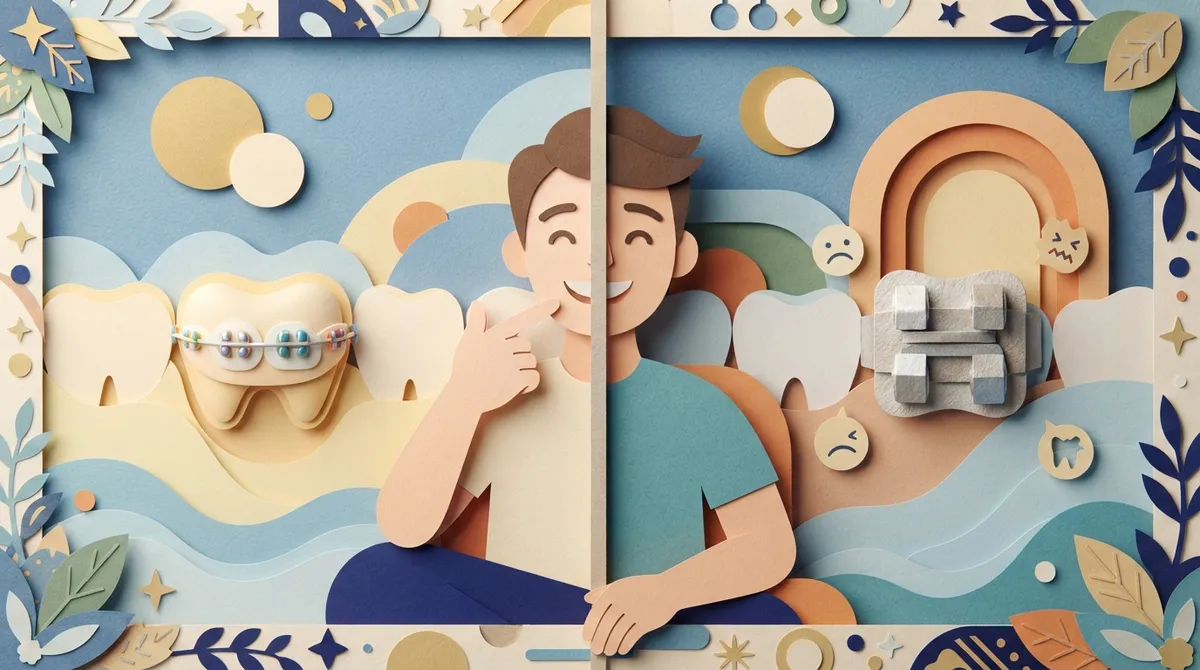
Nobody wants to dread their orthodontic appointments. Comfort affects how well you stick with treatment and how happy you feel along the way. Soreness is normal, especially right after getting braces or after an adjustment. But modern materials and techniques mean today’s patients experience far less irritation than braces wearers did years ago.
According to the American Dental Association, good communication with your orthodontist about pain or discomfort helps catch problems early. That’s exactly the kind of relationship Dr. Brockway builds with every patient who walks through her Clearwater office doors.
1. Self-Ligating Braces: Less Friction, Smoother Ride
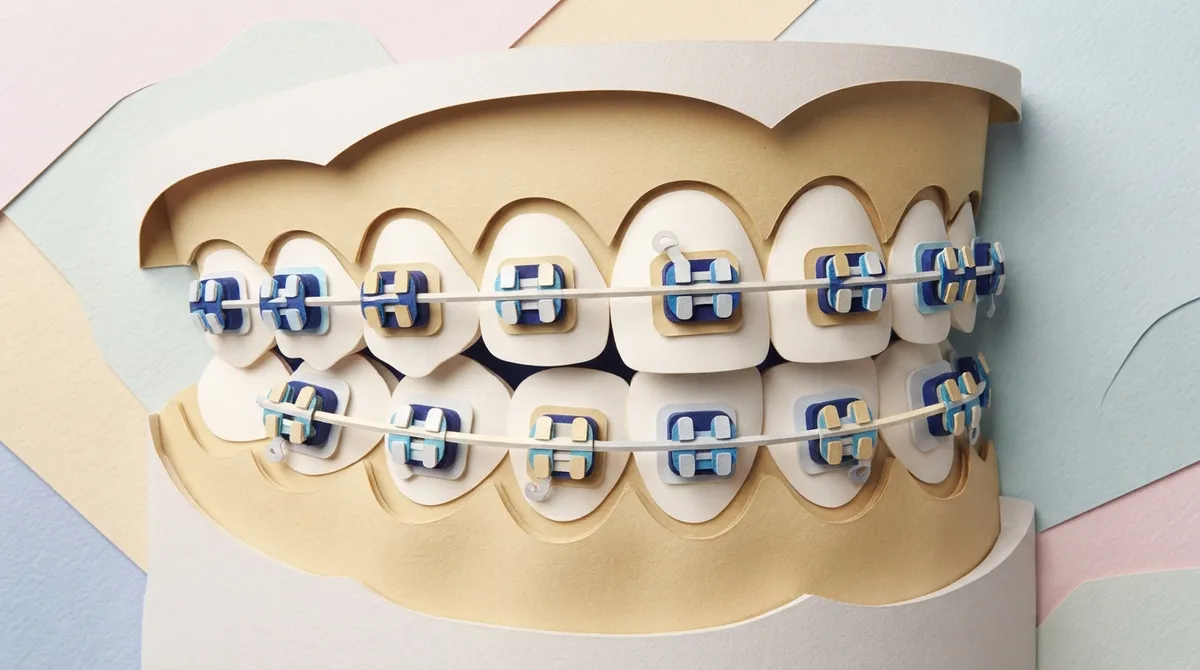
Self-ligating braces use a built-in clip instead of the little elastic ties found on traditional braces. This design can reduce friction on your teeth and make brushing easier too.
- Self-ligating brackets may create about 50% to 70% less friction than traditional brackets.
- Fewer moving parts mean less chance of food getting stuck.
- Adjustments may take slightly less time in the chair.
That said, a 2023 clinical study found no real difference in pain levels between self-ligating and traditional braces in many patients. So while they offer some perks, don’t expect a pain-free experience just because of the bracket style.
2. Ceramic Braces: Smooth and Subtle
Ceramic braces are a favorite among teens and adults who want a more discreet look. Beyond aesthetics, many patients say the smoother material feels gentler on cheeks and gums compared to metal brackets.
If you’re weighing your options, our All About Braces page breaks down materials and what to expect from each type.
3. Clear Aligners: Often the Most Comfortable Choice
For many eligible patients, clear aligners are the gold standard of comfort. There are no brackets, no wires, and no sharp edges to worry about. Plus, you can remove them to eat and brush your teeth normally.
At Brockway Orthodontics, we offer Spark™ Clear Aligners, a more affordable option that still delivers a smooth, comfortable experience. Many adult professionals love that they can straighten their teeth without anyone even noticing.
4. Traditional Metal Braces: Reliable and Improved
Traditional braces have come a long way. Today’s metal brackets are smaller and smoother than older versions. While some soreness is expected after placement and adjustments, this usually fades within a few days.
Traditional braces remain a great choice for complex cases. They’re often more budget-friendly too, which matters for families managing multiple kids in treatment at once.
5. Orthodontic Wax: Your Pocket-Sized Comfort Tool
One of the simplest comfort hacks is orthodontic wax. If a bracket or wire rubs against your cheek, a small dab of wax creates a smooth barrier.
- Dry the bracket area with a tissue.
- Roll a small piece of wax into a ball.
- Press it gently over the bracket or wire causing irritation.
Keep extra wax in your bag, car, or desk drawer. It’s a lifesaver during the first week with new braces.
6. Soft Foods and Smart Eating Habits
What you eat can make a big difference in how comfortable your braces feel, especially in the days after an adjustment. Stick to gentle foods until soreness fades.
- Mashed potatoes, yogurt, and scrambled eggs
- Smoothies and soups
- Soft pasta and steamed vegetables
- Avoid hard, sticky, or crunchy foods for a few days
Our team always shares helpful eating tips at every appointment, so you always know what’s safe to chew.
7. Saltwater Rinses and Over-the-Counter Relief
A warm saltwater rinse can soothe irritated gums and help with minor sores caused by brackets or wires. Over-the-counter pain relievers, like ibuprofen, can also help with soreness after adjustments.
Always check with your orthodontist or dentist before starting any new pain relief routine, especially for children and teens.
8. Proper Bracket and Wire Fit
Comfort depends heavily on how well your braces fit your mouth. Wire ends that stick out or brackets placed incorrectly can cause unnecessary irritation.
This is where experience matters. Dr. Brockway’s careful attention to detail during placement and adjustments helps prevent many common discomfort issues before they start. Learn more about what to expect during your first visit to our Clearwater office.
9. Regular Checkups and Open Communication
Comfort isn’t a one-time fix. It’s an ongoing part of your treatment. Regular visits let your orthodontist catch and fix small issues, like a poking wire, before they become bigger problems.
The Florida Association of Orthodontists encourages patients to speak up about any discomfort right away. Don’t wait until your next scheduled appointment if something feels off.
Comparing Comfortable Braces Options
| Braces Type | Comfort Level | Best For | Visibility |
|---|---|---|---|
| Self-Ligating Braces | Moderate to High | Patients wanting less friction | Visible |
| Ceramic Braces | High | Teens and adults wanting discretion | Low visibility |
| Clear Aligners (Spark™) | Very High | Adults and eligible teens | Nearly invisible |
| Traditional Metal Braces | Moderate | Complex cases, kids, budget-conscious families | Visible |
Timeline of Soreness: What to Expect
| Timeframe | What You May Feel | Comfort Tip |
|---|---|---|
| Day 1-3 after placement | General soreness, tenderness | Soft foods, saltwater rinse |
| Day 4-7 | Soreness fades, mild sensitivity | Wax for irritation spots |
| After each adjustment | Mild pressure for 1-3 days | Over-the-counter pain relief if needed |
| Ongoing treatment | Minimal discomfort | Regular checkups, good hygiene |
Who Benefits Most From Comfortable Braces Options
Every patient has different needs. Here’s how comfort-focused braces fit different lifestyles:
- Parents of kids and teens: Want gentle, kid-friendly care that won’t cause tears at home. Check out our adolescent treatment options.
- Teens and young adults: Often prefer ceramic braces or clear aligners for social confidence before big events like graduation.
- Busy professionals: Love the discreet, removable nature of clear aligners that fit around meetings and travel.
- Relapse patients: Adults returning for retreatment appreciate modern, more comfortable options than what may have been available years ago. Explore adult treatment plans built for busy lives.
- Health-conscious patients: Want treatment plans that consider gum health, bite alignment, and long-term oral wellness.
Tips to Stay Comfortable Throughout Treatment
- Always keep orthodontic wax on hand for emergencies.
- Rinse with warm salt water after meals if you feel irritation.
- Stick to soft foods for a few days after adjustments.
- Brush gently but thoroughly around brackets and wires.
- Attend every scheduled appointment, even if you feel fine.
- Speak up right away if something feels sharp or painful.
- Ask about retainers and aftercare once your braces come off.
Why Clearwater Families Choose Brockway Orthodontics
Dr. Brockway brings real heart to her work. She takes time to listen to your goals and concerns, making sure you always feel informed and comfortable. Our office uses modern technology, including digital impressions and 3D imaging, so treatment planning is more precise and comfortable from day one.
We also offer same-day treatment in certain cases, perfect for busy families who don’t want to juggle multiple appointments. Explore our full range of services to see what fits your smile goals best.
Curious what other patients think? You can visit us on Google — Brockway Orthodontics to read real reviews from families across Clearwater. You can also follow us on Instagram or connect with us on Facebook for smile transformations and helpful tips.
Ready for a Comfortable Braces Experience?
Comfortable braces aren’t just a nice idea. They’re something you deserve throughout your entire orthodontic journey. Whether you choose ceramic braces, self-ligating brackets, or clear aligners, the right care team makes all the difference. Dr. Brockway and her team are here to guide you every step of the way, right here in Clearwater, Florida.
Ready to get started? Book appointment online today and discover just how comfortable your smile journey can be. Have questions first? Feel free to contact us and our friendly team will help you find the perfect fit.
FAQs
Q: What are the most comfortable types of braces?
A: Clear aligners like Spark™ are often the comfiest choice since there are no brackets or wires. Ceramic braces come in a close second, offering a smoother feel than traditional metal brackets. Of course, the best choice really depends on your smile goals and what Dr. Brockway recommends for your specific needs!
Q: Are self-ligating braces less painful than traditional braces?
A: Not necessarily! While self-ligating braces create less friction, studies show pain levels are often similar to traditional braces. The real comfort winner usually comes down to proper fit and how well your orthodontist manages your care.
Q: How long does soreness last after getting braces?
A: Most patients feel some soreness for the first three to five days after getting braces or after an adjustment. This is totally normal and usually fades quickly with soft foods and a little patience. If soreness lasts longer, just give our office a call!
Q: What helps make braces more comfortable at home?
A: Orthodontic wax, saltwater rinses, and soft foods work wonders for at-home comfort. Sticking to your care routine and avoiding hard or sticky foods also helps a lot. Little habits really do make a big difference!
Q: Are comfortable braces worth the extra cost?
A: It really depends on your budget and priorities. Many patients find that options like ceramic braces or Spark™ Clear Aligners are worth it for the added comfort and confidence. Our team is happy to walk you through pricing and payment options so you can choose what feels right for your family.
Our Service Area