Key Takeaways
-
A tight retainer usually means your teeth shifted slightly due to inconsistent wear, heat damage, or natural movement—this is normal orthodontic relapse, not a sign of failure.
-
Never force, bend, heat, or trim a tight retainer yourself; instead, if it seats fully and feels mildly snug, increase wear frequency for a few days, then contact your orthodontist if tightness persists.
-
Research shows fixed bonded retainers significantly outperform removable ones (0.2mm vs 0.8-1.0mm average relapse), making them ideal for long-term stability, especially for lower front teeth.
-
A loose or detached bonded retainer requires immediate professional attention since teeth can shift rapidly without that support, while proper care (cool water rinses, soft brushing, case storage) prevents most retainer problems.
You slide your retainer in after a day off, and something feels off. It’s snug, maybe even pinching a little. Don’t panic! This happens to lots of people, and it’s your mouth’s way of sending you a friendly little message. A tight retainer usually just means your teeth shifted a tiny bit, and the good news is there’s almost always a simple next step. Let’s walk through what’s happening and what to do about it, together.
At Brockway Orthodontics in Clearwater, we hear this question all the time from patients of every age. Whether you finished treatment last month or five years ago, retainer tightness is one of the most common concerns we help families work through. This guide will help you understand why it happens, what you can safely try at home, and when it’s time to give us a call.

What Does It Mean When Your Retainer Feels Tight?
A tight retainer almost always means your teeth have moved just a little bit since you last wore it. Orthodontists call this orthodontic relapse. It’s a normal part of how teeth behave, and it doesn’t mean you did anything wrong.
Here are the most common reasons a retainer starts feeling snug:
- You skipped a few nights (or weeks) of wear
- Your retainer warped from heat, like being left in a hot car
- The plastic or wire has become slightly damaged or bent
- Your teeth naturally shifted a small amount over time, which can happen even with perfect wear
- You’re wearing an old retainer that no longer matches your current bite
Teeth are surrounded by living tissue that constantly changes and adapts. This means some shifting is expected throughout life, not just right after braces or Spark™ Clear Aligners treatment. That’s exactly why retention is considered a long-term commitment, not a quick finish line.
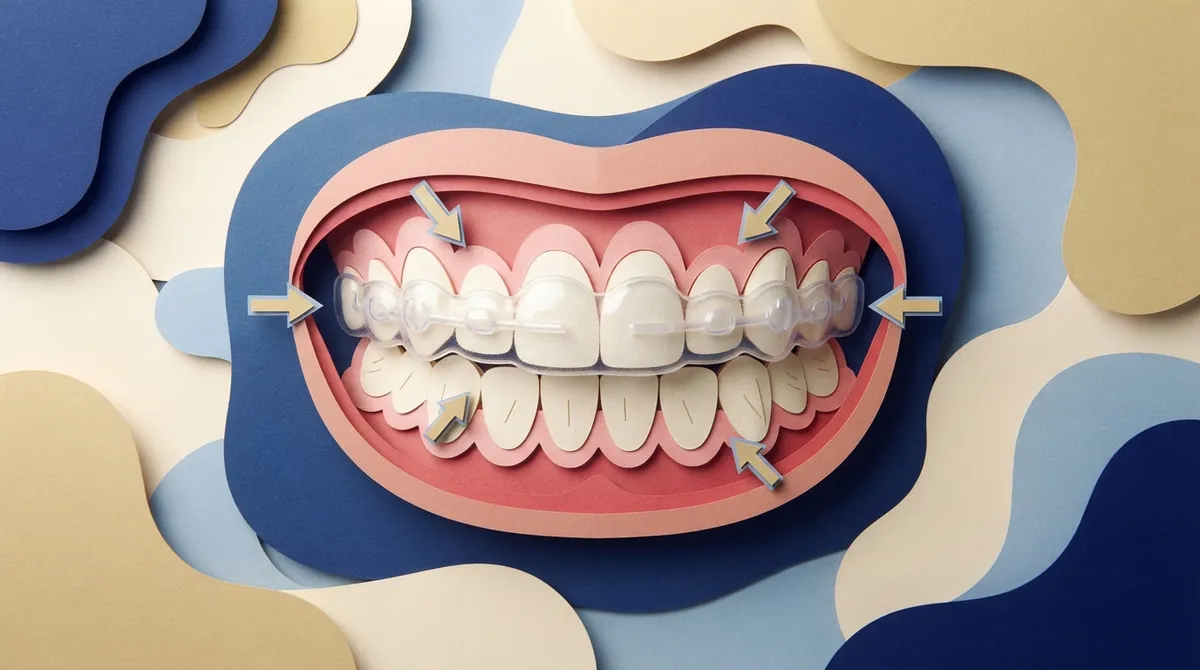
Is It Safe to Wear a Tight Retainer?
This depends on how tight it feels and whether it fits all the way. The American Association of Orthodontists notes that a retainer causing real pain, or one that won’t seat completely, should never be forced.
Here’s a simple way to think about it:
- If it seats fully and only feels mildly snug, wearing it more often for a few days may help. Many orthodontists suggest this as a first step.
- If it seats but feels uncomfortable for more than a few days, call your orthodontist for guidance.
- If it won’t seat at all, causes sharp pain, or hurts your gums, stop wearing it and get checked right away.
Never bite down hard to force it into place. Never bend, trim, or heat your retainer to try to reshape it yourself. These actions can crack the appliance or push your teeth in ways that cause more harm than good.
Signs You Should Call Your Orthodontist Right Away
- Severe or sharp pain when wearing the retainer
- The retainer won’t seat over your teeth no matter what you try
- You notice cuts, sores, or irritation on your gums
- The retainer is cracked, bent, or broken
- A bonded (fixed) retainer feels loose or has come unstuck
- Your bite suddenly feels different than it did last week
A bonded retainer that detaches deserves quick attention, since individual teeth can start moving fast without that support. If this happens to you, our team can help you understand the next steps for a broken retainer before things shift further.
What Happens at an Orthodontic Checkup for a Tight Retainer
When you come in for a tight-retainer concern, we’ll take a look at your bite, check the fit, and figure out the cause. Depending on what we find, a few paths forward are possible.
| Situation | Likely Recommendation |
|---|---|
| Retainer fits but feels snug after a short break in wear | Increased wear time for a set period, then reassessment |
| Retainer is warped, cracked, or damaged | Replacement retainer made from a fresh impression or scan |
| Mild-to-moderate shifting has occurred | Adjustment of the current retainer or a new one entirely |
| Noticeable shifting or relapse over time | Short-term clear aligner treatment before new retention |
| Bonded retainer is loose or detached | Prompt repair or rebonding to prevent further movement |
The right answer really depends on your specific situation. This is exactly why individualized care matters so much, rather than a one-size-fits-all fix. If you’re due for a look, you can always book appointment online and we’ll sort it out together.
What Does the Research Say About Retainers and Relapse?
Retainer science has come a long way, but there’s still a lot of individual variation between patients. A few interesting findings help explain why your orthodontist tailors advice to you specifically.
- A 2020 review found average shifting during retention was small: about 0.72 mm in the lower arch and 0.48 mm in the upper arch with removable retainers. Fixed retainers performed somewhat better in the studies reviewed.
- A 2023 Cochrane review concluded that evidence on the “best” retainer type or wear schedule remains low to very-low certainty. This means your orthodontist’s personal judgment and your history matter a lot.
- A long-term study found an average of 14% overall relapse at follow-up, with much greater lower-front-tooth irregularity in patients without an intact fixed retainer.
- A 2024 clinical study found average front-tooth relapse of 1.0 mm with a Hawley retainer, 0.8 mm with a clear plastic (Essix-style) retainer, and just 0.2 mm with a permanent bonded retainer.
- Fixed-retainer bond failure rates varied widely across studies, from about 3.5% to 53% for metal retainers and 11% to 51% for fibre-reinforced ones, depending on materials and technique.
These numbers show why there’s no single “right” retainer for everyone. Your orthodontist considers your bite, your history, and your lifestyle before recommending a plan.
Removable vs. Fixed Retainers: A Quick Comparison
Understanding the type of retainer you have can help explain why it might feel tight and what your options look like going forward.
| Retainer Type | Description | Care Considerations |
|---|---|---|
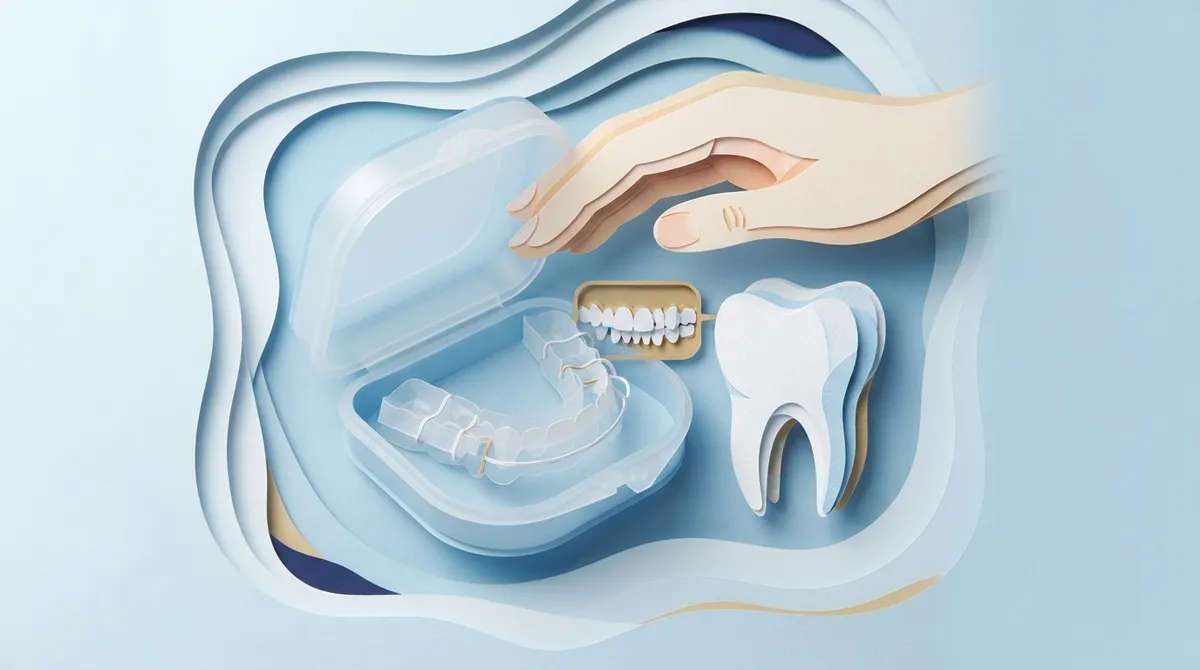
| Clear vacuum-formed retainer | Thin, clear plastic tray molded to your teeth | Avoid hot water; clean gently to prevent scratches |
| Hawley retainer | Acrylic base with a visible wire across the front teeth | Adjustable by your orthodontist; durable but more visible |
| Fixed (bonded) retainer | Thin wire bonded behind front teeth, usually lower arch | Requires careful flossing; check regularly for looseness |
Each option has real benefits and some trade-offs. Our retainer services page explains these choices in more detail if you’re deciding which fits your life best.
How to Properly Clean and Care for Your Retainer
Good habits help prevent warping and reduce the odds of a surprise tight fit down the road. Keep these tips in mind:
- Rinse your retainer with cool or lukewarm water, never hot
- Avoid regular toothpaste, since it can scratch clear plastic
- Use a soft brush and a cleaner approved by your orthodontist
- Store your retainer in its case when not in your mouth
- Keep it away from pets, since they love to chew on them
- Bring it to every checkup so we can inspect the fit
Simple daily habits go a long way toward keeping your smile stable for years to come.
Why Long-Term Retention Matters for Every Patient
Retention isn’t a phase you finish and forget. It’s a long-term responsibility that protects the investment you made in your smile, whether through traditional braces or clear aligners. Teeth continue to shift throughout life due to normal aging and tissue changes, which is why wearing your retainer as directed truly matters.
This is especially true for our adult patients and those who’ve experienced relapse after previous treatment. If your smile has shifted and you’re considering a refresh, our team can walk you through options that fit your goals and schedule.
Parents of teens should also know that growing jaws and changing habits make consistent retainer wear especially important during the teenage years. Our adolescent treatment programs include clear guidance on retention from day one.
Why Choose Brockway Orthodontics for Retainer Care in Clearwater
Dr. Brockway and our team believe every patient deserves personalized attention, not a generic script. When you come in with a tight retainer concern, we’ll listen to your history, examine your bite, and explain your options in plain language. We use modern tools like digital impressions and 3D imaging, so getting a replacement retainer is comfortable and precise.
We proudly serve families throughout Clearwater and the surrounding Pinellas County area. Curious what other patients say about their experience? You can visit us on Google — Brockway Orthodontics to read real reviews from real neighbors. You can also follow along on Instagram or Facebook for smile tips and behind-the-scenes moments from our office.
For general guidance on oral health and orthodontic care standards, resources like the American Dental Association and the Florida Association of Orthodontists offer helpful, trustworthy information for patients across the state.
A Few Reminders Before You Go
- Never force a retainer that won’t seat properly.
- Don’t try to bend, trim, or heat your retainer at home.
- Reach out quickly if your bonded retainer feels loose.
- Mild tightness that fully seats may improve with more frequent wear.
- Persistent tightness deserves a professional look, not guesswork.
Retainer tightness is common, and it’s almost always manageable with the right guidance. You don’t have to figure this out alone or just hope it goes away. Our friendly team is here to help you protect the smile you worked hard for. If your retainer feels off, don’t wait it out, get in touch with our team today and let’s get things back on track together.
FAQs
Q: Why does my retainer feel tight all of a sudden?
A: This usually means your teeth shifted a little bit, often from inconsistent wear or a bit of natural movement over time. It can also happen if your retainer warped from heat or got slightly damaged. Either way, it’s a common sign that it’s time to check in with your orthodontist.
Q: Can I still wear my retainer if it feels tight but fits?
A: If it seats completely and only feels mildly snug, wearing it a bit more often for a few days can sometimes help. Just don’t force it or bite down hard to get it in place. If tightness sticks around, give your orthodontist a call for personalized advice.
Q: Should I try to force my retainer back into place?
A: No, please don’t! Forcing a retainer, bending it, or using heat to reshape it can crack the appliance or hurt your gums. It’s always safer to reach out to your orthodontist instead of troubleshooting this one on your own.
Q: How much does a replacement retainer typically cost?
A: Costs vary depending on the type of retainer and your specific needs, so it’s best to ask your orthodontic office for exact pricing. Many practices, including ours, offer flexible payment options to make replacements easier on your budget.
Q: Why does my bonded retainer feel loose or poke my tongue?
A: A loose or detached bonded retainer usually means the bonding material has worn down or cracked slightly. This needs prompt attention since your teeth can start shifting quickly without that support. Reach out to your orthodontist right away if this happens to you.
Our Service Area