Key Takeaways
-
Crooked teeth affect oral health beyond appearance—they make cleaning difficult, cause uneven wear, and impact bite function, making orthodontic treatment a health investment, not just cosmetic.
-
Clear aligners offer 6-18 month treatment with nearly invisible appearance, while traditional braces handle complex cases in 18-24 months; choose based on severity and lifestyle preferences.
-
Accelerated devices using high-frequency vibrations can reduce treatment time by up to 50%, and self-ligating Damon braces cut time by 6 months compared to traditional options.
-
Early interceptive treatment for children ages 7-10 guides jaw development and prevents serious alignment problems, making it trending in 2026 as parents recognize long-term benefits.
-
Adults can successfully fix crooked teeth with discreet options like clear aligners and hybrid treatments; more adults are seeking treatment in 2026 than ever before.
-
Retainers are essential after treatment to prevent relapse; skipping them is the most common reason adults need retreatment, requiring nightly wear and regular orthodontist check-ins.
Crooked teeth are more common than you might think. In fact, most people have at least some degree of misalignment. But here’s the good news — in 2026, there are more ways than ever to fix crooked teeth and get the smile you’ve always wanted. Whether you’re a parent exploring options for your child, a teen heading into a new chapter of life, or an adult who wants a healthier, more confident smile, there’s a solution designed just for you.
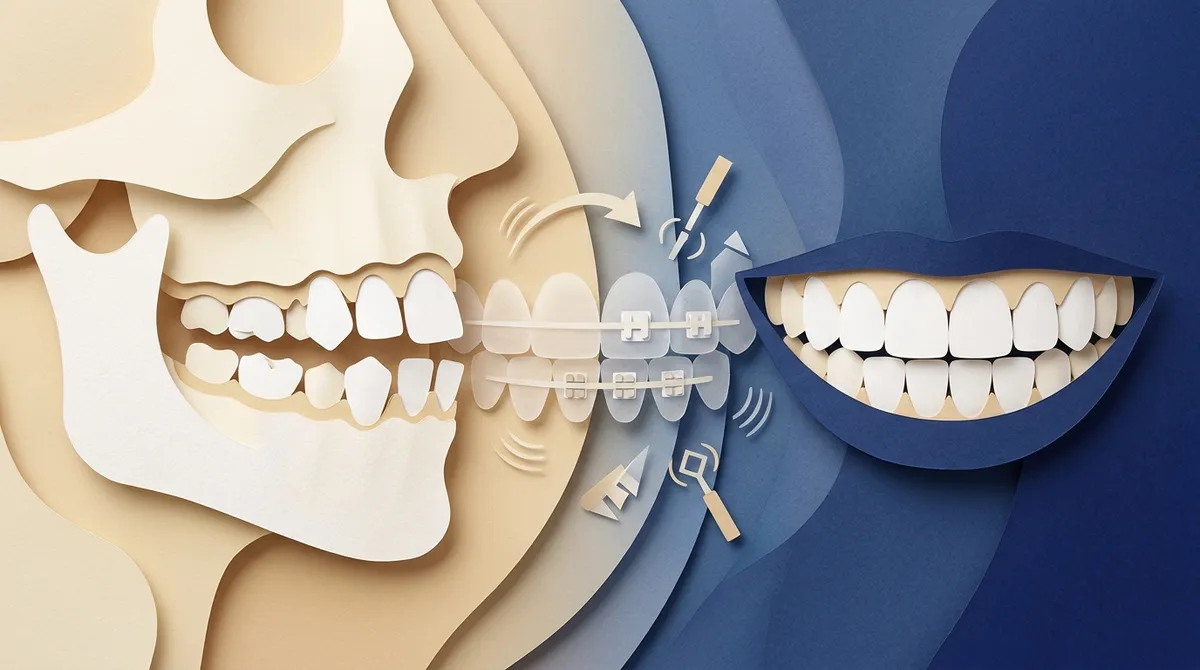
Crooked teeth aren’t just a cosmetic concern. They can make it harder to clean your teeth properly, lead to uneven wear, and even affect your bite. The right orthodontic treatment addresses all of that — not just how your smile looks, but how it functions. Let’s walk through nine proven ways to fix crooked teeth, so you can find the option that fits your life.
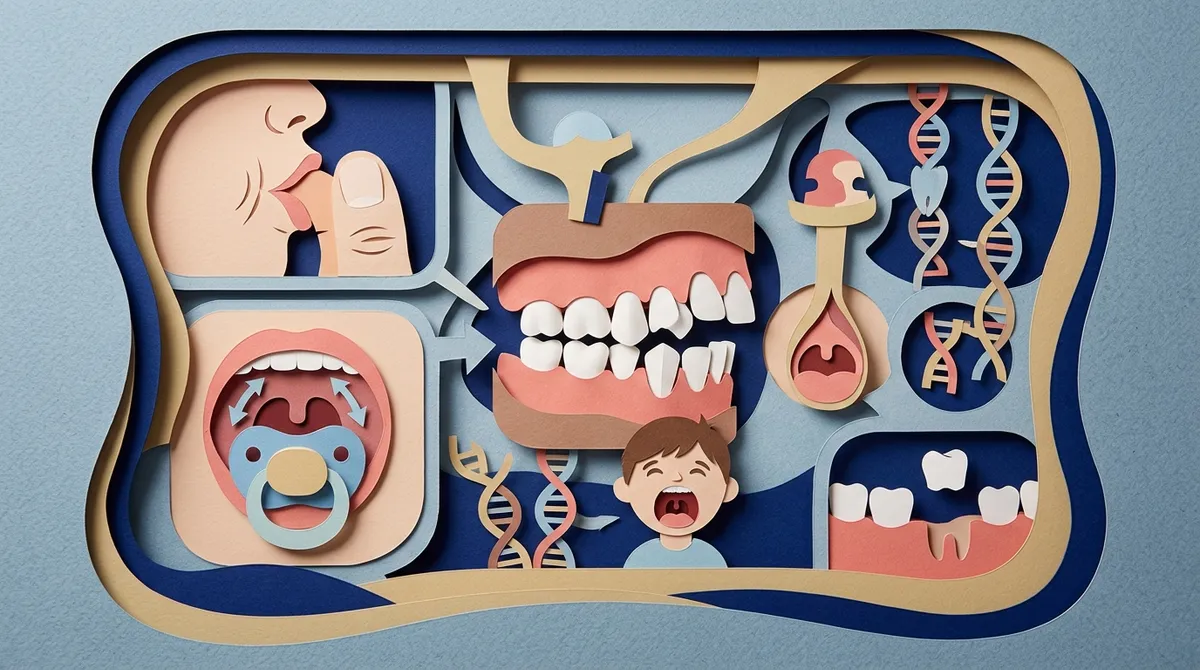
What Causes Crooked Teeth?
Before diving into solutions, it helps to understand why teeth become crooked in the first place. Crooked teeth — also called malocclusion — can result from crowding, spacing issues, overbites, underbites, or a combination of these. Many cases are linked to jaw size, genetics, or muscle and skeletal development. Habits like thumb-sucking or losing baby teeth too early can also play a role.
The American Dental Association recommends early evaluation to catch alignment issues before they become more complex. Addressing the root cause is always better than just masking the appearance of crooked teeth.
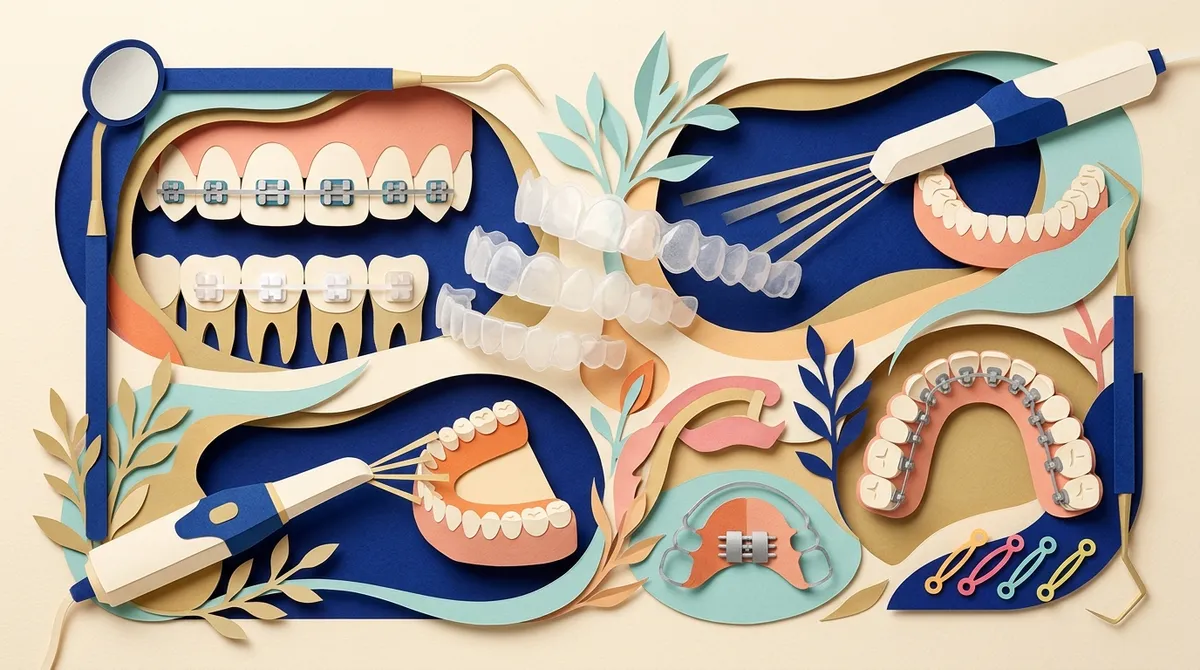
9 Proven Ways to Fix Crooked Teeth
1. Traditional Metal Braces
Metal braces are the most tried-and-true method to fix crooked teeth. They work for all ages and can handle even the most complex alignment cases. Brackets are bonded to each tooth and connected by a wire that gradually shifts teeth into place. Learn more about what to expect on our All About Braces page.
- Effective for crowding, spacing, overbites, and underbites
- Works well for children, teens, and adults
- Regular adjustments keep treatment on track
- Typically the most affordable orthodontic option
2. Clear Aligners
Clear aligners are removable trays that gently move teeth over time. They’re nearly invisible, which makes them very popular with teens and adults. Each set of trays is worn for about two weeks, with total treatment ranging from 6 to 18 months depending on the complexity of your case. Explore our Spark™ Clear Aligners to see if this option is right for you.
- Virtually invisible and discreet
- Removable for eating and brushing
- Great for mild to moderate misalignment
- Comfortable with no metal wires or brackets
3. Self-Ligating Braces (Damon Braces)
Damon braces use a special sliding mechanism instead of elastic ties. This reduces friction and can shorten treatment time by up to 6 months compared to traditional braces. They’re a great option for patients with more complex crooked teeth cases who want faster results with fewer appointments.
4. 3D-Printed Custom Braces
Lightforce 3D-printed braces are a newer innovation in orthodontics. Each bracket is custom-made for your teeth using digital imaging and 3D printing technology. This level of customization means more precise tooth movement, better comfort, and potentially faster treatment. In 2026, this technology is becoming more widely available.
5. Accelerated Orthodontics with High-Frequency Vibration
Devices like AcceleDent use high-frequency vibrations to speed up tooth movement. Used for just 20 minutes a day at home, they can reduce orthodontic treatment time by up to 50%. This option is typically used alongside braces or aligners — not as a standalone treatment.
- Easy to use at home
- Can cut treatment time significantly
- Pairs with braces or clear aligners
- May reduce soreness during treatment
6. Early Interceptive Treatment for Kids
Early treatment — sometimes called Phase 1 orthodontics — is ideal for children between ages 7 and 10. It guides jaw development and creates space for permanent teeth before they fully come in. This can prevent more serious alignment problems later. In 2026, early intervention is trending upward as more parents learn about its long-term benefits. Visit our Early Treatment page to find out if your child is a candidate.
7. Teen Orthodontic Treatment
Teenagers are often the best candidates for orthodontic treatment because their jaws are still developing. Whether your teen prefers braces or clear aligners, there are options designed to fit their lifestyle. Our Adolescent Treatment program is tailored specifically for teens, balancing effectiveness with the social and emotional needs of growing up.
8. Adult Orthodontic Treatment
It’s never too late to fix crooked teeth. More adults are seeking orthodontic care in 2026 than ever before. Adult treatment uses the same tools — braces and aligners — but is tailored to adult bone structure and lifestyle needs. Discreet options like clear aligners make it easy to stay professional at work while your teeth straighten. Check out our Adult Treatment options to get started.
9. Hybrid Orthodontic Treatments
Sometimes one method isn’t enough on its own. Hybrid treatments combine clear aligners, brackets, and tools like temporary anchorage devices (TADs) for precise control in complex cases. These customized approaches are especially useful for patients with bite issues or those who’ve experienced orthodontic relapse. If you’ve had treatment before and your teeth have shifted back, adult orthodontics in Clearwater can help you get back on track.
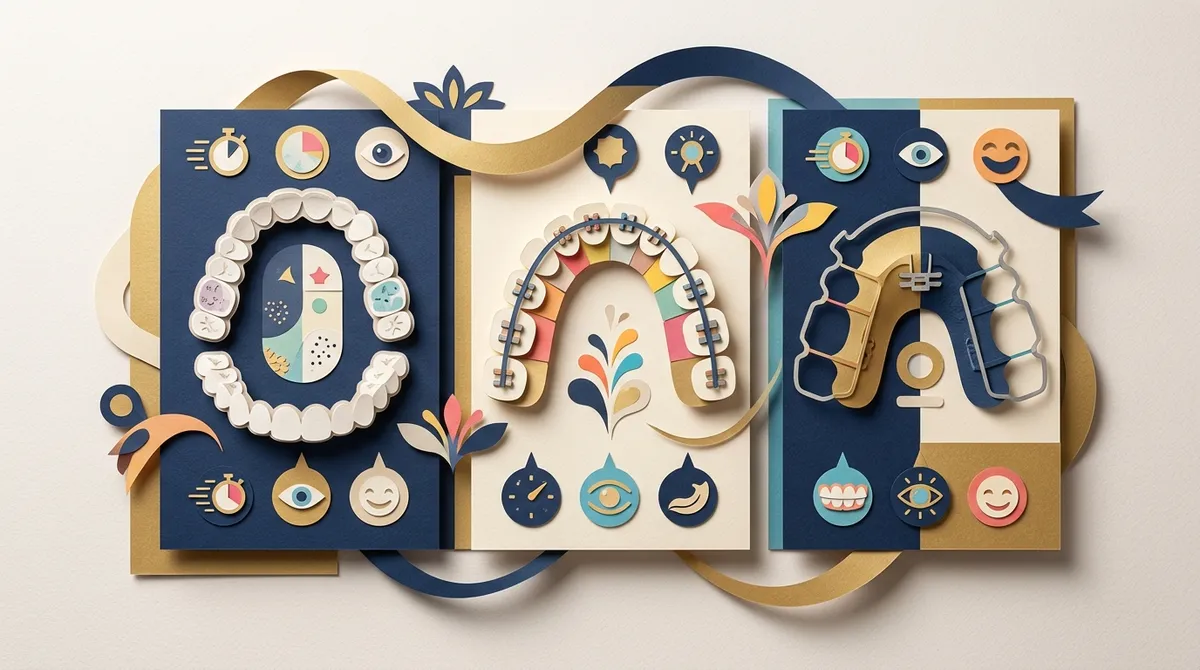
Comparing Your Options: Quick Overview
| Treatment | Best For | Average Treatment Time | Visibility |
|---|---|---|---|
| Traditional Metal Braces | All ages, complex cases | 18–24 months | Visible |
| Clear Aligners | Teens and adults, mild–moderate | 6–18 months | Nearly invisible |
| Damon Self-Ligating Braces | Teens and adults, complex cases | 12–18 months | Visible (low-profile) |
| 3D-Printed Custom Braces | All ages, precision needs | Varies | Visible |
| Early Interceptive Treatment | Children ages 7–10 | 12–18 months (Phase 1) | Visible |
| Hybrid Treatment | Complex and relapse cases | Varies | Mixed |
How Orthodontics Beats Cosmetic Fixes
You might have seen ads for veneers or dental bonding as quick ways to fix the look of crooked teeth. While those can improve appearance, they don’t fix the underlying alignment. Orthodontic treatment moves the actual teeth and jaw into their correct positions, which means better oral health, easier cleaning, and a longer-lasting result.
Clear aligners and braces fix the root cause — not just the surface. That’s a big deal for your long-term health. The Florida Association of Orthodontists supports this whole-health approach to orthodontic care.
Orthodontic Treatment at a Glance: By Age Group
| Age Group | Recommended Treatment | Key Benefit |
|---|---|---|
| Children (7–12) | Early interceptive treatment | Guides jaw growth, prevents bigger issues |
| Teens (13–18) | Braces or clear aligners | Ideal bone development stage |
| Young Adults (19–25) | Clear aligners or braces | Discreet, fits active lifestyle |
| Adults (26–45+) | Adult orthodontics, hybrid options | Professional-friendly, health-focused |
How to Choose the Right Treatment for You
Choosing the best way to fix crooked teeth depends on several factors. Here’s a simple step-by-step process to help you get started:
- Schedule a consultation. A qualified orthodontist will evaluate your teeth, bite, and jaw structure before recommending any treatment.
- Share your goals. Do you want faster results? A more discreet look? Knowing your priorities helps narrow down options.
- Consider your lifestyle. Busy professionals may prefer clear aligners. Active teens may benefit from lower-profile braces.
- Review your budget and insurance. Check what’s covered and explore financing options. Visit our Financing and Insurance page for more details.
- Trust the process. Orthodontic treatment takes time, but the results are worth it. Your orthodontist will guide you every step of the way.
What to Expect at Your First Visit
Your first orthodontic appointment is all about getting to know you and your smile. Dr. Brockway and the team at Brockway Orthodontics will take digital X-rays, examine your teeth and bite, and discuss your treatment options in a relaxed, no-pressure environment. Learn what to expect on your first visit.
There’s no commitment required at the first appointment. It’s simply a chance to explore your options and ask questions. We believe every patient deserves personalized care and a clear path forward.
Keeping Your Results: The Role of Retainers
After your treatment ends, retainers are your best friend. They keep your teeth in their new positions so you don’t experience relapse. Skipping retainers is one of the most common reasons adults need retreatment later. Learn more about your options on our Retainers page.
- Wear retainers as directed — usually nightly after the initial period
- Replace retainers if they become worn or lost
- Regular check-ins with your orthodontist help monitor stability
Top Benefits of Fixing Crooked Teeth
| Benefit | How It Helps You |
|---|---|
| Improved oral hygiene | Straight teeth are easier to brush and floss |
| Better bite function | Reduces wear and tear on teeth and jaw |
| Boosted confidence | A great smile improves self-esteem and social interactions |
| Long-term savings | Prevents costly dental issues down the road |
| Healthier gums | Aligned teeth reduce risk of gum disease |
Ready to Fix Crooked Teeth? Start Here
Whether you’re exploring options for your child, yourself, or coming back after orthodontic relapse, Brockway Orthodontics in Clearwater, Florida is here to help. Dr. Brockway brings expert care and a warm, personalized approach to every patient. You can also follow us on Instagram to see real patient smiles and stay up to date on the latest orthodontic news.
You deserve a smile that feels as good as it looks. The first step is easier than you think. Visit us on Google to read reviews from real patients, then take the next step toward your best smile.
Ready to get started? Schedule your free consultation today and let’s build a treatment plan that fits your life, your goals, and your budget. We can’t wait to meet you!
FAQs
Q: What is the best orthodontic treatment to fix crooked teeth?
A: The best treatment depends on your age, the severity of your misalignment, and your lifestyle goals. Traditional braces work great for complex cases, while clear aligners are a popular discreet option for mild to moderate crooked teeth. A consultation with an orthodontist will help you find the perfect fit!
Q: How long does it take to fix crooked teeth with clear aligners?
A: Clear aligner treatment typically takes between 6 and 18 months, depending on how much tooth movement is needed. Each set of trays is worn for about two weeks before moving to the next. It’s a gradual, comfortable process that delivers real results!
Q: Can adults fix crooked teeth, or is it just for kids and teens?
A: Absolutely — adults can and do fix crooked teeth all the time! In 2026, more adults than ever are seeking orthodontic treatment. There are plenty of discreet, efficient options designed specifically for adult lifestyles, including clear aligners and hybrid treatments.
Q: Are there faster ways to fix crooked teeth in 2026?
A: Yes! Accelerated orthodontic devices like high-frequency vibration tools can shorten treatment time by up to 50% when used alongside braces or aligners. Self-ligating braces like Damon braces can also reduce treatment time by up to 6 months. Ask your orthodontist which option is right for your case.
Q: What happens if I don’t fix my crooked teeth?
A: Leaving crooked teeth untreated can lead to difficulty cleaning, uneven bite wear, jaw pain, and a higher risk of gum disease over time. Fixing crooked teeth isn’t just about looking great — it’s a real investment in your long-term oral health. The sooner you start, the better!
Our Service Area