Key Takeaways
-
Crooked teeth aren’t just cosmetic—they make brushing and flossing harder, leading to more cavities, gum problems, jaw pain, and headaches. Properly aligned teeth are significantly easier to clean and less likely to develop long-term dental issues.
-
Treatment time varies by severity: mild cases take ~12 months, moderate misalignment takes 18-24 months, and severe crowding takes up to 36 months. Visible improvements typically appear within 3-4 months with regular 4-12 week adjustment visits.
-
Modern braces are more comfortable and discreet than ever, with options including metal braces (most affordable), ceramic braces (tooth-colored), self-ligating braces (fewer adjustments), and clear aligners (nearly invisible for mild-moderate cases).
-
The American Association of Orthodontists recommends children see an orthodontist by age 7, though most active treatment starts between ages 8-14. Braces work effectively at any age, including adults in their 30s, 40s, and beyond.
-
Wearing a retainer after braces is essential to prevent teeth from shifting back over time. Most orthodontists recommend full-time wear initially, then nighttime-only wear—skipping this is one of the most common patient regrets.
-
Discomfort from braces placement or adjustment is typically mild and temporary, lasting only a few days. Soft foods, orthodontic wax, and over-the-counter pain relievers effectively manage any tenderness.
Looking in the mirror and noticing crooked teeth can feel a little frustrating, especially when you’re smiling for photos or getting ready for a big event. Here’s the good news: you’re definitely not alone, and there are more ways than ever to fix the problem. Braces for crooked teeth remain one of the most trusted, proven solutions in orthodontic care, and today’s options are more comfortable and discreet than what your parents may have worn.
Whether you’re a parent trying to help your child feel more confident, a teenager gearing up for graduation photos, or a busy professional who finally has time to invest in your smile, this guide is for you. We’ll walk through how braces work, which type might be the best fit, and what to expect along the way. By the end, you’ll feel ready to take that next step toward a straighter, healthier smile.

Why Do Teeth Become Crooked in the First Place?
Crooked teeth happen for lots of reasons. Sometimes it’s genetics, and sometimes it’s habits like thumb-sucking or losing baby teeth too early. Jaw size can also play a role, leaving too little room for adult teeth to grow in straight.
Whatever the cause, crooked teeth aren’t just a cosmetic issue. They can make brushing and flossing harder, leading to more cavities and gum problems over time. Misaligned bites can also cause jaw pain, headaches, and uneven wear on your teeth.
The great news is that braces for crooked teeth address both the look and the function of your smile. According to the American Dental Association, properly aligned teeth are easier to clean and far less likely to develop long-term dental issues.

How Braces for Crooked Teeth Actually Work
Braces use gentle, constant pressure to guide teeth into their correct positions. Brackets get bonded to each tooth, and a thin wire connects them together. Over time, that wire is adjusted, and your teeth slowly shift into better alignment.
This isn’t an overnight process, but it is a steady one. Most patients start noticing visible changes within the first three to four months of treatment. The full journey takes longer, though, since teeth need time to settle safely into their new spots.
The Science Behind the Shift
Your teeth are held in place by a ligament that responds to pressure. When braces apply steady force, the bone around the tooth root remodels itself. This allows the tooth to move gradually without causing damage.
It’s a slow, careful process by design. Rushing it can cause root damage or relapse, which is why regular visits every four to twelve weeks are so important for keeping treatment on track.
Types of Braces for Crooked Teeth
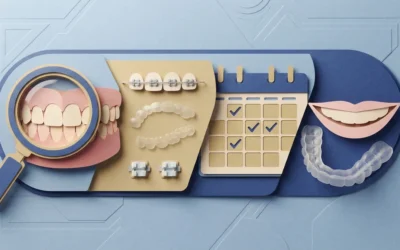
Not all braces are the same, and picking the right type depends on your lifestyle, budget, and how crooked your teeth are. Here’s a breakdown of the most common options available today.
- Traditional Metal Braces: These are the most affordable and effective option, using stainless steel brackets and wires. They work well for kids, teens, and adults with all levels of misalignment.
- Ceramic Braces: These use tooth-colored or clear brackets, making them less noticeable while still delivering great results. They’re a popular pick for teens and adults who want something more discreet than metal.
- Self-Ligating Braces: These braces use built-in clips instead of elastic ties, which can mean fewer adjustments and a bit more comfort during treatment.
- Clear Aligners: Removable trays like Spark™ Clear Aligners shift teeth gradually, moving them about 0.1mm every two weeks. These work best for mild to moderate crowding or gaps.
At Brockway Orthodontics, we offer metal braces, ceramic braces, and Spark™ Clear Aligners, giving you plenty of options to fit your comfort level and budget. You can learn more about each option on our All About Braces page.
Comparing Your Options
| Type of Braces | Visibility | Best For | Average Comfort Level |
|---|---|---|---|
| Metal Braces | Most visible | All ages, all severity levels | Good, with modern smooth brackets |
| Ceramic Braces | Less visible | Teens and adults wanting subtlety | Comparable to metal |
| Self-Ligating Braces | Similar to metal or ceramic | Patients wanting fewer adjustments | Slightly more comfortable |
| Clear Aligners | Nearly invisible | Mild to moderate misalignment | Very comfortable, removable |
How Long Does It Take to Fix Crooked Teeth?
Treatment time depends on how crooked your teeth are and which type of braces you choose. Here’s a general idea of what to expect.
- Mild crowding or small gaps: around 12 months
- Moderate misalignment: 18 to 24 months
- Severe crowding or bite issues: up to 36 months
- Visible improvements often show up within the first 3 to 4 months
- Adjustment visits typically happen every 4 to 12 weeks
Most patients complete treatment somewhere between one and three years. Sticking to your appointment schedule and following your orthodontist’s instructions helps keep things moving as quickly as possible. For a closer look at what influences timing, check out our page on how long braces take.
What Age Is Best for Braces?
Many parents wonder when the right time is to bring their child in for an orthodontic check-up. The American Association of Orthodontists suggests kids see an orthodontist by age seven, even if treatment isn’t needed right away.
Most patients start active treatment between ages 8 and 14, since bite problems usually become noticeable between ages 6 and 12. That said, braces work at any age. Plenty of adults choose to finally straighten their smiles in their 30s, 40s, and beyond.
Braces for Different Life Stages
- Children (ages 7-10): Early evaluation can catch problems before they get worse. Learn more about early treatment options.
- Teens (ages 11-17): This is the most common age range for full orthodontic treatment. See our adolescent treatment page for details.
- Adults (18+): Discreet options like clear aligners and ceramic braces make treatment easier to fit into a busy schedule. Explore adult treatment options designed with your lifestyle in mind.
What to Expect During Your Treatment
Getting braces is a process, and knowing what’s coming can ease any nerves you might have. Here’s a simple step-by-step overview of the typical journey.
- Initial Consultation: Your orthodontist examines your teeth, takes X-rays or digital scans, and discusses your goals. Find out what happens during your first visit.
- Treatment Planning: A custom plan is created based on your specific misalignment and desired outcome.
- Placement Day: Brackets and wires are attached, or your first set of aligners is delivered.
- Regular Adjustments: You’ll visit every 4 to 12 weeks so your orthodontist can tighten wires or provide new aligner trays.
- Removal Day: Once your teeth reach their new positions, braces come off, or you finish your aligner series.
- Retention Phase: A retainer keeps your smile in place long after treatment ends.
Life After Braces: Retainers Matter
Finishing treatment feels amazing, but the work isn’t quite done yet. Teeth naturally want to shift back over time, so wearing a retainer is essential to protect your results.
Most orthodontists recommend wearing retainers full-time at first, then gradually shifting to nighttime wear only. Skipping this step is one of the most common regrets patients have after finishing treatment. Our retainers page has more helpful tips on keeping your smile straight for good.
What About Cost?
Cost is a big factor for most families and individuals considering braces for crooked teeth. Prices vary based on the type of braces, treatment length, and complexity of your case.
| Braces Type | General Price Range |
|---|---|
| Metal Braces | Most affordable option |
| Ceramic Braces | Slightly higher than metal |
| Self-Ligating Braces | Comparable to ceramic |
| Clear Aligners (Spark™) | Competitive with traditional braces |
Many practices, including ours, offer flexible payment plans to make treatment more accessible. Visit our financing and insurance page to see what options might work for your budget.
Does It Hurt to Get Braces for Crooked Teeth?
This is one of the most common worries we hear, especially from teens. The truth is, most discomfort is mild and temporary. You might feel some soreness for a few days after getting braces placed or adjusted, but it typically fades quickly.
Over-the-counter pain relievers, soft foods, and orthodontic wax can help ease any tenderness. Many patients say the discomfort is much less than they expected, especially with today’s smoother brackets and wires.
Why Choose Brockway Orthodontics in Clearwater
Dr. Brockway and her team are proud to serve families throughout Clearwater, Florida, offering personalized orthodontic care for every age and every smile. We take time to listen to your goals, explain your options clearly, and create a treatment plan that fits your life.
Our office uses modern technology like digital impressions and 3D imaging, so you get precise, comfortable care from day one. We also offer same-day treatments in certain cases, because we know your time matters. Curious what real patients think? Check out Brockway Orthodontics reviews on Google to see what our Clearwater community has to say.
You can also connect with us and see behind-the-scenes moments from our practice on Instagram and Facebook. For members of the professional orthodontic community, you can find us on LinkedIn as well.
Tips to Get the Most Out of Your Treatment
No matter which type of braces you choose, a few simple habits can help your treatment go smoothly and stay on schedule.
- Attend every scheduled adjustment appointment
- Brush and floss carefully after every meal
- Avoid sticky, hard, or crunchy foods that can damage brackets
- Wear your retainer exactly as instructed after treatment
- Reach out right away if a bracket or wire feels loose
Being proactive about your care helps you avoid delays and keeps your treatment timeline on track. For more guidance, our team is always happy to answer questions during your visits.
Ready to Start Your Smile Journey?
Crooked teeth don’t have to hold you back from feeling confident. Whether you’re exploring options for your child, yourself, or a loved one, braces for crooked teeth offer a proven path to a healthier, straighter smile. The Florida Association of Orthodontists recommends working with a trained specialist to ensure the best possible results, and that’s exactly what you’ll find at our Clearwater practice.
Dr. Brockway and her team would love to meet you and talk through your options in a warm, welcoming environment. Ready to take the next step? Book your free consultation online today, or get in touch with our friendly team to learn more about how we can help you love your smile again.
FAQs
Q: What are the different types of braces for crooked teeth?
A: You’ve got several great choices these days! Options include traditional metal braces, tooth-colored ceramic braces, self-ligating braces, and clear aligners like Spark™. Each one works a little differently, so it’s worth chatting with your orthodontist about which fits your lifestyle best.
Q: How long does it take to fix crooked teeth with braces?
A: It really depends on your unique smile! Mild cases can wrap up in about 12 months, while moderate to severe crowding may take 18 to 36 months. The good news is you’ll usually start seeing progress within the first few months.
Q: Can clear aligners fix severely crooked teeth?
A: Clear aligners work wonderfully for mild to moderate crowding or gaps, but severe cases often respond better to traditional braces. Your orthodontist can help you figure out which option will give you the best results for your specific smile.
Q: Do braces hurt when fixing crooked teeth?
A: Most people feel a little soreness for a few days after getting braces or having them adjusted, but it’s usually mild and temporary. Soft foods, orthodontic wax, and over-the-counter pain relief can make those first few days much more comfortable.
Q: What happens after braces are removed for crooked teeth?
A: Once your braces come off, you’ll move into the retention phase, which means wearing a retainer to keep your new smile in place. Skipping this step is one of the biggest regrets patients have, so stick with it for lasting results!
Our Service Area