Key Takeaways
-
Clear aligners require 20-22 hours daily wear to be effective; discipline and consistency are essential for success with this treatment option.
-
Early interceptive orthodontics for children ages 7-10 can prevent serious problems and reduce or eliminate the need for more extensive treatment later.
-
Metal braces remain the most reliable option for complex alignment issues and tend to be more affordable than ceramic braces or clear aligners.
-
Accelerated orthodontics techniques can reduce treatment time by up to 50% using devices like AcceleDent, ideal for motivated patients with specific timelines.
-
Lingual braces are completely hidden on tooth backs, making them ideal for adults and professionals seeking invisibility while maintaining traditional braces’ effectiveness.
-
Retainer use after treatment is critical; skipping retainers is the most common cause of orthodontic relapse when teeth shift back to original positions.
Choosing the right orthodontic treatment can feel a little overwhelming at first. There are so many options out there! Whether you’re a parent exploring braces for your child, a teen wanting a straighter smile before graduation, or a busy professional looking for a discreet fix, you deserve clear and helpful information. The good news? Modern orthodontic treatment options are better than ever, and there’s truly something for everyone.
At Brockway Orthodontics, we believe every smile is unique. That means your treatment plan should be too. In this guide, we’ll walk you through the most popular orthodontic treatment options available in 2026, explain how each one works, and help you figure out which path might be the best fit for your lifestyle and goals.
The Main Categories of Orthodontic Treatment
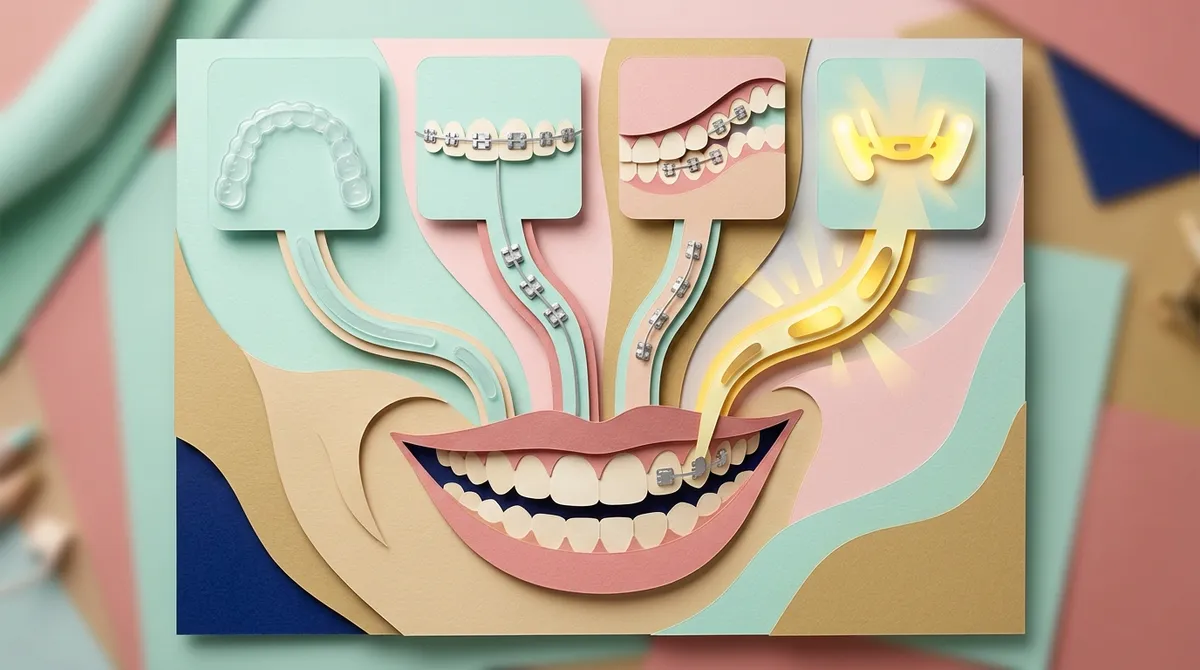
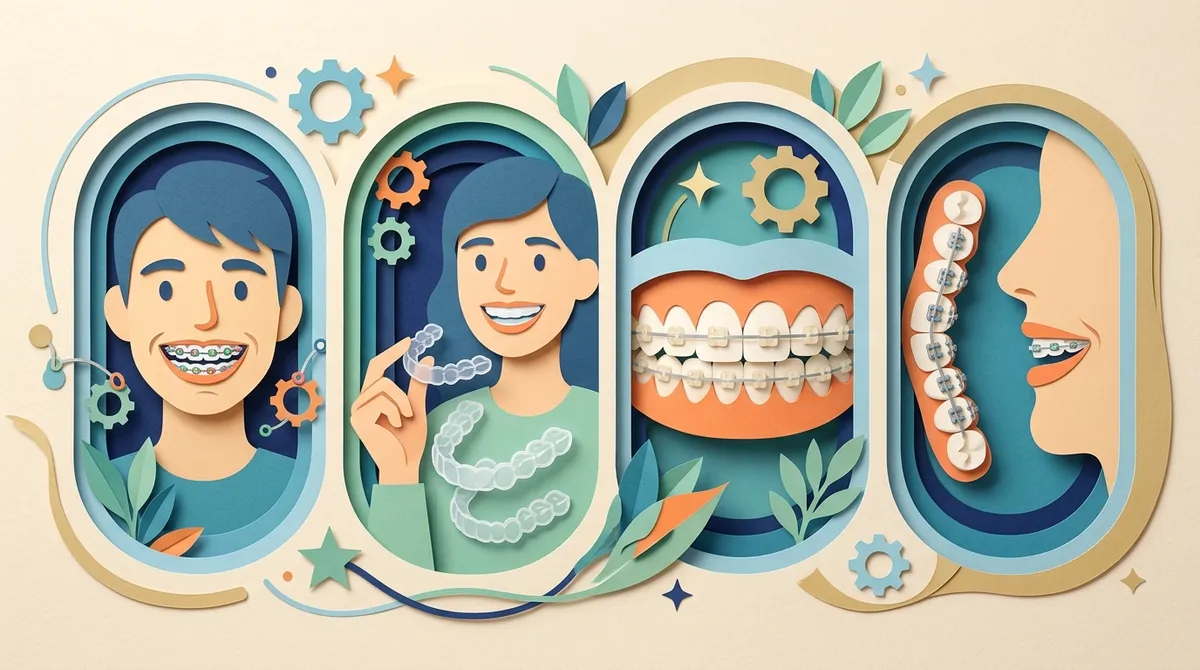
Orthodontic treatment options generally fall into three broad categories. Understanding these categories makes it easier to have a productive conversation with your orthodontist. Let’s break them down simply.
- Traditional braces – Metal or ceramic brackets bonded to your teeth
- Clear aligners – Removable, nearly invisible plastic trays
- Specialized appliances – Tools designed for unique or complex cases
Each category has its own strengths. The right choice depends on your age, the complexity of your case, your lifestyle, and your personal preferences. The American Dental Association recommends consulting with a licensed orthodontist to determine the best approach for your specific needs.
Traditional Metal Braces: The Classic Choice
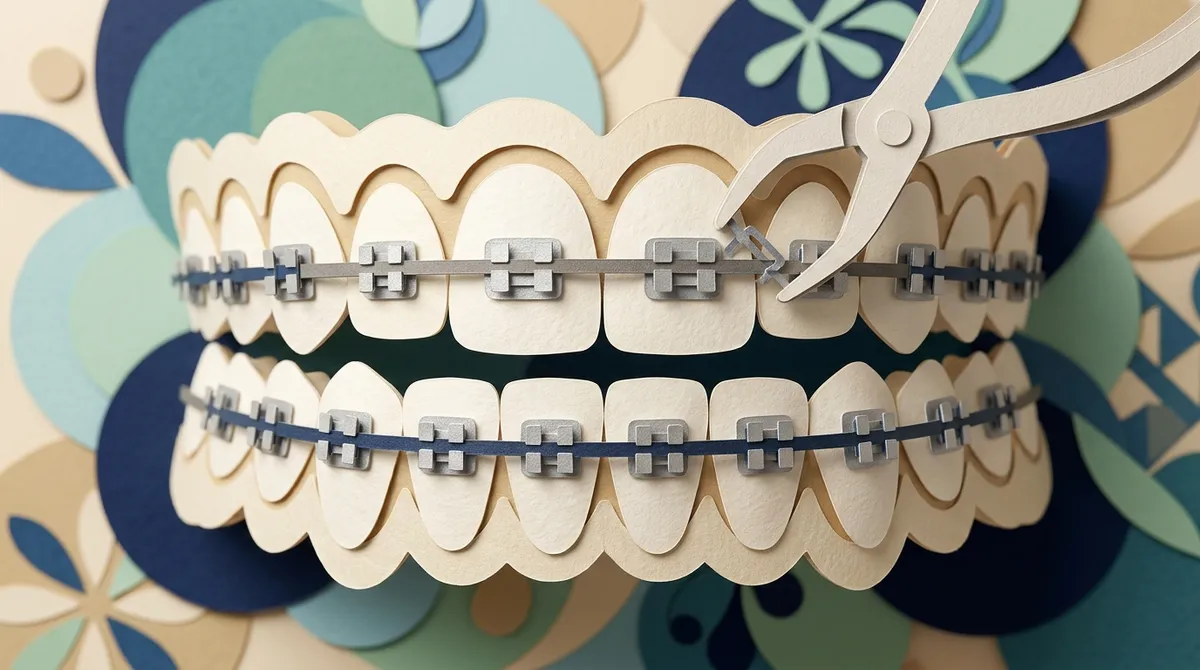
Metal braces have been around for decades, and they remain one of the most effective orthodontic treatment options available. They use small metal brackets that are bonded directly to your teeth. A flexible wire connects the brackets and applies gentle, consistent pressure to move your teeth into the right position over time.
Metal braces are incredibly reliable. They can handle even the most complex alignment issues. They also tend to be more affordable than some other options. If you’re looking for a solution that gets the job done with proven results, traditional braces are hard to beat. Learn more on our All About Braces page.
Ceramic Braces: A Subtler Take on Traditional Treatment
Ceramic braces work just like metal braces, but the brackets are made from a tooth-colored or clear material. This makes them much less noticeable. Teens and adults who want the effectiveness of traditional braces with a more subtle look often love this option.
The trade-off? Ceramic brackets can be slightly more fragile and may stain if you eat or drink certain foods. But with proper care, they’re a fantastic middle ground between metal braces and clear aligners.
Clear Aligners: Discreet and Flexible
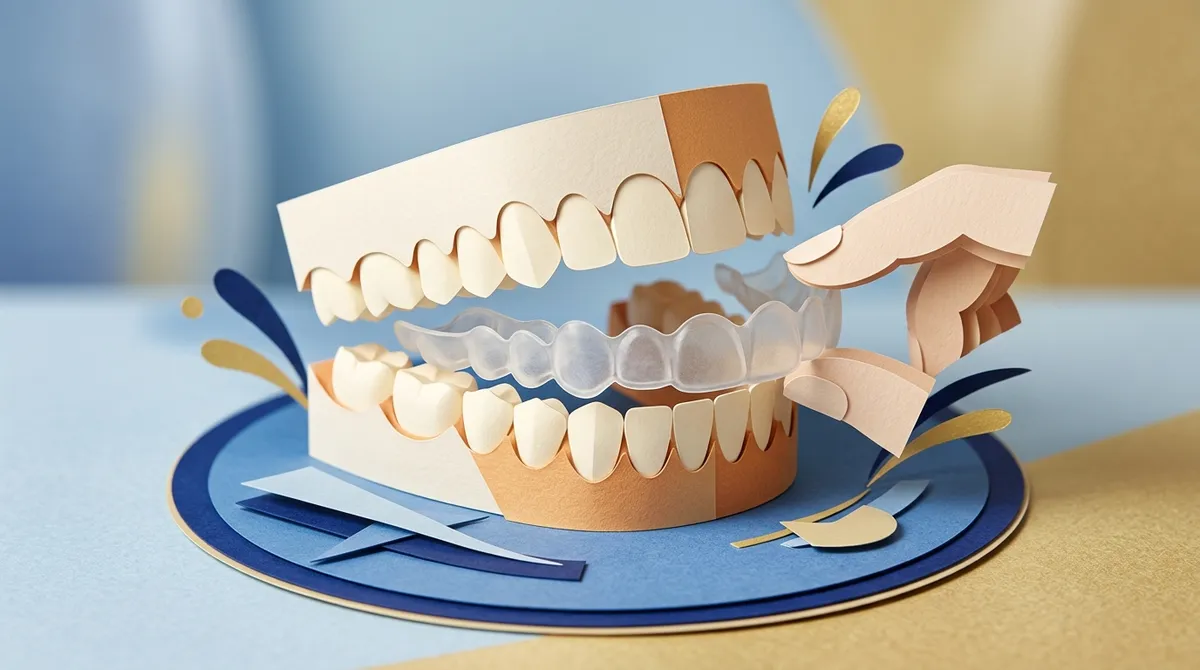
Clear aligners are one of the most exciting developments in modern orthodontic treatment options. They use a series of custom-made, removable plastic trays to gradually shift your teeth. Each tray is worn for about one to two weeks before switching to the next one in the series.
The biggest appeal? They’re nearly invisible. You can remove them to eat, drink, brush, and floss. For teenagers, young adults, and busy professionals, this flexibility is a huge advantage. Our Spark™ Clear Aligners page has all the details on this popular option. You can also explore our guide on the best Invisalign alternatives for straightening your teeth.
Are Clear Aligners Right for Everyone?
Clear aligners work beautifully for mild to moderate alignment issues. More complex cases may still require traditional braces. The key is discipline — aligners only work if you wear them for 20 to 22 hours per day. If you’re motivated and consistent, aligners can deliver amazing results.
Comparing the Most Popular Orthodontic Treatment Options
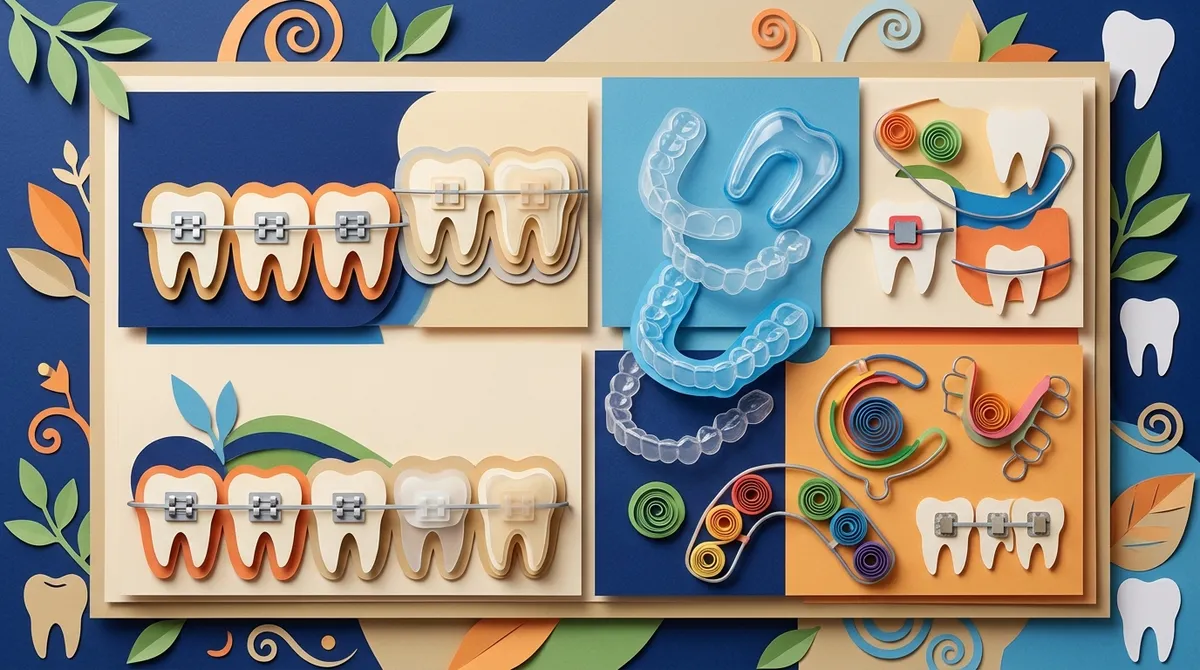
Here’s a helpful side-by-side comparison of the top orthodontic treatment options to make your decision a little easier.
| Treatment Option | Visibility | Removable? | Best For | Typical Duration |
|---|---|---|---|---|
| Metal Braces | Visible | No | All complexity levels | 18 months – 3 years |
| Ceramic Braces | Less visible | No | Mild to complex cases | 18 months – 3 years |
| Clear Aligners | Nearly invisible | Yes | Mild to moderate cases | 12 months – 2 years |
| Lingual Braces | Hidden | No | Adults seeking invisibility | 18 months – 3 years |
Lingual Braces: Hidden on the Inside
Lingual braces are attached to the back (inner) surfaces of your teeth instead of the front. This makes them completely hidden from view. They offer the same effectiveness as traditional metal braces but with zero visibility from the outside.
Lingual braces are a popular choice among adult professionals who want thorough treatment without any visible hardware. They do require a short adjustment period since they sit close to the tongue. But many patients adapt quickly and love the results.
Specialized Orthodontic Treatment Options
Beyond the everyday options, there are several specialized orthodontic treatments worth knowing about. These are designed for specific situations or unique needs.
Early (Interceptive) Orthodontics for Children
Did you know orthodontic treatment can start as early as age 7? Early orthodontic treatment, also called interceptive orthodontics, targets children who still have a mix of baby and permanent teeth. The goal is to guide jaw development and prevent more serious problems down the road.
- Early treatment can correct harmful habits like thumb-sucking or tongue thrusting.
- It helps create space for permanent teeth to come in properly.
- It can reduce or eliminate the need for more extensive treatment later.
Interceptive orthodontic treatment typically takes between 6 and 12 months. It’s one of the most proactive investments parents can make for their child’s long-term oral health.
Adolescent Orthodontic Treatment
The teenage years are the most common time for orthodontic treatment. Most teens have all or most of their permanent teeth, which makes it the ideal window for straightening. Both braces and clear aligners are popular choices for this age group. Check out our dedicated adolescent treatment page for more information. We also offer teen braces in Clearwater designed with style and comfort in mind.
Adult Orthodontic Treatment
It’s never too late to get a great smile! Adult orthodontic treatment is more popular than ever in 2026. Discreet options like clear aligners and lingual braces make treatment easy to fit into a professional lifestyle. Our adult treatment options are designed with your busy schedule in mind. Explore our adult orthodontics in Clearwater to see how comfortable and effective treatment can be.
Surgical Orthodontics for Complex Cases
Some cases involve significant jaw misalignment that braces or aligners alone cannot fix. Surgical orthodontics combines orthodontic treatment with jaw surgery to correct these more severe issues. This is typically needed for bite problems related to how the upper and lower jaws align with each other.
Surgical orthodontic treatment usually takes between 18 and 24 months. While it sounds intimidating, it can produce life-changing results for those who truly need it. Your orthodontist and oral surgeon will work together closely throughout your treatment.
Accelerated Orthodontics
Want results faster? Accelerated orthodontics techniques can reduce treatment time by up to 50% compared to traditional timelines. Devices like AcceleDent use gentle vibrations (about 20 minutes per day) to stimulate bone remodeling and speed up tooth movement. This option is great for motivated patients who want to reach their smile goals sooner.
Treatment Duration at a Glance
| Treatment Type | Typical Duration | Ideal Patient |
|---|---|---|
| Interceptive Orthodontics | 6 – 12 months | Children (ages 7-10) |
| Traditional Braces (Teen/Adult) | 18 months – 3 years | All ages |
| Clear Aligners | 12 months – 2 years | Teens and adults |
| Surgical Orthodontics | 18 – 24 months | Severe jaw misalignment |
| Accelerated Orthodontics | Up to 50% shorter | Motivated patients |
Limited (Partial) Orthodontic Treatment
Not everyone needs a full set of braces. Sometimes just one or a few teeth are out of alignment. Partial or limited orthodontic treatment addresses these isolated areas using less hardware and a shorter treatment time. This is a great option for orthodontic relapse patients who had treatment in the past and now need a minor correction.
- Focuses on a specific area of the mouth
- Requires fewer brackets or aligners
- Shorter overall treatment time
- Costs less than full treatment
- Often paired with a retainer afterward to maintain results
How to Choose the Right Orthodontic Treatment Option
With so many orthodontic treatment options available, how do you pick the right one? Here’s a simple step-by-step approach to help you decide.
- Schedule a consultation – An orthodontist will evaluate your teeth, jaw, and bite to determine what’s needed.
- Consider your lifestyle – Are you comfortable with visible braces, or do you need something more discreet?
- Think about your timeline – Do you have a specific event or deadline in mind for your smile goals?
- Review your budget – Different options come with different price points. Our financing and insurance page can help you understand your options.
- Ask questions – Your orthodontist is your best resource. Check out our FAQs page for common questions and answers.
What to Expect on Your First Visit
Feeling nervous about your first appointment? Don’t be! Your first visit is all about getting to know you and your smile. The orthodontist will take X-rays, examine your teeth, and talk through your goals. It’s a relaxed, no-pressure conversation. The Florida Association of Orthodontists encourages patients to ask plenty of questions during their initial consultation — so come prepared!
Orthodontic Treatment Options Compared by Age Group
| Age Group | Recommended Options | Key Considerations |
|---|---|---|
| Children (7-12) | Interceptive appliances, space maintainers | Guide jaw growth early |
| Teens (13-18) | Metal braces, ceramic braces, clear aligners | Aesthetics and lifestyle |
| Adults (18-45) | Clear aligners, lingual braces, ceramic braces | Discreet and efficient |
| Adults (45+) | Clear aligners, limited treatment | Oral health and bite function |
The Role of Retainers After Treatment
No matter which orthodontic treatment option you choose, retainers play a critical role after your treatment is complete. Retainers hold your teeth in their new positions while the surrounding bone and tissue adjust. Skipping your retainer is the most common reason for orthodontic relapse — when teeth gradually shift back toward their original positions.
- Retainers can be fixed (bonded behind teeth) or removable
- Most patients wear retainers nightly long-term
- They are custom-made to fit your newly aligned smile
- Proper retainer use protects your investment in your smile
Visit our retainers page to learn everything you need to know about keeping your smile stable after treatment. You can also follow us on our Facebook page for tips and updates from our team.
Your Smile Journey Starts Here
Exploring your orthodontic treatment options is an exciting first step toward the smile you’ve always wanted. Whether you’re ready for braces, curious about clear aligners, or just starting to research, we’re here to help every step of the way. Visit our services page to explore everything Brockway Orthodontics has to offer.
Ready to take the next step? Visit us on Google to check out our reviews and see what our patients have to say about their experience. We’d love to be part of your smile story!
The best orthodontic treatment is the one that fits your life, your goals, and your smile. Let’s find it together. Schedule your free consultation today and take the first step toward a healthier, more confident smile — you deserve it!
FAQs
Q: What is the difference between metal braces and clear aligners?
A: Metal braces use brackets bonded to your teeth and a wire to move them into place — they’re fixed and work around the clock. Clear aligners are removable plastic trays that do the same job but are nearly invisible and easier to clean around. Both work great; the best choice really depends on your lifestyle and the complexity of your case!
Q: How long does orthodontic treatment typically take?
A: It depends on the type of treatment and the complexity of your case. Traditional braces and clear aligners typically take between 18 months and 3 years, while interceptive orthodontics for kids can be completed in just 6 to 12 months. Your orthodontist will give you a personalized timeline during your consultation.
Q: Are there orthodontic treatment options specifically for adults?
A: Absolutely — and more adults than ever are getting orthodontic treatment in 2026! Discreet options like clear aligners, ceramic braces, and lingual braces are all designed with adult lifestyles in mind. You can achieve a beautiful, healthy smile without anyone at the office even knowing you’re in treatment.
Q: What is interceptive orthodontics and when is it recommended?
A: Interceptive orthodontics is early treatment designed for children who still have a mix of baby and permanent teeth, usually around ages 7 to 10. It helps guide jaw development and prevents bigger problems from forming later on. Treatment typically lasts between 6 and 12 months and can make future orthodontic care much simpler.
Q: How do I know which orthodontic treatment option is right for me?
A: The best way to find out is to schedule a consultation with a qualified orthodontist! They’ll examine your teeth, take X-rays, and talk with you about your goals and lifestyle. From there, they’ll recommend the treatment option that makes the most sense for your unique smile — it’s truly a personalized process.