Key Takeaways
-
Use orthodontic wax as your first line of defense by drying the area, rolling a pea-sized ball, and pressing it firmly over the poking wire end—this provides relief within minutes and is the safest at-home solution.
-
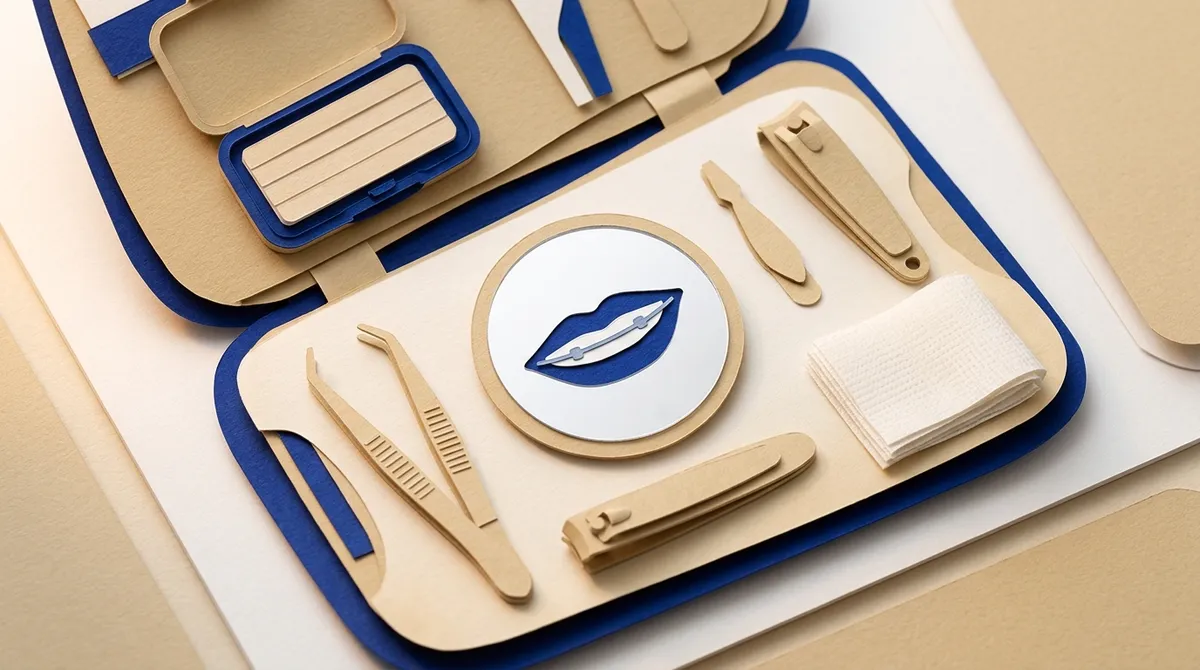
Keep a braces emergency kit stocked with orthodontic wax, sterilized tweezers, nail clippers, mirror, gauze, and your orthodontist's phone number to handle wire issues quickly when they occur at inconvenient times.
-
Wire repositioning with sterilized tweezers can work for loose (not broken) wires that have slipped out of brackets, but only if you use good lighting, don't force it, and stop immediately if you feel pain.
-
Clipping a protruding wire should be your absolute last resort—use sterilized nail clippers, hold gauze to catch the piece, and cover the cut end with wax, then call your orthodontist immediately.
-
Contact your orthodontist right away if the wire is completely loose in your mouth, a sore has developed, pain is severe, or you've swallowed a wire piece—at-home fixes are temporary bridges, not permanent solutions.
-
Prevent future wire breaks by avoiding hard and sticky foods, cutting food into small pieces, wearing a mouthguard during sports, brushing gently, and attending all scheduled appointments to keep your treatment on track.
You’re going about your day, and suddenly — ouch! A poking wire from your braces is jabbing your cheek. Sound familiar? You’re definitely not alone. Broken or protruding orthodontic wires are one of the most common braces emergencies out there, affecting up to 20-30% of patients during their treatment. That’s a lot of uncomfortable moments!
The big question is: can you fix a broken orthodontic wire at home, or do you need to rush to your orthodontist right away? The answer is actually a little of both. Some temporary fixes can give you real relief while you wait for a professional appointment. But knowing when to stop the DIY approach and call your orthodontist is just as important.
In this guide, we’ll walk you through safe at-home options, compare them side by side, and help you figure out exactly when it’s time to get professional help. Whether you’re a busy parent managing your child’s braces, a teen with a wire emergency on a Friday night, or an adult professional who can’t take time off mid-week, this is for you. Let’s get into it!
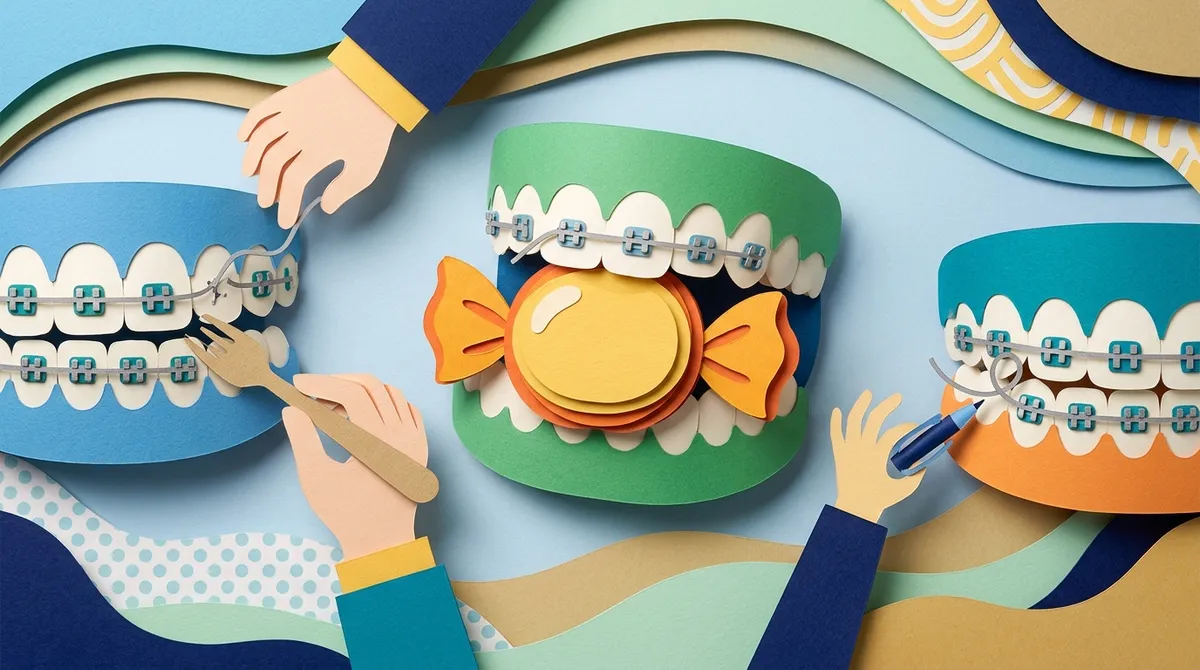
Why Do Orthodontic Wires Break or Come Loose?
Before we jump into fixes, it helps to understand what causes the problem in the first place. Knowing the “why” can actually help you prevent future wire issues too. According to the American Dental Association, orthodontic components can loosen or break for a variety of everyday reasons.
Here are the most common causes of broken or protruding orthodontic wires:
- Tooth movement: As your teeth shift during treatment, the wire may slide out of the last bracket and start poking your cheek.
- Eating hard or sticky foods: Crunchy snacks, chewy candies, and hard foods can bend or snap wires — check out the foods to avoid with braces guide from Brockway Orthodontics for a helpful list.
- Accidental impact: A bump to the face during sports or play can dislodge a wire.
- Normal wear and tear: Over time, the constant tension on wires can cause minor breakage.
- Brushing too aggressively: Rough brushing habits can slowly loosen wires from their brackets.
Understanding these causes helps you protect your braces better going forward. But right now, let’s focus on what to do when a wire has already broken.
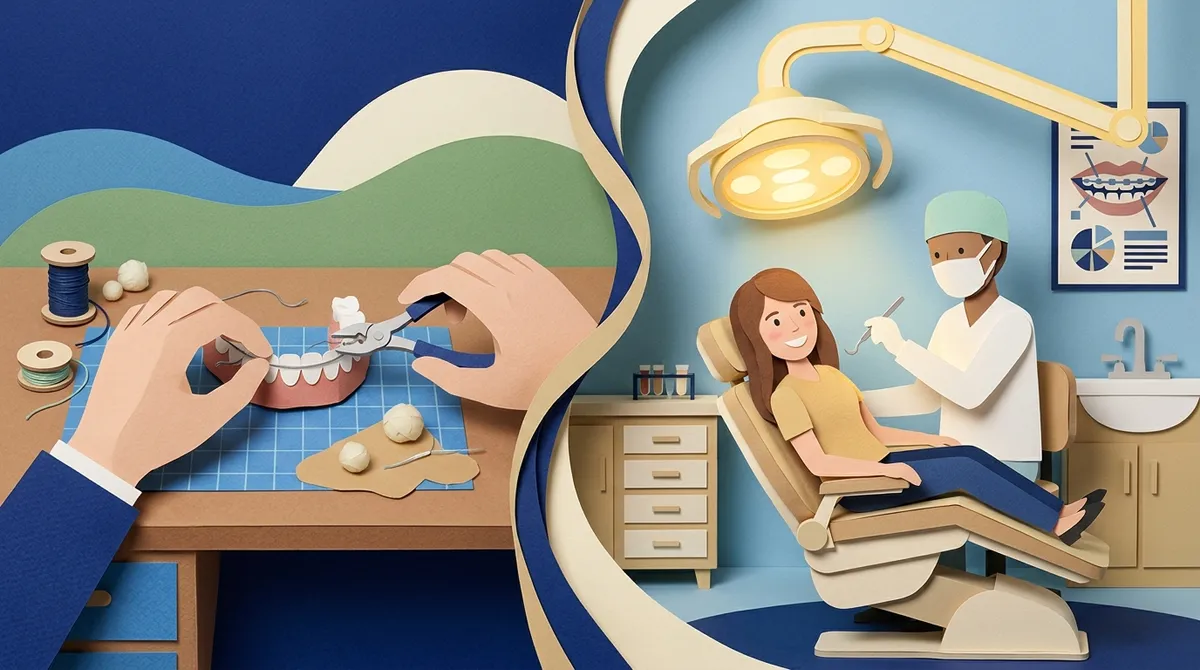
At-Home Fixes vs. Professional Repair: A Clear Comparison
When a wire breaks, you have two general paths: handle it temporarily at home, or get professional care right away. Here’s an honest look at both options so you can decide what’s right for your situation.
| Factor | At-Home Fix | Professional Orthodontist Repair |
|---|---|---|
| Speed of relief | Immediate (within minutes) | Requires appointment scheduling |
| Permanence | Temporary only | Permanent, proper fix |
| Safety level | Moderate (risk of swallowing wire pieces) | Highest — no risk of injury |
| Cost | Free or minimal (emergency kit supplies) | May be covered in treatment plan |
| Treatment impact | No positive effect on tooth movement | Keeps treatment on track |
| Best for | Weekend emergencies, mild discomfort | Any wire break, as soon as possible |
The bottom line? At-home fixes are great as a bridge to professional care — but they should never replace a visit to your orthodontist. If you’re looking for more information on what counts as a true orthodontic emergency, check out this helpful guide on emergency vs. routine orthodontics.

The 3 Main At-Home Methods: How They Stack Up
There are three main approaches most people use to handle a broken orthodontic wire at home. Each has its strengths and its limits. Let’s compare them honestly.
| Method | How It Works | Effectiveness | Risk Level |
|---|---|---|---|
| Orthodontic Wax | Cover the poking wire end with wax to protect soft tissue | High — resolves most poking wire discomfort within hours | Very Low |
| Tweezers (repositioning) | Gently guide the wire back into the bracket slot | Moderate — works best for light, flexible wires | Low (if sterilized) |
| Clipping the Wire | Trim the protruding wire end with nail clippers or cutters | Moderate — removes the source of irritation | Medium — risk of swallowing wire fragments |
As you can see, orthodontic wax is the safest and most reliable first option. It’s often all you need until your orthodontist can see you. Let’s now walk through each method step by step.

Method 1: Using Orthodontic Wax (The Best First Step)
Orthodontic wax is a soft, non-toxic material that sticks to braces and creates a smooth barrier between the wire and your cheek or gum. It’s the go-to solution recommended by orthodontic professionals everywhere, and for good reason — it’s easy, safe, and effective.
Here’s how to use orthodontic wax step by step:
- Dry the area: Use a clean tissue or cotton ball to gently dry the bracket and wire area. Wax sticks much better to dry surfaces.
- Roll a small piece of wax: Pinch off a small piece of wax (about the size of a pea) and roll it into a ball between your fingers.
- Press it over the wire: Gently but firmly press the wax ball over the poking wire end, covering it completely.
- Smooth it down: Use your fingertip to smooth the edges so the wax stays in place.
- Replace as needed: Wax may come off during eating or drinking. Reapply as necessary until you can visit your orthodontist.
Most patients find that wax provides relief within minutes. You can find orthodontic wax at most pharmacies or grocery stores. It’s an essential item to keep in your at-home braces emergency kit!
Method 2: Repositioning the Wire With Tweezers
Sometimes, the wire hasn’t broken — it’s just slipped out of the last bracket and is sticking out. In this case, you might be able to gently guide it back into position. This works best for thinner, more flexible wires (like 0.012 nickel-titanium wires used early in treatment).
Follow these steps carefully:
- Sterilize your tools: Clean a pair of tweezers with rubbing alcohol and let them dry. Never use unsterilized tools in your mouth.
- Use good lighting: Sit near a bright light source and use a small mirror. A phone flashlight works perfectly.
- Gently guide the wire: Use the tweezers to nudge the end of the wire back toward the bracket slot. Don’t force it.
- Check your comfort: If the wire settles back into place and stops poking, you’re good to go until your appointment.
- Stop if it hurts: If you feel any increased pain or resistance, stop immediately and use wax instead.
This method works well when tooth movement has caused the wire to shift. For more context on how braces work and why wires move, visit the all about braces page at Brockway Orthodontics.
Method 3: Carefully Clipping a Protruding Wire (Last Resort)
Clipping should always be your last resort. It’s more involved, carries a higher risk, and should only be done if orthodontic wax and repositioning haven’t worked. If the wire is causing serious irritation or a sore, and you can’t reach your orthodontist, here’s how to do it as safely as possible.
- Gather your tools: Use clean nail clippers or small wire cutters. Sterilize them with rubbing alcohol first.
- Prepare to catch the piece: Hold a tissue or piece of gauze near the wire end. This is critical — you don’t want to swallow the clipped piece.
- Clip quickly and carefully: Snip just the protruding end of the wire. Keep your movements controlled and avoid pulling the wire.
- Check for sharp edges: After clipping, apply orthodontic wax over the cut end to cover any remaining sharpness.
- Call your orthodontist: Even if the clipping went smoothly, contact your orthodontist as soon as possible to schedule a repair.
Important: Never try to remove or fully cut a broken archwire at home. This can disrupt your treatment progress significantly and may cause injury. If the wire feels fully detached, gently remove it and bring it to your appointment.
Your At-Home Braces Emergency Kit
Being prepared makes all the difference when a wire breaks at an inconvenient time — like a Saturday night or right before a big event. The team at Brockway Orthodontics always encourages patients to keep a small emergency kit at home. Here’s what to include:
- Orthodontic wax — the most important item by far
- Small tweezers — sterilized and stored in a clean case
- Nail clippers or small wire cutters — for last-resort wire trimming
- Small mirror — to see clearly inside your mouth
- Gauze or tissue — to catch any clipped wire pieces
- Dental floss and a soft-bristled toothbrush — to keep the area clean
- Your orthodontist’s phone number — for quick access in an emergency
Having these items ready means you can handle a minor wire issue quickly and calmly, no matter when it happens. It’s a small investment that saves a lot of stress! Learn more about managing your treatment day-to-day by reading how to get the most out of your orthodontics care.
When to Skip the At-Home Fix and Call Your Orthodontist Immediately
While temporary fixes are helpful, some situations call for immediate professional attention. Knowing when to call is just as important as knowing how to fix things yourself.
Contact your orthodontist right away if:
- The wire has snapped completely and is loose in your mouth
- You or your child has swallowed a piece of wire (seek medical attention)
- A mouth sore or ulcer has developed from the wire poking the tissue
- The pain is severe or spreading beyond the area of the wire
- You can’t safely apply wax or reposition the wire without causing more discomfort
- The bracket itself has broken off along with the wire
The Florida Association of Orthodontists strongly advises patients not to delay professional care when a wire break is accompanied by pain, injury to soft tissue, or apparent treatment disruption. When in doubt, always call your orthodontist — they’d much rather hear from you than have you suffer through it.
How Long Can You Wait After a Wire Breaks?
This is one of the most common questions patients have. Here’s a simple breakdown to help you gauge urgency:
| Situation | Urgency Level | Recommended Action |
|---|---|---|
| Wire poking cheek, manageable with wax | Low — schedule within a few days | Apply wax, call to book next appointment |
| Wire poking with developing sore | Medium — see orthodontist within 24-48 hours | Apply wax and call immediately |
| Fully broken or loose archwire | High — same day or next day visit | Call orthodontist, don’t wait |
| Wire swallowed or causing breathing issues | Emergency — seek immediate medical care | Go to emergency room or call 911 |
When you’re unsure, err on the side of caution. A quick call to your orthodontist’s office — even after hours — can help you determine the right next step. You can also explore frequently asked questions on the Brockway Orthodontics website for quick guidance.
Preventing Wire Breaks in the Future
Once your wire is repaired, you’ll want to take steps to prevent it from happening again. A few simple habits go a long way in protecting your braces throughout treatment. If you’re just getting started, it’s also worth reading about what to expect in your first week with braces so you’re prepared from day one.
Here are some easy prevention tips:
- Avoid hard, crunchy, chewy, or sticky foods during your entire treatment period
- Cut food into small pieces rather than biting directly into it
- Wear a mouthguard during sports and physical activities
- Brush gently around brackets and wires using a soft-bristled brush
- Attend all scheduled orthodontic appointments so your orthodontist can monitor wire fit
These habits not only protect your wires — they help your treatment stay on schedule so you reach that beautiful smile sooner. And if you ever want to explore whether Spark™ Clear Aligners might be a good fit for your lifestyle instead of traditional braces, the team at Brockway Orthodontics is always happy to chat about your options.
Getting Expert Help at Brockway Orthodontics
At Brockway Orthodontics, we know that orthodontic emergencies don’t always happen during office hours — and they definitely don’t wait for a convenient time. That’s why we make it easy for patients of all ages to get the care they need, when they need it. Whether it’s a broken wire for your teenager, an archwire issue you’re dealing with as an adult, or a concern about your child’s treatment, we’re here for you.
Our warm, welcoming team led by Dr. Brockway takes the stress out of these unexpected moments. We’ll make sure your wire is properly repaired, your treatment stays on track, and you leave feeling confident and comfortable. You can visit us on Google — Brockway Orthodontics to read reviews from patients who’ve experienced our care firsthand, or check out our smile gallery to see the results we help patients achieve every day.
Interested in learning more about how we help patients through every step of treatment? Explore our full range of orthodontic services or learn about our approach to adult treatment and adolescent treatment. You can also follow us on Facebook for tips, updates, and patient stories.
Conclusion: Temporary Fix or Professional Care — Know the Difference
Fixing a broken orthodontic wire at home is absolutely possible — in a temporary, get-through-the-weekend kind of way. Orthodontic wax is your best friend, tweezers can help reposition a loose wire, and clipping is an option of last resort when nothing else is working. But none of these solutions replace professional orthodontic repair.
Think of at-home fixes like a bandage — they stop the bleeding for now, but you still need to see the doctor. A broken wire left unaddressed for too long can cause soft tissue damage, slow down your treatment progress, or lead to bigger problems. And with over 4 million Americans currently wearing braces, orthodontists like our team at Brockway Orthodontics are very familiar with these situations and ready to help quickly.
Don’t let a broken wire throw you off your smile journey. Keep your emergency kit stocked, use orthodontic wax as your first line of defense, and reach out to your orthodontist as soon as possible for proper repair. You’ve got this — and we’ve got you! Ready to get your wire sorted out? Schedule your appointment with our friendly team today and let us take care of the rest.
FAQs
Q: What is orthodontic wax and how do I use it for a poking braces wire?
A: Orthodontic wax is a soft, safe material that you press over a poking wire to protect your cheek or gum. Just dry the area, roll a small piece of wax into a ball, and press it firmly over the sharp end — it’s that easy! You can find it at most pharmacies, and it’s the single most important item to keep in your at-home braces emergency kit.
Q: Can I cut my braces wire at home safely?
A: Yes, but only as a last resort and with great care! Use clean, sterilized nail clippers or wire cutters, hold gauze nearby to catch the clipped piece, and cover the trimmed end with orthodontic wax afterward. Never try to remove the full archwire yourself, and always follow up with your orthodontist as soon as possible after clipping.
Q: What should I do if my braces wire breaks on a weekend?
A: Don’t panic — this happens to so many people! Apply orthodontic wax over the poking or broken end to protect your mouth right away. If your orthodontist has an after-hours line, give them a call to assess the situation. Most mild wire issues can wait until Monday as long as you keep the area covered with wax and monitor for any sores or increased pain.
Q: Is it dangerous to leave a broken orthodontic wire untreated?
A: It depends on the situation! A wire that’s simply poking your cheek and covered with wax is unlikely to cause serious harm for a day or two. However, a fully broken or loose archwire that’s left unaddressed for too long can irritate soft tissues, cause sores, or even slow down your treatment progress — so it’s always best to see your orthodontist as soon as you can.
Q: What tools do I need in a braces emergency kit?
A: A good at-home braces emergency kit should include orthodontic wax, sterilized tweezers, small nail clippers or wire cutters, a small mirror, gauze or tissue, and your orthodontist’s phone number. Having these items ready means you can handle most minor wire issues quickly and calmly, no matter when they happen!