Key Takeaways
-
Brush with braces for 2-3 minutes after every meal and snack, not just twice daily, because food traps easily in brackets and wires before turning into plaque.
-
Use a soft-bristled toothbrush angled at 45 degrees above and below brackets with gentle circular motions, then use an interdental brush under the wire to reach areas a regular brush cannot clean.
-
Poor brushing during braces treatment causes lasting damage visible after removal, including white spot lesions, cavities, gum disease, and uneven discoloration that extends treatment time.
-
Keep a portable dental kit with toothbrush, toothpaste, and interdental brush at school or work to maintain consistency with brushing after meals throughout the day.
-
Avoid sticky foods like caramel, hard chips, and popcorn that trap easily in brackets; brush immediately after eating these foods if you cannot avoid them entirely.
-
Electric toothbrushes with built-in timers work excellently for braces and are especially helpful for kids and teens who tend to rush, though proper manual brushing technique is equally effective.
Getting braces is exciting! You’re on your way to a beautiful, confident smile. But there’s one thing that trips up a lot of new braces wearers — brushing. When you have brackets and wires in the way, your old brushing routine just doesn’t cut it anymore. Food and plaque can hide in so many new spots, and if you miss them, you risk cavities, staining, and gum problems that can slow down your treatment.
The good news? Learning how to brush with braces is totally doable. With the right tools, a simple step-by-step routine, and a little extra time each day, you can keep your teeth sparkling clean throughout your entire orthodontic journey. Whether you’re a parent helping your child, a teen just starting out, or an adult professional squeezing in oral care between meetings, this guide is here to help. Let’s dive in!
Why Brushing With Braces Is Different
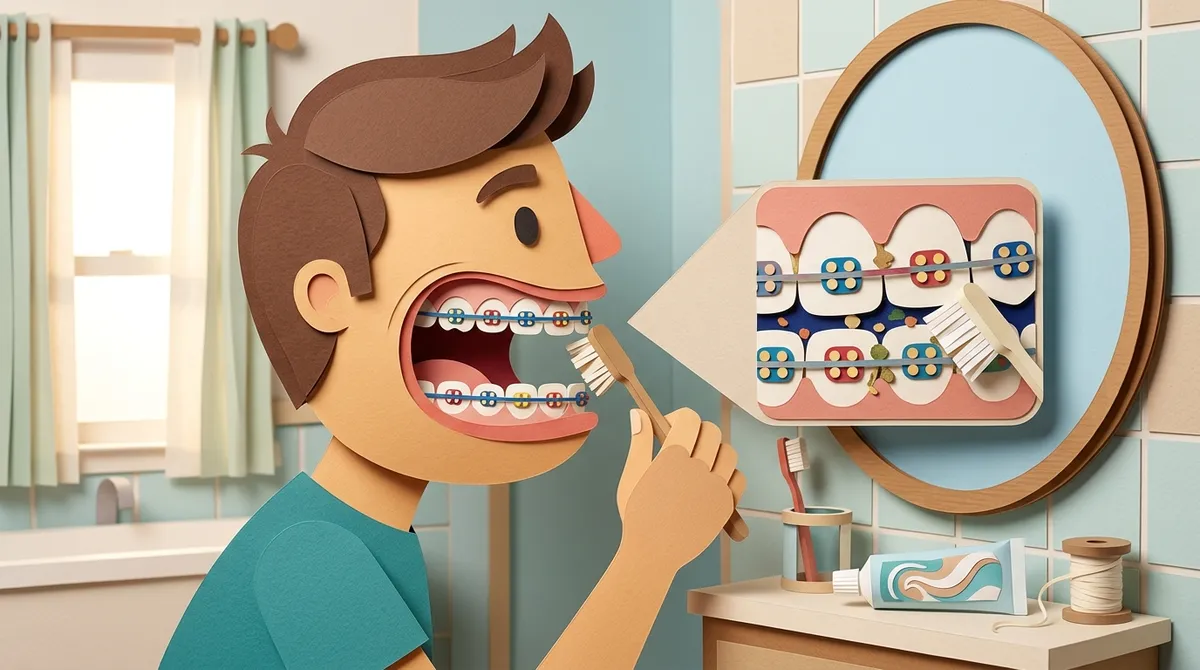
Braces add a lot of new surfaces to your mouth. Brackets sit on the front of each tooth. Wires run across them. Elastic bands hold everything together. Each of these creates tiny nooks and crannies where food debris and bacteria love to hide. If you don’t remove that buildup consistently, plaque forms and hardens into tartar — and that can lead to white spots, cavities, and inflamed gums.
Regular brushing with a standard technique simply won’t reach all these hidden areas. That’s why orthodontists — like the caring team at Brockway Orthodontics — always take the time to teach patients exactly how to brush during treatment. Good brushing habits protect your teeth so that when your braces come off, your smile is as healthy as it is straight. For a deeper look at general braces care, the American Dental Association offers excellent guidelines on oral hygiene best practices.
The Tools You Need for Brushing With Braces
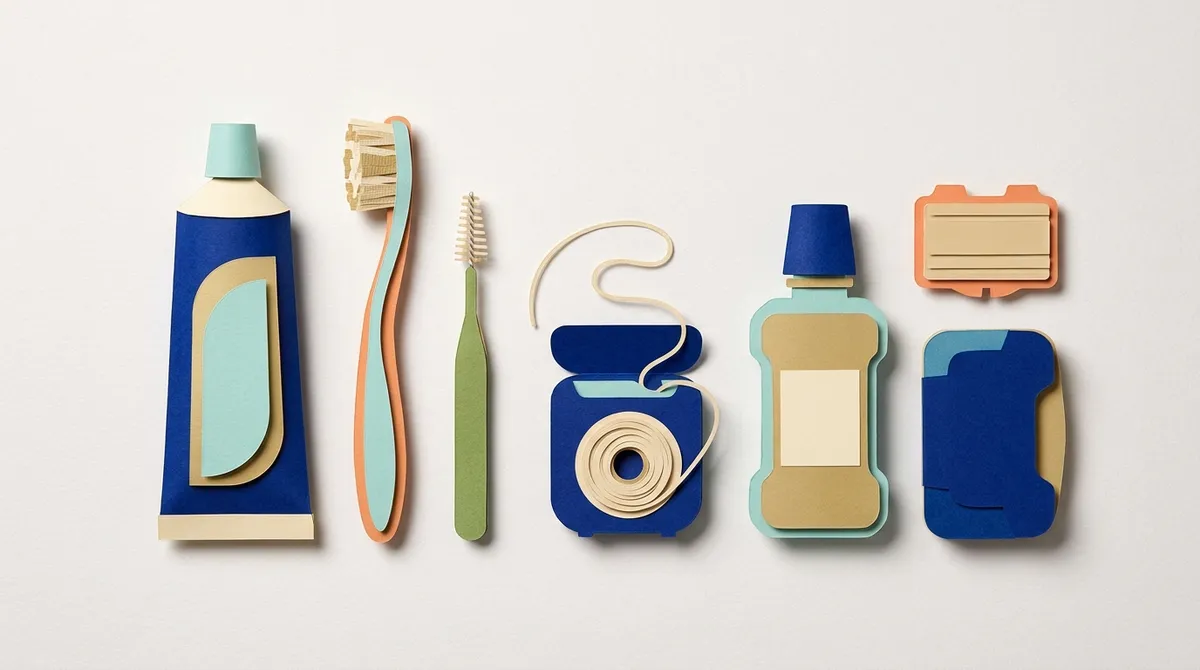
Before you start brushing, make sure you have the right tools. Using the wrong toothbrush or toothpaste can make the job harder and less effective. Here’s what works best:
- Soft-bristled toothbrush: Soft bristles clean effectively without damaging brackets or irritating gums.
- Orthodontic toothbrush or V-shaped brush: These are specially designed to brush around brackets and wires.
- Interdental brush (proxy brush): A tiny brush that slides under wires and between brackets to remove debris.
- Fluoride toothpaste: Fluoride strengthens enamel and helps prevent cavities — especially important during braces.
- Water flosser (optional but helpful): A water flosser blasts out food particles stuck around hardware.
- Floss threader or orthodontic floss: For getting floss under the wire to clean between teeth.
Having these tools within reach makes it easy to build a consistent routine. Keep everything together in a small kit — especially handy if you’re brushing at school or work!
Step-by-Step Guide: How to Brush With Braces
Here’s the key: brushing with braces takes about two to three minutes when done properly. That’s a little longer than a standard brush, but it’s absolutely worth it. Follow these steps every time you brush:
- Rinse your mouth first. Swish with water to loosen food particles stuck around your brackets and wires. This makes brushing easier and more effective.
- Apply a pea-sized amount of fluoride toothpaste. Less is more — you don’t need a huge glob. A small amount lets you brush precisely without foam getting in the way.
- Brush at a 45-degree angle above the brackets. Start with your toothbrush angled toward the gum line. Use small, gentle circular motions to clean the space between your gums and the top of each bracket. This removes plaque from the gum line where it loves to accumulate.
- Brush directly over the brackets. Hold your brush flat against the brackets and scrub gently back and forth. Make sure you’re cleaning both the front of the brackets and the tooth surface around them.
- Brush at a 45-degree angle below the brackets. Now angle your brush downward toward the bottom of each bracket. Use the same small circular motions to clean beneath the wire.
- Use an interdental brush under the wire. Insert the tiny proxy brush under the archwire between each bracket. Gently move it back and forth. This step removes debris that your regular toothbrush can’t reach.
- Brush the biting surfaces and tongue side. Don’t forget the tops of your back teeth (biting surfaces) and the inner surfaces facing your tongue. These areas still accumulate plaque just like before braces.
After brushing, do a quick check in the mirror. Look at each bracket — if you can see plaque or food, go back and brush that spot again. If you’re looking for even more tips, check out our guide on 7 Smart Steps to Brush Teeth With Braces Like a Pro.
How Often Should You Brush With Braces?
With braces, the standard twice-a-day routine isn’t quite enough. Food gets trapped so easily in brackets and wires that you need to brush more frequently. Here’s the recommended schedule:
| When to Brush | Why It Matters |
|---|---|
| After every meal | Removes food debris before it turns into plaque around brackets |
| After snacks | Sugary or starchy snacks feed bacteria quickly — brushing stops that process |
| Before bed | Overnight is the highest-risk time for plaque to harden; a thorough nighttime brush is essential |
| In the morning | Clears away bacteria that builds up while you sleep |
Ideally, brush after every meal and snack. If you’re at school or work and can’t brush, rinse vigorously with water right after eating. Then brush as soon as you can. This small habit makes a huge difference over a long treatment period. For helpful guidance on keeping up with daily oral care during treatment, the Florida Association of Orthodontists provides great patient resources.
Common Brushing Mistakes to Avoid With Braces
Even with the best intentions, people make brushing mistakes that leave their teeth vulnerable. Here are the most common ones — and how to fix them:
- Brushing too hard: Aggressive scrubbing can damage bracket adhesive and irritate gums. Use gentle, circular pressure instead.
- Skipping the gum line: This is where plaque loves to hide. Always angle your brush toward the gums as part of your routine.
- Using only one brushing angle: You need to brush above, over, and below each bracket. Using just one angle leaves spots uncleaned.
- Forgetting the interdental brush: Your regular toothbrush cannot reach under the archwire. Skip the proxy brush and you’re leaving a major area unclean.
- Rushing through it: Two to three minutes feels long, but it’s necessary. Rushing leads to missed spots and plaque buildup.
- Using whitening toothpaste: Whitening pastes can bleach the visible parts of your teeth while brackets block other areas, leading to uneven coloring when braces come off.
Avoiding these mistakes keeps your teeth healthy and your treatment on track. If you’re ever unsure about your technique, the team at Brockway Orthodontics is always happy to walk you through it at your next appointment. You can also reach out to our team with any questions between visits.
Electric vs. Manual Toothbrush: Which Is Better for Braces?
This is a popular question! Both work well, but there are some differences worth knowing:
| Feature | Manual Toothbrush | Electric Toothbrush |
|---|---|---|
| Ease of use around brackets | Good with proper technique | Excellent — does much of the work for you |
| Plaque removal | Very effective when done correctly | Slightly better for most users |
| Built-in timer | No | Yes — helps you brush the full 2 minutes |
| Cost | Very affordable | Higher upfront cost, but lasts longer |
| Best for | Those with strong brushing habits | Anyone, especially kids and teens |
An electric toothbrush can be especially helpful for kids and teens who tend to rush. The built-in timer ensures they brush long enough, and the oscillating head does a great job around brackets. That said, a soft-bristled manual brush used with the right technique works perfectly well. The key is consistency — whichever brush you use, use it regularly and thoroughly.
Don’t Forget to Floss
Brushing alone isn’t enough. Flossing removes plaque and food from between your teeth — areas your toothbrush simply can’t reach, even with braces. Here’s a quick overview of your flossing options:
- Floss threader with regular floss: Thread the floss under the archwire, then guide it between two teeth in a gentle C-shape motion. Repeat for every gap.
- Orthodontic floss picks: Pre-threaded with a stiff tip that slides under the wire easily. Convenient for on-the-go use.
- Water flosser: Uses a pressurized water stream to flush out debris from between teeth and around brackets. Not a full replacement for floss, but an excellent addition.
Floss at least once a day — preferably at night before bed. Yes, it takes a few extra minutes, but those minutes protect your teeth from cavities and gum disease that could otherwise require extra dental treatment. For more tips on protecting your smile, explore our guide on How to Brush Teeth With Braces and Keep Your Smile Healthy.
Foods That Make Brushing Harder — and What to Do Instead
Some foods are particularly tricky to clean out of braces. Knowing what to limit or avoid makes your brushing routine much easier:
| Tricky Foods to Limit | Better Alternatives |
|---|---|
| Sticky candy and caramel | Soft fruit, yogurt, or cheese |
| Hard crunchy chips or crackers | Soft crackers or cut-up soft foods |
| Chewy bread or bagels | Soft sandwich bread or tortillas |
| Popcorn (hulls get everywhere) | Puffed corn snacks without hulls |
| Sugary sodas and juices | Water with a squeeze of lemon |
When you do eat these foods, make sure to brush as soon as possible afterward. You can also check out our detailed resource on Foods to Avoid With Braces — Brockway’s Blueprint for Braces Success for a full breakdown of what’s safe to eat and what to skip.
Building a Brushing Routine That Sticks
The hardest part of brushing with braces isn’t the technique — it’s building a habit. Here are some fun, practical tips to make it easier:
- Keep a travel brush kit handy. Store a small toothbrush, toothpaste, and interdental brushes in your backpack, purse, or desk drawer for after-lunch brushing.
- Set phone reminders. A quick alarm after meals can help you remember to brush, especially early in treatment when the habit is still new.
- Use a mirror with good lighting. Check your brackets after brushing. Good lighting helps you spot any areas you missed.
- Make it a family routine. For parents, brushing alongside your child helps them stay consistent and makes it feel less like a chore.
- Track your progress. Some kids love marking off a brushing chart — it turns good oral hygiene into a fun daily goal.
The most common braces treatment mistakes often come down to inconsistent home care. Building a solid brushing routine from day one puts you ahead of the curve. You can also stay inspired by following us on Instagram at Brockway Orthodontics for daily tips and smile stories from our patients.
What Happens If You Don’t Brush Well With Braces?
It’s worth being real about this. Poor brushing during orthodontic treatment can cause lasting damage that shows up right when your braces come off — which is the worst timing. Here’s what poor brushing can lead to:
- White spot lesions: Permanent marks on teeth caused by mineral loss around brackets — very common with poor brushing.
- Cavities: Plaque buildup around brackets leads directly to tooth decay.
- Gum disease: Swollen, bleeding gums (gingivitis) from bacteria accumulation at the gum line.
- Extended treatment time: Dental problems during treatment can delay progress and add appointments.
- Discoloration: Uneven staining under and around brackets becomes visible once braces are removed.
Nobody wants to deal with these issues after working so hard toward a great smile! Good brushing habits truly protect your investment in orthodontic treatment. If you’d like to know more about what to expect throughout your braces journey, our 14 Things to Expect Your First Week With Braces is a great read. And if you’re just getting started, visit us on Google — Brockway Orthodontics to read what our patients say about their experience.
Tips Specifically for Kids, Teens, and Adults
Different patients face different brushing challenges. Here’s a quick breakdown tailored to each group:
For Parents of Kids and Young Teens
Children often lack the fine motor skills to brush effectively around braces. Supervise brushing until your child is at least 10-12 years old, and check their teeth after they’re done. For more helpful guidance, our Orthodontics for Kids: What Every Parent Should Know article covers everything you need.
For Teenagers
Teens tend to rush through brushing — especially in the morning or before going out. Remind them that their smile at the end of treatment depends on how well they care for it now. Check out our Braces for Teens: A Complete Guide to Treatment and Care for a thorough overview.
For Adults
Adults are often the most diligent brushers, but busy schedules can lead to skipping the after-lunch brush. Keep a dental kit at work to stay consistent. Our Adult Treatment page has lots of helpful information for grown-up patients navigating braces life.
Your Smile Is Worth Every Brush
Learning how to brush with braces is one of the most important things you can do to protect your smile during treatment. Yes, it takes a bit more time and a few extra tools — but the payoff is absolutely worth it. When your braces come off and you see that healthy, straight, glowing smile in the mirror, you’ll be so glad you put in the effort every single day.
At Brockway Orthodontics, we’re here to support you through every step of your treatment — including making sure you know exactly how to care for your teeth at home. Dr. Brockway and her team genuinely care about your health and your confidence, and they’re always happy to review brushing techniques with you at any visit. To get started or ask us anything, schedule your free consultation with us today — we’d love to help you on your journey to a beautiful, healthy smile!
FAQs
Q: How long should I brush my teeth when I have braces?
A: With braces, aim for two to three minutes of brushing each time — a little longer than the standard two minutes. This extra time lets you thoroughly clean above, over, and below each bracket, plus use an interdental brush under the wire. It might feel like a lot at first, but you’ll get faster as it becomes a habit!
Q: Can I use an electric toothbrush with braces?
A: Absolutely! An electric toothbrush is a great choice for braces wearers. It removes plaque effectively around brackets and many models have a built-in timer to help you brush long enough. Just make sure to use a soft brush head and let the toothbrush do the work — no need to press hard.
Q: What happens if I don’t brush well with braces?
A: Skipping good brushing during braces treatment can lead to white spots, cavities, and gum disease — and these issues often show up right when your braces come off. Plaque builds up quickly around brackets and wires, so consistent and thorough brushing every day is a must to protect your teeth and your investment in treatment.
Q: Do I still need to floss if I brush carefully with braces?
A: Yes! Brushing does a fantastic job on tooth surfaces and around brackets, but it can’t clean between your teeth. Flossing once a day — using a floss threader, orthodontic floss picks, or a water flosser — removes debris and plaque from areas your toothbrush simply can’t reach. Think of it as the finishing touch to your daily routine.
Q: How soon after getting braces should I change my brushing routine?
A: Right away! As soon as your braces are placed, your old brushing routine needs to be upgraded. The brackets and wires create new hiding spots for food and plaque immediately, so it’s important to start using the proper technique and tools from day one. Your orthodontist will walk you through the new routine at your first appointment — and it gets easier with practice every day!
Our Service Area