Key Takeaways
-
Most patients wear braces for 12-24 months; following orthodontist instructions and attending all appointments can keep treatment on track and prevent adding months to your timeline.
-
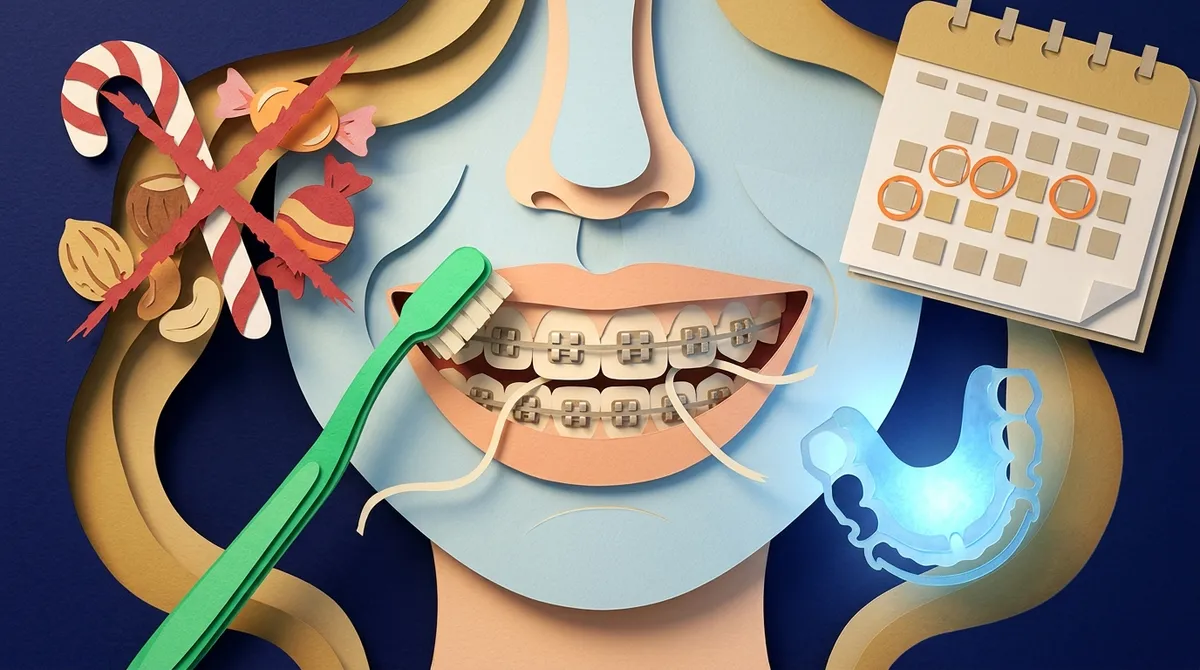
Proper daily care is critical: brush for 2+ minutes at 45-degree angles around brackets, floss daily using a threader, and avoid sticky/hard/crunchy foods that can break brackets or bend wires.
-
Attend orthodontist adjustment appointments every 6-10 weeks and continue general dentist cleanings every 6 months, as missing appointments significantly slows progress.
-
You have multiple braces options: traditional metal braces (affordable), ceramic braces (discreet), self-ligating brackets (reduced friction), or clear aligners for removable flexibility.
-
After braces are removed, consistently wearing your retainer—especially in the first year—prevents teeth from drifting back to original positions, protecting your treatment investment.
-
Beyond aesthetics, properly aligned teeth improve oral hygiene, digestion, speech clarity, and reduce jaw pain while boosting confidence in social and professional settings.
Starting your dental braces journey is genuinely exciting! Whether you’re a parent researching options for your child, a teen ready for a confidence boost, or an adult finally taking the leap toward a straighter smile, braces can truly change your life. But like anything worthwhile, getting the best results takes a little know-how. The good news? It’s not complicated. With the right habits and a great orthodontic team by your side, your treatment can go smoothly — and even faster than you’d expect.
This friendly guide walks you through everything you need to know — from understanding how braces work to daily care tips that protect your investment. Let’s dive in and set you up for a smile you’ll love showing off!
Understanding How Dental Braces Actually Work
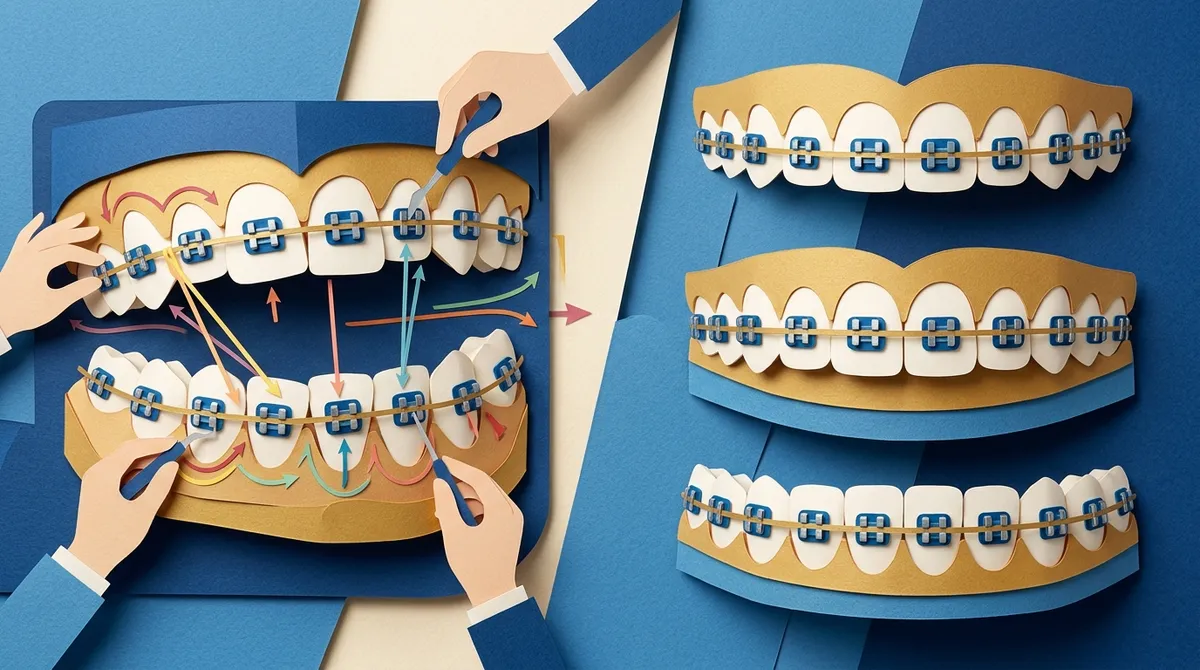
Before anything else, it helps to understand what’s happening inside your mouth during treatment. Dental braces consist of small brackets that are cemented directly onto your teeth. A thin wire runs through each bracket and is periodically tightened by your orthodontist. This gentle, steady pressure gradually shifts your teeth and jaw into proper alignment over time.
It’s a slow and purposeful process — and that’s actually a good thing! Moving teeth too quickly can harm the surrounding bone and tissue. Your orthodontist carefully plans each adjustment to make sure your teeth move safely and effectively. You can learn more about all about braces and how the process unfolds from start to finish.

How Long Will Your Treatment Take?
One of the first questions everyone asks is, “How long will I need to wear braces?” The honest answer depends on your specific situation. Most patients wear dental braces for somewhere between 12 and 24 months on average. More complex cases can take up to three years.
The good news is that following your orthodontist’s instructions — like attending all appointments and avoiding certain foods — can actually keep your treatment on track. Skipping steps or breaking brackets can add months to your timeline. Check out this helpful guide on how long braces take for a more detailed timeline breakdown.
| Treatment Complexity | Estimated Duration | Common Cases |
|---|---|---|
| Mild | 12–18 months | Minor crowding, small gaps |
| Moderate | 18–24 months | Overbite, underbite, moderate crowding |
| Severe | 24–36 months | Significant jaw misalignment, complex bite issues |
Choosing the Right Type of Braces for You
Today’s patients have more choices than ever before! Traditional metal braces remain highly effective and affordable. Ceramic (tooth-colored) braces offer a more discreet look while delivering the same results. There are also self-ligating brackets, which don’t require elastic ties and can reduce friction during tooth movement.
If you prefer a removable option, Spark™ Clear Aligners are a fantastic alternative that many teens and adults love. Not sure which option fits your lifestyle? This comparison of clear aligners vs. braces can help you make an informed decision.
| Braces Type | Visibility | Best For | Key Benefit |
|---|---|---|---|
| Metal Braces | Visible | All ages, complex cases | Most affordable, highly effective |
| Ceramic Braces | Less visible | Teens and adults | Discreet appearance |
| Self-Ligating | Varies | Patients wanting comfort | Reduced friction, fewer adjustments |
| Clear Aligners | Nearly invisible | Mild to moderate cases | Removable, easy to clean |
At What Age Should You Start Braces?
Orthodontic treatment can benefit patients of all ages — but timing matters, especially for kids. Most orthodontists recommend a first evaluation around age 7. Abnormal bites typically become noticeable between ages 6 and 12, making this window ideal for early detection. Active treatment with dental braces often begins between ages 8 and 14.
That said, adults can absolutely get braces too! In 2026, more adults than ever are choosing orthodontic treatment for both aesthetic and health reasons. If you’re a parent wondering when to start, our guide on when your child should first see an orthodontist is a great starting point. Adults curious about their options should explore adult orthodontic treatment as well.
How to Care for Your Braces Every Day
Here’s where your results are truly won or lost — daily care! Good oral hygiene habits during treatment protect your teeth and gums, ensure your brackets stay intact, and help your treatment finish on time. Here’s what the American Dental Association and orthodontic experts consistently recommend.
Step-by-Step Brushing Guide for Braces
Proper brushing takes a little more effort when you have brackets and wires to work around. Follow these steps every time you brush — ideally after every meal:
- Rinse first. Use water to loosen any food particles stuck around brackets and wires before brushing.
- Use a soft-bristled toothbrush. Hold it at a 45-degree angle to your gum line to clean above and below each bracket.
- Brush in small circular motions. Spend at least two full minutes brushing all surfaces — front, back, and chewing surfaces.
- Clean around each bracket. Angle your brush to scrub directly on top of and underneath each bracket.
- Rinse thoroughly. Use an alcohol-free fluoride or antimicrobial mouthwash to finish and kill remaining bacteria.
For a deeper dive, our team has shared 7 smart steps to brush your teeth with braces that make the routine even easier.
How to Floss With Braces
Flossing with braces feels tricky at first, but it becomes second nature quickly. Use a floss threader to guide regular floss underneath the wire and between each pair of teeth. Water flossers are also a great tool for rinsing out debris around brackets. Aim to floss at least once daily — ideally before bed.
Foods to Avoid With Dental Braces
What you eat has a huge impact on your treatment. Certain foods can bend wires, pop off brackets, and add unwanted months to your treatment plan. Here’s a quick breakdown of foods to skip while wearing braces:
- Sticky foods: Caramel, taffy, gummy candies, and chewing gum cling to brackets and are nearly impossible to clean off
- Hard foods: Nuts, hard candies, ice, and pretzels can crack brackets or snap wires
- Crunchy foods: Popcorn kernels can get lodged under wires and cause irritation or damage
- Foods you bite into: Corn on the cob, whole apples, and crusty bread — cut these into small pieces instead
- Sugary drinks: Soda and sports drinks increase the risk of cavities around brackets
The Florida Association of Orthodontists emphasizes that protecting your appliances is one of the simplest ways to stay on schedule. For a full list of safe and delicious options, explore our guide on what you can eat with braces. And if you want a deeper look at what to avoid, this resource on foods to avoid with braces has you covered.
Keeping Up With Orthodontic Appointments
Your adjustment appointments are where the real magic happens! During these visits, your orthodontist tightens or replaces the wire to keep your teeth moving in the right direction. Most patients come in every 6 to 10 weeks for adjustments, depending on their treatment plan.
You should also continue seeing your general dentist every six months for professional cleanings. Braces create extra nooks where plaque and tartar love to hide, so those cleanings are more important than ever during treatment. Missing appointments — whether with your orthodontist or dentist — can slow your progress significantly.
| Appointment Type | Frequency | Purpose |
|---|---|---|
| Orthodontist Adjustment | Every 6–10 weeks | Wire tightening, progress monitoring |
| General Dentist Cleaning | Every 6 months | Plaque removal, cavity prevention |
| Emergency Visit | As needed | Broken bracket or poking wire repair |
What to Do If Something Breaks
It happens to the best of us — a bracket pops off or a wire starts poking your cheek. Don’t panic! Here’s what to do in the most common situations:
- Broken bracket: If the bracket is still attached to the wire, leave it in place and call your orthodontist. If it’s completely loose, save it and bring it to your appointment.
- Poking wire: Use a clean pencil eraser or a cotton swab to gently push the wire flat against your tooth. Orthodontic wax can cover the sharp end temporarily.
- Loose wire: If a wire has slipped out of a bracket, try using clean tweezers to reposition it. If you can’t, clip it carefully with a clean nail clipper and call your office.
Learn more about emergency vs. routine orthodontic care so you know exactly when to call ahead and when to wait for your next appointment. Our emergency orthodontist team in Clearwater is also here for you when urgent situations come up.
Life After Braces — Retainers Matter!
Congratulations — your braces are off! But here’s something many people don’t realize: your teeth need support to stay in their new positions. That’s where retainers come in. Wearing your retainer as directed is the most important thing you can do after finishing treatment.
Teeth have a natural tendency to drift back toward their original positions — a process called relapse. Wearing your retainer consistently (especially in the first year after braces) prevents this from happening. It’s a small habit that protects a big investment! Read our helpful article on how to wear a retainer after braces for practical tips.
Benefits That Go Beyond a Straight Smile
Most people start thinking about dental braces because they want a prettier smile — and that’s a great reason! But the benefits run much deeper than aesthetics. Here’s what properly aligned teeth can do for your overall health:
- Improved oral hygiene: Straight teeth are easier to clean, reducing your risk of cavities and gum disease
- Better digestion: Proper bite alignment helps you chew food more thoroughly before swallowing
- Clearer speech: Certain bite issues can affect pronunciation — braces can help correct this
- Less jaw pain: Misaligned bites can cause jaw tension and headaches; correcting alignment often provides relief
- Greater confidence: A smile you love can positively impact your social and professional life
Curious whether braces can help with speech issues specifically? Our article on whether braces can fix a speech impediment answers that question in detail.
Why Brockway Orthodontics Is a Trusted Partner for Your Smile
At Brockway Orthodontics, we know that starting orthodontic treatment is a big decision — and we’re here to make every step feel easy and exciting. Dr. Brockway genuinely cares about each patient’s journey. She takes time to listen, explains every option clearly, and makes sure you feel confident from your very first visit to the day your braces come off.
We treat patients of all ages and offer metal braces, ceramic braces, and Spark™ Clear Aligners — so there’s truly something for everyone. We also use modern technology like digital impressions and 3D imaging to plan your treatment with precision and comfort. In many cases, we can even provide same-day braces so you don’t have to wait to get started!
Ready to take the first step? You can schedule a free consultation and discover what’s possible for your smile. You can also visit us on Google — Brockway Orthodontics to read real patient reviews and see what our Clearwater community is saying about their experience.
Financing Your Dental Braces Treatment
Worried about cost? You’re not alone — it’s one of the most common questions we hear! The good news is that orthodontic treatment is more accessible than ever in 2026. Many dental insurance plans cover a portion of braces for children and sometimes adults. Flexible payment plans can spread the remaining cost into manageable monthly amounts.
At Brockway Orthodontics, we’re committed to making great smiles affordable for every family. Explore your options through our financing and insurance page, or read our detailed breakdown of how much braces cost in 2026. You can also learn how to use dental insurance to help pay for braces so you can maximize your benefits.
Conclusion — Your Best Smile Starts Now
Getting dental braces is one of the best investments you can make in yourself or your child. With the right care habits, consistent appointments, and a supportive orthodontic team, treatment can feel smooth and even enjoyable. The key is to stay informed, stay consistent, and trust the process.
Whether you’re just starting to explore your options or you’re ready to jump in, the team at Brockway Orthodontics in Clearwater is here for you every step of the way. We love helping patients of all ages achieve healthy, confident smiles — and we’d love to help you too!
Don’t wait another day to start your journey. Book your free consultation online and let’s create the smile you deserve together!
FAQs
Q: How long do dental braces typically take to straighten teeth?
A: Most patients wear dental braces for about 12 to 24 months, though more complex cases can take up to three years. Your orthodontist will give you a personalized estimate based on your specific needs — and sticking to your care routine can help keep things right on track!
Q: What foods should I avoid while wearing braces?
A: You’ll want to steer clear of sticky foods like caramel and gum, hard foods like nuts and ice, and crunchy snacks like popcorn — these can bend wires or pop off brackets. Don’t worry though, there are still plenty of delicious foods you can enjoy safely during treatment!
Q: At what age should children start getting braces?
A: Most orthodontists recommend a first evaluation around age 7, though active braces treatment typically begins between ages 8 and 14. The earlier a potential issue is spotted, the more treatment options are available — so an early check is always a great idea!
Q: How often do I need to visit my orthodontist for adjustments?
A: Most patients come in for adjustments every 6 to 10 weeks, depending on their treatment plan. These visits are quick and important — they’re where your orthodontist fine-tunes the pressure on your teeth to keep everything moving in the right direction.
Q: What should I do if a bracket breaks or a wire starts poking?
A: If a bracket breaks, leave it in place if it’s still on the wire and call your orthodontist’s office. For a poking wire, use orthodontic wax to cover the sharp end temporarily until you can get in for a visit. Don’t stress — it happens, and your orthodontic team will have it fixed in no time!
Our Service Area