Key Takeaways
-
Schedule your child’s first orthodontic evaluation by age 7, as recommended by the American Association of Orthodontists, to catch developmental issues early when the jaw is still growing and easier to guide.
-
Watch for warning signs like early/late tooth loss, mouth breathing, crowded teeth, jaw clicking, or thumb-sucking past age 5—these indicate your child may need treatment sooner than age 7.
-
About 30% of children benefit from Phase 1 early intervention treatment (ages 6-10) using expanders and habit appliances before full braces, which can prevent more complex treatment later.
-
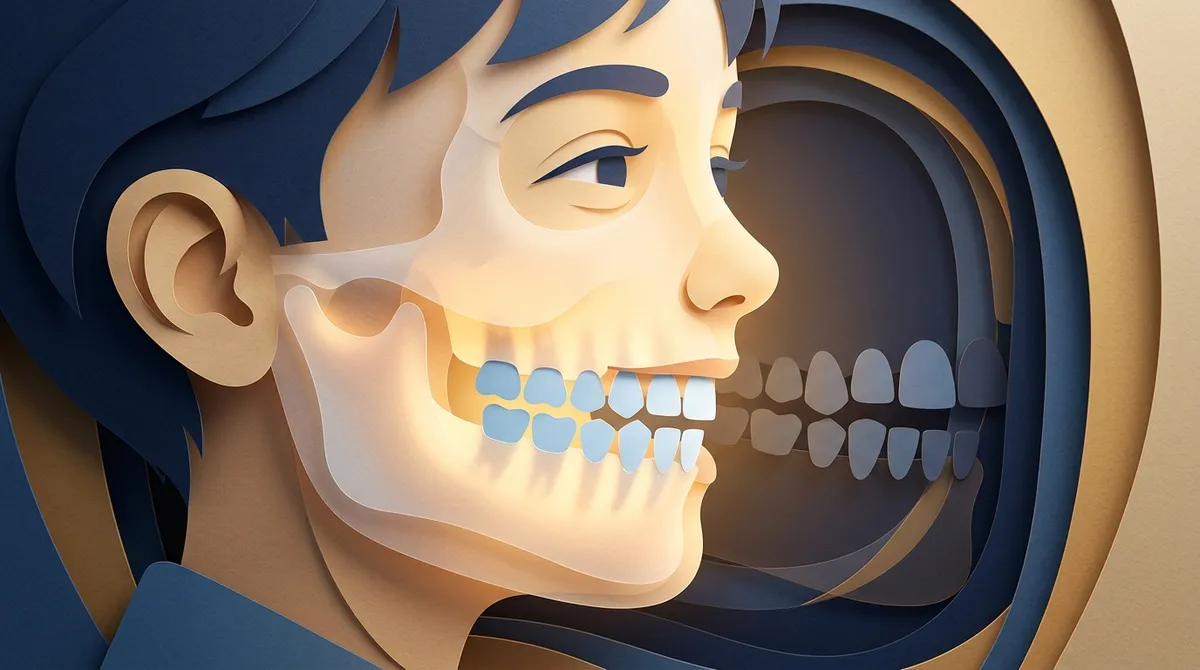
Early orthodontic treatment reduces the risk of tooth extractions, improves jaw alignment, and can enhance breathing quality by addressing mouth breathing and narrow dental arches.
-
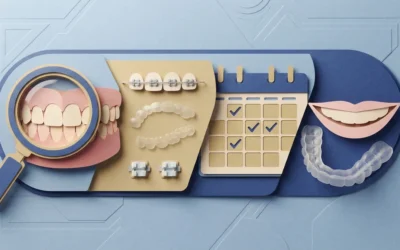
Modern treatment options include metal braces, ceramic braces, and clear aligners for teens; many practices offer flexible financing and insurance coverage to make treatment affordable for families.
-
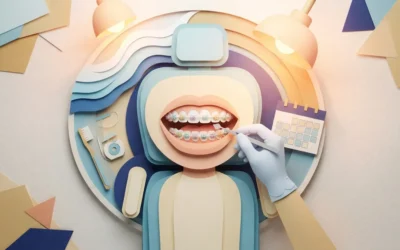
Your child’s first visit is stress-free and includes oral exam, digital X-rays, 3D imaging, and a clear treatment plan explanation—many children won’t need immediate treatment but benefit from monitoring.
As a parent, you want the best for your child — including a healthy, beautiful smile. But when it comes to orthodontic care, it can be hard to know when to take action. Should you wait until all the baby teeth are gone? Or is sooner better? The good news is that finding the right orthodontist for kids doesn’t have to be overwhelming. With the right guidance, you can set your child up for a lifetime of confident smiling. Let’s walk through everything you need to know — from the recommended age for a first visit to the signs that your child may need early treatment.

The AAO Recommendation Every Parent Should Know
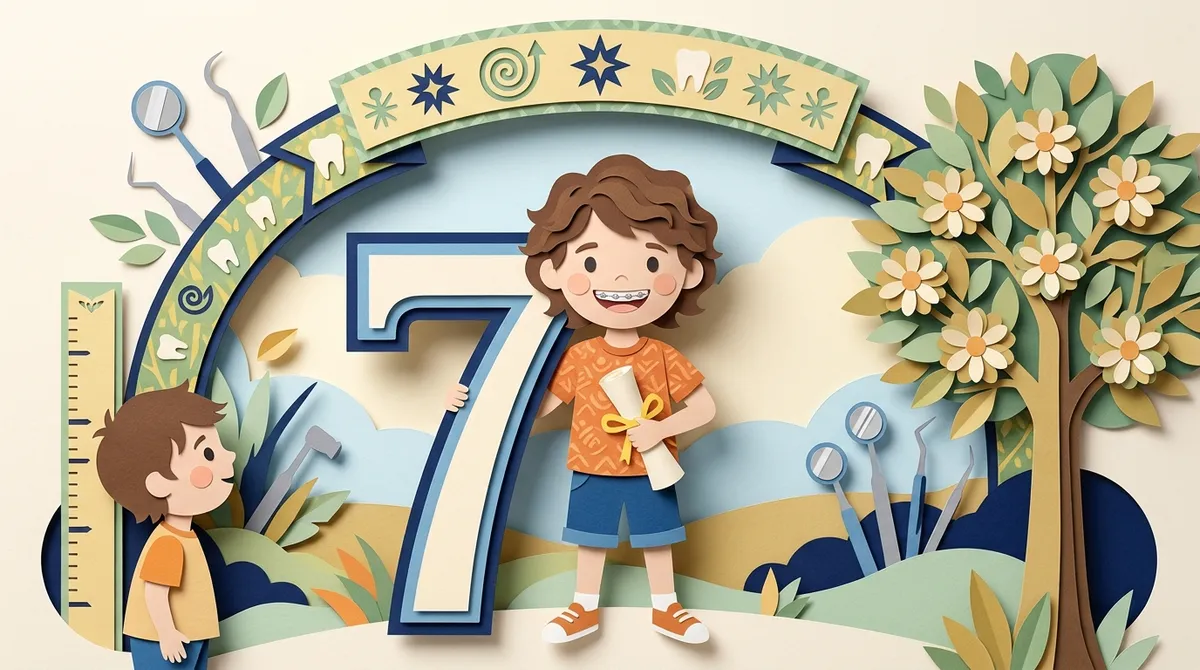
The American Dental Association and the American Association of Orthodontists (AAO) both recommend that every child receive their first orthodontic evaluation by age 7. This might seem early, especially if your child still has baby teeth. But that’s actually the point! Around age 7, kids have a mix of baby and permanent teeth. This gives an orthodontist the perfect opportunity to spot potential issues before they become bigger problems.
At this stage, an orthodontic specialist can evaluate jaw development, teeth spacing, and bite patterns. Many children won’t need treatment right away — but the evaluation gives you a clear picture of what’s ahead. You can learn more about early orthodontic treatment and why timing matters so much for long-term results.
Why Age 7 Is the Magic Number
It might seem strange to visit an orthodontist when your child still has wiggly teeth. But age 7 is a key developmental window. Here’s why it matters so much:
- The jaw is still growing and easier to guide into the right position
- There’s enough permanent teeth to assess bite patterns accurately
- Early detection can prevent the need for more complex treatment later
- Arch width issues can be addressed before all permanent teeth arrive
- Habits like thumb-sucking or mouth breathing can be evaluated and addressed
Some children may need treatment as early as age 6 — and in rare cases involving jaw alignment, even as young as age 2. On the flip side, many kids do just fine waiting until they’re 8 to 14 years old before starting braces or other orthodontic treatment. The key is getting that evaluation so you know exactly where your child stands.
Signs Your Child Might Need an Orthodontist Sooner
While every child should be seen by age 7, certain signs suggest you shouldn’t wait. Watch for these signs your child needs braces or orthodontic care earlier than expected:
- Losing baby teeth too early or too late
- Difficulty chewing or biting food
- Mouth breathing, especially during sleep
- Teeth that are visibly crowded or crooked
- Jaws that shift, click, or make noises
- Sucking their thumb or fingers past age 5
- Teeth that don’t come together properly when biting
If you notice any of these warning signs, it’s a great idea to reach out to an orthodontic team and schedule a consultation sooner rather than later. Early action can make a huge difference!
What Does an Orthodontist for Kids Actually Treat?
Pediatric orthodontics covers a wide range of dental and jaw issues. An orthodontist for kids is specially trained to diagnose and treat problems with the teeth, jaws, and facial structure. Here’s a look at the most common conditions treated:
| Condition | Description | Treatment Approach |
|---|---|---|
| Crowded Teeth | Not enough space for permanent teeth to grow in straight | Expanders, braces, or aligners |
| Overbite | Upper teeth extend too far over lower teeth | Braces or functional appliances |
| Underbite | Lower jaw protrudes forward past the upper jaw | Early intervention, braces, or jaw guidance |
| Crossbite | Upper teeth sit inside lower teeth on one or both sides | Expanders or braces |
| Open Bite | Front teeth don’t touch when biting down | Braces and habit correction |
| Spacing Issues | Gaps between teeth due to missing or extra teeth | Braces or space maintainers |
Orthodontists have specialized training beyond general dentistry. They focus specifically on facial bone structure, jaw disorders, and tooth movement. That extra expertise is exactly what your child’s growing smile needs. You can learn more about why an orthodontist differs from a dentist and what makes their care so valuable.
Phase 1 vs. Phase 2 Treatment Explained
You may have heard the terms “Phase 1” and “Phase 2” when it comes to kids’ orthodontic treatment. Don’t let the terminology confuse you — it’s actually pretty simple! Here’s a friendly breakdown:
| Phase | Age Range | Purpose | Common Treatments |
|---|---|---|---|
| Phase 1 (Early) | Ages 6–10 | Guide jaw and facial growth, address bite issues early | Expanders, partial braces, habit appliances |
| Observation Period | Ages 10–12 | Monitor tooth and jaw development as remaining teeth come in | Retainers, monitoring visits |
| Phase 2 (Full) | Ages 11–15 | Align all permanent teeth and finalize bite correction | Full braces or clear aligners |
Not every child needs Phase 1 treatment. Studies suggest about 30% of children may benefit from early intervention before age 8. The rest can wait for Phase 2 when all their permanent teeth have arrived. The important thing is that your orthodontist monitors your child’s progress along the way. Check out our page on early intervention orthodontics in Clearwater to understand why timing truly matters.
What to Expect at Your Child’s First Orthodontic Visit
First visits are fun and stress-free — we promise! Especially when you choose a welcoming, family-friendly practice. Here’s a step-by-step look at what typically happens:
- Welcome and paperwork: The team gathers your child’s health history and any concerns you have.
- Oral exam: The orthodontist examines your child’s teeth, bite, and jaw.
- Digital X-rays or 3D imaging: Modern technology like digital impressions and 3D imaging help map out a precise treatment plan — no messy molds needed!
- Assessment and recommendations: The orthodontist explains findings in simple, easy-to-understand terms.
- Treatment options: If treatment is needed, options are presented clearly, along with timeline and cost information.
- Questions and answers: You and your child get time to ask any questions before leaving.
Want to know more about what to expect? Check out our guide to your first visit at Brockway Orthodontics for a warm, informative overview of the experience.
Braces vs. Clear Aligners: What Are the Options for Kids?
Once treatment is recommended, parents often wonder which option is best for their child. The choice depends on your child’s age, the complexity of their case, and their lifestyle. Here’s a helpful comparison:
| Treatment Type | Best For | Pros | Cons |
|---|---|---|---|
| Metal Braces | Most kids ages 8–15 | Highly effective, durable, lower cost | More visible, some food restrictions |
| Ceramic Braces | Older kids and teens | Less noticeable, effective for complex cases | Slightly higher cost, can stain |
| Clear Aligners | Responsible teens with mild to moderate issues | Removable, nearly invisible, easy to clean | Requires discipline to wear 20–22 hours/day |
At Brockway Orthodontics, we offer metal braces, ceramic braces, and Spark™ Clear Aligners — a more affordable and highly effective alternative for teens who prefer a discreet option. Learn more about how to choose by reading our guide on braces vs. clear aligners for kids. You can also explore which braces are best for kids in 2026 to see what options might suit your family.
How Early Treatment Supports Healthy Jaw Development
One of the biggest benefits of seeing an orthodontist for kids early is the positive impact on jaw development. Children’s jaws are still growing, which means an orthodontist can guide that growth in a healthy direction. This is something that becomes much harder — and sometimes impossible — to achieve in adulthood.
Early orthodontic care can:
- Create more space for permanent teeth to come in correctly
- Reduce the risk of tooth extractions later on
- Correct jaw misalignment before it affects facial structure
- Help improve breathing and sleep quality by addressing mouth breathing or narrow arches
The Florida Association of Orthodontists emphasizes the importance of early evaluation and treatment for children who show signs of developing bite issues. Getting ahead of these problems is always easier than treating them later. You can also explore 3 ways orthodontics shapes healthy jaw development for a deeper dive into this topic.
How to Choose the Right Orthodontist for Your Child
Choosing an orthodontist for your child is an important decision. Here are the top things to look for:
- Specialized training: Make sure the orthodontist has extra training beyond general dentistry, specifically in facial growth and jaw correction.
- Child-friendly environment: A welcoming, fun office makes a huge difference for nervous kids.
- Modern technology: Digital imaging and 3D treatment planning lead to more precise and comfortable care.
- Clear communication: The team should explain everything in a simple, friendly way so both you and your child feel informed.
- Flexible financing: Look for payment plans that make treatment accessible for your family’s budget.
Dr. Brockway at Brockway Orthodontics checks every one of these boxes. She genuinely cares about each child’s journey and takes the time to listen to your family’s concerns. You can meet Dr. Brockway and learn about her approach to personalized, compassionate care. And if you want to hear from real families, visit us on Google — Brockway Orthodontics to read genuine reviews from parents just like you.
You can also check out our guide to finding a good pediatric orthodontist near you for more helpful tips. It’s a fantastic resource for any parent starting their search!
What About the Cost of Orthodontic Treatment for Kids?
We know cost is a big factor for families. The good news is that orthodontic care for kids is more accessible than many parents expect. Treatment costs vary based on the type of treatment, the complexity of the case, and the length of treatment. Most practices offer flexible payment plans to help spread out the cost.
Here’s a general overview of what to expect:
- Early Phase 1 treatment is often less expensive than full treatment
- Many dental insurance plans cover a portion of orthodontic costs for children
- Flexible in-house financing can make monthly payments very manageable
- Starting treatment at the right time can actually reduce overall costs by preventing more complex issues
Brockway Orthodontics offers flexible financing and insurance options to make treatment work for your family. You can also explore our page on adolescent treatment for more details on what’s included. Don’t let cost be the reason your child misses out on the smile they deserve!
Top Questions Parents Ask About Kids and Orthodontics
Still have questions? You’re not alone! Here are some of the most common things parents want to know before booking that first appointment:
- Do all children need braces? No — not every child will need orthodontic treatment. But all children should be evaluated by age 7 so any potential issues are caught early.
- Will my child be uncomfortable during treatment? Some soreness is normal after adjustments, but modern orthodontic treatment is much more comfortable than it used to be.
- How long will treatment take? It depends on the complexity of the case. Early Phase 1 treatment may last 6–18 months, while full treatment typically runs 12–24 months.
- What happens after treatment? After braces or aligners, your child will wear a retainer to keep their teeth in their new, beautiful position.
Give Your Child the Gift of a Healthy Smile
Every child deserves a smile that makes them feel confident and happy. Finding the right orthodontist for kids is one of the most important steps you can take as a parent. Whether your child needs early intervention or is ready for full braces, getting that evaluation is the smartest first move. Don’t wait until problems become more serious — early care leads to better outcomes, simpler treatment, and bigger smiles.
At Brockway Orthodontics, we love working with kids and families in the Clearwater area. Our team makes every visit fun, informative, and stress-free. You can also follow along on Instagram at Brockway Orthodontics to see our team in action and get inspired by real smile transformations. Whether you have a 7-year-old due for their first evaluation or a teenager ready for braces, we’re here to help every step of the way.
Ready to take the next step? Schedule your child’s free consultation today and let’s start building the smile they’ll love for life. We can’t wait to meet your family!
FAQs
Q: When should my child first see an orthodontist for kids?
A: The American Association of Orthodontists recommends every child have their first orthodontic evaluation by age 7. At this age, your child has a mix of baby and permanent teeth, which gives the orthodontist a great opportunity to spot any developing issues early and plan ahead!
Q: Does my child definitely need braces if I take them to an orthodontist?
A: Not at all! Many children who visit an orthodontist by age 7 don’t need immediate treatment. The evaluation simply helps your orthodontist monitor development and step in at exactly the right time if treatment ever becomes necessary. Think of it as a head start for a healthy smile!
Q: What are the signs my child might need an orthodontist sooner than age 7?
A: Keep an eye out for things like very early or very late loss of baby teeth, difficulty chewing, mouth breathing, visibly crowded teeth, or a jaw that shifts or makes clicking sounds. If you notice any of these, it’s a great idea to schedule an evaluation right away — catching issues early makes treatment easier!
Q: What types of braces are available for children?
A: Kids have several great options depending on their age and treatment needs. Traditional metal braces are the most common and very effective. Ceramic braces are a less noticeable option for older kids and teens. Clear aligners, like Spark™ Clear Aligners, work well for responsible teens who want a nearly invisible approach to straightening their smile.
Q: How can early orthodontic treatment help my child’s jaw development?
A: Early treatment allows the orthodontist to guide your child’s jaw growth while it’s still developing — something that becomes much harder to do in adulthood. This can create space for permanent teeth, correct bite issues before they worsen, and even help with breathing and sleep quality. It’s one of the best investments you can make for your child’s long-term health!
Our Service Area