Key Takeaways
-
Braces are superior for complex cases like severe crowding or bite problems, working 15-20% faster than clear aligners, while Invisalign suits mild-to-moderate cases and finishes 3-5 months quicker for straightforward alignment issues.
-
Clear aligners require high discipline with 20-22 hours daily wear time to stay on schedule, whereas braces work automatically; clear aligners also require fewer office visits (30% less) and offer easier oral hygiene without special tools.
-
Treatment costs are now comparable between options ($3,000-$7,500 range), and both deliver excellent results for teens and adults—the choice depends on case complexity, lifestyle visibility preferences, eating habits, and personal responsibility level.
-
Clear aligners provide nearly invisible treatment ideal for professionals and teens concerned with appearance, while braces require dietary restrictions and more frequent adjustments, but post-treatment retainer use is equally critical for long-term success with either option.
Trying to choose between braces and Invisalign? You’re not alone! This is one of the most common questions we hear at our Clearwater office. Parents want to know what’s best for their kids, teens want a smile that fits their lifestyle, and adults are looking for something that won’t disrupt their careers. The good news? Both options work wonders. The trick is figuring out which one fits your life, your smile goals, and your budget.
At Brockway Orthodontics, Dr. Brockway has helped countless families in Clearwater find the perfect fit between traditional braces and clear aligner options like Spark™ Clear Aligners. This guide breaks down everything you need to know, from cost to comfort to treatment time, so you can walk into your consultation feeling confident. Let’s dig into the 10 facts that matter most when comparing braces vs Invisalign.
1. Braces Still Win for Complex Cases
Traditional braces are fixed to your teeth, giving your orthodontist total control over every movement. This makes them the gold standard when you’re dealing with severe crowding, big bite problems, or teeth that need serious rotation. Orthodontists often report braces work 15-20% faster than clear aligners in these tougher cases.
If your child has significant spacing issues or a complicated bite, braces might be the smarter starting point. Dr. Brockway will walk you through your options for braces during your first visit, explaining exactly why one method might work better than another for your unique smile.
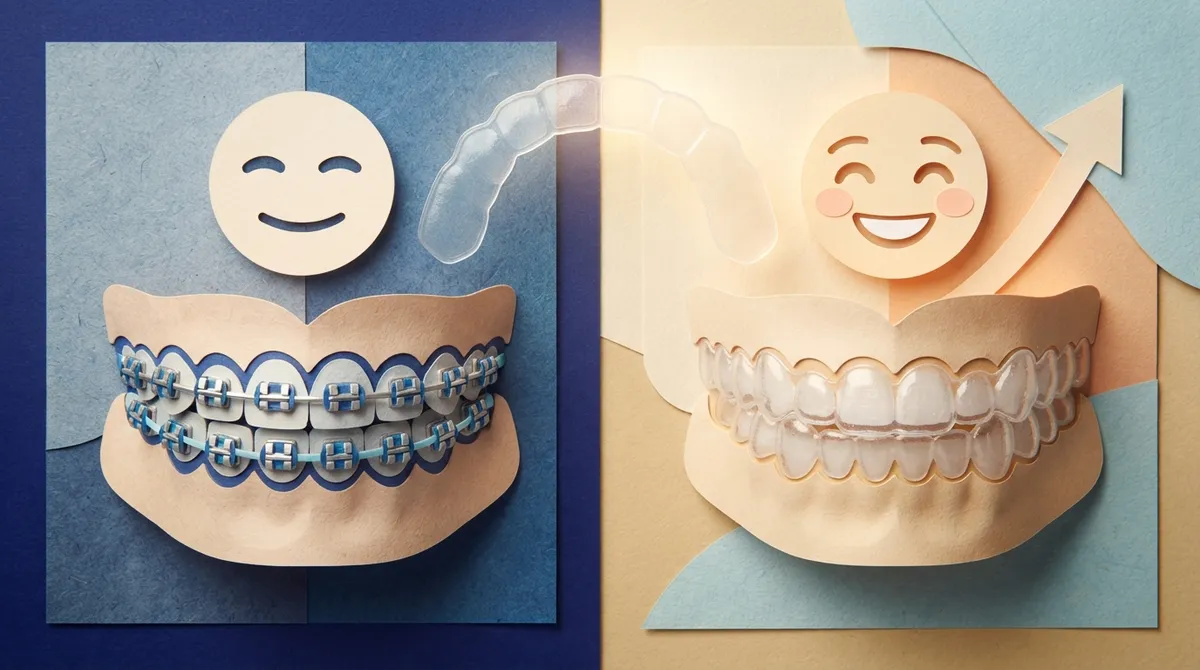
2. Invisalign Wins for Looks and Confidence
Let’s be honest, one of the biggest draws of Invisalign-style aligners is that they’re nearly invisible. For teens heading into homecoming season or professionals sitting across the table in meetings, this matters a lot. Nobody wants to feel self-conscious about metal in their smile.
Clear aligners like Spark™ blend into your daily life without shouting “orthodontic treatment” every time you smile. That’s a huge win for anyone who wants results without the visual reminder.
3. Treatment Time Depends on Your Case
Here’s something a lot of people don’t realize: treatment time isn’t one-size-fits-all. It depends heavily on what your teeth actually need.
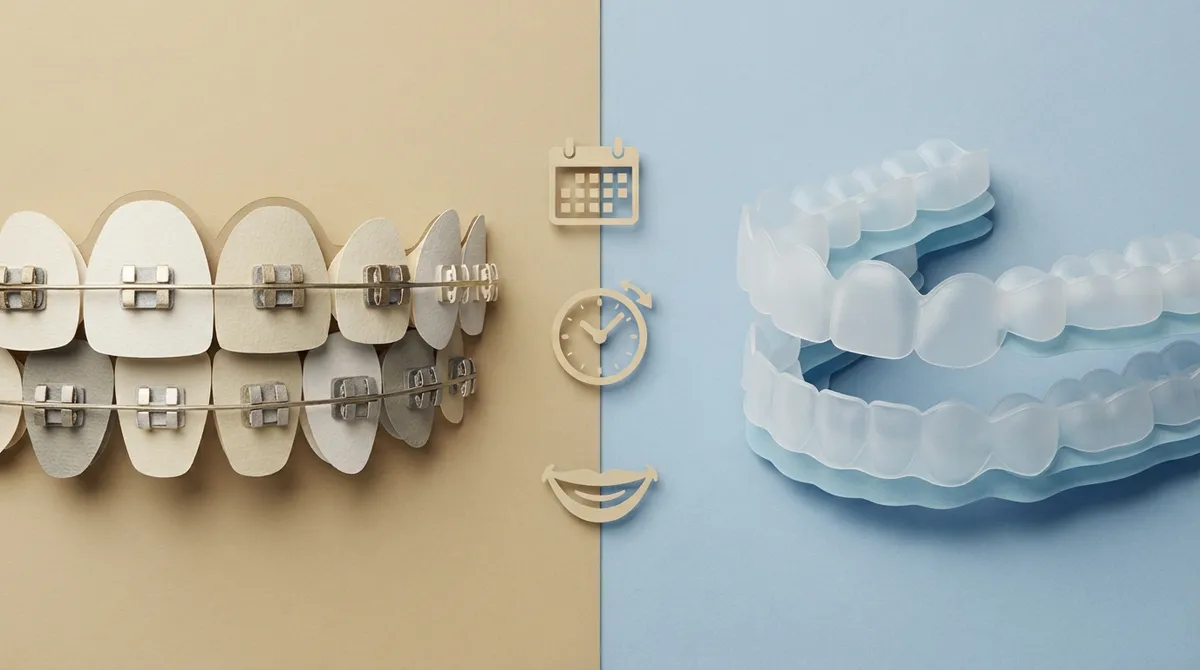
- Invisalign-style aligners: 6-18 months for most mild-to-moderate cases
- Traditional braces: 18-24 months on average, sometimes longer for complex cases
- Mild-to-moderate cases: clear aligners can finish 3-5 months faster
- Severe crowding or bite issues: braces often complete treatment quicker
The bottom line? Your specific smile goals determine which treatment gets you there faster. That’s why a personalized consultation matters so much.
4. Cost Is Closer Than You Might Think
A lot of people assume Invisalign costs way more than braces, but that’s not always true anymore. Traditional braces typically range from $3,000 to $7,500 without insurance, and many clear aligner treatments land in a similar range.
| Treatment | Average Cost Range | Treatment Time |
|---|---|---|
| Traditional Metal Braces | $3,000 – $7,500 | 18-24 months |
| Ceramic (Clear) Braces | $4,000 – $8,000 | 18-24 months |
| Spark™ Clear Aligners | Comparable to braces | 6-18 months |
Dental insurance often covers up to $3,000 of orthodontic treatment, regardless of which option you pick. Our team can walk you through financing and insurance options so cost never becomes a barrier to your best smile.
5. Oral Hygiene Is Easier With Removable Aligners
This one’s a big deal for busy parents and health-conscious patients alike. Because clear aligners pop in and out, you can brush and floss like normal. No special tools, no awkward flossing threaders.
With traditional braces, you’ll need a bit more effort. Brackets and wires create nooks where food and plaque can hide. It’s not impossible to keep clean, it just takes a little extra care and the right tools.
6. Braces Require More Frequent Office Visits
Believe it or not, Invisalign patients typically need about 30% fewer office visits compared to braces patients. That’s because clear aligners come in preplanned sets, so you’re not coming in as often for adjustments.
For busy professionals or parents juggling school schedules, fewer visits can be a huge relief. Still, regular checkups matter no matter which treatment you choose, so your orthodontist can track progress and catch anything unexpected early.
7. Discipline Matters More With Invisalign
Here’s the catch with clear aligners: they only work if you wear them. You need 20-22 hours a day of wear time for the treatment to stay on schedule. That means only taking them out to eat, drink anything besides water, and brush your teeth.
Braces don’t require this kind of daily commitment since they’re fixed in place. If you know your teen (or yourself) might struggle with discipline, that’s worth discussing honestly during your consultation.
8. Eating Habits Change With Each Option
With braces, certain foods are off-limits for the whole treatment. Think sticky candy, popcorn, and anything super crunchy that could snap a bracket.
- Braces: avoid hard, sticky, and chewy foods
- Invisalign: remove aligners to eat anything you want
- Braces: requires more careful brushing after meals
- Invisalign: rinse and pop aligners back in after cleaning teeth
If you love your snacks and don’t want to give anything up, clear aligners offer a lot more freedom at mealtime.
9. Both Options Work Great for Teens and Adults
Whether you’re considering treatment for your teenager or exploring adult orthodontic options, both braces and clear aligners can deliver beautiful results. The right choice really comes down to lifestyle, complexity of the case, and personal preference.
- Consider your daily schedule and how much responsibility you can handle
- Think about your career or social life and how visible you want treatment to be
- Talk to your orthodontist about the complexity of your specific case
- Factor in your budget and insurance coverage
- Ask about treatment timelines for your unique smile goals
Dr. Brockway takes time during every consultation to walk through these factors with patients of all ages, making sure the final decision feels right for you.
10. A Trusted Orthodontist Makes All the Difference
At the end of the day, the treatment plan only works as well as the orthodontist guiding it. Dr. Brockway brings years of specialized training to every case, whether it’s a straightforward teen smile or a complex adult bite correction.
Our Clearwater office uses modern technology, including digital impressions and 3D imaging, so your treatment plan is precise from day one. We also offer same-day treatment options for patients with certain needs, because we know life gets busy. You can see what our Brockway Orthodontics patients say on Google to get a feel for the warm, welcoming care our families receive every day.
Braces vs Invisalign: Quick Comparison Table
| Feature | Traditional Braces | Clear Aligners (Spark™) |
|---|---|---|
| Visibility | Visible metal or ceramic | Nearly invisible |
| Removability | Fixed, not removable | Removable for eating and cleaning |
| Best For | Complex cases, severe crowding | Mild to moderate alignment issues |
| Daily Discipline | Low, always working | High, needs 20-22 hrs/day wear |
| Office Visits | More frequent | Fewer visits needed |
How to Decide What’s Right for Your Smile
The honest truth is there’s no universal winner between braces and Invisalign. It depends on your specific bite, your age, your lifestyle, and even your personality. That’s exactly why a personalized consultation matters so much before committing to a treatment plan.
Our team recommends starting with your first visit, where we’ll take a close look at your teeth, discuss your goals, and recommend the option that fits your life best. According to the American Dental Association, early evaluation and personalized treatment planning lead to the best long-term outcomes for orthodontic patients of all ages.
What Happens After Treatment?
No matter which option you choose, retention is key to keeping your smile straight for life. We’ll fit you with custom retainers once your active treatment wraps up, helping protect your investment for years to come. Skipping this step is one of the most common regrets we hear from patients who relapse and need retreatment later in life.
The Florida Association of Orthodontists emphasizes that consistent retainer use is one of the biggest factors in long-term orthodontic success. We’ll make sure you know exactly how and when to wear yours.
Why Clearwater Families Choose Brockway Orthodontics
Dr. Brockway isn’t just another orthodontist in Clearwater, she genuinely cares about the journey each patient takes toward their new smile. From the moment you walk in, our team listens to your concerns, answers your questions, and creates a plan tailored just for you.
- Personalized treatment plans for every age and case complexity
- Modern technology including digital impressions and 3D imaging
- Same-day treatment options for qualifying cases
- A warm, family-focused office atmosphere
- Flexible financing to fit real-life budgets
- Deep community roots right here in Clearwater, Florida
Follow along with our latest smile transformations and patient stories on Instagram or connect with us on Facebook to see why so many local families trust us with their smiles.
Ready to Start Your Smile Journey?
Choosing between braces and Invisalign doesn’t have to feel overwhelming. With the right guidance from an experienced Clearwater orthodontist, you’ll feel confident in whichever path you choose. Our full range of services means we can support your unique smile goals, whatever they may be.
Ready to find out which treatment fits your smile best? Book your free consultation online today and let Dr. Brockway and our friendly team guide you toward a smile you’ll love. Or if you have questions first, feel free to reach out to our team, we’re always happy to help!
FAQs
Q: Is Invisalign as effective as braces for severe crowding?
A: For mild to moderate crowding, clear aligners work great! But for severe crowding or complex bite issues, traditional braces often get the job done faster and with more precision. Dr. Brockway can tell you exactly which option fits your case during a friendly consultation.
Q: How much does Invisalign cost compared to traditional braces?
A: Good news, the costs are pretty similar! Braces typically range from $3,000 to $7,500, and clear aligners like Spark™ often fall in a comparable range. Many insurance plans cover a good chunk of either treatment too.
Q: Which treatment is faster: Invisalign or braces?
A: It really depends on your case. Clear aligners often finish 3-5 months faster for mild to moderate issues, while braces can be 15-20% quicker for severe crowding or bite corrections. Your orthodontist will map out a realistic timeline just for you.
Q: Is Invisalign more comfortable than metal braces?
A: Many patients find clear aligners more comfortable since there’s no metal poking your cheeks or lips. That said, braces have come a long way too, and modern brackets are smoother and gentler than ever before.
Q: Which is better for teenagers: braces or Invisalign?
A: Both work wonderfully for teens! It really comes down to responsibility and lifestyle. If your teen can commit to wearing aligners 20-22 hours a day, clear aligners are a fantastic discreet option. If not, braces might be the more reliable choice.
Our Service Area