
Key Takeaways
-
Insurance can cover up to $3,000 of orthodontic treatment, but many patients never ask—verify your benefits and check FSA/HSA eligibility before assuming you’ll pay the full cost.
-
At-home aligner kits ($1,000-$3,000) cost less upfront but lack professional monitoring, often leading to problems that require switching to professional care and paying twice.
-
Invisible braces pricing ranges dramatically ($1,800-$10,000+) based on complexity, type, and provider—getting a professional consultation is the only way to avoid sticker shock.
-
Retainers ($99+) are mandatory post-treatment costs to prevent teeth from shifting back, but many practices bundle them into the initial treatment plan—ask upfront for clarity.
Thinking about invisible braces but worried about the price tag? You’re not alone. Most parents, professionals, and teens who walk through our doors in Clearwater have the exact same question buzzing in their heads: how much is this really going to cost me? The good news is that understanding invisible braces cost doesn’t have to feel overwhelming, and once you know what to look for, you can avoid the common money traps that catch so many patients off guard.
In this friendly guide, we’re breaking down five costly mistakes people make when budgeting for invisible braces. We’ll also share real numbers, smart questions to ask, and practical tips so you can plan your smile journey with confidence. Whether you’re a parent researching options for your teen or an adult professional ready to finally fix that smile, this article is for you. Let’s dig in!
What Are Invisible Braces, Exactly?
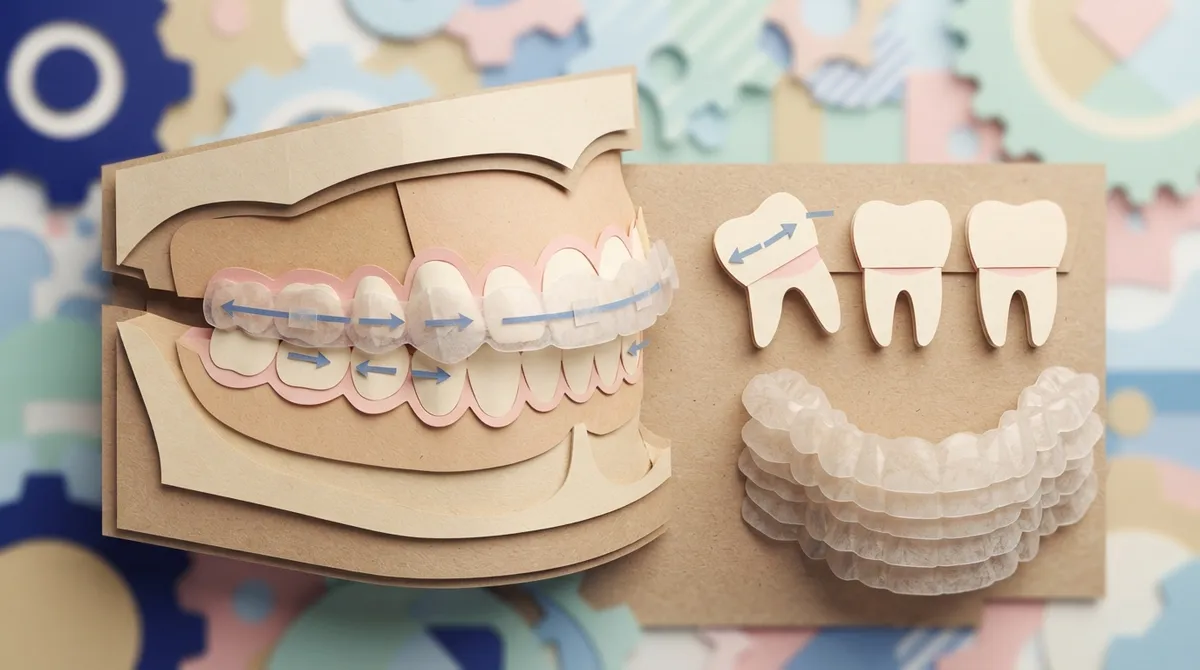
Before we talk dollars and cents, let’s get on the same page. “Invisible braces” is really an umbrella term. It usually includes clear aligners, ceramic (tooth-colored) braces, and lingual braces that sit behind your teeth. At Brockway Orthodontics, we offer Spark™ Clear Aligners as a comfortable, budget-friendly option, along with ceramic braces for patients who want something discreet but sturdy.
Each option has its own price range, treatment timeline, and level of visibility. Knowing the differences helps you make a smart choice instead of just picking whatever sounds trendy. Let’s look at typical pricing before we get into the mistakes to avoid.
Typical Invisible Braces Cost Ranges
| Treatment Type | Typical Cost Range | Average Treatment Time |
|---|---|---|
| Clear Aligners (in-office) | $3,000 – $8,000 | 6-18 months |
| At-Home Aligner Kits | $1,000 – $3,000 | 4-12 months |
| Ceramic Braces | $4,000 – $8,500 | 18-24 months |
| Lingual Braces | $8,000 – $10,000+ | 18-36 months |
Notice that huge range? That’s exactly why so many patients get confused, and why mistake number one below trips up so many families.

Mistake 1: Assuming All Invisible Braces Cost the Same
Here’s a big one. Many people hear “invisible braces cost around $5,000” and assume that’s the price no matter what they choose. But that’s simply not true. The national average cost of clear aligners without insurance is reported around $5,108, with prices ranging from $1,800 to $8,100 depending on your case.
Your actual invisible braces cost depends on several things:
- How crowded or misaligned your teeth are
- Whether you need upper, lower, or both arches treated
- The brand and technology used (like Spark™ aligners)
- Your orthodontist’s experience and location
- Whether you need any extra steps, like attachments or refinements
Skipping a real consultation and guessing your cost based on a friend’s experience is a recipe for sticker shock. Every smile is different, so every price is different too.
Mistake 2: Choosing At-Home Kits Without Understanding the Trade-Offs
At-home aligner kits look tempting because they’re cheaper, often starting around $1,000 to $3,000. But here’s the catch: cheaper isn’t always better, especially when it comes to your teeth and bite.
Without an orthodontist checking your progress in person, problems can go unnoticed. A bite that’s shifting the wrong way, gum irritation, or aligners that don’t fit properly can turn into bigger (and pricier) issues down the road. That’s why many patients end up switching to professional care after starting with an at-home kit, which means they pay twice.
- Research whether your case is simple enough for at-home treatment
- Ask if in-person monitoring is included, not just video check-ins
- Compare the total cost, including refinements and retainers
- Read reviews about what happens if something goes wrong
- Consider scheduling a professional consultation first to know your real needs
If you want the comfort of clear aligners without cutting corners, Spark™ Clear Aligners from Brockway Orthodontics offer professional supervision at a more accessible price point than many premium brands.
Mistake 3: Forgetting to Check Insurance and Financing Options
This mistake costs patients real money every single day. Many people assume their dental insurance won’t help with invisible braces, so they never even ask. But some plans cover a portion of orthodontic treatment, sometimes up to $3,000, according to industry sources.
Before you rule out insurance, take these steps:
- Call your insurance provider and ask specifically about orthodontic coverage
- Ask your orthodontic office to help verify your benefits
- Check if you have a Flexible Spending Account (FSA) or Health Savings Account (HSA) you can use
- Ask about in-house payment plans that break costs into manageable monthly amounts
At Brockway Orthodontics, our team is happy to walk you through your financing and insurance options so you’re not leaving money on the table. We believe every family deserves a straighter smile without unnecessary financial stress.
Common Ways to Lower Your Invisible Braces Cost
- Use dental insurance benefits, even partial coverage helps
- Set up a monthly payment plan instead of paying in full upfront
- Use pre-tax FSA or HSA dollars
- Ask about seasonal promotions or new patient specials
- Choose a provider who offers transparent, all-inclusive pricing
Mistake 4: Overlooking Hidden Costs After Treatment
You finally finish your invisible braces treatment. Your smile looks amazing. But wait, there’s one more cost many people forget about: retainers. Post-treatment retainers are often priced around $99, and you may need replacements over time as they wear out.
Skipping this step, or losing your retainer and not replacing it quickly, can undo months of hard work. Your teeth naturally want to shift back, so retainers are not optional; they’re part of the total invisible braces cost picture.
Here’s what to plan for after your active treatment ends:
- Initial retainer cost (often included in your treatment plan)
- Replacement retainers if lost or damaged
- Periodic check-up visits to confirm your smile is staying put
Ask your orthodontist upfront whether retainers are bundled into your treatment cost or billed separately. Clear answers now save surprises later.
Mistake 5: Picking a Provider Based on Price Alone
We get it, budget matters. But choosing the cheapest option without considering experience, technology, and personalized care can actually cost you more in the long run. Poorly fitted aligners or rushed treatment plans can lead to relapse, meaning you might need retreatment down the road.
When comparing invisible braces cost between providers, also weigh these factors:
- Is the provider a board-certified orthodontist, not just a general dentist?
- Do they use modern technology like digital scans and 3D treatment planning?
- Will you have consistent access to your orthodontist throughout treatment?
- What do real patient reviews say about their results and experience?
- Does the practice offer a genuine consultation to assess your specific needs?
At Brockway Orthodontics, Dr. Brockway takes time to really listen to your goals before recommending any treatment. Our Clearwater practice uses digital impressions and 3D imaging so your plan is precise from day one, helping you avoid costly do-overs.
Comparing Invisible Braces Options at a Glance
| Option | Best For | Visibility | Relative Cost |
|---|---|---|---|
| Clear Aligners (Spark™) | Teens and adults wanting discretion | Very low | $$ |
| Ceramic Braces | Patients needing more complex correction | Low | $$$ |
| Lingual Braces | Patients wanting zero visible hardware | None (hidden) | $$$$ |
| At-Home Kits | Very mild cases only | Very low | $ |
As you can see, the “best” choice really depends on your goals, your bite, and your budget. This is exactly why a real consultation matters more than guessing based on online price charts.
Why Personalized Care Matters for Your Investment
Every smile tells a different story, and cookie-cutter pricing simply doesn’t work in orthodontics. According to the American Dental Association, individualized treatment planning leads to better long-term outcomes and fewer complications. That’s a big part of why we take a personalized approach at our Clearwater office.
The Florida Association of Orthodontists also emphasizes choosing a qualified specialist for orthodontic care, not just the lowest bidder. When your provider understands your unique needs, you’re less likely to face unexpected costs mid-treatment.
We treat patients of all ages and backgrounds, including:
- Parents seeking early treatment options for kids and teens
- Busy professionals wanting discreet, efficient solutions
- Adults returning for retreatment after relapse
- Health-conscious patients with more complex dental needs
How to Get an Accurate Invisible Braces Cost Estimate
The only real way to know your exact invisible braces cost is through a professional consultation. Here’s what typically happens during that visit:
- A friendly conversation about your smile goals and concerns
- Digital scans or X-rays to assess your teeth and bite
- A personalized treatment plan tailored to your needs
- A clear, itemized cost breakdown with no hidden surprises
- A discussion of financing, insurance, and payment plan options
You can learn more about what to expect by visiting our first visit page, or explore our full range of services to see which option fits your lifestyle best.
Ready to Get Your Real Cost Estimate?
Avoiding these five common mistakes puts you in a much better position to plan your invisible braces journey with confidence. Remember, the goal isn’t just finding the cheapest option, it’s finding the right fit for your smile, your budget, and your life.
Curious what our patients say about their experience? Feel free to visit us on Google — Brockway Orthodontics and see real reviews from families right here in Clearwater. You can also follow our journey and patient smiles on Facebook or check out our latest smile transformations on Instagram.
Ready to get a clear, honest answer about your invisible braces cost? Book your free consultation online today, or feel free to contact our friendly Clearwater team with any questions. We can’t wait to help you start your journey toward a smile you’ll love showing off!
FAQs
Q: How much do invisible braces cost without insurance?
A: Without insurance, invisible braces typically run between $1,800 and $8,500 depending on the type you choose and how complex your case is. Clear aligners like Spark™ often fall in the middle of that range, while lingual braces tend to cost more. The best way to know your exact number is to come in for a friendly consultation!
Q: Are invisible braces cheaper than traditional braces?
A: It really depends on the type of invisible option you pick. Clear aligners are often similar in price to traditional metal braces, while ceramic and lingual braces can cost more. We’re always happy to break down the numbers so you can compare apples to apples.
Q: Does dental insurance cover invisible braces?
A: Many dental insurance plans do offer some orthodontic coverage, sometimes up to $3,000, so it’s worth checking before you assume you’re on your own. Our team can help you verify your benefits so you don’t miss out on savings you’re entitled to.
Q: How much do at-home clear aligners cost compared with in-office treatment?
A: At-home aligner kits usually start around $1,000 to $3,000, which is cheaper upfront than in-office treatment. However, they skip professional monitoring, which can lead to bigger problems (and bigger bills) later. We always recommend a real consultation first, even if you’re considering an at-home option.
Q: What financing options are available for invisible braces?
A: We offer flexible monthly payment plans so you can spread out your investment instead of paying everything upfront. We also help patients use FSA or HSA funds and check insurance benefits to lower out-of-pocket costs. Just ask us during your visit, we love helping families find a plan that fits their budget!
Our Service Area