Key Takeaways
-
Permanent retainers can last up to 20 years if properly maintained, but require regular dental checkups and careful brushing/flossing around the wire to prevent weakening of the bond.
-
Clinical research shows no clear evidence that permanent retainers work better than removable ones overall; the best choice depends on individual relapse risk, lifestyle, and whether you struggle with nightly retainer compliance.
-
Average cost is around $500 per arch (ranging $100-$1,000+), and combining both permanent and removable retainers is a common strategy to protect high-relapse areas while maintaining flexibility elsewhere.
-
Permanent retainers are especially beneficial for patients with significant crowding history, developing teen jaws, or busy adults who need a ‘set and forget’ solution that requires no daily discipline.
So your braces are finally off, or your last Spark™ aligner tray is done. Congratulations! But here’s the thing your teeth don’t know the party is over. They actually want to drift back toward their old positions, a sneaky process called relapse. That’s where a permanent retainer comes in, and it might be one of the best tools for protecting your new smile for years to come.
At Brockway Orthodontics, we get lots of questions about permanent retainers from parents, teens, and adults alike. Is it really permanent? How do you clean around a wire you can’t take out? Is it worth the extra care? We’re breaking down everything you need to know, in simple terms, so you can feel confident about your retention plan. Whether you’re wrapping up treatment with braces or Spark™ Clear Aligners, this guide will help you protect your investment.
What Exactly Is a Permanent Retainer?
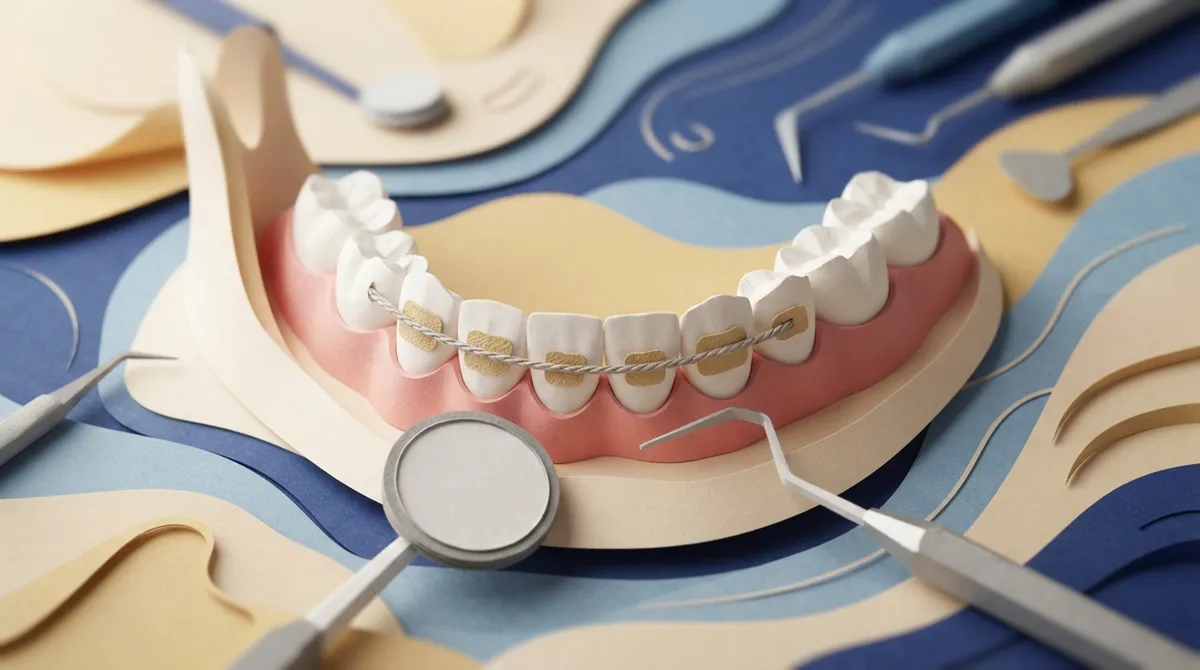
A permanent retainer is a thin metal wire. It’s bonded to the back of your front teeth, usually the lower ones. Dentists and orthodontists also call it a fixed retainer or bonded retainer.
Unlike a removable retainer you pop in and out, this one stays put. Only a dental professional can remove it. It sits on the tongue-side of your teeth, so most people won’t even notice it’s there.
Why Do Orthodontists Recommend Them?
The main job of a permanent retainer is simple: keep your teeth from shifting back. After months or years of wearing braces or aligners, your teeth are in a new spot, but they haven’t fully “settled” yet. A fixed retainer acts like a tiny anchor, holding everything in place while your bone and gum tissue adjust.
Here are the top reasons orthodontists like Dr. Brockway suggest them:
- They work around the clock, so there’s no risk of forgetting to wear them.
- They’re nearly invisible to others since they sit behind your teeth.
- They can last a very long time with proper care.
- They’re especially helpful for patients with a higher risk of relapse.
- They don’t require nightly discipline like removable trays do.
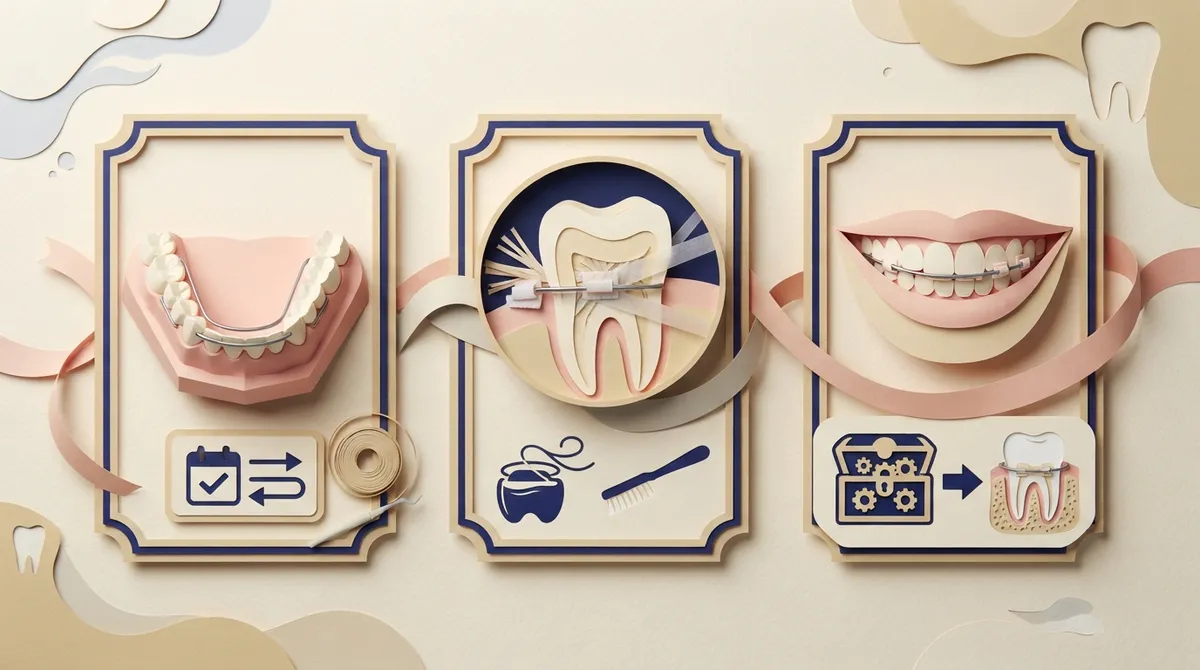
3 Key Facts About Permanent Retainers Every Patient Should Know
Let’s break down the three most important things to understand before or after getting a permanent retainer.
1. They Can Last for Decades, But Not Without Care
Good news: permanent retainers can stay in place for a long time. Some patient-facing medical reviews note they may last up to 20 years if the wire and bonding stay healthy. But that doesn’t mean you can ignore them.
The bond holding the wire to your teeth can weaken over time. Chewing on hard foods, grinding your teeth, or skipping regular dental checkups can cause the wire to loosen or break. Regular visits to your orthodontist help catch small problems before they become big ones.
2. Cleaning Takes a Little Extra Effort
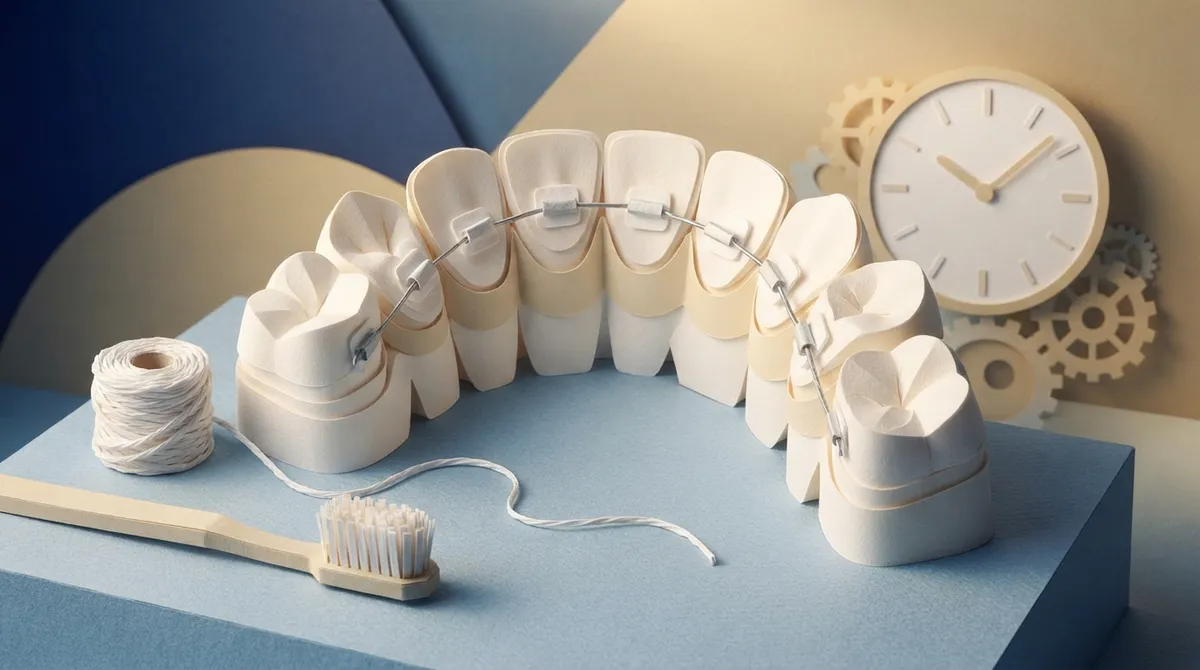
Because the wire is bonded to your teeth permanently, brushing and flossing get a bit trickier. Food particles and plaque love to hide around the wire, so you’ll need to be more thorough than usual.
Here’s a simple routine that works well:
- Brush twice daily, angling your toothbrush to reach behind the wire.
- Use a floss threader or water flosser to clean between teeth and under the wire.
- Consider an interdental brush for tight spots the floss can’t reach.
- Rinse with an antibacterial mouthwash to reduce bacteria buildup.
- Visit your dentist and orthodontist regularly for professional cleanings.
The American Dental Association recommends consistent daily hygiene habits for anyone with fixed dental appliances, and a permanent retainer is no exception.
3. Fixed Retainers Aren’t Automatically “Better” Than Removable Ones
This might surprise you: clinical research reviews have found there is inadequate evidence to say fixed retainers work better overall than removable retainers. The right choice really depends on your individual case, your risk of relapse, and your lifestyle.
Some patients do great with a removable retainer worn nightly. Others, especially those who struggled with crowding before treatment, benefit more from a permanent option. This is exactly why a personalized consultation matters so much. Our team can walk you through your options during your first visit or a follow-up retention appointment.
Permanent Retainer vs. Removable Retainer: A Quick Comparison
| Feature | Permanent (Fixed) Retainer | Removable Retainer |
|---|---|---|
| Who removes it | Only a dental professional | Patient removes it daily |
| Visibility | Hidden behind teeth | Can be visible, especially clear trays |
| Daily effort | Low; no need to remember to wear it | Requires consistent nightly wear |
| Cleaning | More detailed brushing and flossing | Simple to remove and clean separately |
| Typical lifespan | Can last many years, up to 20 | Varies, often replaced periodically |
| Best for | Higher relapse risk, lower teeth | General maintenance, upper arch |
How Much Does a Permanent Retainer Cost?
Cost is always a fair question, and we believe in being upfront about it. According to dental industry estimates, a permanent retainer costs about $500 per arch on average. The full price range can run from around $100 to over $1,000 for both arches, depending on your case and location.
Several things affect the final price:
- Whether you need one arch or both.
- The complexity of your bite and alignment history.
- Whether repairs or rebonding are needed down the road.
- Your insurance coverage or financing plan.
Brockway Orthodontics offers flexible financing and insurance options to help make retention care affordable for families throughout Clearwater. We never want cost to stand between you and a smile that lasts.
Common Problems and How to Handle Them
Even the sturdiest permanent retainer can run into a hiccup now and then. Here’s what to watch for and what to do:
Signs Something Might Be Wrong
- A wire feels loose or pokes your tongue.
- You notice a gap or shift between your front teeth.
- Part of the wire has come unbonded from a tooth.
- You feel unusual pressure or discomfort along the retainer.
If you notice any of these signs, don’t try to fix it yourself. Call our office right away. In many cases, a quick repair appointment gets everything back on track. For more detailed guidance, check out our article on what to do if your retainer breaks.
Who Is a Good Candidate for a Permanent Retainer?
Not every patient needs the same retention plan. Dr. Brockway evaluates each case individually, but generally, permanent retainers work well for:
- Patients who had significant crowding before treatment.
- Teens whose jaws are still developing and need extra stability.
- Adults who experienced orthodontic relapse in the past and want long-term protection.
- Anyone who struggles to remember nightly retainer wear.
- Patients with a lower arch that’s especially prone to shifting.
If you fall into one of these groups, a permanent retainer might be the smart choice to protect your results. This is especially true for our adult patients juggling busy schedules who want a “set it and forget it” retention solution.
Life With a Permanent Retainer: What to Expect Day to Day
Most patients adjust to their permanent retainer within a few days. Here’s what the first week or two typically feels like:
- A little tongue awareness at first, which fades quickly.
- Mild soreness that goes away within a few days.
- Slight changes in speech that resolve as you adjust.
- No pain during normal eating once you’re used to it.
Over time, wearing a permanent retainer becomes second nature. Many of our patients say they forget it’s even there, except when they floss!
Combining Permanent and Removable Retention
Here’s a little secret many patients don’t know: it’s common to use both types of retainers together. You might get a permanent retainer on your lower front teeth and a removable retainer for your upper arch, worn nightly.
This combo approach often gives the best of both worlds. It’s low-maintenance where relapse risk is highest, and flexible where you need less coverage. Our team at Brockway Orthodontics will help design a retention plan that fits your specific needs, informed by guidance from organizations like the Florida Association of Orthodontists.
Why Choose Brockway Orthodontics for Your Retention Plan
Finishing orthodontic treatment is a huge milestone, and protecting that new smile matters just as much as achieving it. Dr. Brockway and our Clearwater team take retention seriously, offering personalized guidance for every patient, whether you finished treatment with braces or clear aligners.
We use modern tools, including digital imaging, to check your bite and retainer fit at every visit. Our friendly team walks you through home care instructions so you never feel confused about your next steps. Curious what real patients say about their experience? You can visit us on Google — Brockway Orthodontics to read their stories, or follow along on Instagram and Facebook for smile transformations and helpful tips.
Final Thoughts on Protecting Your Smile
A permanent retainer is a fantastic tool for keeping your smile exactly where you and your orthodontist worked so hard to put it. It’s low-maintenance in some ways, but it does need attentive care to stay healthy and effective for years, possibly even decades.
If you’re finishing treatment soon or worried about relapse from years ago, let’s talk about the retention plan that fits your life best. Ready to protect your smile for the long run? Book your appointment online today, or feel free to contact our friendly Clearwater team with any questions. We’re here to help your smile stay beautiful for life.
FAQs
Q: What is a permanent retainer in orthodontics?
A: A permanent retainer is a thin wire bonded to the back of your teeth, usually the lower front ones. It keeps your teeth from shifting back after braces or clear aligners, and only your orthodontist can remove it.
Q: How long does a permanent retainer last?
A: Many permanent retainers last for years, sometimes up to 20 years, if the wire and bond stay healthy. Regular checkups help catch any wear and tear before it becomes a bigger problem.
Q: How do you clean a permanent retainer?
A: Cleaning takes a bit more effort since the wire stays in place all the time. Brush carefully around it, use a floss threader or water flosser daily, and keep up with regular dental visits.
Q: How much does a permanent retainer cost?
A: On average, a permanent retainer costs around $500 per arch, though prices can range from $100 to over $1,000 for both arches. Our team can walk you through financing options so it fits your budget.
Q: Is a permanent retainer better than a removable one?
A: It really depends on your case. Research shows there isn’t clear evidence that one type works better for everyone, so we help each patient choose the best option based on their smile and lifestyle.
Our Service Area