Key Takeaways
-
Brush for at least 2-3 minutes after every meal using a 45-degree angle to clean along the gumline, then brush above and below each bracket with small circular motions to prevent white spots and cavities.
-
Use a soft-bristled or orthodontic V-cut toothbrush designed for braces, as they clean effectively around brackets without irritating gums, and replace your brush every 6-8 weeks since braces wear down bristles faster.
-
Angle your brush to work bristles under wires and between teeth using floss threaders, water flossers, or interdental brushes, since brackets create hard-to-reach zones where plaque builds up faster than on bare teeth.
-
Brush after breakfast, pack a travel brush for midday touch-ups, and perform a thorough evening routine with flossing and fluoride mouthwash to maintain consistency and prevent gum inflammation and tooth decay during treatment.
-
Avoid skipping proper brushing techniques, as inadequate cleaning leads to preventable problems like white spots around brackets, gingivitis, and staining that may appear once braces are removed.
-
Consider electric toothbrushes on a gentle setting, as the vibration helps loosen plaque around brackets more effectively than manual brushing, though manual soft-bristled brushes work equally well with proper technique.
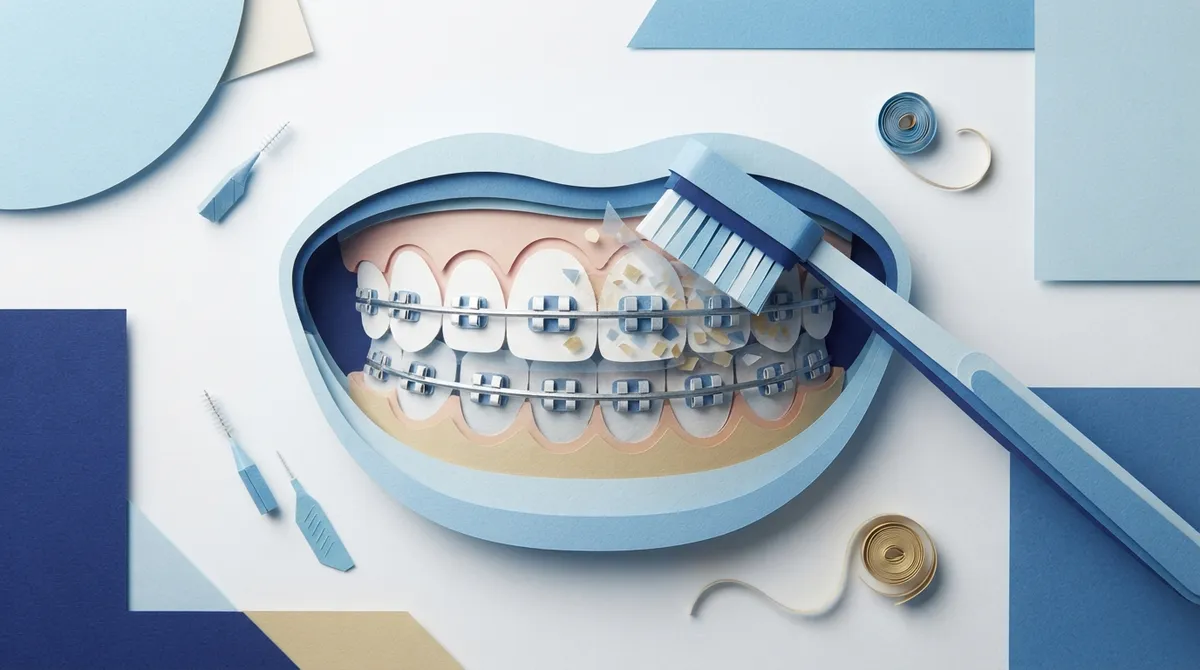
Getting braces is exciting! You are on your way to a smile you will love. But here is the thing nobody tells you at first: brushing with braces takes a little more effort than brushing without them. Brackets and wires create tiny hiding spots for food and plaque, and if you skip steps, you might end up with white spots or cavities once your braces come off. Don’t worry, though. Once you learn the right technique, brushing with braces becomes second nature.
At Brockway Orthodontics, we help patients across Clearwater, Florida, feel confident about their smiles every single day. Whether you are a parent guiding your child through their first set of braces, a teen prepping for prom pictures, or an adult finally getting the smile you always wanted, good brushing habits are the secret to a smooth treatment. Let’s walk through exactly how to brush your teeth with braces so you can protect your smile from start to finish.
Why Brushing With Braces Is Different
Braces do amazing work moving your teeth into place. But brackets, bands, and wires also give food particles and plaque a lot more places to hide. Regular brushing habits that worked before braces often are not enough anymore.
Plaque that sits around brackets can lead to white spots, gum irritation, or even cavities. That is why orthodontic offices, including our braces program, always spend extra time teaching new patients proper brushing technique. The good news? A few small adjustments make a huge difference.
What Makes Braces Care Different
- Brackets trap food particles more than smooth, bare teeth.
- Wires cross over teeth, creating hard-to-reach zones above and below each bracket.
- Plaque builds up faster around orthodontic hardware.
- Standard brushing motions may miss key spots near the gumline and wires.
- Extra time and the right tools are needed to keep your smile healthy during treatment.
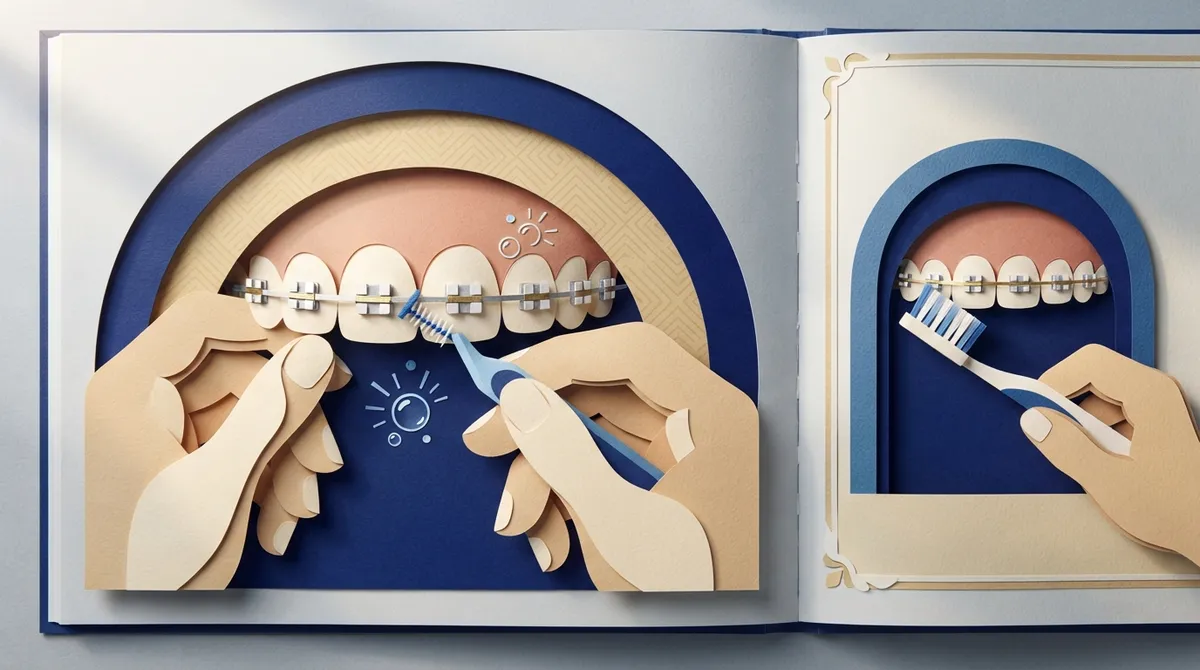
How to Brush Your Teeth With Braces Step by Step
Here is a simple, step-by-step routine that works for kids, teens, and adults alike. This method is one we walk every patient through during their first visit with us.
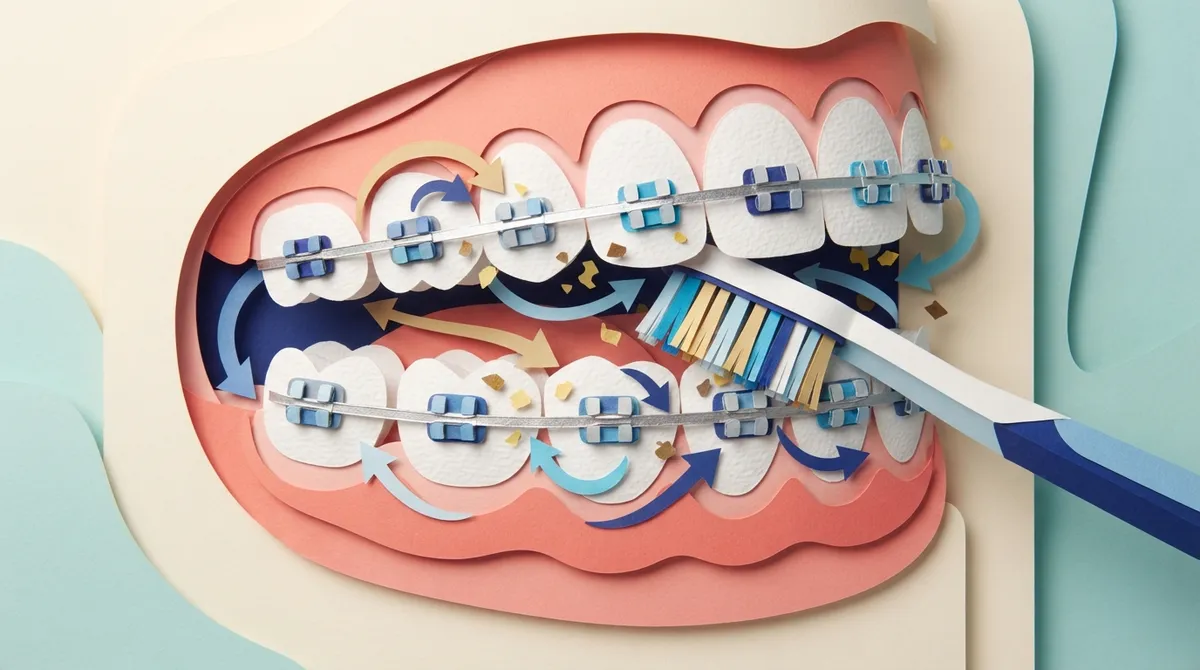
- Rinse first. Swish water around your mouth to loosen loose food particles before you start brushing.
- Angle your brush at 45 degrees. Point the bristles toward the gumline first to clean plaque sitting there.
- Brush above each bracket. Tilt the brush down and gently clean the top of every bracket.
- Brush below each bracket. Tilt the brush up and clean the bottom edge of each bracket too.
- Use small circular motions. Gently move the brush in tiny circles across the outer surfaces of your teeth.
- Clean the inner surfaces. Do not forget the back of your teeth, where plaque loves to hide.
- Brush the chewing surfaces. Use a back-and-forth motion on the tops of your molars.
- Work the bristles under the wire. Gently angle your brush to reach the space between the wire and your tooth.
- Brush your tongue and gumline. This helps freshen breath and removes bacteria buildup.
- Rinse again. A final rinse washes away any leftover debris.
Following these steps daily will keep your teeth clean and your gums happy throughout your treatment. If you ever feel unsure about your technique, our team is always happy to walk through it again during a checkup.
Choosing the Best Toothbrush for Braces
Not all toothbrushes are created equal when you have braces. Picking the right one makes brushing faster, easier, and more effective.
Soft-Bristled or Orthodontic Toothbrushes
A soft-bristled toothbrush is gentle on your gums while still doing a great job cleaning around brackets. Some brushes are made specifically for braces, with a V-shaped bristle pattern that fits around wires and brackets more easily.
Electric Toothbrushes
Electric toothbrushes can work well with braces too. Many patients find the vibration helps loosen plaque around brackets more effectively than manual brushing alone. Just be sure to use a gentle setting and take your time moving the brush around each bracket.
| Toothbrush Type | Best For | Things to Know |
|---|---|---|
| Soft-bristled manual brush | Everyday brushing | Gentle on gums and brackets |
| Orthodontic V-cut brush | Cleaning around brackets and wires | Designed specifically for braces wearers |
| Electric toothbrush | Removing plaque efficiently | Use a gentle mode and go slow around brackets |
| Interdental brush | Cleaning under wires | Great for tight spaces standard brushes miss |
How Long and How Often Should You Brush?
Timing matters a lot when you have braces. Since food gets trapped more easily, brushing more often and for longer periods helps protect your smile.
- Brush for at least 2 to 3 minutes each time, which is the general standard for braces care.
- Try to brush after every meal and snack whenever possible.
- Some orthodontic guidance, including recommendations from Nationwide Children’s Hospital, suggests brushing 5 times a day for at least 5 minutes during braces treatment for a more thorough clean.
- One helpful method suggests spending about 30 seconds on each of three brushing positions around your braces.
- Another approach recommends 25 to 30 seconds per bracket for a truly detailed clean.
It might feel like a lot at first, but most patients get faster with practice. Soon it becomes just another part of your daily routine, like washing your face or tying your shoes.
Brushing Tips for Different Age Groups
Every patient is different, and brushing routines often need to be tailored to fit your life. Here is how we help our patients at every stage of treatment.
For Parents of Kids and Teens
Young patients sometimes need reminders and a little help staying consistent. Packing a travel toothbrush kit for school or after-sports snacks can make a big difference. Our adolescent treatment program includes guidance for parents on keeping braces care simple and stress-free.
For Teens and Young Adults
Between busy schedules, sports, and social events, teens need quick and effective brushing tricks. Carrying a small brush and travel toothpaste in a backpack helps keep smiles fresh before big moments like prom or graduation photos.
For Adult Professionals
Adults juggling careers and family life often want efficient solutions. A quality electric toothbrush paired with a quick after-lunch routine can help maintain a polished, professional smile throughout treatment. Many adult patients also explore Spark™ Clear Aligners as a more discreet option that still requires great oral hygiene habits.
For Orthodontic Relapse Patients
If you are returning for retreatment, you already know the value of consistent oral care. Sticking to a strong brushing routine now helps protect your investment in your new smile for the long run.
For Health-Conscious Individuals
If you already prioritize oral health, braces care will fit naturally into your routine. Just remember that braces add extra hiding spots for plaque, so a few extra minutes each day go a long way.
What Happens If You Don’t Brush Properly With Braces
Skipping proper brushing can lead to a few unwanted surprises during your treatment.
- White spots can form around brackets where plaque sits for too long.
- Gum inflammation, sometimes called gingivitis, can develop from bacteria buildup.
- Tooth decay may occur in hard-to-reach areas.
- Bad breath can become a persistent issue.
- Staining can appear once brackets are removed, especially near the gumline.
The good news is that all of these problems are preventable with consistent, careful brushing. According to the American Dental Association, good oral hygiene habits during orthodontic treatment significantly reduce the risk of decay and gum disease.
Helpful Tools to Pair With Brushing
Brushing is essential, but pairing it with other tools rounds out your oral hygiene routine.
- Floss threaders or orthodontic flossers to clean between teeth and under wires.
- Water flossers to blast away food particles around brackets.
- Fluoride mouthwash to strengthen enamel and fight cavities.
- Interdental brushes for tight spots around brackets.
- A travel kit with a compact brush, floss, and mini toothpaste for on-the-go touch-ups.
When to Replace Your Toothbrush During Braces Treatment
Braces can wear down bristles faster than normal brushing. Replace your toothbrush every 6 to 8 weeks, or sooner if the bristles start to fray. A worn-out brush will not clean as effectively around brackets and wires, so keeping a fresh brush on hand is an easy way to stay on track.
Building a Brushing Routine That Sticks
Consistency is everything when it comes to keeping your smile healthy during treatment. Here is a simple routine you can build into your day:
- Brush after breakfast before heading out the door.
- Pack a travel brush for lunchtime touch-ups at school or work.
- Brush again after dinner using the full step-by-step method above.
- Floss with a threader or water flosser once a day.
- Rinse with fluoride mouthwash before bed.
Sticking to this simple routine helps you avoid extra appointments for cavities and keeps your treatment moving smoothly. Our team at Brockway Orthodontics is always here to help you fine-tune your routine, whether you are wearing traditional metal braces, ceramic braces, or Spark™ Clear Aligners.
How Brockway Orthodontics Supports Your Oral Hygiene Journey
Dr. Brockway and her team believe education is just as important as treatment. From your very first appointment, we walk you through exactly how to care for your braces, answer your questions, and make sure you feel confident in your routine. We proudly serve families throughout Clearwater and the surrounding area, offering everything from early treatment for kids to adult treatment options.
We also stay connected with our community through Facebook and Instagram, where we share tips, patient stories, and smile transformations. You can even see what our Clearwater patients are saying by visiting Brockway Orthodontics on Google to read real reviews from real families.
If you want more guidance on orthodontic best practices, the Florida Association of Orthodontists offers helpful resources for patients across the state. Combined with the personalized care you receive from our office, you will have everything you need to keep your smile on track.
Your Smile Journey Starts With Small Daily Habits
Brushing with braces might feel like a new skill at first, but it quickly becomes a habit you barely think about. Taking those extra few minutes each day protects your investment in your smile and helps you avoid unnecessary dental issues down the road. Whether you are exploring our orthodontic services for the first time or you are already partway through treatment, good habits now mean a healthier, happier smile later.
Ready to get expert guidance on caring for your braces or explore your treatment options? Book your appointment online today, or feel free to get in touch with our friendly team with any questions. We are here to help your Clearwater smile shine, one brushstroke at a time!
FAQs
Q: How do you brush your teeth with braces step by step?
A: Start by rinsing your mouth, then angle your brush at 45 degrees to clean along the gumline. Brush above and below each bracket, use small circular motions on outer surfaces, and don’t forget the inner teeth, chewing surfaces, and under the wires. Finish with a rinse, and you’re all set!
Q: What kind of toothbrush is best for braces?
A: A soft-bristled or orthodontic toothbrush works best because it cleans gently around brackets without irritating your gums. Some patients also love electric toothbrushes for extra plaque removal, as long as they go slow and steady around each bracket.
Q: Should you brush after every meal with braces?
A: Yes, brushing after every meal and snack is a great habit with braces since food particles get trapped more easily. If brushing right away isn’t possible, at least rinse with water until you can brush properly.
Q: How long should you brush teeth with braces?
A: Most orthodontic guidance recommends at least 2 to 3 minutes per brushing session. Some providers even suggest longer, more frequent brushing, like 5 times a day for 5 minutes, for a truly thorough clean.
Q: How often should you replace your toothbrush when you have braces?
A: Braces can wear down bristles faster than usual, so plan to replace your toothbrush every 6 to 8 weeks. If you notice fraying bristles sooner, go ahead and swap it out right away for the best clean.
Our Service Area