Key Takeaways
-
Brush for two minutes after every meal or snack plus before bed, as braces trap food much easier than regular teeth, significantly reducing cavity and gum irritation risk.
-
Use a soft-bristled toothbrush at 45-degree angles toward and away from the gumline, brushing gently in small circles rather than aggressive back-and-forth strokes to avoid loosening brackets.
-
Floss daily using a floss threader or orthodontic floss to remove plaque between teeth under the wire, as regular floss cannot reach these critical areas.
-
Replace your toothbrush every three months or at the first sign of wear, since braces wear down bristles faster and frayed brushes cannot clean brackets effectively.
-
Use fluoride toothpaste and avoid rinsing immediately after brushing to let fluoride protect teeth longer, while limiting sugary snacks to prevent white spot formation on enamel around brackets.
-
Schedule dental cleanings at least every six months during orthodontic treatment and contact your orthodontist immediately if gums bleed, swell, or if plaque seems impossible to control.
If you just got braces, you may have noticed something surprising: brushing your teeth suddenly feels like a whole new skill. Those little brackets and wires are amazing at straightening your smile, but they’re also excellent at trapping food and plaque. Don’t worry, though! Every single patient at our Clearwater office goes through this same learning curve, and within a week or two, most people brush like pros without even thinking about it.
This guide walks you through exactly how to keep your teeth sparkling clean while wearing braces. Whether you’re a parent helping your child adjust, a busy professional squeezing in oral care between meetings, or an adult returning for a second round of treatment, these tips apply to you. Good brushing habits protect your smile now and set you up for a beautiful, healthy result once your braces come off. Let’s make brushing teeth with braces feel simple instead of stressful.
Why Braces Make Brushing More Challenging
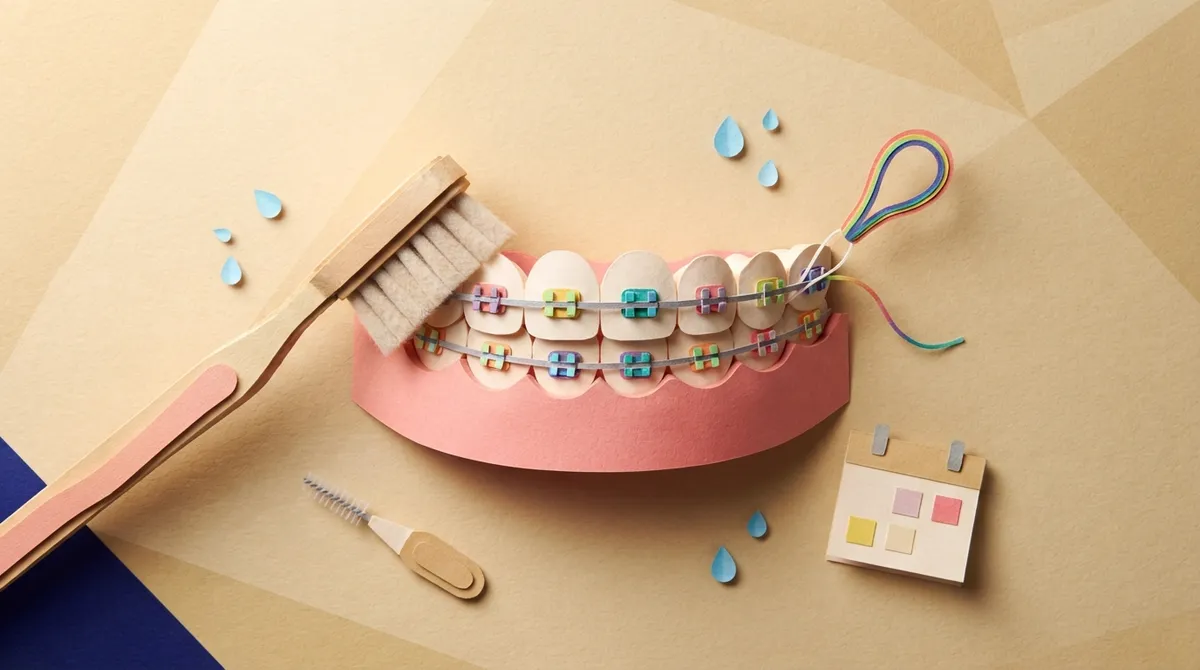
Braces create small nooks and crannies where food particles love to hide. Brackets, wires, and bands give plaque extra surfaces to cling to, which regular brushing alone doesn’t always reach. Without extra care, this trapped plaque can lead to tooth decay, swollen gums, and even permanent white spots on your enamel around the brackets.
The good news is that this isn’t inevitable. With a smart routine, you can avoid these issues completely. Our team at Brockway Orthodontics walks every new braces patient through a personalized cleaning plan during their first visit, so you’re never left guessing.
Common Trouble Spots Around Brackets
Plaque tends to build up in a few predictable places when you have braces:
- Along the gumline where brackets meet your teeth
- Underneath the archwire connecting each bracket
- Between teeth, where regular floss can’t easily reach
- Around the edges of each bracket itself
Knowing where trouble hides helps you focus your brushing time where it matters most.
How Often Should You Brush With Braces?
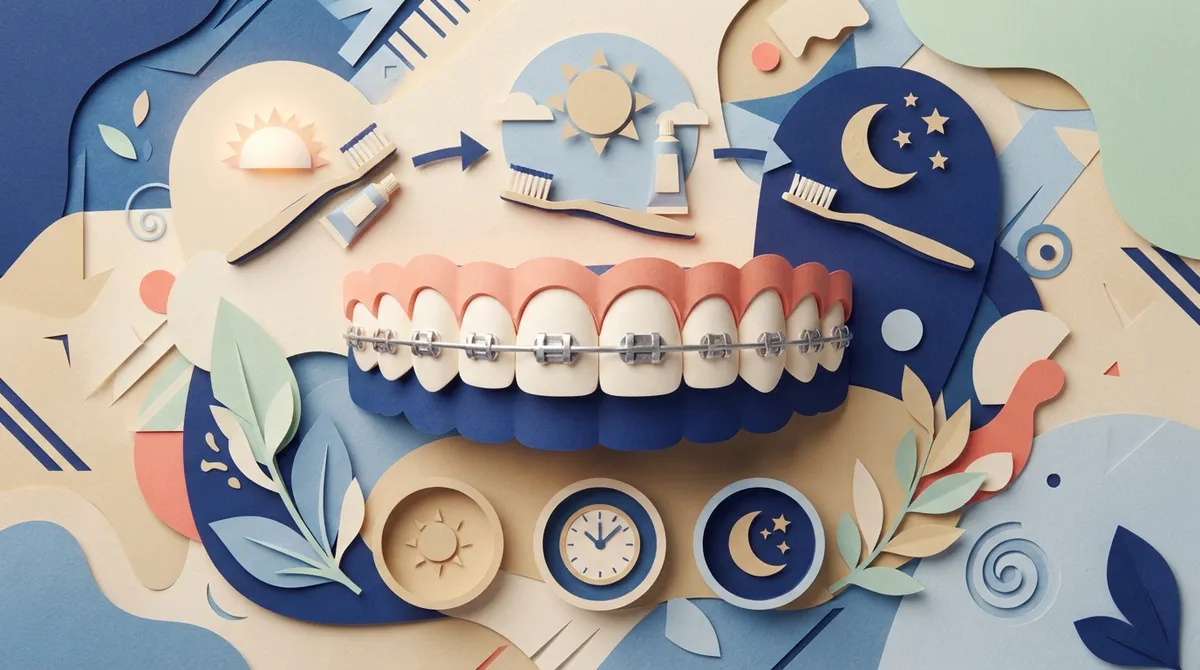
Brushing schedules matter more once you have braces on. The American Association of Orthodontists recommends brushing for two minutes after every meal or snack, plus once more before bed. If that sounds like a lot, think of it this way: food gets stuck in braces much easier than in regular teeth, so quick cleanups prevent bigger problems later.
The NHS also recommends brushing with fluoride toothpaste in the morning, at night, and after meals, along with daily interdental brushing while wearing braces. Following this kind of routine can seriously cut down your risk of cavities and gum irritation during treatment.
A Simple Daily Brushing Routine
- Brush after breakfast for two minutes, covering every tooth surface and bracket.
- Rinse with water or use an interdental brush after lunch if you can’t fully brush.
- Brush again after dinner, paying close attention to the gumline and wire areas.
- Floss once daily using a floss threader or orthodontic floss.
- Finish with a thorough two-minute brush before bed, your most important session of the day.
If brushing right after eating isn’t possible, like during a school day or a busy workday, just rinse your mouth with plain water. Then brush thoroughly as soon as you get the chance.
The Right Way to Brush Around Brackets and Wires
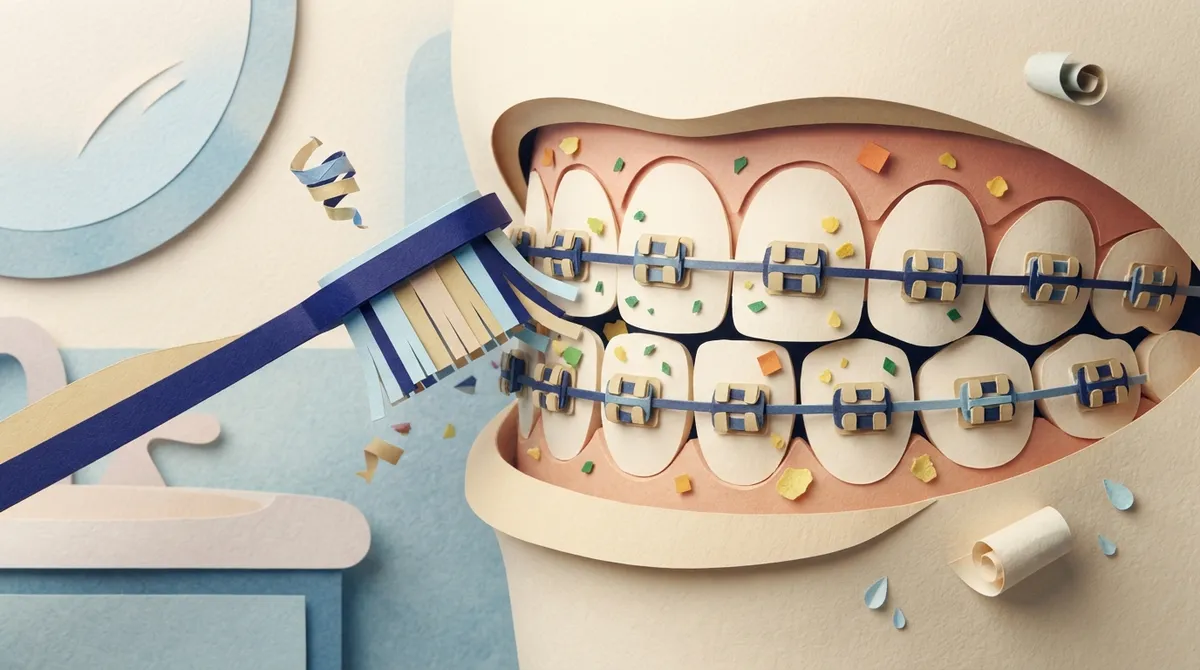
Technique matters just as much as frequency. Aggressive scrubbing can loosen brackets or irritate your gums, while a gentle, deliberate approach cleans more effectively. Here’s how to do it right:
- Use a soft-bristled toothbrush with a small head, manual or electric.
- Angle the brush at 45 degrees toward the gumline to clean above each bracket.
- Angle it downward to clean below each bracket.
- Brush directly over each bracket to remove trapped food.
- Use small, gentle circles rather than forceful back-and-forth strokes.
- Don’t forget the chewing surfaces and the backs of your teeth too.
Many of our patients find that brushing systematically, tooth by tooth, helps them avoid skipping spots. Start on one side of your mouth and work your way around in the same order every time.
Can You Use an Electric Toothbrush With Braces?
Yes! Electric toothbrushes work great with braces, as long as you use a gentle setting and a small brush head. Many patients find that electric brushes remove plaque more efficiently around brackets than manual brushing alone. Just be sure to move slowly across each bracket instead of letting the brush linger too long in one spot.
Choosing the Right Toothpaste and Tools
Not all toothpaste and tools are created equal when you’re managing braces. Fluoride toothpaste is a must, since fluoride strengthens enamel and helps fight the extra plaque exposure braces can cause. According to the American Dental Association, fluoride remains one of the most effective tools for preventing tooth decay at any age.
| Tool | Purpose | How Often to Use |
|---|---|---|
| Soft-bristled toothbrush | Removes plaque from tooth surfaces and brackets | 2-3 times daily |
| Interdental brush | Cleans around brackets and under wires | Once daily |
| Floss threader or orthodontic floss | Removes plaque between teeth under the wire | Once daily |
| Fluoride toothpaste | Strengthens enamel, fights decay | Every brushing session |
| Water flosser (optional) | Flushes out food debris around brackets | Once daily, alongside flossing |
After brushing, spit out the toothpaste but avoid rinsing with water right away. This lets the fluoride keep protecting your teeth a little longer. If you use a fluoride mouthwash, use it at a different time than brushing so it doesn’t wash away the toothpaste’s benefits.
Replacing Your Toothbrush Regularly
Braces wear down bristles faster than normal brushing does. The American Association of Orthodontists recommends replacing your toothbrush, or your electric brush head, at the first sign of wear or at least every three months. A frayed brush simply can’t clean around brackets effectively anymore.
Flossing With Braces: Yes, It’s Possible
Flossing with braces takes a little more patience, but it’s absolutely doable and incredibly important. The wire connecting your brackets blocks floss from sliding between your teeth the normal way, so you’ll need a helper tool.
- Thread the floss under the archwire using a floss threader or orthodontic floss with a stiff end.
- Gently guide the floss between two teeth.
- Curve the floss into a C-shape against one tooth and slide it up and down.
- Repeat on the neighboring tooth before moving to the next gap.
- Rinse your mouth when finished to clear away loosened debris.
Water flossers are another great option, especially for kids or anyone who finds threading floss frustrating. Ask our team about flossing techniques that work best for your specific braces setup during your next visit.
Preventing White Spots and Cavities
One of the biggest worries with braces is developing white spots, permanent marks on your enamel caused by mineral loss around brackets. These spots show up when plaque sits on the tooth too long, often in areas that are hard to brush.
Here’s how to keep your enamel protected:
- Brush thoroughly after every meal, especially around each bracket.
- Limit sugary snacks and drinks, which fuel plaque-causing bacteria.
- Avoid frequent snacking throughout the day.
- Use fluoride toothpaste and consider a fluoride rinse if recommended.
- Keep up with regular dental cleanings during your treatment.
Sticky, hard, or chewy foods are also worth avoiding since they can damage brackets and wires. For more guidance, check out our food-friendly tips for braces wearers to keep both your smile and your treatment on track.
What to Do If You Notice a Problem
Sometimes, despite your best efforts, something feels off. If your gums bleed, swell, or feel sore, or if plaque seems impossible to control, reach out to your orthodontic team right away. The same goes for a loose bracket or a wire poking your cheek. Catching these issues early prevents bigger complications and keeps your treatment moving smoothly.
Regular dental checkups matter just as much during orthodontic treatment as before it. The American Association of Orthodontists recommends cleanings at least every six months, sometimes more often if you’re prone to plaque buildup. Staying consistent with both your orthodontist and your general dentist gives your smile the best chance at a healthy outcome.
Building Confidence in Your Brushing Routine
It might feel overwhelming at first, but brushing with braces becomes second nature surprisingly fast. Think of it like learning to ride a bike. The first few tries feel wobbly, but soon it’s automatic. Many of our teen and young adult patients tell us that after just a few weeks, their new routine barely takes extra time.
Parents of younger patients often find it helpful to supervise brushing sessions for the first several weeks. Turning it into a shared routine, like brushing together before bed, can make the adjustment period smoother for kids and less stressful for parents too. For families exploring treatment options, our adolescent treatment programs include hands-on guidance to help kids build lifelong healthy habits.
Adults returning for retreatment after relapse often appreciate a refresher on technique too. It’s never too late to build better habits, and doing so protects your investment in your smile. If you’re curious about how adult orthodontic treatment works, our team is happy to walk you through what to expect.
Why Choose Brockway Orthodontics for Your Braces Journey
At Brockway Orthodontics in Clearwater, we believe education is just as important as the braces themselves. Dr. Brockway and our team take time to show every patient exactly how to care for their smile, using easy-to-follow demonstrations tailored to your specific braces and lifestyle. We also use modern technology, including digital impressions and 3D imaging, to plan your treatment with precision and comfort in mind.
We proudly serve families throughout Clearwater and the surrounding Pinellas County area, offering everything from traditional metal braces to Spark™ Clear Aligners, a more budget-friendly alternative to other clear aligner brands. No matter which treatment fits your life best, our goal is the same: helping you feel confident and cared for at every step. You can also connect with us and see real patient experiences on Facebook or Instagram, and check out Visit us on Google — Brockway Orthodontics to see what our patients are saying.
For orthodontists across Florida looking to stay current on best practices, the Florida Association of Orthodontists is a great resource for continuing education and community standards, something Dr. Brockway values as part of her ongoing commitment to quality care.
Ready to Get Your Braces Journey Started?
Brushing teeth with braces doesn’t have to be complicated once you know the right techniques and tools. With a little consistency, you’ll protect your smile and set yourself up for beautiful results when your braces come off. If you’re ready to start your orthodontic journey or need guidance on caring for your current braces, our friendly Clearwater team is here to help every step of the way. Book your appointment online today and let’s create a smile you’ll love showing off.
FAQs
Q: How often should I brush my teeth with braces?
A: You’ll want to brush after every meal or snack when possible, plus once more before bed, for about two minutes each time. It sounds like a lot, but trust us, your smile will thank you! If brushing isn’t an option right away, just rinse with water until you can.
Q: What kind of toothbrush and toothpaste should I use with braces?
A: A soft-bristled toothbrush with a small head works best, whether it’s manual or electric. Pair it with fluoride toothpaste to help strengthen your enamel while your braces do their job. Just remember to replace your brush every three months or sooner if the bristles look worn.
Q: Do I need to floss every day with braces, and how can I floss under the wire?
A: Yes, daily flossing is still important, even with braces in the way. A floss threader or orthodontic floss with a stiffened end makes it easy to slide floss under the archwire. It takes a little practice, but you’ll get the hang of it quickly!
Q: Can I use an electric toothbrush with braces?
A: Absolutely! Electric toothbrushes can actually make cleaning around brackets easier and more effective. Just use a gentle setting and move slowly across each bracket to avoid irritating your gums.
Q: What should I do if I cannot brush after a meal or snack?
A: No worries, life happens! Simply rinse your mouth well with plain water to loosen food particles, then brush thoroughly as soon as you’re able. This little habit can make a big difference in keeping plaque under control between brushings.
Our Service Area