
Key Takeaways
-
Schedule your child’s first orthodontic evaluation around age 7, even if they still have baby teeth, to catch developing problems while jaw growth is still occurring and treatment can be simpler.
-
Early orthodontic treatment (Phase 1) can preserve space for permanent teeth, reduce the need for extractions, and shorten Phase 2 treatment later, potentially saving time and cost.
-
Watch for specific warning signs like crowded teeth, protruding front teeth, jaw misalignment, thumb sucking past age 5, and mouth breathing that indicate your child should be evaluated by an orthodontist.
-
Not all children need early treatment; many just require regular monitoring until permanent teeth fully erupt, so a professional evaluation determines whether intervention is actually necessary.
-
Early correction of protruding teeth reduces injury risk during sports and play, while fixing visible bite problems early can boost a child’s social confidence and self-esteem.
-
Many dental insurance plans cover Phase 1 treatment at least partially, so check your specific coverage and ask your orthodontist about financing options before starting care.
Watching your child grow is a joy, but it can also bring a lot of questions. Maybe you noticed their teeth coming in crooked, or their jaw looks a little off. You may be wondering if it’s too soon to worry about braces. Here’s some good news: catching problems early can make a huge difference. Early orthodontic treatment is all about spotting issues before they grow into bigger ones, and it might save your child from more complicated care later on.
At Brockway Orthodontics in Clearwater, we love helping families understand their options. Dr. Brockway has guided countless parents through this exact decision, and she’s here to make it simple for you too. In this article, we’ll break down what early orthodontic treatment really means, who needs it, and what you can expect. No confusing dental jargon, just friendly, honest answers.
What Is Early Orthodontic Treatment?
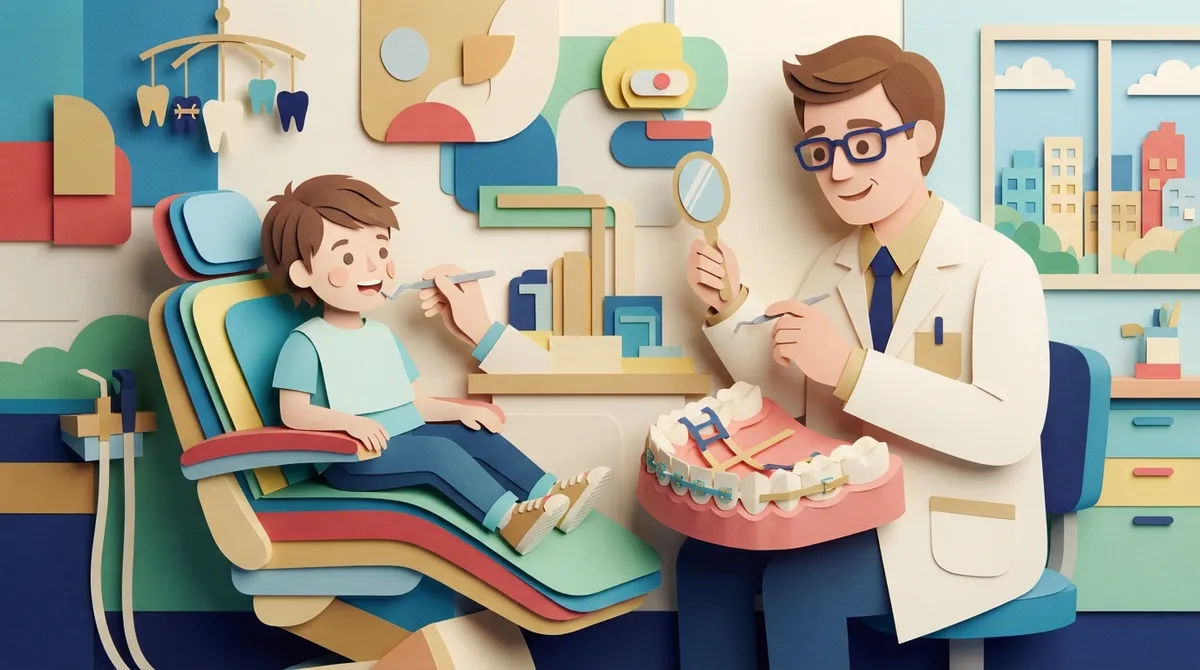
Early orthodontic treatment, sometimes called interceptive treatment or Phase 1 treatment, starts while your child still has some baby teeth. It’s different from getting braces as a teenager. The goal here isn’t to create a perfect smile right away. Instead, it’s about guiding growth and fixing problems while your child’s mouth is still developing.
Think of it like gardening. If you notice a young tree growing crooked, it’s much easier to gently guide it straight while it’s still young and flexible. Wait too long, and you might need more work to fix the same problem. Teeth and jaws work in a similar way.
Why Age 7 Matters
The American Dental Association and orthodontic experts recommend that children have their first orthodontic checkup around age 7. This might sound early, especially if your child still has plenty of baby teeth. But this is actually the perfect time for an orthodontist to spot problems while jaw growth is still happening.
At this age, your child usually has a mix of baby and permanent teeth. This gives an orthodontist a clear view of how things are developing. Not every 7-year-old needs treatment right away. Sometimes, the visit is simply about watching and waiting. But if there’s a problem, catching it now can make treatment easier down the road.
Signs Your Child Might Benefit From Early Treatment
Not sure if your child needs an evaluation? Here are some common signs parents notice at home:
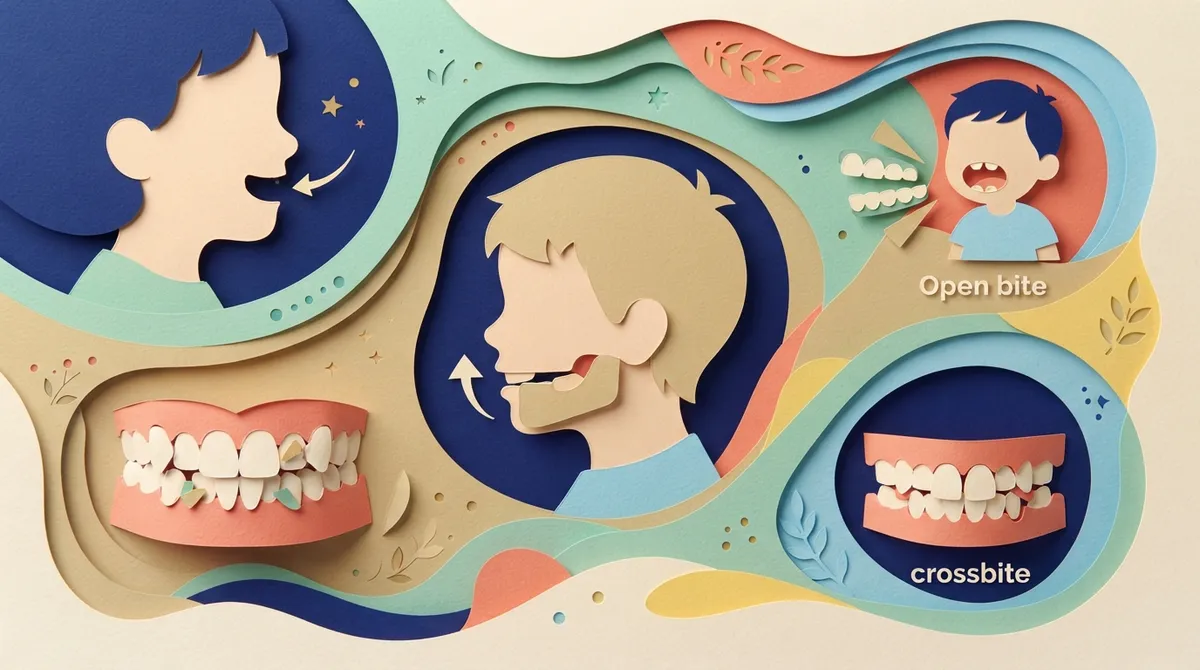
- Teeth that stick out far or don’t meet properly when biting down
- A jaw that shifts to one side when your child closes their mouth
- Crowded, crooked, or overlapping teeth
- Losing baby teeth very early or very late compared to other kids
- Thumb sucking or pacifier habits that continue past age 5
- Difficulty chewing, biting, or speaking clearly
- Mouth breathing or snoring at night
If you notice any of these signs, it doesn’t automatically mean your child needs treatment. But it’s worth having an orthodontist take a look. You can learn more about early treatment options and what they involve at our practice.
Conditions That Often Benefit From Early Intervention
Some orthodontic problems respond especially well to early treatment. According to a 2022 review of orthodontic research, early intervention works particularly well for specific issues. Here’s a breakdown:
| Condition | What It Looks Like | Why Early Treatment Helps |
|---|---|---|
| Posterior Crossbite | Upper teeth sit inside the lower teeth when biting down | Can guide jaw width while bones are still growing |
| Severe Class II Malocclusion | Upper teeth or jaw stick out noticeably | Reduces risk of injury to protruding front teeth |
| Class III With Maxillary Retrusion | Lower jaw appears to jut forward | Growth guidance may reduce need for future surgery |
| Open Bite | Front teeth don’t touch when back teeth are closed | Often linked to habits that can be corrected early |
| Severe Crowding | Not enough space for permanent teeth to come in | Preserves space and may reduce extractions later |
| Harmful Oral Habits | Thumb sucking, tongue thrusting, prolonged pacifier use | Stopping habits early prevents lasting bite changes |
The Real Benefits of Starting Early
Parents often ask us if early treatment is really worth it. Here’s what the research and our own experience show:
- Simpler treatment later. Guiding growth now can mean a shorter, easier Phase 2 treatment when your child is a teenager.
- Better use of space. Early treatment can preserve room for permanent teeth, sometimes avoiding the need to pull teeth later.
- Reduced injury risk. Protruding front teeth are more likely to get chipped or knocked during sports or play. Early correction lowers that risk.
- Improved confidence. Kids with visible bite problems sometimes feel self-conscious. Fixing issues early can boost their comfort in social settings.
- Better oral function. Early treatment can improve chewing, speaking, and even breathing in some cases.
The Florida Association of Orthodontists emphasizes that even if treatment isn’t needed right away, an early exam helps track growth patterns. This means your orthodontist can plan ahead, so nothing sneaks up on you later.
Phase 1 vs Phase 2 Treatment: What’s the Difference?
Many parents get confused about the two-phase approach to orthodontic care. Let’s clear it up with a simple comparison.
| Feature | Phase 1 (Early Treatment) | Phase 2 (Comprehensive Treatment) |
|---|---|---|
| Typical Age | 7 to 10 years old | 11 to 14 years old, or when all permanent teeth erupt |
| Goal | Guide jaw growth, correct habits, create space | Align all permanent teeth into their final positions |
| Common Tools | Palatal expanders, space maintainers, limited braces | Full braces or clear aligners |
| Length of Treatment | Usually 6 to 18 months | Usually 18 to 36 months |
| Is It Always Needed? | No, only for specific problems | Often needed, especially after Phase 1 |
Not every child who has Phase 1 treatment will need Phase 2, but many do. Think of Phase 1 as setting the foundation. Phase 2 is where the final smile comes together, often using tools like traditional braces or modern clear aligner systems.
What Happens During an Early Orthodontic Evaluation?
If you’re picturing a scary dental visit, don’t worry. Early evaluations are usually simple, quick, and stress-free. Here’s what typically happens, step by step:
- Your child’s orthodontist reviews their dental and health history.
- A visual exam checks how teeth and jaws are lining up.
- X-rays may be taken to see how permanent teeth are developing under the gums.
- The orthodontist discusses any concerns, habits, or symptoms you’ve noticed at home.
- You’ll get a clear explanation of whether treatment is needed now, later, or not at all.
This visit is also a great chance to ask questions. Curious what to expect? Check out our guide on your first visit to feel fully prepared.
Common Questions Parents Ask
Does Early Treatment Guarantee No Braces Later?
Not always. Early treatment addresses specific problems while your child is growing. Many kids still need braces or aligners once all their permanent teeth come in. But early treatment often makes that second phase shorter and easier.
Is Early Treatment Covered by Insurance?
Many dental insurance plans cover at least part of orthodontic treatment, including Phase 1 care. Coverage varies widely, so it helps to check your specific plan. Our team can walk you through financing and insurance options to make things easier on your wallet.
What If My Child Doesn’t Need Early Treatment?
That’s actually the most common outcome. Most kids just need regular checkups until their permanent teeth come in fully. Think of early evaluations as a helpful checkpoint, not a guarantee of treatment.
Weighing the Pros and Cons
Like any medical decision, early orthodontic treatment has both upsides and things to consider. Here’s a simple breakdown:
- Pro: Can prevent more serious problems from developing
- Pro: May shorten or simplify treatment later in life
- Pro: Helps stop harmful habits like thumb sucking
- Con: Requires two phases of treatment in some cases, meaning more total visits
- Con: Not every child benefits, so unnecessary treatment should be avoided
- Con: Added cost if insurance doesn’t cover both phases
This is exactly why a proper evaluation matters so much. A trained orthodontist, like Dr. Brockway, can tell you honestly whether your child fits into a case that benefits from early care, or whether waiting is the smarter choice. You can learn more about her approach on our Meet Dr. Brockway page.
Why Families in Clearwater Trust Brockway Orthodontics
Choosing the right orthodontist for your child is a big decision. At Brockway Orthodontics, we treat every family like our own. Dr. Brockway takes the time to explain exactly what’s happening with your child’s smile, using language that actually makes sense.
Our office uses modern technology, including digital scans instead of messy molds, so visits are more comfortable for kids. We also offer adolescent treatment plans tailored to each stage of growth, and in some cases, we can even provide same-day care to fit your busy family schedule.
Don’t just take our word for it. You can visit us on Google — Brockway Orthodontics to see what other Clearwater families say about their experience with us. We’re proud of the relationships we’ve built in this community over the years.
Making the Decision: A Quick Checklist
Still unsure if it’s time to schedule an evaluation? Run through this quick checklist:
- Is your child around age 7 or older?
- Have you noticed crowded, crooked, or protruding teeth?
- Does your child still suck their thumb or use a pacifier?
- Do they have trouble chewing or speaking clearly?
- Has your family dentist recommended an orthodontic checkup?
If you checked even one of these boxes, it’s worth scheduling a visit. Early evaluations are simple, and knowledge is always better than uncertainty when it comes to your child’s smile.
Your Next Step Toward a Confident Smile
Early orthodontic treatment isn’t about rushing your child into braces before they’re ready. It’s about giving them the best possible foundation for a healthy, confident smile down the road. Whether your child needs guidance now or just a friendly checkup, the team at Brockway Orthodontics is here to help every step of the way.
Ready to find out if early treatment is right for your child? Book an appointment online today and let Dr. Brockway create a personalized plan for your family. You can also follow along with patient stories and smile transformations on our Facebook page for even more inspiration.
FAQs
Q: What is the best age for early orthodontic treatment?
A: Most orthodontists, including our team here in Clearwater, recommend a first checkup around age 7. That doesn’t mean treatment starts right then, but it’s the perfect age to catch developing problems while there’s still time to guide growth naturally.
Q: How do I know if my child needs early orthodontic treatment?
A: Watch for signs like crowded teeth, a jaw that shifts when biting, thumb sucking past age 5, or trouble chewing and speaking. If you notice any of these, it’s worth scheduling an evaluation so an orthodontist can take a proper look and put your mind at ease.
Q: Does early orthodontic treatment always prevent braces later?
A: Not always, and that’s okay! Many kids still need braces or clear aligners once their permanent teeth fully come in. The good news is early treatment often makes that second phase shorter, simpler, and a lot less stressful for everyone.
Q: Is early orthodontic treatment covered by insurance?
A: It often is, at least partially, though coverage really depends on your specific plan. Our friendly team can help you sort through your financing and insurance options so you know exactly what to expect before starting treatment.
Q: What are the risks of starting orthodontic treatment too early?
A: The biggest risk is treating a child who doesn’t actually need it yet, which can add unnecessary time and cost. That’s exactly why a proper evaluation with an experienced orthodontist matters so much before deciding on any treatment plan.
Our Service Area