Key Takeaways
-
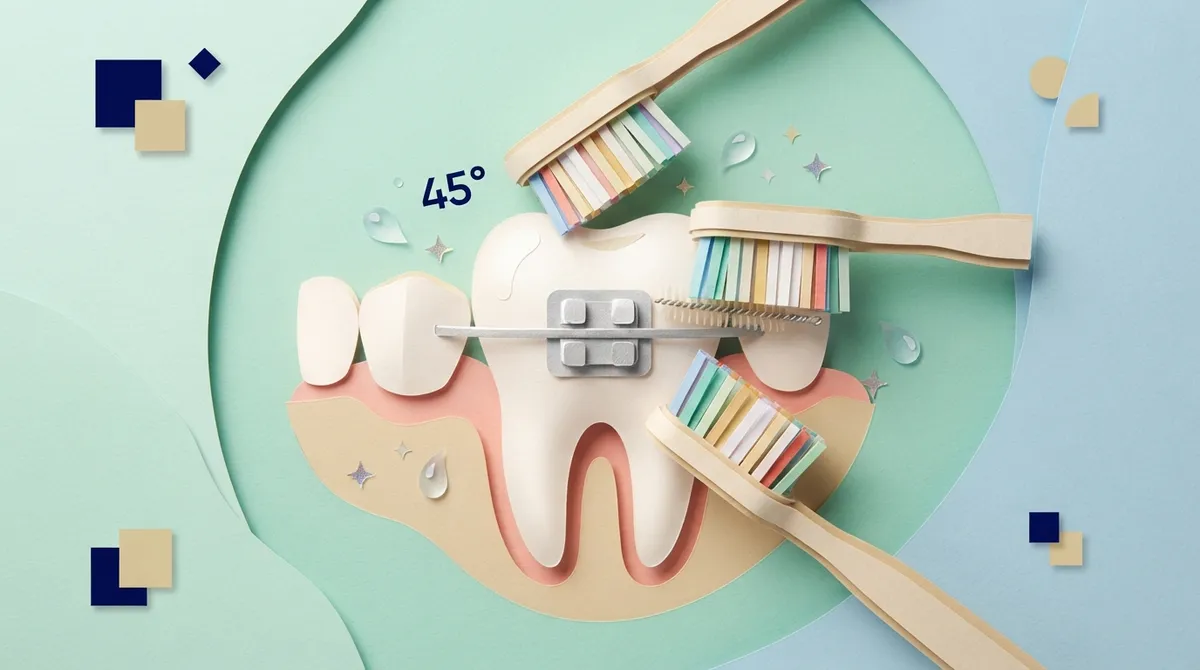
Brush your teeth in three zones around each bracket (above, on, and below) spending about 30 seconds per zone, using a 45-degree angle toward the gumline to prevent plaque buildup and white spots.
-
Brush after every meal and snack when possible, as braces trap food more easily than natural teeth; if you can’t brush immediately, at least rinse your mouth with water to loosen particles.
-
Use a soft-bristled manual or electric toothbrush paired with a proxy brush or water flosser to clean tight spots between wires and teeth that regular brushing misses.
-
Skipping proper brushing with braces can cause permanent white spot lesions, gum disease, cavities, and extended treatment time, but all these issues are preventable with consistent daily cleaning.
-
Use fluoride toothpaste to strengthen enamel and protect against white spots, and consider a fluoride mouthwash as a helper tool, but remember mouthwash never replaces actual brushing and flossing.
-
If your gums bleed regularly, you notice white spots forming, or brackets feel loose despite careful brushing, contact your orthodontist for professional guidance and adjustments.
So you just got your braces on, and now you’re staring at your toothbrush wondering if you’re doing this whole brushing thing right. We get it! Learning how do you brush your teeth with braces is one of the biggest questions our patients ask us here at Brockway Orthodontics in Clearwater. And honestly, it’s a great question to ask, because braces change the game when it comes to keeping your smile clean.
Here’s the good news: brushing with braces isn’t complicated once you know the tricks. It just takes a little extra time and a bit of patience. Food loves to hide around brackets and wires, and if you skip steps, you can end up with plaque buildup, puffy gums, or even white spots on your teeth once the braces come off. Nobody wants that after all the hard work of straightening their smile!
Whether you’re a parent helping your kid navigate their first week with braces, a teen prepping for picture day, or an adult finally getting the smile you always wanted, this guide walks you through exactly how to brush like a pro. Let’s get your toothbrush technique on point.
Why Brushing With Braces Takes Extra Effort
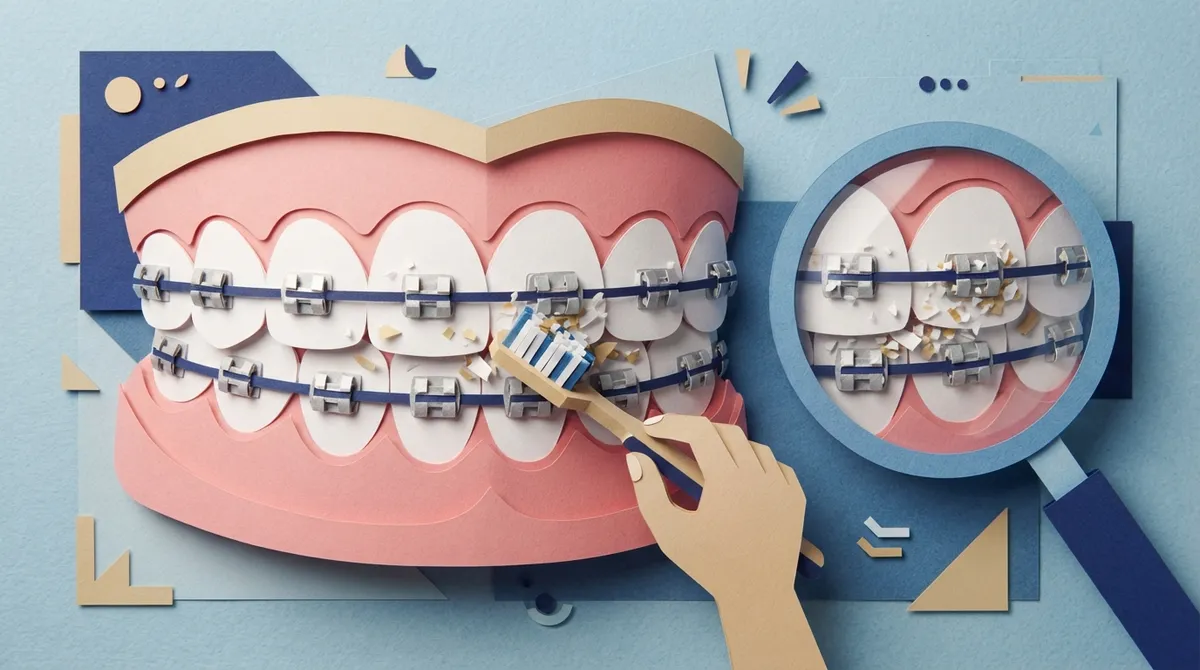
Braces do amazing work moving your teeth into place, but they also create tiny nooks where food particles love to hide. Brackets, wires, and bands give plaque more places to stick around than smooth, bracket-free teeth ever would.
According to the American Dental Association, plaque that isn’t removed regularly can lead to cavities, gum irritation, and those stubborn white spots that show up once braces come off. That’s why a solid brushing routine matters so much during treatment.
The team at Brockway Orthodontics always tells patients: braces are a partnership. We do the alignment work, but daily cleaning is on you. The good news? Once it becomes a habit, it barely takes extra thought.
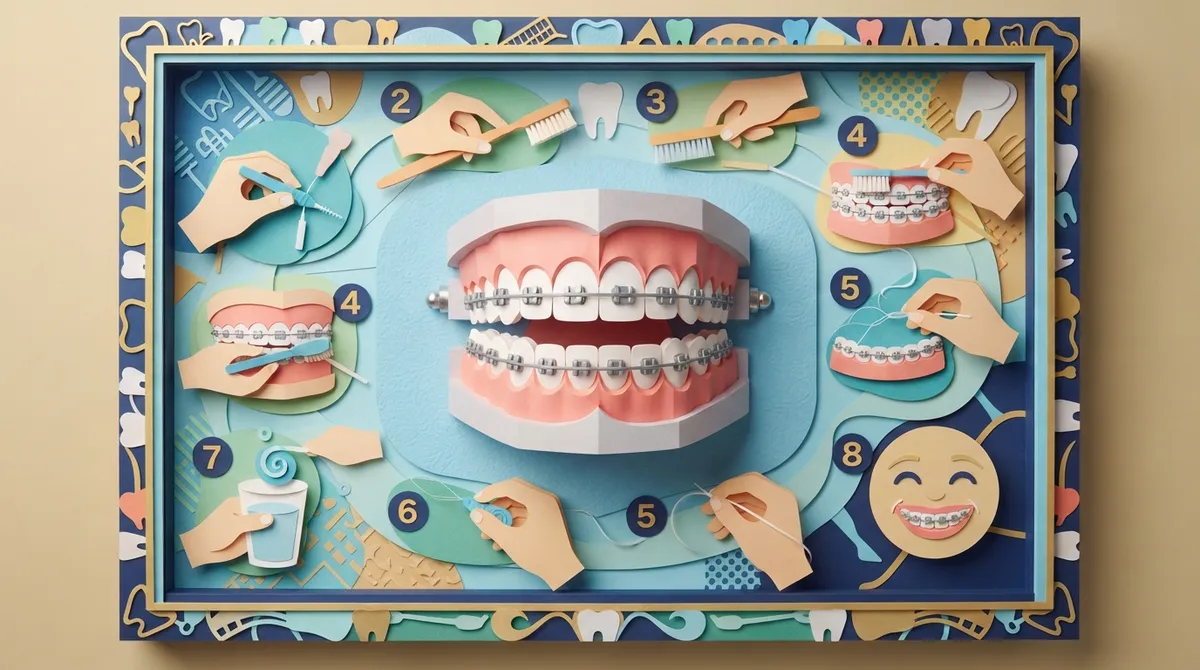
8 Steps to Brush Your Teeth With Braces
Ready for the step-by-step method? Here’s exactly how do you brush your teeth with braces, broken down into simple, easy-to-follow steps.
- Rinse first. Swish water around your mouth to loosen loose food bits stuck in your wires and brackets before you even pick up your toothbrush.
- Remove any bands or rubber bands. If you wear elastics, take them out before brushing so you can clean underneath them properly.
- Angle your brush at 45 degrees toward the gumline. This angle helps you reach the tricky spot where your gums meet your teeth and brackets.
- Brush above each bracket first. Use small circular motions for about 30 seconds per section, working across your top and bottom teeth.
- Brush directly on the brackets. Angle your brush to hit the bracket itself, since food gets trapped right around this hardware.
- Brush below each bracket, near the gumline. This zone is often missed but is one of the most important, since plaque here can irritate your gums.
- Clean the chewing surfaces, back teeth, and tongue. Don’t forget the inside surfaces of your teeth and the back molars, which are easy to skip when you’re focused on the front.
- Rinse and check your work. Swish again, then look in the mirror (or use a flashlight) to make sure no food is left behind.
Following these eight steps takes about 2 to 3 minutes total, which lines up with what most orthodontic care guidance recommends. Some pediatric dental resources even suggest brushing five times a day for 5 minutes each when you have braces, especially in the first few weeks while you’re getting the hang of it.
Breaking Down the Three Brushing Zones
One trick that makes braces brushing much easier is thinking of each tooth in three zones. Here’s a simple breakdown:
| Zone | Where It Is | Why It Matters |
|---|---|---|
| Above the bracket | Between the bracket and the gumline on top | Food and plaque collect here first |
| On the bracket | Directly on and around the metal or ceramic bracket | Hardware traps the most food debris |
| Below the bracket | Between the bracket and the biting edge | Often skipped, but easy to reach |
Spending about 30 seconds on each zone, per the step-by-step guidance many orthodontic offices recommend, helps you avoid missing spots. It sounds like a lot, but once it’s a habit, it goes by fast.
Choosing the Right Toothbrush for Braces
Not all toothbrushes are created equal when you’re wearing braces. Here’s what most orthodontic sources, including our team at Brockway Orthodontics, recommend.
- A soft-bristled manual toothbrush is gentle on brackets and won’t irritate your gums.
- An electric toothbrush works great too, as long as you use light, gentle pressure around the brackets.
- A proxy brush (also called an interdental brush) helps clean tight spots between wires and teeth.
- A water flosser can rinse out debris before you brush, making the job easier.
- Orthodontic wax can help if a bracket is irritating your cheek while you get used to brushing around it.
Manual vs. Electric Toothbrush: Which Wins?
| Feature | Manual Toothbrush | Electric Toothbrush |
|---|---|---|
| Control around brackets | Very precise, easy to angle | Good, but needs a light touch |
| Ease of use for kids | Simple, no learning curve | Fun and encourages longer brushing |
| Plaque removal | Effective with proper technique | Often removes more plaque overall |
| Cost | Low cost, easy to replace | Higher upfront cost |
Either option works well as long as you’re gentle and thorough. If you’re not sure which is right for your family, ask us during your next visit or check out our services page for more guidance on caring for braces.
How Often Should You Brush With Braces?
This is one of the most common questions we hear, and the answer is simple: more often than you probably brushed before braces. Most orthodontic sources recommend brushing after every meal and snack when possible, since braces trap food more easily than bracket-free teeth.
- Brush in the morning after breakfast.
- Brush after lunch, even if it’s just a quick session at school or work.
- Brush after any snacks, especially sticky or crunchy ones.
- Brush before bed, since this is your most important session of the day.
Not everyone can brush four or five times a day, and that’s okay. If you can’t brush right after eating, at least rinse your mouth with water to loosen food particles until you can brush properly.
Cleaning Around Brackets and Wires
Brackets and wires create small gaps where food gets stuck. Here are some tips that make cleaning around this hardware much easier:
- Use a proxy brush to clean between the wire and your teeth, moving it gently side to side.
- Floss threaders or orthodontic floss picks help you get under the wire where regular floss can’t reach.
- A water flosser can blast out debris before you brush, saving you time and effort.
- Check your brackets in a mirror after brushing to spot any leftover food.
- Ask your orthodontist to show you the technique in person during a visit, since seeing it done really helps.
If you ever notice a loose bracket or a wire poking your cheek while cleaning, don’t panic. Contact us and we’ll get you scheduled quickly to fix it.
What Happens If You Don’t Brush Properly With Braces
We won’t sugarcoat it: skipping proper brushing while wearing braces can cause real problems. Here’s what can happen if plaque sticks around too long:
- White spot lesions can form around brackets, leaving permanent marks once braces come off.
- Gums can become swollen, red, or bleed easily, a sign of early gum disease.
- Bad breath becomes more noticeable due to trapped food and bacteria.
- Cavities can develop faster since plaque sits directly on the tooth surface for longer periods.
- Treatment time may even be extended if oral health issues need to be addressed first.
The good news is that all of these issues are preventable with consistent brushing. Dr. Brockway and our team always encourage patients to treat brushing like part of their daily routine, not an extra chore.
Toothpaste and Mouthwash Tips for Braces
You don’t necessarily need special toothpaste with braces, but fluoride toothpaste is highly recommended by orthodontic and dental professionals alike. Fluoride helps strengthen enamel and fight off those pesky white spots we mentioned earlier.
A fluoride mouthwash can also add an extra layer of protection, especially for patients who struggle to brush after every meal. Just remember that mouthwash is a helper, not a replacement for brushing and flossing.
For more info on keeping your smile bright throughout treatment, check out our guide on what you can eat with braces and how food choices affect your cleaning routine.
Brushing Tips by Age Group
Different patients face different challenges when learning how do you brush your teeth with braces. Here’s a quick breakdown by group:
- Kids and pre-teens: Parents may need to help supervise or even assist with brushing until the child gets comfortable with the technique. Check out our adolescent treatment page for more tips on supporting younger patients.
- Teens: Busy schedules make it tempting to skip brushing after lunch, but keeping a travel toothbrush in a backpack solves this problem easily.
- Adults: Juggling work and family life can make extra brushing sessions tough, but even a quick 2-minute session after lunch makes a big difference. Our adult treatment page has more helpful info.
- Patients with sensitive gums: A soft-bristled brush and gentle pressure are especially important to avoid irritation.
A Quick Note on Clear Aligners
If you’re using Spark™ Clear Aligners instead of traditional braces, brushing is actually a bit simpler since there are no brackets or wires in the way. You’ll still want to brush after meals before putting your aligners back in, since trapping food against your teeth for hours isn’t great for your enamel.
When to Visit Your Orthodontist for Brushing Help
Sometimes brushing alone isn’t enough, and that’s completely normal. Here are signs it’s time to check in with your orthodontic team:
- Your gums bleed regularly, even with gentle brushing.
- You notice white spots forming around your brackets.
- Food seems to get stuck no matter how carefully you brush.
- You have a bracket or wire that feels loose or sharp.
At every appointment, our team checks in on your oral hygiene and offers pointers to keep things on track. You can learn more about what to expect during checkups on our first visit page. We also recommend checking guidance from the Florida Association of Orthodontists for additional trusted resources on orthodontic care.
Wrapping Up Your Braces Brushing Routine
Learning how do you brush your teeth with braces really comes down to patience, the right tools, and a little extra time each day. Once you get the hang of angling your brush and hitting all three zones around each bracket, it becomes second nature. Your future smile will thank you for the effort you’re putting in right now.
If you’re in the Clearwater area and want personalized guidance on caring for your braces or exploring options like Spark™ Clear Aligners, our team at Brockway Orthodontics is here for you. Dr. Brockway and our friendly staff love walking families through every step of treatment, from your very first appointment to the day you get your braces off. You can also see what our Brockway Orthodontics patients say on Google by checking out Visit us on Google — Brockway Orthodontics, and follow along with smile transformations on our Instagram page.
Ready to get expert advice tailored to your smile? Book your appointment online today and let’s keep that smile healthy, bright, and on track together.
FAQs
Q: How do you brush your teeth with braces step by step?
A: Start by rinsing with water, then angle your brush at 45 degrees toward the gumline. Brush above, on, and below each bracket in small circular motions, then finish with your back teeth and tongue. It takes about 2 to 3 minutes total, and it gets faster the more you practice!
Q: What type of toothbrush is best for braces?
A: A soft-bristled manual toothbrush works great, and so does an electric toothbrush with gentle pressure. Whichever you choose, pair it with a proxy brush to clean those tricky spots around your wires. It really just comes down to what feels most comfortable for you.
Q: How often should you brush your teeth when you have braces?
A: Ideally, brush after every meal and snack since braces trap food more easily than regular teeth. If that’s not always possible, aim for at least twice a day and rinse with water in between. Consistency is what really makes the difference here.
Q: Do you need special toothpaste or mouthwash with braces?
A: You don’t need anything super special, but fluoride toothpaste is a must for strengthening your enamel. A fluoride mouthwash can add extra protection too, especially on busy days. Just remember, mouthwash never replaces good old-fashioned brushing.
Q: What happens if you do not brush properly with braces?
A: Skipping proper brushing can lead to white spots, swollen gums, and even cavities forming around your brackets. Nobody wants surprises like that once the braces come off! The good news is all of this is completely preventable with a solid daily routine.
Our Service Area