Key Takeaways
-
Teeth naturally shift even after perfect orthodontic treatment due to gum tissue memory, aging, daily habits, and bone remodeling, making nightly retainer wear indefinitely necessary to maintain results.
-
Follow a typical retainer schedule: full-time wear for 4-6 months after treatment, then transition to nighttime-only wear as teeth stabilize, which should continue for life to prevent relapse.
-
Skipping retainer wear for even a few weeks can cause front teeth to overlap, gaps to reopen, and bite changes, potentially requiring expensive retreatment costing thousands of dollars.
-
Choose between removable retainers (easier to clean, visible when worn) or fixed retainers (bonded behind teeth, lasts up to 20 years, requires extra flossing care) based on your lifestyle and relapse risk.
-
Budget for replacement retainers through membership programs (around $35 per replacement) or one-time fee plans ($759-$1,095) rather than paying per replacement, which protects your investment long-term.
-
Make retainer wear a habit by storing your case in the same spot nightly, setting phone reminders, cleaning daily with soft toothbrush and lukewarm water, and attending regular dental checkups to catch shifting early.
So you finally got your braces off, or you just finished your last Spark™ clear aligner tray. Congratulations! That new smile is something to celebrate. But here’s a little secret every orthodontist wishes patients knew sooner: the work isn’t quite over yet. Welcome to the world of retainers for life, the not-so-secret key to keeping that beautiful smile exactly where it belongs. At Brockway Orthodontics in Clearwater, we talk about this with every single patient, because we truly want your results to last.
Think of your teeth like plants that just got repositioned in fresh soil. They need time, and a little support, to settle into their new spot. Retainers give your teeth that support. Skip them, and your teeth may slowly drift back toward where they started. Nobody wants that after all the time and effort spent on braces or aligners. Let’s walk through what retainers for life really means, how long you’ll actually need to wear one, and why this small habit protects a lifetime of smiling with confidence.
What Does “Retainers for Life” Actually Mean?
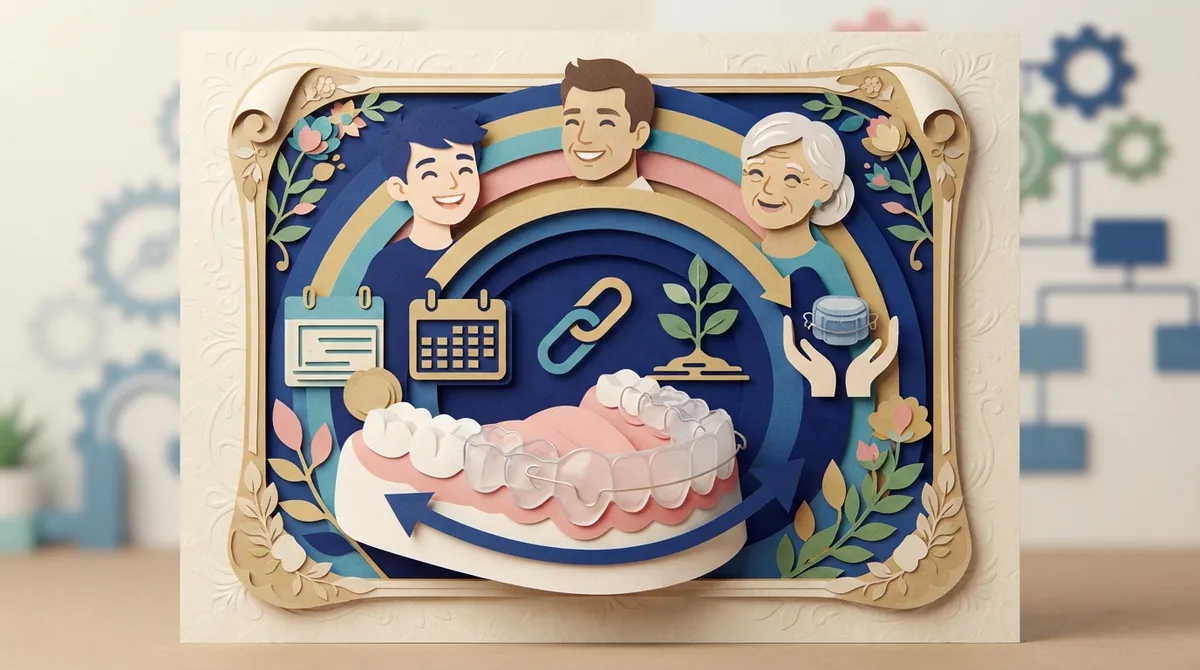
When orthodontists say retainers for life, we’re not trying to scare you. We simply mean that your teeth will always want to shift a little, even years after treatment. Wearing a retainer, at least part-time, helps keep them in place for good.
The Florida Association of Orthodontists and national experts agree on this point. According to guidance shared by the American Association of Orthodontists, most people need to wear retainers to some degree for the rest of their lives if they want to keep their teeth straight. That doesn’t mean full-time wear forever. It usually means nighttime wear, indefinitely, once your teeth have settled.
Some orthodontic practices also use “retainers for life” as the name of a membership program. Patients pay a one-time fee upfront and get replacement retainers at a reduced cost for years to come. We’ll cover both meanings in this guide so you understand the full picture.
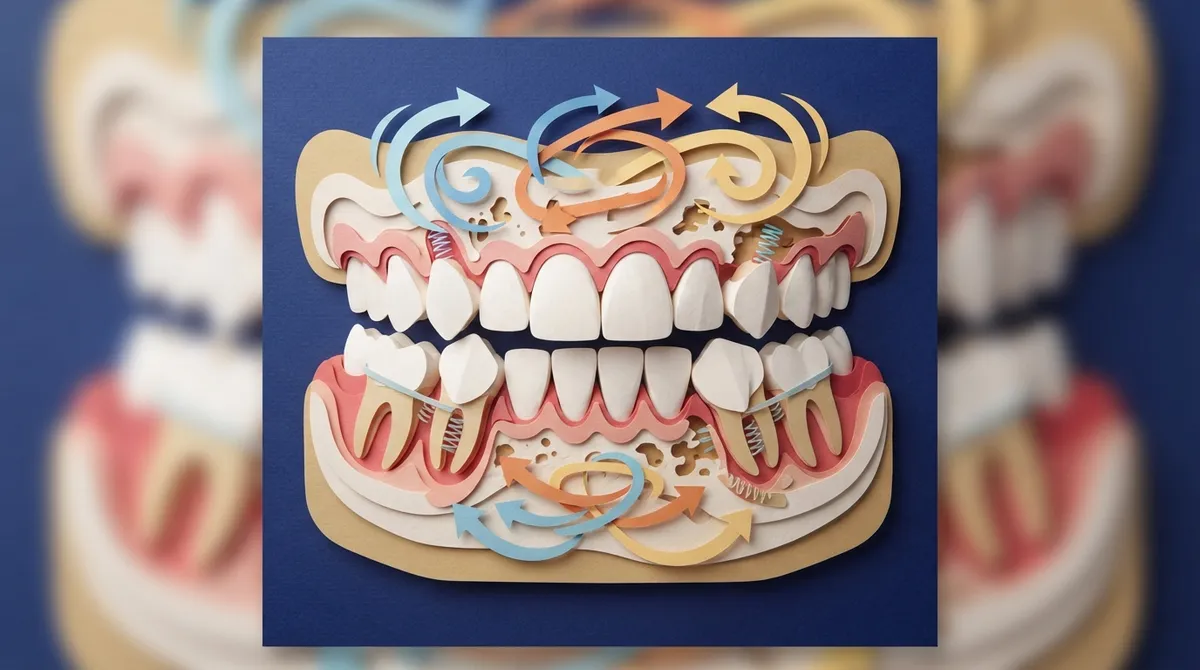
Why Teeth Shift Even After Perfect Treatment
It can feel unfair. You did everything right, wore your aligners on schedule, kept every appointment, and your teeth still want to move. Here’s why:
- Your gum tissue and ligaments remember your teeth’s old positions for a while after treatment.
- Natural aging causes gradual shifting in everyone, even people who never had braces.
- Daily habits like chewing, grinding, or resting your tongue against your teeth put pressure on them.
- Wisdom teeth coming in later can push nearby teeth out of alignment.
- Bone and tissue continue remodeling around your teeth for months after treatment ends.
This is exactly why retention matters so much. Your orthodontic treatment gets your teeth into the right spot. Your retainer keeps them there while your mouth adjusts to its new normal.
How Long Should You Actually Wear a Retainer?
This is probably the question we hear most at our Clearwater office. The honest answer is that it depends on your case, but there is a general pattern most patients follow.
The Typical Retainer Wear Timeline
- First few months (initial retention): Cleveland Clinic recommends full-time wear, about 4 to 6 months, right after treatment ends. Some practices suggest around 12 hours a day for the first six months.
- Transition period: After several months to about a year, most patients move to nighttime-only wear as their teeth stabilize.
- Long-term maintenance: From here on, it’s nightly wear indefinitely. This is the “for life” part.
Every mouth is different, so your orthodontist will personalize this schedule based on your bite, your teeth’s history, and how your case responded to treatment. If you’re unsure about your own schedule, it’s always worth asking during your next check-in.
Removable vs. Fixed Retainers: Which One Is Right for You?
There are two main types of retainers, and each one has its own pros and cons. Scientific reviews note there isn’t one method that’s universally better. It really comes down to your personal risk of relapse, your hygiene habits, and your treatment goals.
| Feature | Removable Retainer | Fixed (Permanent) Retainer |
|---|---|---|
| How it works | Clear tray or wire retainer you take in and out | Thin wire bonded behind your teeth |
| Wear schedule | Nightly, once you reach maintenance phase | Worn all the time, since it’s bonded in place |
| Hygiene | Easy to clean, brush separately | Requires extra flossing care around the wire |
| Lifespan | Several years with good care | Can last up to 20 years depending on care |
| Visibility | Can be seen when worn during the day | Hidden behind teeth, not visible when smiling |
| Risk if damaged | Simple to replace | Needs a dental visit for repair or removal |
Both options work well when cared for properly. Your retainer plan will be chosen based on what fits your lifestyle and your smile’s specific needs.
What Happens If You Stop Wearing Your Retainer?
We get it. Life gets busy, and popping in a retainer every night can feel like one more chore. But skipping it, even for a few weeks, can undo months or years of hard work.
Here’s what tends to happen when retainer wear stops too soon:
- Front teeth may start to overlap or crowd again within weeks.
- Gaps that were closed during treatment can slowly reopen.
- Your bite may shift, leading to jaw discomfort or uneven wear on your teeth.
- The retainer may no longer fit if you try to wear it again after a long break.
- You may need another round of orthodontic treatment to fix the relapse.
This is one reason our Orthodontic Relapse Patients often come back years later needing retreatment. If this sounds like you, don’t feel discouraged. It happens more often than you’d think, and we’re always happy to help you get back on track.
Retainer Replacement Costs: What to Expect
Retainers, like most things we use daily, don’t last forever. They can crack, warp, or get lost (yes, we’ve heard the napkin story more than once). Understanding the cost helps you plan ahead.
| Program or Service | Typical Cost | What It Includes |
|---|---|---|
| Single replacement retainer | Varies by practice and retainer type | One new custom-fitted retainer |
| “Retainers for Life” copay program | Around $35 per replacement | Discounted replacements for up to 10 years, per one example program |
| 10-year unlimited replacement plan | $895 to $1,095 one-time fee | Unlimited replacements within the program period |
| Online lifetime retainer plan | Around $759 one-time fee | Lifetime access plus first two retainer sets |
Costs vary quite a bit between practices, and these numbers are just examples from the industry. When you visit us, our team can walk you through your specific options during your first visit or a follow-up appointment. We also offer guidance on financing and insurance so retainer care fits comfortably into your budget.
Tips for Making Retainer Wear a Lifelong Habit
Turning retainer wear into a habit, like brushing your teeth, makes this whole process much easier. Here are some tried-and-true tips from our team:
- Keep your retainer case in the same spot every night, like your nightstand.
- Clean your retainer daily with a soft toothbrush and lukewarm water.
- Never wrap your retainer in a napkin at restaurants (it happens more than you’d think!).
- Bring your retainer to dental checkups so your dentist can check its fit.
- Set a phone reminder if you’re new to wearing one at night.
- Schedule regular orthodontic checkups to catch any shifting early.
Small habits like these protect your smile for decades. And if your retainer ever cracks, breaks, or feels loose, don’t panic. Just reach out and we can guide you through what to do if your retainer breaks before your next visit.
Retainers for Every Stage of Life
Retention isn’t just for teens finishing up braces. It matters at every age and stage:
- Parents of kids and teens: Helping your child stick to their retainer schedule protects their investment in adolescent treatment for years to come.
- Teens and young adults: A retainer keeps that graduation-ready smile picture-perfect long after the big day.
- Busy professionals: A discreet nighttime retainer fits easily into even the busiest schedules, protecting results from adult treatment or Spark™ aligners.
- Relapse patients: If your teeth have shifted after previous treatment, a new retainer plan can help stop further movement while you consider retreatment.
- Health-conscious patients: Retainers support long-term oral health by keeping teeth properly spaced, which makes brushing and flossing easier.
No matter where you fall on this list, the goal is the same: protect the smile you worked so hard for. According to the American Dental Association, maintaining proper tooth alignment also supports better oral hygiene and reduces wear on your teeth over time.
Why Choose Brockway Orthodontics for Your Retention Plan
Dr. Brockway believes your orthodontic journey doesn’t end when your braces come off or your last aligner tray is finished. It continues with a retention plan built just for you. We take time to explain your options clearly, whether that’s a removable retainer, a fixed retainer, or a mix of both depending on your teeth.
Our Clearwater office uses modern digital impressions, so getting a replacement retainer is quick and comfortable, no messy molds required. We also offer same-day options in certain cases, because we know life is busy and waiting weeks for a new retainer just isn’t practical for most families.
Curious what other patients say about their experience? You can visit us on Google — Brockway Orthodontics to read real reviews from our Clearwater community. We’re also active on Facebook and Instagram, sharing smile transformations and helpful tips along the way.
Your Retainer, Your Lifelong Smile Partner
Retainers for life might sound like a big commitment, but really, it’s a small nightly habit with a huge payoff. Your smile took time, care, and trust to create. A retainer is simply the tool that protects all of that effort for years to come.
Whether you’re a parent guiding your teen through their first retainer, an adult keeping up with a busy career, or someone returning after a bit of relapse, we’re here to help every step of the way. Ready to talk retention, replacement retainers, or starting fresh with a new treatment plan? Book appointment online and let’s keep your smile exactly where it belongs, for life.
FAQs
Q: Do I really need to wear retainers for life after braces?
A: Yes, in most cases you do! Your teeth naturally want to shift over time, even years after treatment. Wearing a retainer, usually just at night, helps keep your smile exactly where you and your orthodontist worked so hard to put it.
Q: How often should I wear my retainer after orthodontic treatment?
A: It usually starts with full-time wear for about 4 to 6 months, then moves to nighttime-only wear. After that, most people stick with nightly wear indefinitely to protect their results long-term.
Q: What happens if I stop wearing my retainer?
A: Your teeth can start shifting back within weeks, sometimes leading to crowding, gaps, or bite changes. If this happens, don’t worry, we see it often and can help you get your smile back on track.
Q: What is the difference between a fixed retainer and a removable retainer?
A: A fixed retainer is a thin wire bonded behind your teeth that stays in place all the time, while a removable retainer is a tray you take in and out, typically worn just at night. Both work great, and the best choice depends on your personal needs.
Q: How much do replacement retainers cost?
A: Costs vary depending on the practice and program, ranging from a simple per-retainer fee to prepaid plans that cost several hundred dollars for years of coverage. We’re happy to walk you through your options and find something that fits your budget.
Our Service Area