Key Takeaways
-
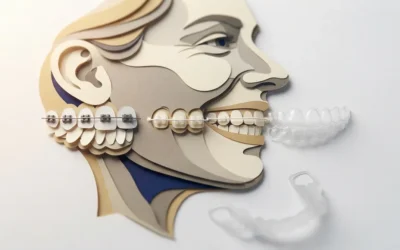
Teeth naturally shift after braces or aligners without consistent retainer wear; wearing the best retainer for your situation prevents most relapse and protects your orthodontic investment long-term.
-
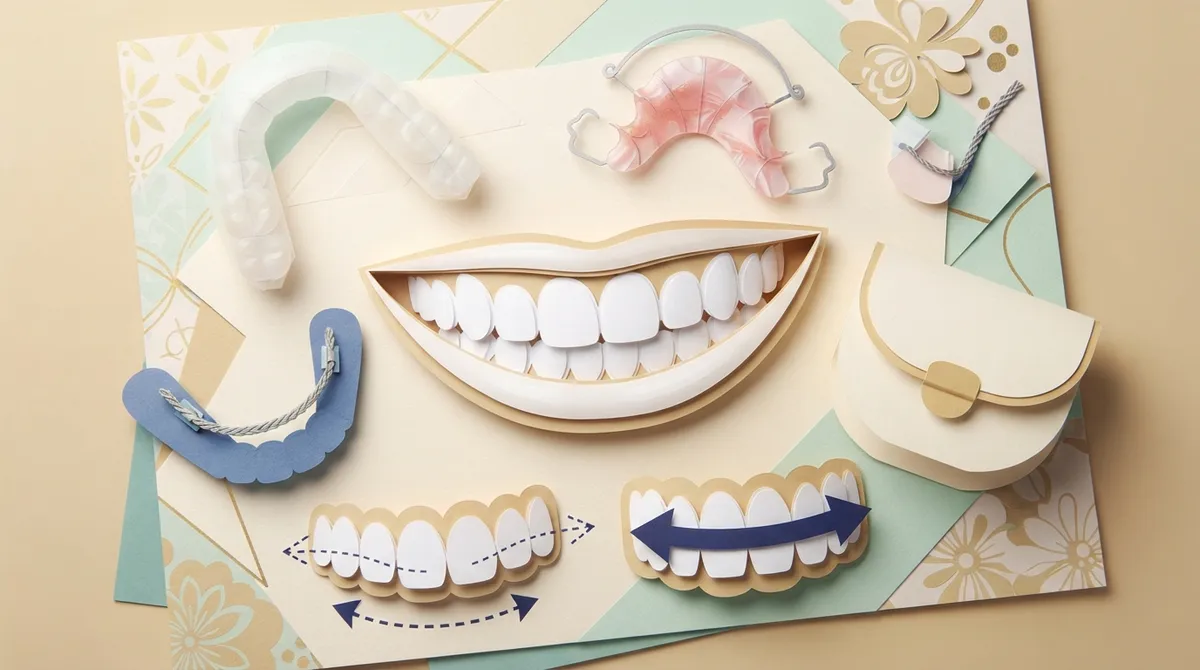
Clear removable retainers suit teens and professionals needing discretion, Hawley retainers offer durability and adjustability, and fixed bonded retainers work best for relapse-prone patients; many benefit from combining types for maximum protection.
-
Wear retainers full-time for the first few months, nightly for at least year one, then part-time indefinitely as recommended by your orthodontist to prevent tooth movement over time.
-
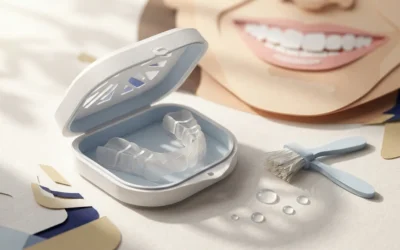
Clean retainers with cool water and mild soap using a soft brush, store in a protective case, and never use hot water or toothpaste on clear retainers to prevent warping, cracking, or scratching.
-
If your retainer feels tight, loose, or breaks, contact your orthodontist immediately as these are signs of tooth shift or damage; delaying repairs can undo months of progress and cost more than prompt replacement.
-
Avoid mail-order or DIY retainers without professional assessment, as they lack custom fitting and follow-up care; orthodontist-supervised retainers ensure proper fit and monitoring for your specific bite and needs.
So, your braces are off or your clear aligner journey is done. Congratulations! But here’s a little secret every orthodontist wishes patients knew sooner: finishing treatment is only half the story. The best retainers are what keep your teeth exactly where they belong, night after night, year after year. Without one, your smile can slowly drift back to its old habits, and nobody wants that after all the hard work you put in.
At Brockway Orthodontics in Clearwater, we’ve helped hundreds of families protect their finished smiles with the right retainer for their lifestyle. Whether you’re a parent making sure your teen actually wears theirs, a busy professional who wants something discreet, or someone returning after years without one, this guide breaks down everything you need to know. We’ll walk through the top retainer options, how to care for them, and how to know which one fits your life best.
Why Retainers Matter So Much After Orthodontic Treatment
Teeth are not permanently glued in place after braces or aligners. They sit in bone and gum tissue that can shift over time. This natural tendency is called relapse, and it happens to almost everyone who skips their retainer.
The good news? Wearing the best retainer for your situation, as recommended by your provider, can prevent most of this movement. Think of it like this: braces do the heavy lifting, but retainers protect that investment for the long haul. Our retainers program is built around this exact philosophy, helping patients keep the smile they worked so hard to achieve.
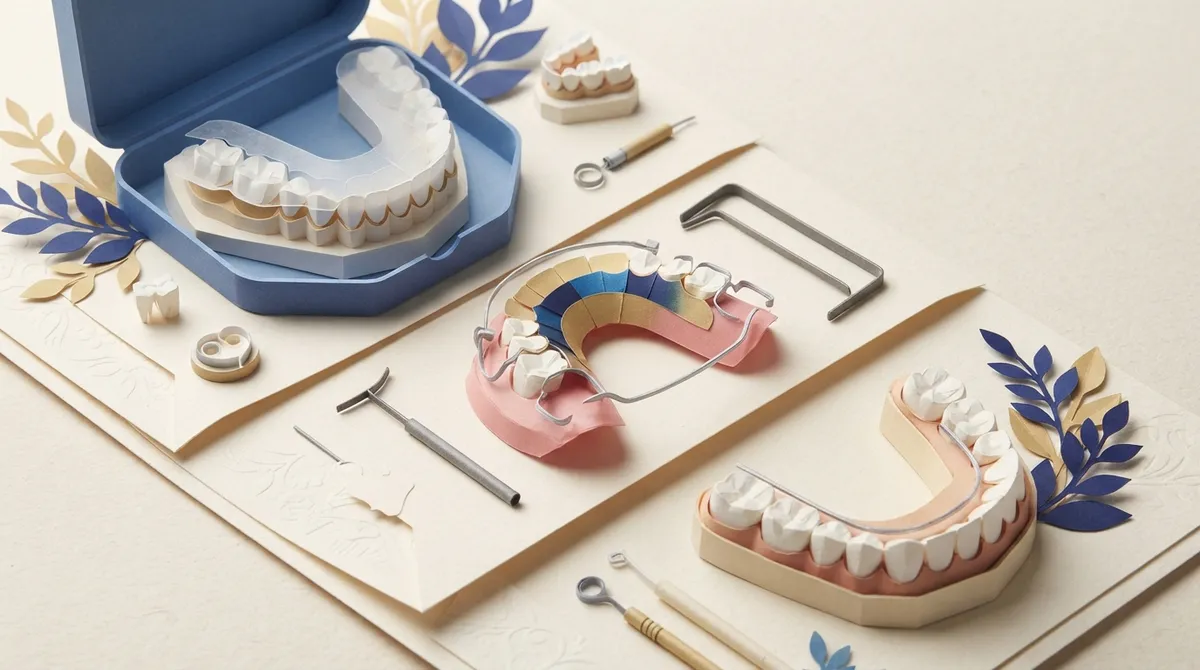
The 3 Main Types of Retainers, Ranked by Popularity
Not all retainers are the same, and the best one for you depends on your bite, your habits, and even your job. Here’s a ranked breakdown of the three main styles orthodontists recommend most.
1. Clear Removable Retainers (Essix Style)
These thin, see-through trays fit snugly over your teeth like a mouthguard. They’re extremely popular because they’re nearly invisible and comfortable for most patients.
- Great for teens and adults who want a discreet option
- Easy to take out for eating and brushing
- Can crack or warp if exposed to heat, like a hot car dashboard
- May need replacement every couple of years with normal wear
2. Hawley Retainers (Wire and Acrylic)
This classic design uses a acrylic base molded to your palate or the inside of your lower teeth, held in place with a visible wire. It’s been trusted for decades because it’s tough and adjustable.
- Extremely durable and long-lasting
- Can be adjusted by your orthodontist if small tweaks are needed
- The wire is more noticeable when you talk or smile
- May take a few days to get used to speaking clearly
3. Fixed Bonded Retainers
This is a thin wire bonded directly to the back of your front teeth, usually on the lower arch. Because it stays in place permanently, there’s no risk of forgetting to wear it.
- No daily compliance needed, it’s always working
- Invisible from the front since it’s behind the teeth
- Requires careful flossing and cleaning around the wire
- Needs regular checkups to make sure the bond hasn’t failed
Comparing Retainer Types Side by Side
| Retainer Type | Visibility | Durability | Daily Effort | Best For |
|---|---|---|---|---|
| Clear Essix Retainer | Very discreet | Moderate, may need replacement | Must remove to eat and drink | Teens, professionals, image-conscious patients |
| Hawley Retainer | Visible wire | Very durable | Must remove to eat and drink | Patients needing bite adjustment ability |
| Fixed Bonded Retainer | Invisible from front | Long-lasting with care | Always in place, no removal needed | Patients prone to relapse, busy schedules |
How to Choose the Best Retainer for Your Situation
Picking the right retainer isn’t a one-size-fits-all decision. Here’s a simple step-by-step way to think it through.
Steps to Finding Your Best Fit
- Think about your daily habits. Do you eat and drink often throughout the day, or do you have set mealtimes?
- Consider your job or school life. Do you need something invisible for meetings or presentations?
- Talk about your bite with your orthodontist. Some bites need a Hawley’s adjustability.
- Ask about combining types. Many patients get a fixed retainer plus a removable one for extra protection.
- Review your budget and insurance coverage for replacements down the road.
Many patients actually benefit from wearing more than one type at once, like a bonded retainer on the lower teeth paired with a removable clear retainer for the upper arch at night. This combination approach often gives the best long-term protection. Our team can walk you through your options during a first visit or follow-up consultation.
How Long and How Often Should You Wear Your Retainer
This is one of the most common questions we hear, and the honest answer is: it depends on your case. That said, general guidance looks something like this.
- Full-time wear for the first few months right after braces or aligners come off
- Nightly wear for at least the first year following treatment
- Alternating nights starting in year two, based on your orthodontist’s instructions
- Long-term, often lifelong, part-time wear to protect against relapse
Some clinics recommend nightly wear during year one, then switching to every other night from year two onward, continuing indefinitely. Your own plan may look different, so always follow what your orthodontist recommends rather than a generic timetable you find online.
Retainer Care 101: Keeping Yours in Great Shape
A retainer is only as good as the care you give it. Here are the basics every patient should know.
Daily Cleaning Tips
- Rinse with cool or lukewarm water after removing, never hot water
- Brush gently with a soft toothbrush and mild soap
- Avoid toothpaste on clear plastic retainers, since it can scratch or dull the surface
- Store in a hard protective case whenever it’s not in your mouth
- Never wrap it in a napkin or tissue, it’s one of the top ways retainers get thrown away by accident
These small habits go a long way toward extending the life of your appliance and keeping your mouth healthy. The American Dental Association also recommends routine cleaning of any removable oral appliance to reduce bacteria buildup.
What to Do If Your Retainer Doesn’t Fit Anymore
A tight, loose, or painful retainer is a signal, not something to ignore. Here’s what those signs might mean and what to do next.
- Tight retainer: This can mean your teeth have already started shifting back
- Loose or floppy fit: The retainer may be worn out or damaged
- Cracked or broken plastic: Stop wearing it and call your provider right away
- Broken fixed wire: This needs prompt attention to prevent further movement
Waiting too long to address these issues can undo months or years of progress. If something feels off, don’t wait for your next scheduled visit. Contact us so we can take a look and get you back on track quickly.
Retainer Replacement Costs: What to Expect
Replacement costs vary depending on your provider, the type of retainer, and whether one or both arches need coverage. In some public health systems, replacement fees during a supported retention period have run under $100, with private replacement costs somewhat higher afterward. Prices at private practices in the U.S. will differ based on location and materials used.
The bigger point is this: replacing a retainer promptly is almost always cheaper than paying for another round of orthodontic treatment because teeth shifted back. Think of retainer replacement as a small investment that protects a much bigger one.
Why DIY or Mail-Order Retainers Come With Risks
It might be tempting to order a cheap retainer online without seeing an orthodontist. But this shortcut skips several important safety steps.
- No professional assessment of your current bite or tooth position
- No accurate impressions, which can lead to a poor, ineffective fit
- No follow-up care if something feels wrong
- Risk of using an appliance that doesn’t match your specific needs
Orthodontist-supervised retainers, like the ones we provide at Brockway Orthodontics, are custom-fitted and monitored over time. This kind of personalized care is something the Florida Association of Orthodontists strongly encourages for anyone finishing treatment.
Living With a Retainer: Everyday Do’s and Don’ts
Once you have your retainer, a few simple habits will help it last and keep your smile protected.
- Do remove removable retainers before eating anything besides plain water
- Do take it out for contact sports unless told otherwise by your orthodontist
- Don’t leave it sitting out where pets or siblings might grab it
- Don’t skip your scheduled checkups, especially with fixed retainers
- Do bring your retainer to every follow-up appointment so your provider can inspect it
These habits are simple, but they make a real difference in how long your retainer lasts and how well it protects your smile.
Who Benefits Most From Each Retainer Type
Different patients have different needs, so let’s break down who tends to do best with each option.
Parents of Kids and Teens
Younger patients often do well with clear removable retainers because they’re comfortable and easy to explain. However, fixed retainers can be a smart backup for teens who may forget to wear a removable one consistently. Our adolescent treatment program includes retainer guidance built for busy family schedules.
Teens and Young Adults
For teens heading into prom season or graduation photos, clear retainers offer confidence without a mouth full of visible wire. They’re also easy to remove for sports and social events.
Adult Professionals
Adults juggling meetings and client calls often prefer the low-profile look of clear retainers or the “set it and forget it” convenience of a fixed retainer. Our adult treatment options are designed with these lifestyles in mind.
Patients Returning After Relapse
If your teeth have shifted after previous treatment, you already know how frustrating relapse can be. A combination of fixed and removable retainers is often recommended to give your smile extra protection this time around.
How Brockway Orthodontics Supports Your Retention Journey
Led by Dr. Brockway, our Clearwater practice focuses on more than just finishing your active treatment. We walk with you through the retention phase too, because that’s where your results get locked in for good. From Spark Clear Aligners to traditional and ceramic braces, every treatment plan we build includes a clear path toward long-term retention.
We use modern tools like digital impressions and 3D imaging to design retainers that fit precisely and comfortably. This means less irritation, a better fit, and a smoother experience overall. Curious what other patients say about their experience? You can see what our Brockway Orthodontics patients say on Google, or follow along with real patient stories on Instagram and Facebook.
Bringing It All Together
Choosing the best retainer isn’t about finding a single perfect product, it’s about matching the right appliance to your bite, your habits, and your goals. Clear removable retainers, Hawley retainers, and fixed bonded retainers each shine in different situations, and sometimes a combination works best. What matters most is sticking with your orthodontist’s plan and taking good care of whatever retainer you choose.
If you’re finishing treatment soon, dealing with a retainer that no longer fits, or simply want a second opinion on your retention plan, our Clearwater team is here to help. Ready to protect your smile for the long run? Book your appointment online today and let’s make sure your beautiful new smile stays exactly where it belongs.
FAQs
Q: What type of retainer is best after braces?
A: There’s no single best retainer for everyone, it really depends on your bite and lifestyle. Many patients do great with clear removable retainers, while others benefit from a fixed retainer for round-the-clock protection. Your orthodontist can help you figure out which option, or combination of options, fits your smile best.
Q: Are clear Essix retainers better than Hawley retainers?
A: Both have their perks, so it’s not really about one being universally better. Clear retainers are more discreet and comfortable for many patients, while Hawley retainers are tougher and can be adjusted if your bite needs small tweaks. We’ll help you weigh the pros and cons based on your specific case.
Q: Do I need to wear my retainer forever?
A: Pretty much, yes, at least part-time. Teeth naturally want to shift over the years, so most orthodontists recommend nighttime wear indefinitely to protect your results. Think of it as a small nightly habit that keeps your smile looking exactly how you want it.
Q: What should I do if my retainer no longer fits?
A: Don’t wait it out, give your orthodontist a call as soon as possible. A tight or uncomfortable retainer often means your teeth have started to shift, and quick action can prevent bigger problems. We’re always happy to take a look and get things back on track.
Q: How much do replacement retainers cost?
A: Costs vary depending on the type of retainer and your location, but replacing one is almost always cheaper than repeating orthodontic treatment. Some clinics charge under $100 during a supported retention period, with slightly higher fees afterward. We can walk you through pricing during your visit so there are no surprises.
Our Service Area