Key Takeaways
-
Stop wearing a damaged or ill-fitting retainer immediately and call your orthodontist within days, as teeth can shift surprisingly fast without retention and waiting too long is the biggest mistake patients make.
-
Clear plastic retainers cost $100-$300, Hawley retainers $150-$350, and fixed retainers $250-$550 per arch, with most replacements ready within one to two weeks using digital scanning technology.
-
If teeth have shifted noticeably since losing your retainer, your orthodontist may recommend a short course of treatment with aligners or braces before fitting a new retainer rather than replacement alone.
-
Never attempt DIY repairs on damaged or loose retainers, especially fixed bonded wires, as improper positioning can pull teeth out of alignment or irritate gums.
-
Clean your new retainer daily with soft toothbrush and cool water, store it in its case, keep it away from pets, and never wrap it in napkins to maximize its lifespan of 1-10+ years depending on type.
-
Insurance coverage for replacement retainers varies by plan; call your provider directly before your appointment to confirm whether your policy covers retainer replacement beyond initial treatment.
So your retainer went missing, cracked in half, or just doesn’t snap into place like it used to? You’re definitely not alone. Life happens to retainers all the time, whether they get left on a lunch tray, chewed by a curious puppy, or simply worn out after years of loyal service. The good news is that getting a new retainer is a normal part of orthodontic care, and it doesn’t have to be stressful. In this guide, we’ll walk you through exactly what to do, what it costs, and how to keep your smile looking its best for years to come. Whether you’re a parent managing a teen’s braces journey, a busy professional who just finished Invisalign, or someone returning to orthodontics after a bit of relapse, this article has you covered. Let’s get your smile back on track.
Why You Might Need a New Retainer
Retainers work hard behind the scenes to keep your teeth exactly where your orthodontist worked so hard to put them. Over time, though, things happen. Here are the most common reasons patients need to get a new retainer:
- It’s lost, misplaced, or accidentally thrown away
- It’s cracked, warped, or has visible damage
- It no longer fits snugly or feels loose
- It’s uncomfortable or hard to clean properly
- Your teeth have shifted slightly since your last checkup
- Your fixed (bonded) retainer has come loose or broken
If your retainer feels tight, doesn’t seat all the way, or pops out unexpectedly, that’s often a sign your teeth have moved. This is your body’s way of saying it’s time for a professional look, not a DIY fix.

What to Do the Moment You Notice a Problem
Here’s a simple step-by-step plan to follow the moment you realize something’s wrong with your retainer:
- Stop wearing the damaged or ill-fitting retainer right away
- Do not try to bend, glue, or reshape it yourself
- Call your orthodontic office and explain the situation
- Schedule an evaluation as soon as possible
- Bring your old retainer or pieces to the appointment, if you still have them
- Follow your orthodontist’s plan for a replacement or, if needed, minor corrective treatment
Waiting too long is the biggest mistake people make. Teeth can shift surprisingly fast without a retainer holding them steady. Our team at Brockway Orthodontics always encourages patients in Clearwater to reach out quickly rather than wait and hope things stay put.
Should You Wear a Broken Retainer While You Wait?
It’s tempting to keep wearing a cracked or tight retainer just to feel like you’re doing something. But this can actually cause more harm than good. A damaged appliance can poke your gums, apply pressure unevenly, or push teeth in the wrong direction. It’s better to go without your retainer for a few days than to force in a broken one. Your orthodontist would much rather see you sooner without it than deal with new alignment issues later.
Types of Replacement Retainers
Not all retainers are the same, and the right one for you depends on your smile, your habits, and your orthodontist’s recommendation. Here’s a quick breakdown of the most common options:
| Retainer Type | Material | Typical Lifespan | Best For |
|---|---|---|---|
| Clear (Essix-style) | Vacuum-formed plastic | 1-3 years | Patients wanting a discreet, nearly invisible option |
| Hawley | Acrylic and metal wire | 5-10+ years | Durability and easy adjustments |
| Fixed (Bonded) | Thin wire bonded behind teeth | 5-10+ years | Patients who want a “set it and forget it” option |
Some patients also ask about Invisalign Vivera retainers, which are a premium clear option often sold in sets of four. Whatever style fits your lifestyle, our team can walk you through the pros and cons during your visit. Check out our full range of services to see how retainers fit into your overall orthodontic care plan.
How Much Does a Replacement Retainer Cost?
Cost is one of the top questions we hear, and it’s a fair one. Prices vary depending on the type of retainer, your location, and whether one or both arches need replacing. Here’s a general idea of what patients typically pay in the United States:
| Retainer Type | Estimated Cost (Per Arch) |
|---|---|
| Clear plastic retainer | $100 – $300 |
| Hawley retainer | $150 – $350 |
| Fixed/bonded retainer replacement | $250 – $550 |
| Invisalign Vivera (set of four) | $400 – $1,200 |
These numbers can shift based on your provider and whether insurance helps cover the cost. It’s always best to confirm current pricing directly with your orthodontic office. Our financing and insurance options page has more details on how we help make treatment affordable for Clearwater families.
Does Insurance Cover a New Retainer?
Coverage really depends on your specific plan. Some dental or orthodontic insurance policies include a certain amount toward retainer replacement, especially if it’s tied to a recent treatment plan. Others may only cover retainers issued right after braces or aligners come off, treating anything after that as an out-of-pocket expense. If you’re in a public health system like the NHS in the UK, there are often specific rules: providers typically offer a minimum period of supervised retention, and lost or negligently broken retainers may come with a fee, while genuine wear and tear might be covered. In the U.S., it’s smart to call your insurance provider directly and ask what’s included before your appointment.
Can You Get a New Retainer if Your Teeth Have Already Shifted?
This is a big one, and the honest answer is: it depends. If your teeth have moved just a little, a new retainer alone might be enough to hold them steady again. But if there’s been noticeable shifting, a replacement retainer might not fit correctly or fully correct the movement. In these cases, your orthodontist may recommend a short round of limited treatment, like a few aligner trays or a brief period with braces, before making your new retainer. This is actually pretty common for adult patients returning after years without a retainer. There’s no shame in it. Life gets busy, retainers get forgotten, and teeth do what they naturally want to do without something holding them in place.
How Long Does It Take to Get a New Retainer?
Most replacement retainers can be made within one to two weeks after your orthodontist takes a new scan, impression, or model of your teeth. Some offices offer faster turnaround, especially with digital scanning technology instead of old-school putty impressions. During your first visit, expect the following:
- A quick clinical exam to check your current tooth alignment
- A digital scan or physical impression of your teeth
- A conversation about which retainer type best fits your needs
- An estimated timeline and cost breakdown
- A follow-up appointment to receive and fit your new retainer
At Brockway Orthodontics, we use modern digital scanning tools that make this process faster and far more comfortable than old-fashioned molds. If you’re new to our office, learn more about what to expect during your first visit.
Caring for Your New Retainer So It Lasts
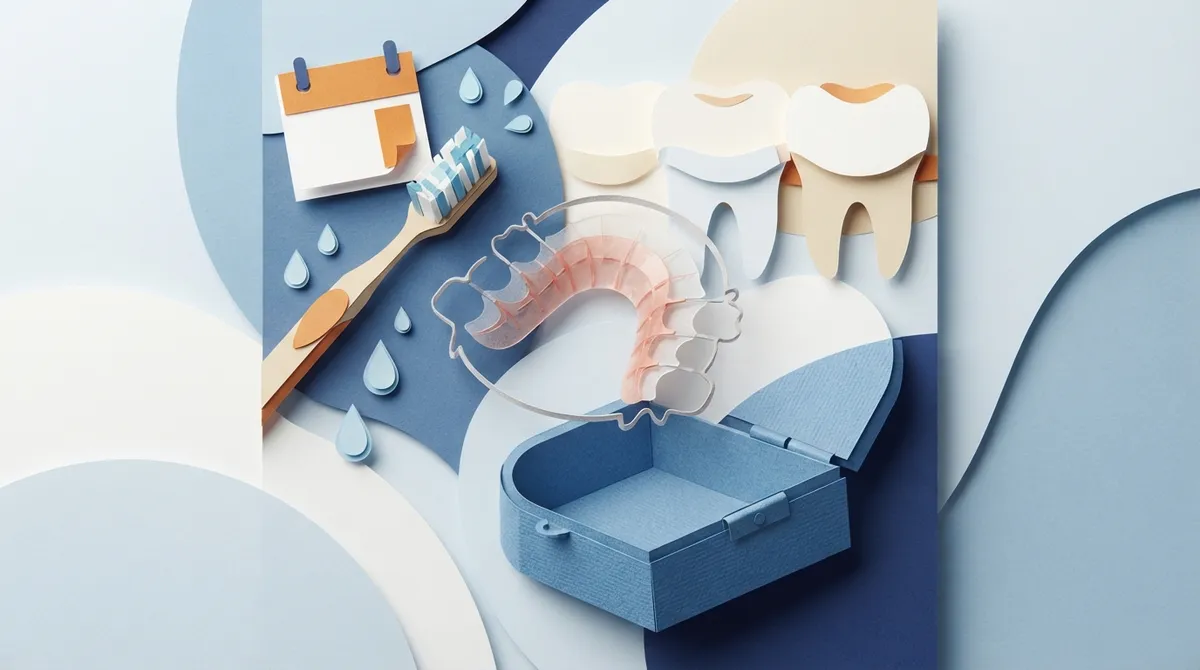
Once you have your shiny new retainer, a little care goes a long way. Follow these simple habits to help it last as long as possible:
- Clean it daily with a soft toothbrush and cool or lukewarm water
- Avoid hot water, which can warp plastic retainers
- Store it in its case whenever it’s not in your mouth
- Keep it away from pets, who love to chew on them
- Never wrap it in a napkin, since it’s easy to accidentally toss
- Brush and floss carefully around fixed retainers to prevent plaque buildup
According to the American Association of Orthodontists, retainers may be needed for a lifetime, though the amount of wear time often decreases over the years. Many patients move from full-time wear to nighttime-only wear once their teeth have settled. Good habits now can save you money and hassle later.
Fixed Retainers: Special Care Notes
If you have a bonded retainer behind your front teeth, a few extra rules apply. Never try to fix a loose or broken wire yourself, even if it seems like a simple bend. An improperly positioned wire can actually pull teeth out of alignment or irritate your gums. Instead, call your orthodontist right away for a professional repair or rebonding. Regular dental checkups also matter here, since food particles love to hide around bonded wires. The American Dental Association recommends consistent brushing and flossing routines, which become even more important when you have a fixed retainer to care for.
Signs It’s Time to Call Your Orthodontist
Not sure if your situation counts as a real issue? Here’s a quick checklist:
- Your retainer doesn’t sit flush against your teeth anymore
- You notice new gaps or crowding since you last wore it
- Your retainer cracked, snapped, or has sharp edges
- You can’t remember the last time you wore it regularly
- Your fixed retainer feels loose or you notice a poking wire
If any of these sound familiar, it’s time to reach out. Our friendly team at Brockway Orthodontics in Clearwater is always happy to help assess your smile and figure out the best next step.
Why Choose Brockway Orthodontics for Your Retainer Needs
Dr. Brockway and her team believe that orthodontic care doesn’t end when your braces come off or your last aligner tray is finished. Retention is just as important as the treatment itself, and we treat every retainer conversation with the same care and attention we give to full smile transformations. Whether you need a simple clear retainer or a more durable Hawley design, we’ll walk you through your options in plain, friendly language. We also offer Spark™ Clear Aligners as an affordable alternative for patients who need a bit of realignment before a new retainer is made. Curious what other Clearwater families think? You can visit us on Google — Brockway Orthodontics to read real patient reviews.
A Few Extra Tips for Parents and Teens
Retainers and teenagers can be a tricky combination. Between sports practices, school lunches, and general teenage chaos, retainers sometimes go missing more often than parents would like. Here are a few tried-and-true tips:
- Get a bright, easy-to-spot retainer case that won’t blend in with backpacks
- Set a phone reminder for nighttime wear if your teen tends to forget
- Keep a small backup fund in mind for replacement costs
- Encourage your teen to bring the case whenever the retainer comes out to eat
Our adolescent treatment programs include plenty of retainer education so teens understand why this small habit protects years of hard work.
Ready to Get Started?
Getting a new retainer doesn’t have to feel overwhelming. With the right team by your side, it’s a quick, straightforward process that protects the smile you worked so hard to achieve. If your retainer is lost, broken, or just not fitting right anymore, don’t wait around hoping things will fix themselves. Book appointment online today, and let Dr. Brockway and her caring team in Clearwater help you get back on track. You can also contact us with any questions about pricing, timing, or which retainer type is right for you. Your smile deserves it, and we’re here to help every step of the way. Follow along with more smile tips and patient stories on our Instagram and Facebook pages, or connect with us on LinkedIn. For more general orthodontic guidance, the Florida Association of Orthodontists is also a great resource for patients across the state.
FAQs
Q: How do I know if I need a new retainer?
A: If your retainer feels loose, tight, cracked, or just doesn’t seat like it used to, that’s your cue to call your orthodontist. Trust your gut here! It’s much easier to catch small shifts early than to deal with bigger changes down the road.
Q: How much does it cost to get a replacement retainer?
A: It really depends on the type you choose. Clear retainers usually run $100 to $300 per arch, Hawley retainers are around $150 to $350, and fixed retainer replacements can be $250 to $550. We’re happy to walk you through exact pricing during your visit.
Q: Can I get a new retainer if my teeth have already shifted?
A: Yes, in many cases! If the shift is minor, a new retainer alone might do the trick. If it’s more noticeable, your orthodontist might suggest a short round of treatment first so your new retainer fits just right.
Q: Should I wear a cracked or tight retainer while waiting for a replacement?
A: It’s best not to. A damaged retainer can irritate your gums or push teeth in the wrong direction. It’s safer to go without it for a few days than to force in something broken.
Q: How often should orthodontic retainers be replaced?
A: Clear retainers typically last one to three years, while Hawley and fixed retainers can last five to ten years or longer with good care. Everyone’s timeline looks a little different, so regular checkups help you stay on schedule.
Our Service Area