Key Takeaways
-
Wear your removable bottom retainer consistently according to your orthodontist's schedule—research shows about 10 hours daily may maintain results, and skipping days allows teeth to shift surprisingly fast.
-
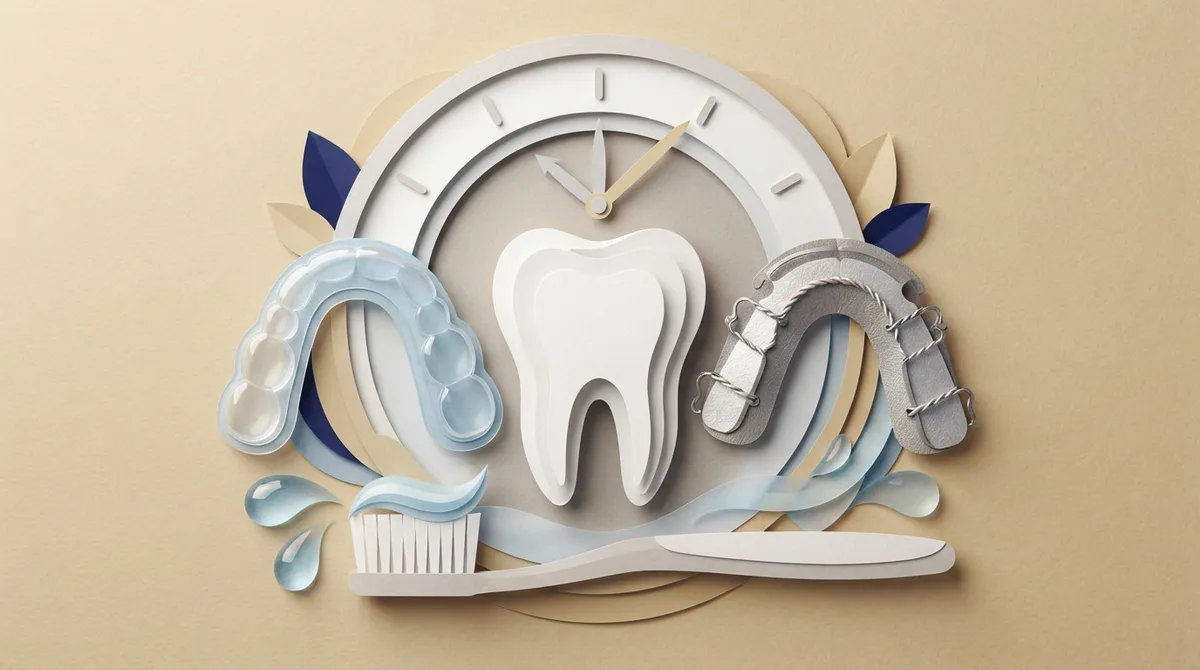
There are two main types: clear thermoplastic retainers (nearly invisible, snug-fitting) and Hawley retainers (durable, adjustable metal-and-acrylic design)—both are effective, so choose based on your lifestyle and preferences.
-
Removable retainers show slightly less stability than fixed bonded retainers (about 0.6mm average difference), but remain highly effective when worn consistently and combined with good compliance.
-
Clean your retainer by rinsing with cool water, brushing gently with a soft toothbrush, and soaking in approved solutions—avoid hot water, bleach, and regular toothpaste to prevent warping or damage.
-
Retainer wear is a lifelong commitment; teeth naturally shift throughout life, so orthodontists recommend some form of long-term wear even if just a few nights weekly to prevent costly retreatment.
-
If your retainer stops fitting well, contact your orthodontist immediately rather than forcing it—ill-fitting retainers can damage your teeth, and early intervention makes fixes easier and less expensive.
So your braces are finally off, or your Spark™ clear aligner treatment just wrapped up. Congratulations! That new smile deserves a huge celebration. But before you get too comfortable, there’s one small appliance that plays a big role in your future: the removable bottom retainer. Think of it as your smile’s best friend, quietly working behind the scenes to keep your lower teeth exactly where your orthodontist worked so hard to put them.
At Brockway Orthodontics in Clearwater, we see it all the time. Patients finish treatment feeling amazing, then get a little too relaxed about retainer wear. We totally understand why! Life gets busy. But we’re here to walk you through everything about removable bottom retainers, from how they work to how to keep yours in tip-top shape for years to come.
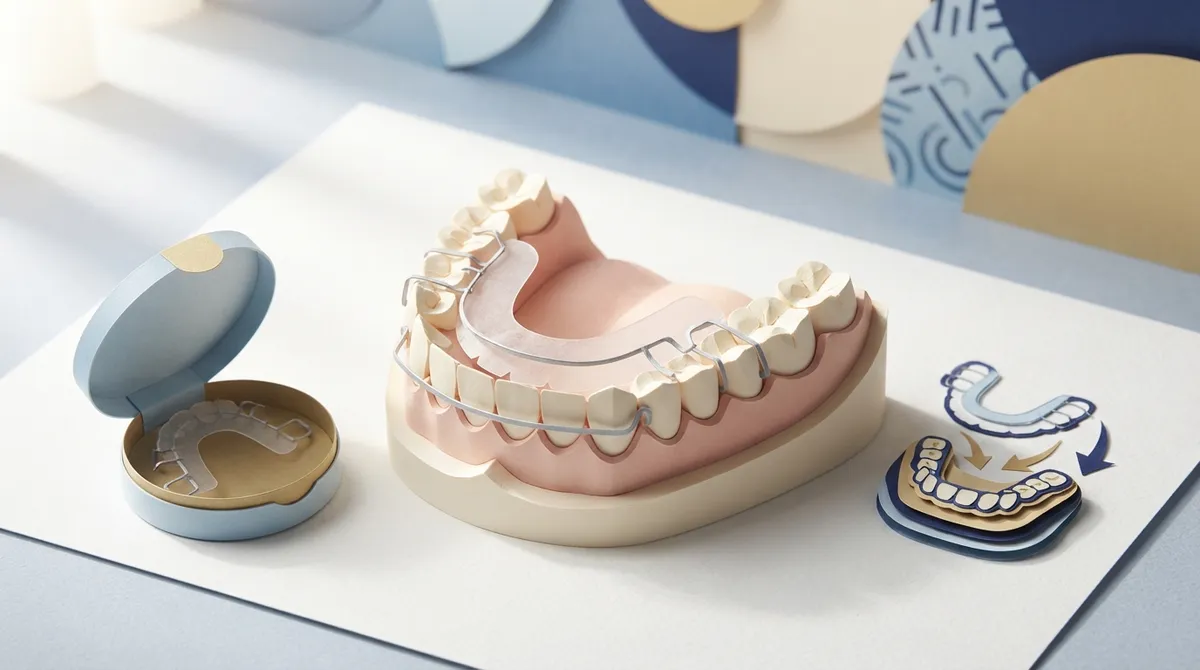
What Is a Removable Bottom Retainer, Exactly?
A removable bottom retainer is a custom-made appliance that fits over or around your lower teeth. You wear it after finishing braces or clear aligner treatment. Its job is simple but important: it stops your teeth from drifting back toward their old positions.
Unlike a fixed wire that’s bonded to your teeth, a removable retainer pops in and out whenever needed. This makes life easier for eating, brushing, and special occasions. Learn more about how retainers fit into your overall treatment plan on our website.
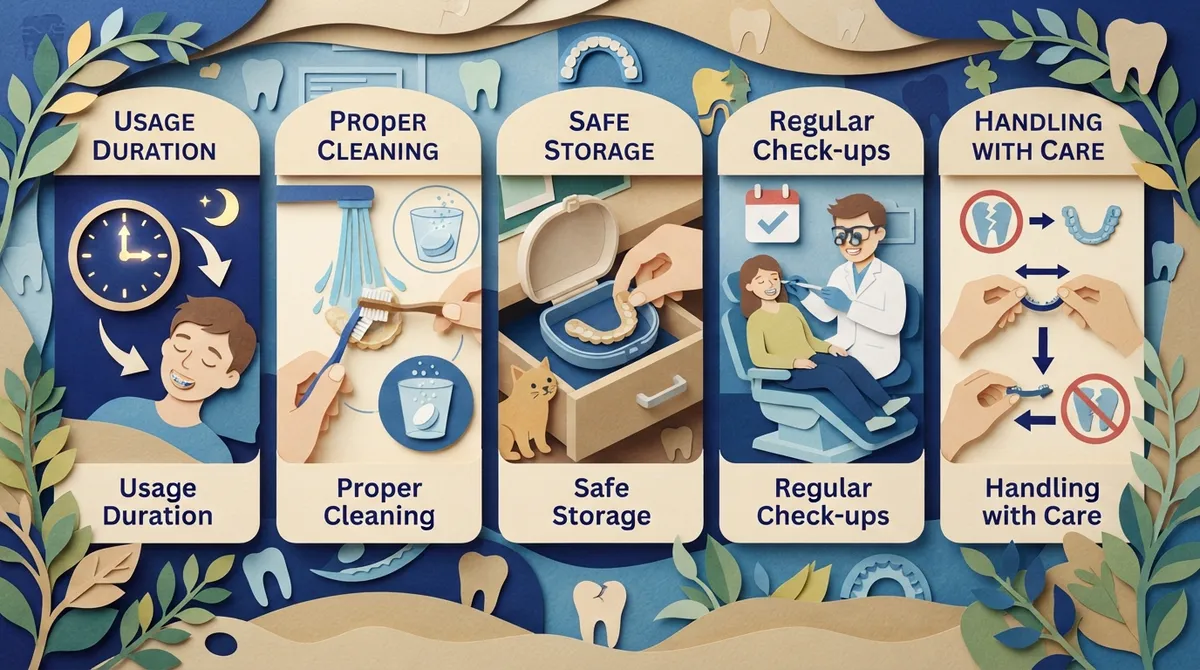
5 Things Every Patient Should Know About Removable Bottom Retainers
Ready for the good stuff? Here are five essential facts that will help you get the most out of your bottom retainer.
1. There Are Two Main Types, and Both Work Well
Most orthodontists prescribe one of two removable retainer styles for the lower arch. Each has its own perks, and Dr. Brockway will help you figure out which one fits your smile and lifestyle best.
- Clear thermoplastic retainers (Essix-style): These are clear, snug-fitting trays that look similar to clear aligners. They’re nearly invisible and popular with teens and adults who want a discreet option.
- Hawley retainers: These have a pink acrylic base that sits against the roof of your mouth or floor of your mouth, plus a thin metal wire across the front teeth. They’re durable and adjustable.
Research doesn’t point to one style being universally better than the other. A comprehensive review of retention studies found both designs are generally effective, though outcomes can depend on your specific bite, habits, and how well you stick to the wear schedule.
| Feature | Clear Thermoplastic Retainer | Hawley Retainer |
|---|---|---|
| Visibility | Nearly invisible | Visible metal wire |
| Durability | Can wear down over time | Long-lasting, repairable |
| Comfort | Snug, smooth fit | Slightly bulkier |
| Adjustability | Cannot be adjusted | Can be adjusted by orthodontist |
| Speech Impact | Minimal | Mild adjustment period |
2. Wear Time Matters More Than You Think
Here’s the honest truth: a removable retainer only works if you actually wear it. Right after treatment, most patients are asked to wear their retainer nearly full-time. Over time, that schedule usually shifts to nighttime wear only.
A 2023 systematic review found that wearing a removable retainer for about 10 hours a day may be enough to maintain results in many cases. But don’t take that as a blanket rule. Your orthodontist will personalize your schedule based on your teeth, your treatment history, and how your bite settles.
Skipping days here and there might not seem like a big deal, but teeth can shift surprisingly fast. That’s why sticking to your prescribed schedule is one of the simplest things you can do to protect your investment in your smile.
3. Removable Retainers Are Slightly Less Stable Than Fixed Retainers, But Still Very Effective
Let’s talk numbers for a second. A well-known 2016 Cochrane review looked at 15 studies involving over 1,700 participants. It found that thermoplastic removable retainers showed slightly less lower-arch stability compared to bonded fixed retainers, with a small average difference of about 0.6 mm.
A more recent 2024 comparative study echoed this pattern, showing slightly more relapse with removable retainers versus permanent bonded ones. That said, these differences are often minor for many patients, and removable retainers remain a trusted, effective choice, especially when combined with excellent compliance.
If you’re weighing your options, our team can walk you through the pros and cons of each retainer type during your visit. Every mouth is different, and what works great for one patient may not be the best fit for another.
4. Cleaning and Storage Habits Make or Break Your Retainer
Your retainer lives in your mouth for hours every day, so keeping it clean isn’t optional. The good news? It’s not complicated either.
- Remove your retainer before eating or drinking anything besides water, unless told otherwise.
- Rinse it with cool or lukewarm water right after taking it out.
- Brush it gently with a soft toothbrush, avoiding your regular toothpaste, which can be too abrasive.
- Soak it occasionally in an approved retainer-cleaning solution.
- Store it in its protective case whenever it’s not in your mouth.
Avoid hot water, bleach, and alcohol-based cleaners. These can warp or damage your retainer, ruining that perfect fit your orthodontist worked so hard to create. The American Dental Association echoes this advice, recommending gentle, non-abrasive cleaning methods for all oral appliances.
5. A Retainer Is a Long-Term Commitment, Not a One-Time Fix
Here’s something that surprises a lot of patients: retainer wear doesn’t really end. Teeth can shift throughout life due to natural aging, gum tissue tension, and everyday bite changes. That’s just how mouths work!
Most orthodontists, including Dr. Brockway, recommend some form of long-term retainer wear, even if it’s just a few nights a week once your teeth have settled. Stopping completely increases your risk of relapse, which could mean needing retreatment down the road. If you’ve been down that road before, you already know how frustrating that can be. Check out our resources on braces treatment and Spark™ Clear Aligners if you’re facing a second round of treatment.
What If Your Bottom Retainer Doesn’t Fit Anymore?
This happens more often than you’d think. Maybe you skipped a few weeks of wear, or maybe your retainer got a little warped from sitting in a hot car. Whatever the reason, don’t try to force it into place.
Forcing an ill-fitting retainer can hurt your teeth or damage the appliance further. Instead, reach out to your orthodontic office right away. A 2016 systematic review on fixed retainers found failure rates between 25% and 29% for certain bonded retainers, which reminds us that all retention devices need occasional maintenance, removable or not.
Here’s what typically happens when a retainer stops fitting well:
- Your orthodontist examines your teeth to check for shifting.
- Minor movement may be corrected with a new retainer.
- More noticeable shifting might need a short round of clear aligners.
- Your orthodontist will discuss a new wear plan going forward.
Don’t wait too long to address the issue. The sooner you get it checked, the easier the fix usually is. Our friendly team at Brockway Orthodontics is always happy to help Clearwater patients get back on track.
Signs You Need to Call Your Orthodontist
Not sure if your retainer issue is a big deal or not? Here’s a quick checklist to help you decide.
- The retainer feels unusually tight or loose compared to before.
- You notice cracks, warping, or discoloration.
- It’s painful to insert or remove.
- You’ve gone more than a few days without wearing it as prescribed.
- Your teeth look visibly different from your after-treatment photos.
If any of these sound familiar, it’s time to schedule a check-up. Catching small problems early can save you a lot of hassle later.
Why Clearwater Families Trust Brockway Orthodontics for Retainer Care
Dr. Brockway believes education is just as important as treatment. That’s why our team takes time to explain exactly how your removable bottom retainer works, how to care for it, and what to expect long term. We want every patient, whether you’re a teenager fresh out of braces or an adult navigating retreatment, to feel confident and supported.
We proudly serve families throughout Clearwater and the surrounding Pinellas County area, offering modern technology like digital impressions to make your retainer fitting process quick and comfortable. No messy molds required! Curious what other patients think of our care? You can visit us on Google — Brockway Orthodontics to read real reviews from our community.
You can also connect with us on Instagram or Facebook to see smile transformations and get helpful tips between appointments. And if you’re just starting your orthodontic journey, our page on your first visit walks you through exactly what to expect.
Quick Comparison: Removable vs. Fixed Bottom Retainers
Trying to decide which retention option is right for you? Here’s a simple side-by-side look based on current research.
| Factor | Removable Retainer | Fixed (Bonded) Retainer |
|---|---|---|
| Ease of Cleaning | Very easy, removes fully | Requires floss threaders |
| Compliance Needed | High, patient must wear it | Low, always in place |
| Stability (per Cochrane review) | Slightly less stable | Slightly more stable |
| Risk of Breakage | Can crack or warp | Wire can debond (25-29% failure risk) |
| Flexibility | Can remove for eating/events | Cannot be removed |
For guidance on which option fits your needs, our page comparing fixed vs. removable retainers breaks it down even further.
Caring for Your Smile Is a Team Effort
We know retainer care might feel like a small detail in the grand scheme of your orthodontic journey, but it truly makes a difference. Your removable bottom retainer is the final piece of the puzzle after all that hard work with braces or aligners. Treat it well, and it will treat your smile well right back.
The Florida Association of Orthodontists emphasizes that consistent retainer wear is one of the most important factors in long-term orthodontic success. We couldn’t agree more, and we’re here to support you every step of the way, whether that’s your first retainer fitting or a replacement years down the line.
Ready to Protect Your Smile for the Long Run?
Whether you just finished treatment or you’re noticing some shifting and need a retainer check, our Clearwater team is here to help. Dr. Brockway and her staff genuinely care about your comfort, your questions, and your confidence. Ready to get started? Book appointment online today, or feel free to get in touch with our team if you have any questions about your removable bottom retainer. We can’t wait to help you keep that beautiful smile shining for years to come!
FAQs
Q: What is a removable bottom retainer?
A: A removable bottom retainer is a custom appliance you wear after braces or clear aligner treatment to keep your lower teeth from shifting back. You can take it in and out for eating, brushing, and special occasions, which many patients love for its flexibility!
Q: How long should I wear my removable lower retainer after braces?
A: Most patients wear their retainer nearly full-time at first, then shift to nighttime wear only. Your orthodontist will give you a personalized schedule, so always follow their specific guidance for the best results.
Q: Is a clear lower retainer better than a Hawley retainer?
A: Both work well, and research hasn’t found one to be universally superior. It really comes down to your comfort, esthetic preferences, and what your orthodontist recommends for your specific smile.
Q: What should I do if my bottom retainer no longer fits?
A: Don’t force it into place, as this can hurt your teeth or damage the retainer. Give your orthodontic office a call right away so they can check your teeth and figure out the best next step.
Q: How do I clean and store my removable lower retainer?
A: Rinse it with cool water, brush it gently with a soft toothbrush, and soak it occasionally in an approved cleaning solution. Always store it in its case when you’re not wearing it, and keep it away from heat and pets.
Our Service Area