
Key Takeaways
-
Studies show special healthcare needs populations have significantly higher rates of bite problems—nearly 29% of children with mental disabilities need orthodontic treatment versus 10% with sensory impairments—making early evaluation by age seven essential.
-
Successful special needs orthodontics requires careful appliance selection based on sensory sensitivities, hygiene ability, and compliance; traditional braces, ceramic braces, and clear aligners each have distinct advantages for different patients.
-
Preparation strategies like tell-show-do explanations, shorter appointments, visual schedules, and caregiver presence during visits significantly reduce anxiety and build patient comfort before treatment begins.
-
Oral hygiene during treatment is critical for special needs patients; data shows over 76% of special-care patients needed periodontal therapy, making daily brushing support with electric toothbrushes and visual timers essential.
-
Treatment goals should shift from cosmetic perfection to functional outcomes like improved chewing, clearer speech, easier hygiene, and reduced trauma risk, tailored to what matters most to each patient and family.
-
Coordinated care involving the general dentist, orthodontist, medical specialists, and caregivers creates safer, more realistic treatment plans; sedation can be considered with physician collaboration when anxiety or communication barriers exist.
Every child and adult deserves a smile they feel good about. That includes patients with autism, Down syndrome, cerebral palsy, ADHD, or other developmental and medical conditions. Special needs orthodontics is all about meeting each patient where they are. It means adjusting how we communicate, how we schedule visits, and even which appliances we use. At Brockway Orthodontics, we believe disability should never be a reason to skip out on a healthy, confident smile.
If you’re a parent in Clearwater wondering whether your child with special healthcare needs can get braces, you’re not alone. Many families ask this question. The good news is that research shows treatment is possible for most patients. Success just depends on the right plan, the right pace, and a caring team behind you.
What Is Special Needs Orthodontics?
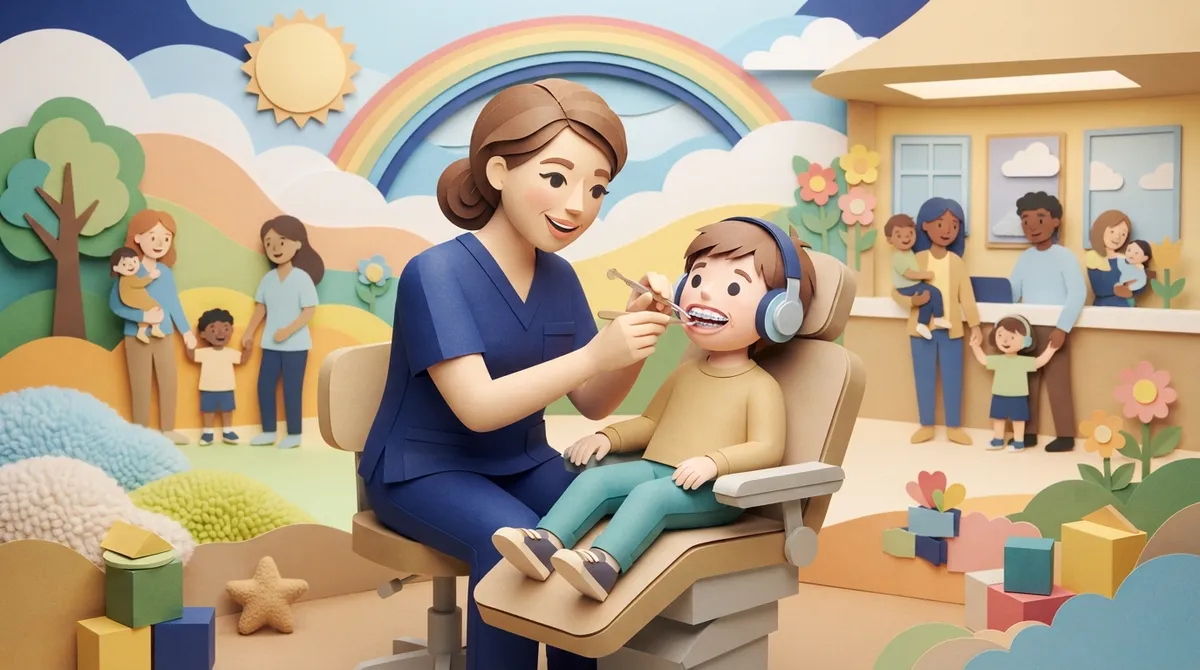
Special needs orthodontics is orthodontic care built around each person’s unique challenges. This can include physical, developmental, intellectual, sensory, or behavioral conditions. It also covers complex medical needs that require extra planning before, during, and after treatment.
This type of care is not a completely different kind of treatment. Instead, it’s the same high-quality braces or clear aligner treatment, adapted with patience and creativity. The goal stays the same: a healthy bite, easier chewing, better hygiene, and a smile the patient loves.
Who Benefits From This Type of Care?
Many different patients benefit from a more personalized approach to orthodontics. Common groups include:
- Children and adults with autism spectrum disorder
- Patients with Down syndrome
- Individuals with cerebral palsy or other motor conditions
- People with intellectual or developmental disabilities
- Patients with ADHD or sensory processing differences
- Those with craniofacial conditions like cleft lip and palate
- Patients with significant medical conditions requiring coordinated care
Each patient is different, so no two treatment plans look exactly alike. That’s why an individual evaluation matters so much before starting any treatment.

Why Special Needs Patients May Need Orthodontic Care More Often
Studies show that some special healthcare needs populations have higher rates of malocclusion, or bite problems, than the general population. One 2010 study of students in special-needs schools found that just over half had scores showing a real need for orthodontic treatment. Nearly 29% of children with mental disabilities showed a high treatment need, compared to about 10% of children with sensory impairments in that same study.
These differences can come from several sources, including:
- Oral habits like tongue thrusting or mouth breathing
- Altered muscle tone affecting the jaw and lips
- Delayed tooth eruption or missing teeth
- Extra teeth or unusual growth patterns
- Craniofacial differences tied to the underlying condition
Because every case is different, local clinical evaluation is far more useful than relying on general statistics. A hands-on exam with an experienced orthodontist gives you real answers about your child’s needs.
Is My Child or Family Member a Candidate for Treatment?
Disability alone should never rule out orthodontic treatment. Instead, candidacy depends on a mix of factors that your orthodontist will review carefully. These include:
- Overall medical stability and health history
- Severity of the bite or alignment problem
- Current oral hygiene habits and support at home
- Ability to tolerate appliances and dental visits
- Level of caregiver involvement and support
- Realistic goals for function and appearance
The American Association of Orthodontists recommends that all children, including those with special needs, have their first orthodontic check-up by age seven. Early evaluation can catch issues with jaw growth, crossbites, and crowded teeth. Even if treatment gets delayed, an early exam gives your family a clear roadmap going forward.
How We Prepare Special Needs Patients for Treatment
Getting ready for braces or aligners looks a little different for every patient. Our team at Brockway Orthodontics takes time to build trust before any real treatment begins. This can make a huge difference in how comfortable a patient feels.
Steps We Use to Build Comfort and Trust
- Start with a calm, low-pressure introductory visit
- Use tell-show-do methods to explain each tool before touching the mouth
- Offer shorter appointments to avoid overwhelming the patient
- Provide visual schedules so patients know what happens next
- Allow frequent breaks during longer procedures
- Use positive reinforcement and encouragement throughout the visit
- Invite caregivers to stay close by for extra comfort
These small adjustments often make a big difference. Many patients who once feared the dental chair grow to feel confident and even excited about their visits. Learn more about what to expect during your first visit so you can prepare your family ahead of time.
Choosing the Right Appliances for Special Needs Patients
Not every appliance works well for every patient. Sensory sensitivities, hygiene ability, and risk of breakage all play a role in choosing the best option. Here’s a simple breakdown of common choices:
| Appliance Type | Best For | Things to Consider |
|---|---|---|
| Traditional metal braces | Patients needing durable, fixed correction | Requires good hygiene support; less removable risk |
| Ceramic (clear) braces | Patients wanting a more discreet look | May be more visible if damaged; still fixed in place |
| Clear aligners like Spark™ | Patients who can reliably wear removable trays | Requires consistent compliance and careful handling |
| Palatal expanders | Correcting narrow jaws or crossbites | May need extra desensitization due to mouth sensations |
Our team walks through the pros and cons of traditional braces and Spark™ Clear Aligners with every family. We want you to feel confident in the choice you make together with Dr. Brockway.
Sedation and Extra Support During Treatment
Some patients need more than communication tools to feel comfortable. In cases of severe anxiety, involuntary movement, or communication barriers, sedation or general anesthesia may be considered. This decision is never made lightly.
Before recommending sedation, your orthodontist works closely with your physician or an anesthesiology team. This ensures your loved one’s medical history and needs are fully understood. Informed consent and careful monitoring are always part of this process, following guidelines similar to those supported by the American Dental Association.
Oral Hygiene Tips for Patients With Braces or Aligners
Good oral hygiene is extra important for special needs patients wearing braces. Elevated risks of cavities and gum disease make daily care essential. Here are some helpful tips caregivers can use:
- Use an electric toothbrush for easier, more thorough cleaning
- Set a visual timer to make brushing feel like a game
- Try flavored, unwaxed floss threaders for easier flossing around wires
- Break brushing into small steps with picture cards or songs
- Schedule cleanings around times of day when your loved one feels calmest
- Ask your orthodontist for hygiene tools designed for sensory sensitivities
Data from special-care dental clinics show how important this step really is. In one 2017 study, over 76% of patients needed periodontal therapy and nearly half needed restorative work. Keeping teeth and gums healthy before and during orthodontic treatment helps avoid these bigger problems later.
Setting Realistic Treatment Goals
Special needs orthodontics may look a little different from typical treatment goals. Instead of chasing a perfect bite, the focus often shifts to daily function and quality of life. Common goals include:
- Improving chewing ability and nutrition
- Supporting clearer speech
- Making brushing and flossing easier
- Reducing the risk of dental trauma from protruding teeth
- Supporting healthy airway function
- Creating a smile the patient feels proud of
This patient-centered approach means every treatment plan is built around what matters most to that individual and their family, not a one-size-fits-all standard.
Costs, Insurance, and Financial Support
Special needs orthodontic care costs can vary widely. Pricing depends on the type of treatment, length of care, and any extra support like sedation. Many dental insurance plans offer partial coverage for orthodontics, and some Medicaid programs may help as well, depending on your state and specific plan.
Our team can walk you through your financing and insurance options so there are no surprises. We want every family in Clearwater to have access to the orthodontic care their loved one deserves.
Why Families Trust Brockway Orthodontics
Dr. Brockway and her team have built a reputation for patience, warmth, and genuine care. We know that walking into a dental office can feel intimidating, especially for patients with sensory sensitivities or anxiety. That’s why our office focuses on making every visit feel welcoming and calm.
We use modern technology, including digital impressions instead of messy molds, to keep appointments as comfortable as possible. In some cases, we can even offer same-day treatment options so your family doesn’t need multiple trips. You can read what other families are saying by checking out Brockway Orthodontics reviews on Google, or follow our journey on Facebook and Instagram.
We also stay connected with professional organizations like the Florida Association of Orthodontists to keep our care current and evidence-based. This way, your family benefits from both compassionate care and up-to-date clinical knowledge.
Working Together: Caregivers, Dentists, and Orthodontists
Special needs orthodontics works best as a team effort. Your general dentist, your orthodontist, and sometimes medical specialists all play a role. Caregivers are a key part of this team too, offering insight into what works best day-to-day.
Here’s how coordinated care typically comes together:
- General dentist stabilizes oral health and treats any decay first
- Orthodontist evaluates bite, jaw growth, and treatment options
- Medical specialists are consulted for any health concerns tied to treatment
- Caregivers help reinforce hygiene habits and appliance care at home
- The patient, when possible, is included in decisions about their own care
This teamwork approach helps create a treatment plan that is safe, realistic, and centered on the patient’s well-being.
Getting Started With Special Needs Orthodontics
Taking the first step is often the hardest part. We recommend starting with a relaxed, no-pressure consultation where your family can ask questions and share concerns. From there, Dr. Brockway will build a plan tailored to your loved one’s comfort level and goals.
Ready to explore gentle, personalized orthodontic care in Clearwater? You can book an appointment online today to get started, or feel free to contact our team with any questions before your visit. We’re here to support your family every step of the way, from that very first smile to the last day of treatment.
FAQs
Q: Can a child with autism or an intellectual disability get braces?
A: Absolutely! Many children with autism or intellectual disabilities do wonderfully with braces or clear aligners. We just take extra time to build comfort first, using gentle steps like tell-show-do and shorter visits. Every child deserves that chance at a healthy, happy smile.
Q: Which orthodontic treatments work best for Down syndrome or cerebral palsy?
A: There’s no single answer here, since it really depends on each person’s needs. Some patients do great with traditional braces, while others benefit more from simplified appliances that are easier to keep clean. We’ll walk through the options together and find what fits your loved one best.
Q: Are sedation or general anesthesia ever used for special needs orthodontic care?
A: In some cases, yes, especially when anxiety or communication challenges make routine care difficult. This is always planned carefully alongside your physician or an anesthesia team. Safety and comfort always come first.
Q: How can caregivers help keep braces clean at home?
A: Small routines make a big difference! Try using an electric toothbrush, breaking cleaning into simple steps, and picking a calm time of day for brushing. We’re always happy to share more tips during your visits.
Q: Is special needs orthodontic care covered by insurance or Medicaid?
A: It really depends on your specific plan, but many families do get some help with costs. Our friendly team can walk you through your financing and insurance options so you know what to expect. We want cost to never stand between your family and a great smile.
Our Service Area