Key Takeaways
-
A mild, temporary loose or tender feeling is normal during aligner treatment because teeth are moving through the jawbone and the periodontal ligament is remodeling.
-
Mild wobbliness is usually strongest in the first few days after a new tray and should fade before the next aligner stage.
-
Call your orthodontist if one tooth feels much looser than its neighbors, the looseness lasts or worsens, or you notice significant pain, swelling, or bleeding.
-
A loose tooth after a bump, fall, or sports injury is not just an aligner effect and needs prompt dental care.
-
Avoid wiggling or testing a loose tooth, eat softer foods when sore, and never force an aligner that no longer fits.
-
Mild looseness alone does not indicate root damage, but regular checkups and imaging let your orthodontist monitor for root resorption and other problems early.
You pop in a fresh set of aligners, run your tongue across your teeth, and notice something odd. One tooth feels a little wobbly. Your heart skips a beat. Is something wrong? Take a deep breath, friend. You are far from alone, and in many cases, there is a simple explanation.
So, can teeth feel loose during aligner treatment? Yes, they can. A mild, temporary loose feeling is a known part of the process, because your teeth are literally moving through your jawbone. But there is a line between normal and not normal, and knowing where that line sits can save you a lot of worry.
In this friendly guide, we will walk through why this happens, what feels normal, and what should make you pick up the phone. We will also share simple habits that keep your smile healthy along the way. Whether you are a parent helping a teen, a busy professional, or an adult who is back for a second round of treatment, this guide is for you.
Can Teeth Feel Loose During Aligner Treatment?
The short answer is yes. A slight wiggle or tender feeling can happen while clear aligners move your teeth. It is usually mild, and it usually fades.
Think of it like a sore muscle after a new workout. Your teeth are doing hard work, and the tissues around them are adjusting. That soreness or slight give does not always mean something is wrong.
However, the key word here is slight. Teeth should not feel markedly loose, and they should not get looser day after day. If that happens, it is time to check in with your orthodontist.
Why Aligners Can Make Teeth Feel Wobbly
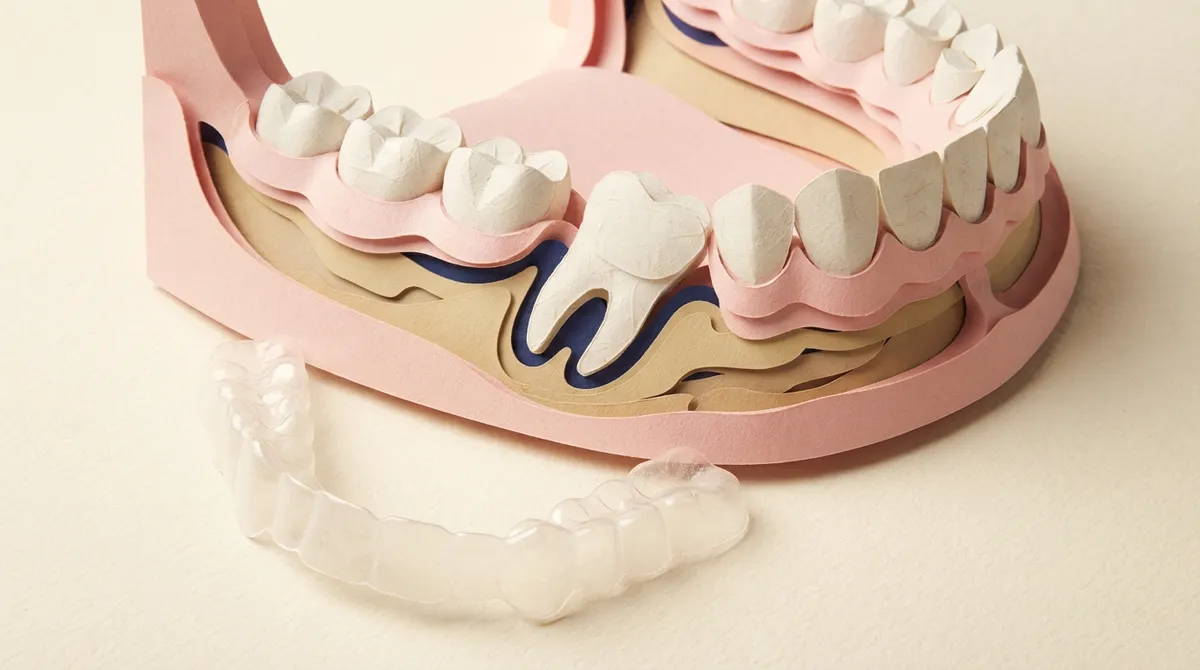
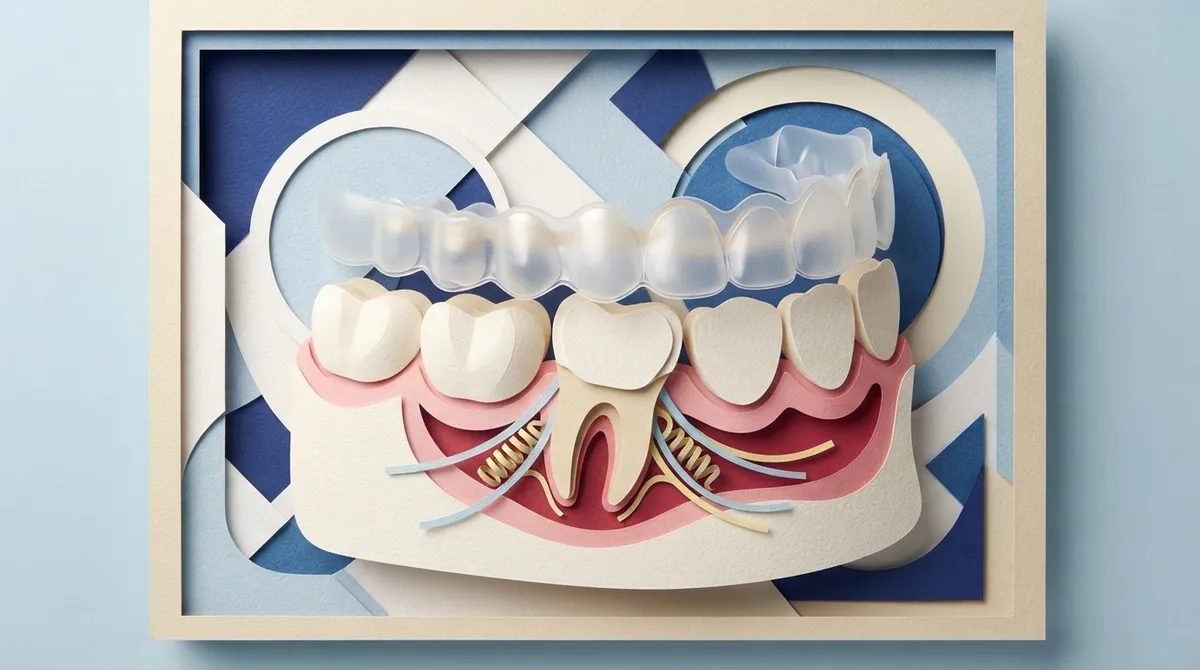
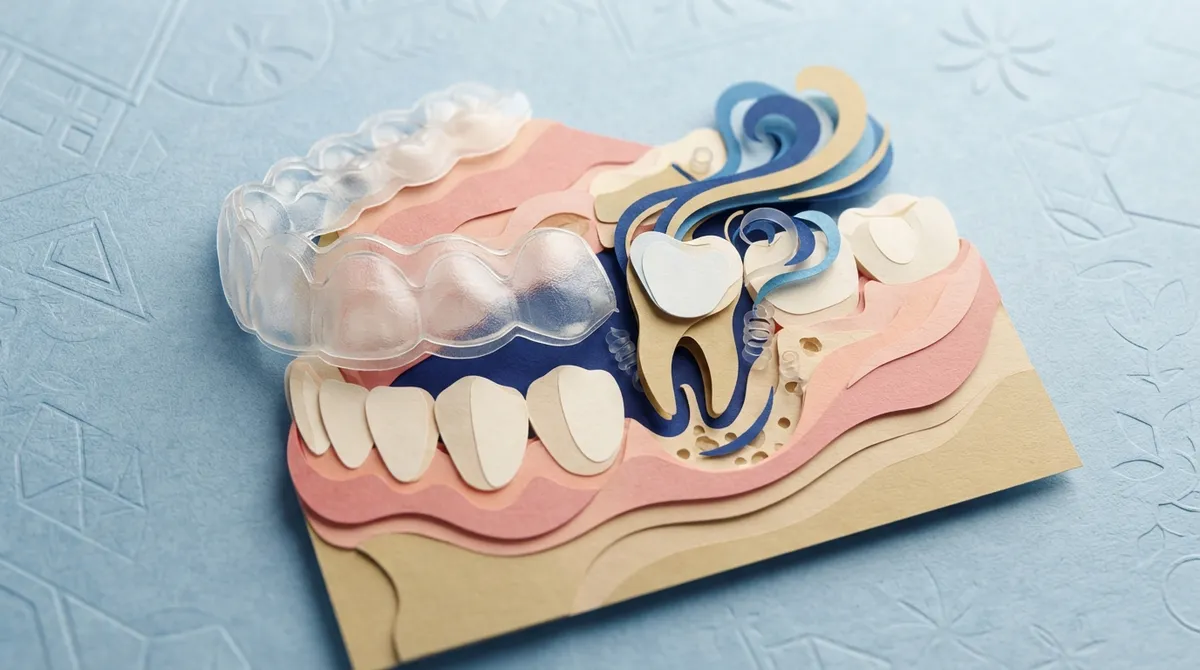
To understand the loose feeling, it helps to know how teeth are held in place. Each tooth sits in a socket in your jawbone. A thin layer of tissue called the periodontal ligament acts like a tiny cushion between the root and the bone.
When aligners push a tooth, that cushion and the bone around it start to remodel. Bone on one side breaks down a little, and new bone builds on the other side. This is how teeth change position safely over time.
During that remodeling, a tooth can feel a bit more mobile than usual. Here are the main reasons you might notice it:
- Normal tooth movement: The supporting tissues are adapting as the tooth shifts.
- A new tray: Pressure is often strongest in the first few days of a fresh aligner.
- Tender gums: Sore tissue can make a tooth seem looser than it is.
- Bite changes: As teeth move, your bite may feel different for a while.
If you want a deeper look at the science, our guide on how removable aligners straighten teeth explains the whole process in plain language.
What a Normal Loose Feeling Looks Like
Not every wobble is a red flag. Most of the time, a normal sensation has a few clear traits. It is mild, it shows up around tray changes, and it settles down on its own.
Here is a quick way to compare what is usually expected with what deserves a call.
| Sign | Usually Normal | Worth a Call |
|---|---|---|
| How loose it feels | Slight give or tenderness | One tooth is much looser than the others |
| Timing | Strongest after a new tray | Lasts or gets worse over time |
| Pain level | Mild soreness or pressure | Significant or sharp pain |
| Gums | A little tender | Swelling or bleeding |
| Biting | Chewing feels sensitive | Pain when biting down |
Remember that a loose feeling alone cannot tell us whether tooth movement is going perfectly. Only an exam can do that. Still, this table gives you a helpful starting point.
How Long Does the Loose Feeling Last?
Most people notice tenderness during the first few days of a new aligner stage. After that, things typically calm down until the next tray. Every smile is different, so there is no single timeline that fits everyone.
If the sensation lingers well beyond the usual adjustment window, mention it at your next visit. If it grows stronger instead of fading, do not wait. Reach out sooner.
For a broader look at what discomfort is typical, you may enjoy our article on what aligner discomfort to report. It helps you sort everyday soreness from signs worth sharing.
When a Loose Tooth Is Not Just an Aligner Effect
Sometimes a wobbly tooth has nothing to do with your trays. It is important to look at the whole picture so nothing gets missed.
Dental Injury
If a tooth feels loose after a bump, a fall, or a sports hit, do not assume it is the aligners. Seek prompt dental care. A blow to the mouth can damage the tooth or its support, and it needs a proper look right away.
Gum Health Concerns
Healthy gums are the foundation of good tooth movement. Gum disease can weaken the support around teeth and make them feel loose. If you notice red, puffy, or bleeding gums, tell your orthodontist. Our post on why gum health matters before adult braces explains why this is so important, and it applies to aligner patients too.
Root Changes
Orthodontic treatment can be linked with external apical root resorption, which is a shortening of the tooth root. This is different from the temporary wobble that comes with normal movement. Research on clear aligners does report root resorption as a possible effect. Some studies found it was less severe or less frequent than with fixed braces, while others saw a similar tendency.
Here is the reassuring part. A mild loose feeling by itself does not show root damage. Also, the quality of the evidence varies, so no one can give a firm rate for how often patients feel a loose tooth. Your orthodontist can use exams and imaging to check what is really going on.
What You Can Do at Home
A few smart habits can help you feel more comfortable and keep treatment on track. Here is a simple routine to follow.
- Wear your aligners as directed. Follow the wear schedule your clinician gave you. Consistent wear helps teeth move smoothly and predictably.
- Resist the urge to wiggle. Pushing or testing a tooth over and over can irritate tissues. Try to leave it alone.
- Stick to softer foods when sore. Gentle meals take pressure off tender teeth during the first days of a new tray.
- Keep up with brushing and flossing. Clean teeth and healthy gums support steady movement.
- Do not force a tray. If an aligner no longer fits or causes unusual pain, call your orthodontist instead of pushing it into place.
- Track what you notice. Write down which tooth feels different and when. Specific details help your care team a lot.
Good cleaning habits matter, too. Our simple guide on how to keep clear aligners fresh offers an easy daily checklist.
Should You Keep Wearing Your Aligners?
This is a common question, and the honest answer depends on what you feel. If you have mild tenderness around a new tray, you can usually continue as your clinician instructed.
However, if one tooth feels much looser than the rest, or you have pain, swelling, or bleeding, call your orthodontist before you decide anything on your own. Skipping trays or jumping ahead can cause its own problems. Our article on why not to skip ahead to a new aligner tray explains why patience pays off.
When to Call Your Orthodontist
Trust your instincts. You know your mouth best. Please reach out if you notice any of the following:
- One tooth feels much looser than its neighbors.
- The loose feeling lasts or keeps getting worse.
- You have significant pain or pain when biting.
- Your gums are swollen, red, or bleeding.
- The looseness started after an injury.
- Your aligner no longer fits the way it should.
Calling does not mean you are overreacting. It means you are taking good care of your smile. Our team would much rather hear from you early. If you need to be seen quickly, our guide on when you need an emergency orthodontist appointment can help you decide.
Why Regular Checkups Make a Difference
Aligners are convenient, but they are not a set-it-and-forget-it treatment. Regular visits let your orthodontist confirm that teeth are moving as planned and that the supporting tissues look healthy. Small concerns, like a tooth that feels different, can be checked before they grow.
That is one reason professional supervision matters so much. If you are curious about how often visits happen, take a peek at how often clear aligner checkups happen. And if you want to understand why these appointments are so valuable, read why orthodontic checkups matter so much.
Different Readers, Different Worries
A loose feeling can land differently depending on who you are. Here is how it often looks across the families and patients we meet.
- Parents of kids and teens: You may be the one who hears, “My tooth feels weird.” Ask which tooth, when it started, and whether it hurts. Then share those details with your orthodontist.
- Teens and young adults: It is easy to shrug off a wobble because you are busy. Please do not. Tell your orthodontist, especially if it comes with pain or swelling.
- Busy professionals: You may be tempted to power through. A quick call or message costs little and can prevent bigger delays later.
- Relapse patients: If you are retreating after earlier orthodontics, mention your history. It helps your orthodontist plan carefully and monitor your teeth.
- Health-conscious patients: If you have gum concerns or complex dental needs, a custom plan and closer monitoring can help your treatment stay safe and comfortable.
How Brockway Orthodontics Supports You
At Brockway Orthodontics, we know that every wobble and worry matters. Dr. Brockway takes time to listen to your concerns, explain what is normal, and make sure you feel informed from start to finish. We offer Spark™ Clear Aligners, along with metal and ceramic braces, so you can find the option that fits your life.
We also use modern tools like digital impressions and 3D imaging to plan treatment precisely and keep an eye on your progress. If you are in Clearwater and have a question about how your teeth feel, we are here to help. You can even visit our Brockway Orthodontics location on Google to see what other families say about their experience.
For more background on professional guidance, the American Dental Association shares helpful oral health information, and the Florida Association of Orthodontists offers resources about orthodontic care in our state. You can also follow our practice on Facebook for tips and updates.
The Bottom Line
So, can teeth feel loose during aligner treatment? Yes, a mild and temporary loose or tender feeling can happen as your teeth move. It is often a sign that your aligners are doing their job. Still, teeth should not feel markedly or increasingly loose, and certain symptoms deserve a quick call.
Listen to your body, follow your wear schedule, and keep your checkups. If something feels off, speak up. Asking questions is part of a great treatment experience.
Ready for answers you can trust? Book your appointment online and let Dr. Brockway take a look at your smile. You can also contact us with any questions. We would love to help you smile with confidence.
FAQs
Q: Is it normal for teeth to feel slightly wobbly after changing aligner trays?
A: Yes, a slight wobble or tenderness can happen, especially in the first few days of a new tray. Your teeth are moving, and the tissues around them are adjusting. If it stays mild and fades, that is usually expected.
Q: When should I call my orthodontist about a loose tooth during aligner treatment?
A: Call if one tooth feels much looser than the others, the feeling lasts or gets worse, or you have significant pain, gum swelling, bleeding, or pain when biting. If the looseness followed an injury, seek prompt dental care. It is always okay to check in, even if you are unsure.
Q: Can clear aligners cause permanent tooth looseness or damage tooth roots?
A: Orthodontic treatment, including aligners, can be linked with root shortening called root resorption, but a mild loose feeling alone does not mean this is happening. The evidence varies, so individual checks matter. Regular visits help your orthodontist watch for any problems early.
Q: Should I keep wearing my aligners if a tooth feels loose?
A: If it is mild tenderness near a new tray, you can usually keep going as your clinician instructed. If a tooth feels much looser or you have pain, swelling, or bleeding, call your orthodontist before deciding. Please do not force a tray that no longer fits.
Q: Why does one tooth feel looser than the others?
A: Teeth move at different rates, so one may feel more tender or mobile during a certain stage. Gum health, bite changes, or an injury can also play a part. Because it is hard to tell the cause on your own, have your orthodontist take a look.
Our Service Area