Key Takeaways
-
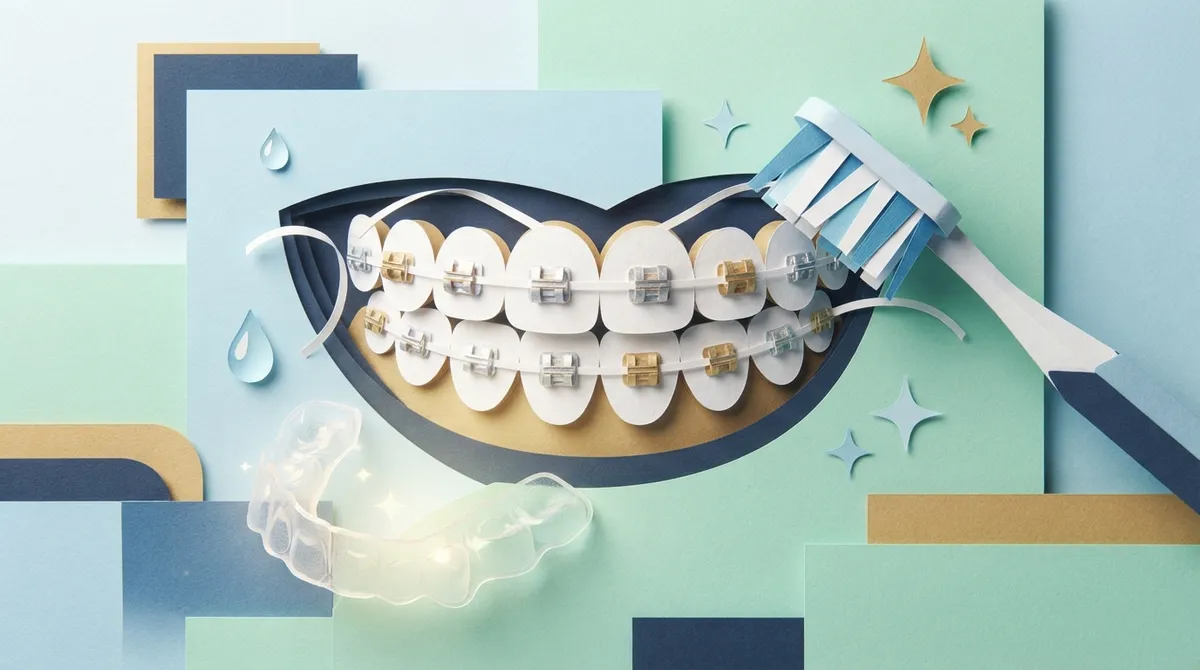
Brush after every meal at an angle above and below each bracket, and floss daily with a threader—braces create more hiding spots for plaque, making consistent oral hygiene critical to prevent cavities during treatment.
-
Remove clear aligners before consuming anything except water; sugary drinks and coffee can seep between the tray and teeth, creating a cavity-prone environment that braces patients don't face.
-
Continue regular dental checkups with your general dentist during orthodontic treatment—your orthodontist moves teeth while your dentist monitors cavities and gum health, and skipping either is a major mistake.
-
Watch for white spots appearing near brackets as a sign of early enamel damage (decalcification); catching this early and improving brushing habits can often reverse it before it becomes permanent.
-
Wear your retainer exactly as directed after treatment ends, as teeth naturally shift back over time without ongoing maintenance—think of it as essential upkeep, not optional.
-
Avoid sticky candies, hard nuts, popcorn, ice, and crusty bread with braces as these can bend wires or pop off brackets; cut hard fruits and vegetables into small pieces instead.
Getting braces or clear aligners is exciting. You picture that final reveal, the straight teeth, the confident grin. But here’s something a lot of patients don’t think about at first: a truly healthy smile is about way more than just straight teeth. It’s about protecting your enamel, keeping your gums happy, and making sure your bite works the way it should, all while your orthodontic appliances do their job.
At Brockway Orthodontics in Clearwater, we see families every day who are excited about starting treatment but aren’t always sure how to care for their teeth once brackets, wires, or aligners come into the picture. That’s totally normal! This guide will walk you through everything you need to know, from daily brushing tips to what to do if something breaks. Whether you’re a parent helping your teen through their first set of braces, or an adult finally getting the smile you’ve always wanted, we’ve got you covered.
What Does a Healthy Smile Really Mean in Orthodontics?
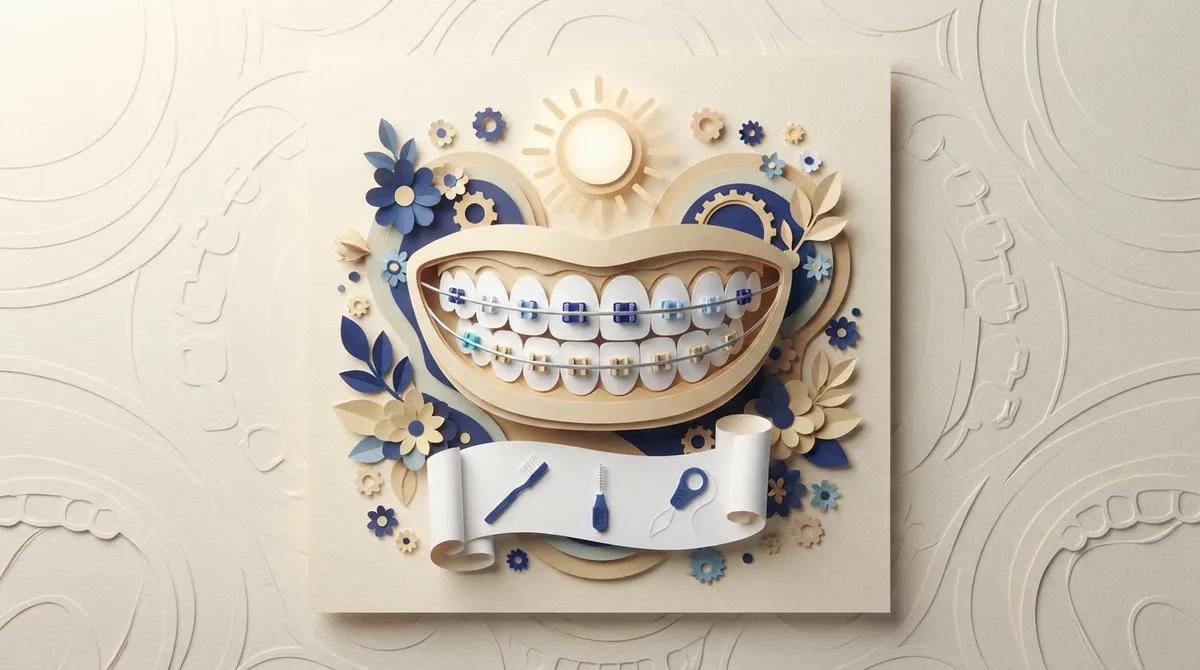
A healthy smile means more than teeth that look straight. It means teeth free of cavities, gums that are pink and firm, and a bite that lets you chew comfortably. Braces and clear aligners move your teeth into better positions, but they can’t do their job alone.
Here’s the thing: braces and aligners actually create new challenges for your oral health. Brackets, wires, and aligner trays give plaque more places to hide. That’s why good habits matter so much during treatment. According to the American Dental Association, consistent brushing and flossing habits are the foundation of preventing cavities and gum disease, and this becomes even more important during orthodontic treatment.
Think of your braces or aligners as a partnership. Dr. Brockway handles the tooth movement and bite correction. You handle the daily care that keeps your teeth and gums healthy along the way. Together, that’s how you get a smile that’s not just straight, but truly healthy for years to come.
Why Cavities Are Still a Big Concern During Treatment
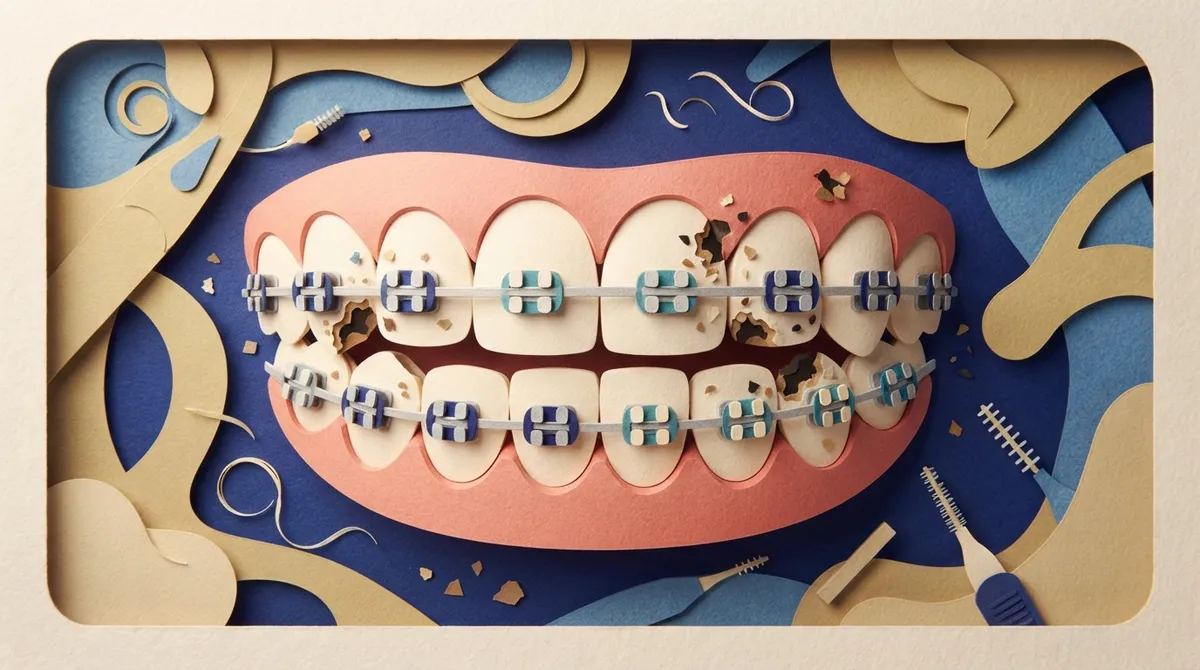
You might think braces protect your teeth somehow. They don’t. In fact, cavities remain a widespread problem across all age groups, and orthodontic appliances can make things trickier if you’re not careful.
Recent CDC data paints a clear picture:
- About 50% of children ages 6 to 9 have had a cavity in a primary or permanent tooth
- Nearly 17% of kids in that same age group have untreated tooth decay right now
- 1 in 10 teens ages 12 to 19 have at least one untreated cavity
- 1 in 5 adults ages 20 to 64 (about 21%) have at least one untreated cavity
- Untreated cavities affect about 25% of lower-income kids compared to about 10% in higher-income households
These numbers show why prevention matters so much, especially once you add brackets and wires into the mix. The good news? With the right daily habits, you can keep your teeth cavity-free while your smile transforms.
Daily Care Tips for Braces Patients
Brushing and flossing with braces takes a little more effort, but it’s totally doable once you get the hang of it. Here’s a simple routine that works:
- Brush after every meal, angling your brush above and below each bracket
- Use a soft-bristled or electric toothbrush to clean along the gumline
- Floss daily using a floss threader or orthodontic floss pick to get under the wire
- Add an interdental brush if your orthodontist recommends one for tricky spots
- Rinse with water after eating, especially when you can’t brush right away
- Consider a fluoride mouth rinse if Dr. Brockway suggests it for extra enamel protection
The Florida Association of Orthodontists emphasizes that consistent hygiene habits during treatment directly affect how smooth and successful your orthodontic journey will be. Skipping steps now can mean extra appointments later to deal with decay or gum irritation.
Foods to Watch Out for With Braces
Certain foods just don’t mix well with brackets and wires. They can bend wires, pop off brackets, or get stuck in ways that are hard to clean out. Steer clear of these common troublemakers:
- Sticky candies like caramel and taffy
- Hard candy and ice cubes
- Popcorn and nuts
- Hard crusty bread or bagels
- Raw hard fruits and vegetables (cut them into small pieces or cook them instead)
If you’re ever unsure whether a food is braces-friendly, our All About Braces page has helpful details, or you can always ask our team directly.
Caring for Clear Aligners: A Different Kind of Routine
If you’re wearing Spark™ Clear Aligners, your daily care routine looks a little different than braces care, but it’s just as important. Aligners are removable, which is great for eating and brushing, but it also means you need to build some new habits.
| Care Task | Braces | Clear Aligners |
|---|---|---|
| Eating | Avoid sticky/hard foods | Remove trays, eat anything, then brush before reinserting |
| Brushing | Brush around brackets carefully | Brush teeth before putting trays back in |
| Flossing | Use floss threader daily | Floss normally since trays come out |
| Cleaning appliance | N/A (fixed in place) | Clean trays per orthodontist instructions to avoid odor |
| Drinking | Careful with staining drinks | Remove trays for anything except water |
One thing that surprises new aligner patients: you really do need to take the trays out before drinking anything besides water. Sugary drinks or coffee can seep between the tray and your teeth, creating a perfect environment for cavities. It’s a small habit that makes a big difference.
Do You Still Need to See Your Regular Dentist?
Yes, absolutely. This is one of the most common questions we hear, and the answer is always yes. Your orthodontist and your general dentist play different roles on your smile team.
Dr. Brockway focuses on moving your teeth into the right positions and fixing bite issues. Your family dentist keeps an eye on cavities, gum health, and overall oral hygiene. Skipping regular dental checkups during orthodontic treatment is one of the biggest mistakes patients make. Regular cleanings and exams catch small problems before they turn into bigger ones.
If you’re not sure how often to schedule dental visits during treatment, ask us at your next appointment. We’re always happy to help coordinate care between your dental team and our orthodontic team.
Warning Signs You Shouldn’t Ignore
Most orthodontic treatment goes smoothly, but sometimes things pop up that need quick attention. Here’s what to watch for:
- A bracket feels loose or has come off completely
- A wire has broken or is poking your cheek or gum
- You notice swollen, bleeding, or tender gums
- White spots start appearing on your teeth near the brackets
- Your aligner tray feels unusually tight, loose, or cracked
- You have persistent pain that doesn’t go away after a few days
White spots are actually a sign of early enamel damage called decalcification. Catching this early and improving your brushing habits can often reverse it before it becomes a permanent mark. If you notice any of these signs, don’t wait. Contact us and we’ll get you scheduled quickly.
Protecting Your Smile During Sports and Activities
If you or your child play contact sports, a mouthguard is a must while wearing braces. A hard hit to the face without protection can cause serious damage to both your teeth and your orthodontic appliances.
Look for a mouthguard specifically designed for braces. Regular mouthguards can actually get stuck on brackets or push wires into your gums. We can recommend the right type based on your treatment and the sport you play.
Life After Braces: Why Retainers Matter So Much
Finishing active treatment feels amazing, but the work isn’t quite done yet. Your teeth can shift back over time if you don’t wear your retainer as directed. This is one of the most overlooked parts of keeping a healthy smile long term.
Think of retainers like a gym membership for your teeth. Just because you reached your goal doesn’t mean the muscles (or in this case, teeth) will stay there without some ongoing maintenance. Follow Dr. Brockway’s retainer schedule closely, and clean your retainer regularly to avoid buildup and odor.
Common Retainer Care Habits
- Wear your retainer exactly as instructed, even if it feels inconvenient at first
- Clean it daily with a soft brush and mild soap or a retainer cleaning solution
- Store it in its case when not in use, never wrapped in a napkin
- Keep it away from heat, like hot cars or dishwashers
- Bring it to checkups so we can make sure it still fits properly
Prevention Habits That Support a Healthy Smile for Life
Orthodontic treatment straightens your teeth, but it doesn’t automatically prevent cavities or gum disease. Those causes are still there: sugar, plaque, and bacteria. Building strong prevention habits now sets you up for a lifetime of good oral health.
- Limit sugary snacks and drinks, especially between meals
- Use fluoride toothpaste every time you brush
- Avoid tobacco products, which harm gum tissue and slow healing
- Manage health conditions like diabetes that can affect gum health
- Keep up with both dental and orthodontic checkups on schedule
The CDC notes that untreated dental disease leads to more than $45 billion in lost productivity every year in the U.S., plus about 34 million missed school hours. These aren’t just statistics. They represent real families dealing with preventable pain and missed opportunities. Prevention really is worth the effort.
Why Access to Care Matters
Not everyone has equal access to preventive dental and orthodontic care, and that gap shows up clearly in the data. Among working-age adults, untreated cavities affect about 43% of people without insurance, compared to about 18% of those with private insurance. This is why Brockway Orthodontics works hard to make treatment accessible through flexible financing and insurance options for families throughout Clearwater and Pinellas County.
We believe every patient deserves a shot at a healthy, confident smile, regardless of their financial situation. That’s part of why Dr. Brockway is so passionate about serving this community with honest, personalized care.
Choosing the Right Treatment for a Healthy Smile
Every smile is different, which means every treatment plan should be too. Whether you’re considering metal braces, ceramic braces, or Spark™ Clear Aligners, the goal is the same: straighter teeth and better oral health together.
| Treatment Option | Best For | Visibility |
|---|---|---|
| Metal Braces | Complex bite issues, kids and teens | Most visible |
| Ceramic Braces | Teens and adults wanting a subtler look | Less visible, tooth-colored |
| Spark™ Clear Aligners | Adults and teens wanting discreet treatment | Nearly invisible |
During your first visit, Dr. Brockway will walk you through which option fits your lifestyle, goals, and budget best. She takes the time to really listen, so you leave feeling confident about your choice, not confused.
What Parents Should Know About Kids and Healthy Smiles
If you’re a parent exploring orthodontic care for your child, you’re probably wondering when to start and what to expect. Early evaluation, often around age 7, helps catch issues while your child’s jaw is still growing. This can make later treatment simpler.
Kids also need extra encouragement to keep up with brushing and flossing during treatment. Making it fun, like using a timer or a favorite song, can help young patients build habits that stick. Our team at Brockway Orthodontics loves working with families and making the whole process feel welcoming, never intimidating. Check out our adolescent treatment and early treatment pages to learn more about timing and options for your child.
Wrapping Up: Your Partner in a Healthier, Happier Smile
A healthy smile takes teamwork. You bring the daily habits: brushing, flossing, smart food choices, and retainer wear. We bring the expertise, modern technology, and genuine care that makes Dr. Brockway one of the most trusted names in orthodontic treatment in Clearwater. Together, we can get you results that look great and feel great too.
Curious what our patients have to say? You can visit us on Google — Brockway Orthodontics to read real reviews from families just like yours. You can also follow along on Facebook or Instagram for smile transformations and helpful tips.
Ready to start your journey toward a healthier, more confident smile? Book appointment online today and let’s talk about the best plan for you or your family.
FAQs
Q: How do I keep my teeth clean while wearing braces?
A: Brush after every meal, angling your brush above and below each bracket, and floss daily using a floss threader. It takes a little more time than before, but your future smile will thank you!
Q: What foods should I avoid with braces?
A: Steer clear of sticky candies, hard nuts, popcorn, and ice, since these can damage brackets or wires. Cutting hard fruits and veggies into smaller pieces makes them much safer to enjoy.
Q: How do I care for clear aligners and keep them from smelling?
A: Clean your aligners daily following your orthodontist’s instructions, and always brush your teeth before putting them back in. This simple habit keeps both your trays and your breath fresh.
Q: Do I still need to visit my regular dentist while wearing braces?
A: Yes, definitely! Your dentist handles cavity checks and cleanings while your orthodontist focuses on tooth movement. Both visits work together to keep your whole mouth healthy.
Q: What should I do if a bracket breaks or a wire is poking my cheek?
A: Give us a call right away so we can get you in for a quick fix. In the meantime, orthodontic wax can help ease any poking or irritation until your appointment.
Our Service Area