Key Takeaways
-
Brush at a 45-degree angle toward the gumline and spend 30 seconds brushing above and below each bracket to remove plaque buildup that causes cavities and white spot lesions.
-
Brush at least twice daily, with nighttime brushing being most critical since reduced saliva production overnight allows plaque more time to cause damage to teeth and gums.
-
Use a soft-bristled toothbrush or gentle electric setting to avoid damaging gum tissue and enamel around brackets; let bristles do the work rather than applying aggressive pressure.
-
Complete your full 2-3 minute brushing routine by also cleaning chewing surfaces, inner teeth surfaces, and your tongue to prevent trapped food debris and bad breath.
-
Combine brushing with daily flossing using a floss threader or water flosser to remove debris between teeth and under wires that a toothbrush cannot reach.
-
Brush after meals, snacks, and especially after sugary or sticky foods to prevent plaque buildup in the numerous nooks and crannies created by brackets and wires.
Getting braces is exciting! You’re on your way to a smile you’ll love showing off. But here’s the thing nobody tells you at your first appointment: brushing your teeth is about to get a little more complicated. Those brackets and wires are amazing at straightening your smile, but they’re also excellent at trapping food. If you’re wondering how to toothbrush with braces the right way, you’re already on the path to a healthier, happier orthodontic journey.
At Brockway Orthodontics, we work with patients across Clearwater every day who want simple, clear guidance on brace care. Whether you’re a parent helping your teen adjust to a new routine, a busy professional juggling clear aligners, or an adult getting braces for the first time, good brushing habits protect your investment. Let’s walk through exactly how to keep your teeth sparkling clean while your braces do their job.
Why Brushing With Braces Takes Extra Effort
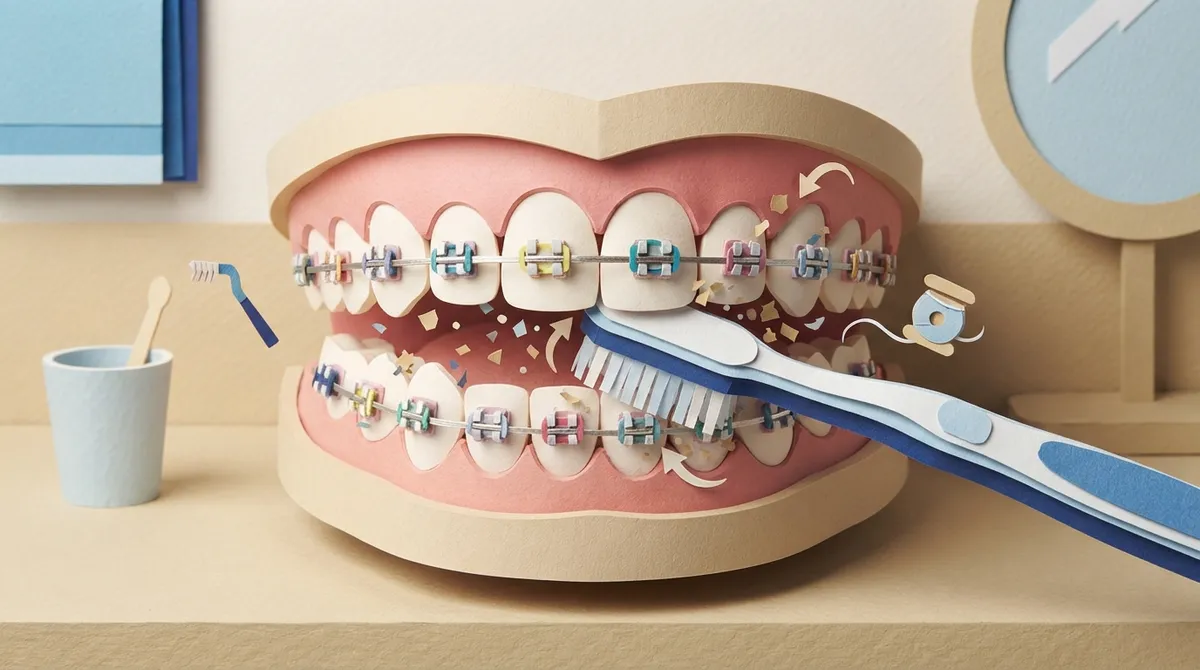
Braces create tiny nooks and crannies where food loves to hide. Brackets, wires, and bands give plaque more places to build up than smooth, bracket-free teeth. If plaque sticks around too long, it can lead to cavities, gum swelling, or even permanent white spots on your teeth once the braces come off.
The good news? A few smart habits make a big difference. Brushing with braces isn’t harder because it requires special skills. It just takes a little more time and patience. Once you get the hang of it, it becomes second nature.
Common Problems Braces Wearers Face
- Food particles stuck between brackets and wires
- Plaque buildup along the gumline
- Bad breath from trapped debris
- Gum irritation or swelling near brackets
- White spot lesions from incomplete cleaning
These issues are completely avoidable with the right toothbrushing routine. Our team at Brockway Orthodontics always walks new patients through proper technique during their first visit, so nobody leaves the office feeling unsure.
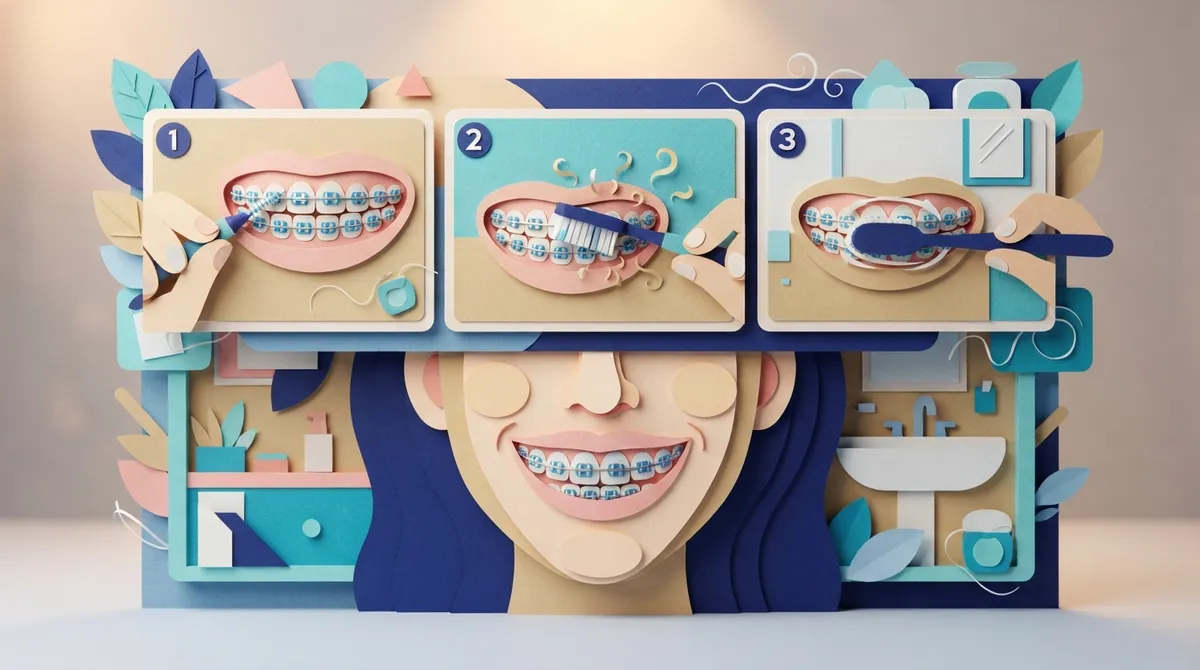
Step-By-Step Guide: How to Toothbrush With Braces
Ready to master your new brushing routine? Follow these steps every time you brush, and you’ll keep your smile healthy throughout treatment.
Your Step-By-Step Brushing Routine
- Rinse first. Swish water around your mouth to loosen large food particles before you start brushing.
- Choose a soft-bristled toothbrush. Soft bristles clean gently around brackets and wires without causing damage.
- Angle your brush at 45 degrees toward the gumline. This angle helps remove plaque where your gums meet your teeth.
- Brush above each bracket. Tilt the brush down and clean the top of every bracket.
- Brush below each bracket. Tilt the brush up and clean underneath each bracket too.
- Clean the chewing surfaces. Brush flat across the tops of your back teeth to remove food debris.
- Brush the inside surfaces. Don’t forget the back of your teeth, even though there are no brackets there.
- Brush your tongue. This helps with fresh breath and removes bacteria.
- Rinse and check your smile. Look in the mirror or run your tongue over your teeth to check for leftover food.
This entire routine should take about 2 to 3 minutes. Many orthodontic guides suggest spending roughly 30 seconds on each section of your mouth, or about 5 seconds per tooth position if you’re using an electric toothbrush.
What Type of Toothbrush Works Best With Braces?
Choosing the right tool matters just as much as technique. Here’s a quick comparison to help you decide.
| Toothbrush Type | Pros | Considerations |
|---|---|---|
| Soft-bristled manual brush | Gentle on brackets and gums, affordable, easy to control | Requires more time and manual effort |
| Electric toothbrush | Removes plaque efficiently, built-in timers help track brushing time | Must be used gently near brackets to avoid loosening wires |
| Orthodontic toothbrush (V-shaped bristles) | Designed specifically to clean around brackets | May be less versatile once braces are removed |
| Interdental brush | Great for cleaning tight spaces between wires and teeth | Used alongside, not instead of, a regular toothbrush |
Whichever toothbrush you choose, gentle pressure is key. According to the American Dental Association, aggressive brushing can damage gum tissue and enamel over time, and this is even more important to remember when brackets are involved.
How Often Should You Brush With Braces?
Brushing twice a day is the bare minimum, but braces wearers benefit from brushing more often. Here’s a simple breakdown of ideal brushing frequency.
Recommended Brushing Schedule
- Morning: Full 2 to 3 minute brushing session
- After lunch or snacks: Quick brush if possible, especially at school or work
- Evening: Thorough brushing before bed, since nighttime brushing is the most important session of the day
- After sugary or sticky foods: Extra attention to prevent plaque buildup
Nighttime brushing matters most because saliva production slows down while you sleep. This means less natural rinsing action, so leftover plaque has more time to cause damage overnight. If your teen or child struggles to remember evening brushing, setting a reminder or brushing together as a family can help build the habit.
Brushing Tips for Different Life Stages
Every patient’s needs look a little different depending on their age and lifestyle. Here’s how brushing with braces might look for various groups we see at our Clearwater practice.
For Parents of Kids and Teens
Encourage your child to make brushing a fun, consistent habit. Consider a timer or a favorite song to help them brush for the full recommended time. Regular checkups also help catch anything they may have missed. Learn more about adolescent treatment options designed with busy families in mind.
For Teenagers and Young Adults
You’re busy with school, sports, and social plans, so keeping a travel toothbrush and interdental brush in your bag can be a lifesaver. Brushing after lunch keeps your breath fresh and your braces clean before your next class or hangout.
For Adult Professionals
If your schedule is packed, an electric toothbrush with a built-in timer can make cleaning quicker and more effective. Many adults also love the discreet look of Spark™ Clear Aligners, which can simplify oral hygiene since aligners are removable during meals and brushing.
For Orthodontic Relapse Patients
If you’re returning for treatment after your teeth shifted back, you already know how valuable a consistent brushing routine is. Sticking to good habits this time around helps protect your results for the long run. Explore our retainers page to learn how proper retention after treatment keeps your smile in place.
For Health-Conscious Individuals
If you’re focused on whole-body wellness, remember that oral health connects to your overall health. Consistent brushing habits with braces reduce your risk of gum disease and support a healthy mouth long after treatment ends.
What Happens If You Don’t Brush Properly With Braces?
Skipping steps or rushing through your brushing routine can lead to noticeable problems. Here are the most common issues we see when brushing habits slip.
- White spot decalcification marks that appear once braces are removed
- Increased risk of cavities around bracket edges
- Gum inflammation, sometimes called “braces gingivitis”
- Bad breath from trapped food particles
- Longer treatment time if oral health issues need to be addressed first
The good news is all of these problems are preventable. Consistent brushing, plus regular visits to our office, keeps your treatment on track. If you ever have questions about your specific braces care routine, our team is always happy to help during your next appointment or you can get in touch with our team anytime.
Can You Use an Electric Toothbrush With Braces?
Yes! Electric toothbrushes are safe and effective for braces wearers. Just remember these simple guidelines:
- Use a gentle setting if your brush has multiple speeds
- Let the bristles do the work rather than pressing hard against brackets
- Move slowly across each bracket rather than scrubbing quickly
- Replace the brush head as recommended, since worn bristles clean less effectively
Many patients find that electric brushes make it easier to reach that full 2 minute brushing time since built-in timers keep them honest about how long they’ve brushed.
Flossing and Rinsing: The Other Half of Your Routine
Brushing is essential, but it’s only part of the picture. Flossing with a floss threader or water flosser helps remove debris between teeth and under wires that a toothbrush can’t reach. An antimicrobial mouth rinse can also help reduce bacteria in hard-to-reach spots. The Florida Association of Orthodontists recommends pairing brushing with daily flossing for the best results during orthodontic treatment.
Quick Reference: Brushing Checklist
| Step | What to Do | Time Needed |
|---|---|---|
| 1 | Rinse mouth with water | 10 seconds |
| 2 | Brush at 45-degree angle along gumline | 30 seconds |
| 3 | Brush above and below each bracket | 60 seconds |
| 4 | Brush chewing and inner surfaces | 30 seconds |
| 5 | Brush tongue and rinse | 20 seconds |
Keep this checklist handy near your bathroom mirror as a helpful reminder, especially during the first few weeks after getting your braces on.
Why Choose Brockway Orthodontics for Your Smile Journey
Dr. Brockway and our friendly Clearwater team love helping patients of every age feel confident about their orthodontic care. From your very first consultation, we walk you through exactly how to care for your braces, including personalized brushing tips based on your treatment plan. We also offer traditional and ceramic braces as well as Spark™ Clear Aligners, so you have options that fit your lifestyle and budget.
Curious what other patients say about their experience? You can visit us on Google — Brockway Orthodontics to read real reviews from our Clearwater community. We also share smile transformations and helpful tips on our Instagram page, so give us a follow for daily inspiration.
Let’s Keep Your Smile Healthy Together
Learning how to toothbrush with braces might feel like one more thing on your to-do list, but it quickly becomes a simple daily habit. With the right toothbrush, a little patience, and a consistent routine, you’ll protect your smile every step of the way through treatment. And remember, you’re never alone in this journey. Our team at Brockway Orthodontics is here to answer questions, celebrate your progress, and make sure you leave every appointment feeling confident.
Ready to start your smile journey or need a checkup on your current braces care routine? Book your appointment online today, and let’s make sure your smile stays healthy and bright from day one until your big reveal.
FAQs
Q: How do you brush your teeth with braces step by step?
A: Start by rinsing your mouth, then brush at a 45-degree angle along your gumline. Tilt your brush to clean above and below each bracket, then finish with your chewing surfaces, inner teeth, and tongue. It takes about 2 to 3 minutes, but your smile will thank you!
Q: What type of toothbrush is best for braces?
A: A soft-bristled toothbrush is usually the friendliest option for brackets and wires. Electric toothbrushes work great too, as long as you use them gently. Some patients also love orthodontic brushes with V-shaped bristles designed just for braces.
Q: How often should you brush your teeth with braces?
A: Aim to brush at least twice a day, but brushing after every meal or snack is even better when you have braces. Nighttime brushing is especially important since it helps prevent plaque from sitting on your teeth all night long.
Q: Can you use an electric toothbrush with braces?
A: Absolutely! Electric toothbrushes are safe with braces as long as you’re gentle around your brackets and wires. Just let the bristles do the work instead of pressing hard, and you’ll get a great clean without any damage.
Q: What happens if you don’t brush properly with braces?
A: Skipping thorough brushing can lead to white spots, cavities, or gum irritation around your brackets. The good news is all of this is preventable with a consistent routine. If you ever have concerns, our Clearwater team is always happy to help you get back on track.
Our Service Area