
Key Takeaways
-
Adolescent orthodontic treatment works better during teen years because jaws are still growing and permanent teeth are settling in, making treatment move more smoothly than waiting until adulthood.
-
The American Dental Association recommends an initial orthodontic evaluation by age 7, but comprehensive treatment typically starts ages 11-14 when most permanent teeth have erupted and jaw growth is still occurring.
-
Clear aligners require 20-22 hours daily wear and suit responsible teens wanting a discreet option, while traditional braces work better for complex cases and require less daily commitment once placed.
-
Before starting braces or aligners, cavities and gum problems must be treated since braces make brushing and flossing more difficult, creating more places for plaque to hide.
-
Most adolescent orthodontic treatments last 18-24 months on average, with timing affected by consistency wearing elastics or aligners, keeping appointments, case complexity, and oral hygiene habits.
-
After active treatment ends, retainers are essential to prevent teeth from drifting back, and skipping this step is one of the most common mistakes families make post-treatment.
If you’re a parent staring at your teenager’s smile wondering whether it’s time to see an adolescent orthodontist, you’re not alone. So many families in Clearwater walk through our doors with the same question: is now the right time, or should we wait a little longer? The good news is, there’s no need to stress. This guide will walk you through everything you need to know, from timing to treatment options, so you can make the best choice for your teen with confidence.
Adolescence is a busy, exciting, and sometimes awkward stage of life. Add braces or aligners into the mix, and it can feel like a lot to manage. But here’s the truth: getting orthodontic care during the teen years often works better than waiting. Jaws are still growing, permanent teeth are settling in, and treatment tends to move more smoothly. Let’s break down exactly what an adolescent orthodontist does, when to schedule that first visit, and how to pick the right treatment path for your family.
What Does an Adolescent Orthodontist Actually Do?
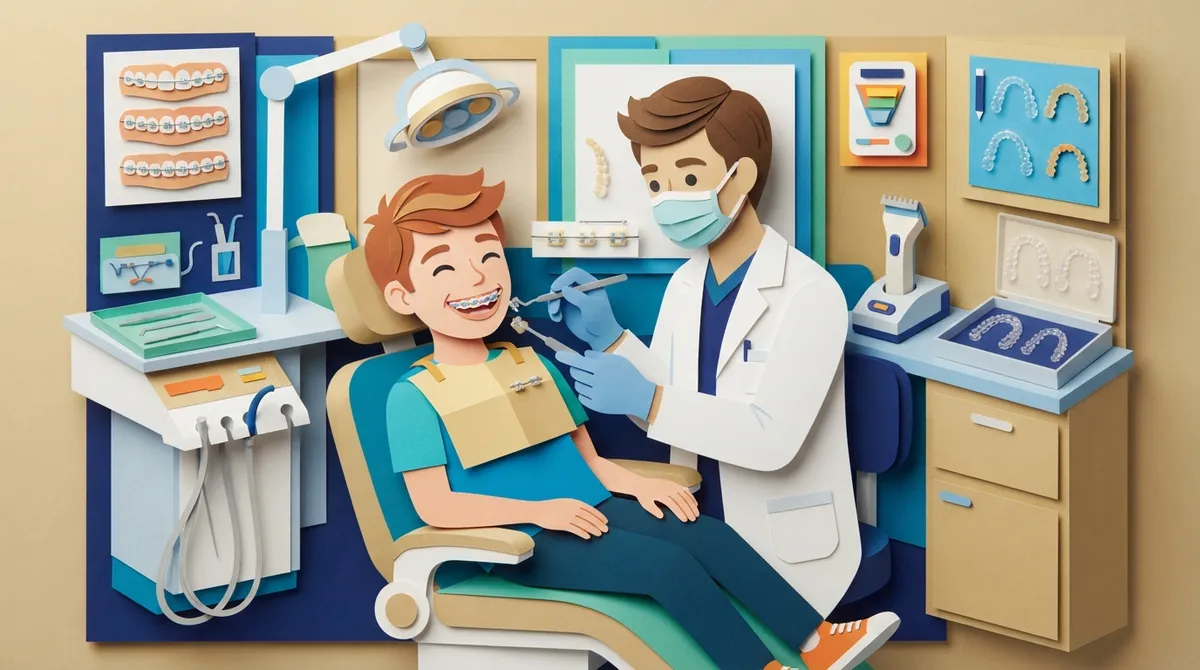
An adolescent orthodontist is a dental specialist trained to evaluate and treat alignment, bite, and jaw growth issues in kids and teens. Unlike a general dentist, they focus specifically on how teeth and jaws develop over time, especially during the years when permanent teeth are coming in.
At Brockway Orthodontics, Dr. Brockway looks at more than just crooked teeth. She checks how the upper and lower jaws line up, how much room your teen has for their adult teeth, and whether early habits (like thumb sucking or mouth breathing) might be affecting growth. This complete picture helps her build a treatment plan that fits your teen, not a one-size-fits-all approach.
Common Issues an Adolescent Orthodontist Treats
- Crowded or overlapping teeth
- Gaps or spacing between teeth
- Overbites, underbites, and crossbites
- Open bites that affect chewing or speech
- Protruding front teeth
- Impacted or stuck teeth that haven’t erupted properly
- Jaw growth imbalances between the upper and lower jaw
When Should Your Teen See an Orthodontist?
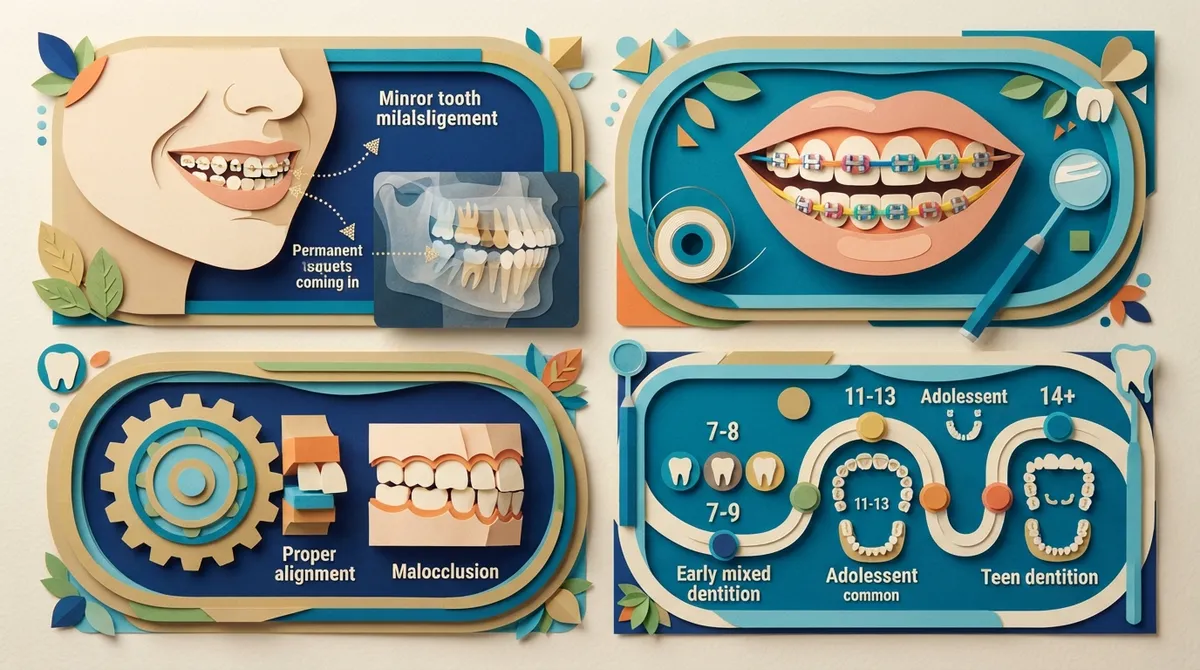
Here’s something that surprises a lot of parents: the American Dental Association and orthodontic specialists recommend an initial evaluation by age 7. But don’t panic if your teenager is already 13 and hasn’t been yet. This early check is just a screening, not a sign that treatment needs to start right away.
Comprehensive treatment, the kind involving full braces or aligners, usually kicks off around ages 11 to 14. This is when most permanent teeth have come in, but there’s often still enough jaw growth happening to make treatment more effective. Every kid develops differently, though, so timing really depends on things like:
- How many permanent teeth have erupted
- The severity of crowding or bite issues
- Jaw growth patterns and remaining growth potential
- Your teen’s oral hygiene habits
- Whether your teen can reliably follow instructions (especially important for clear aligners)
If you’re wondering whether your child falls into the “wait and see” category or the “let’s get started” category, an initial consultation can clear that up quickly. There’s no pressure, just honest answers.
Braces vs. Clear Aligners for Teens: Which One Wins?
This is probably the question we hear most often from parents and teens alike. Both options work well, but they fit different lifestyles and personalities. Let’s compare them side by side.
| Feature | Traditional Braces | Clear Aligners |
|---|---|---|
| Visibility | Noticeable (unless ceramic) | Nearly invisible |
| Removable? | No, fixed to teeth | Yes, removable for eating and brushing |
| Daily commitment | None needed once placed | 20-22 hours of wear per day required |
| Best for | Complex cases, less responsible wearers | Mild to moderate cases, responsible teens |
| Food restrictions | Yes, avoid sticky and hard foods | None, remove before eating |
| Maintenance | Regular adjustments needed | Aligner changes and check-ins |
Traditional metal braces remain a solid, reliable choice for a wide range of orthodontic issues. Ceramic braces offer a less noticeable option while still being fixed in place. For teens who are responsible and motivated, Spark™ Clear Aligners can be a fantastic, more affordable option compared to other aligner brands, giving that discreet look many teens want heading into high school photos, dances, or graduation.
Tips for Choosing the Right Option
- Be honest about your teen’s responsibility level. Aligners only work if they’re worn consistently.
- Consider your teen’s activities. Athletes in contact sports may prefer braces or need extra protection.
- Think about social events. Some teens prioritize looking a certain way for milestones like homecoming or graduation photos.
- Talk with your orthodontist about the severity of the case. Some issues really do need fixed braces.
- Factor in your budget and insurance coverage for each option.
Curious how these two stack up in more detail? Check out our full breakdown on braces vs. clear aligners to help guide the conversation with your teen.
How Long Does Adolescent Orthodontic Treatment Take?
This varies quite a bit from teen to teen. Simple cases might wrap up faster, while more complex bite issues can take longer. On average, most adolescent orthodontic treatments last somewhere between 18 and 24 months.
A few things that can speed up or slow down treatment:
- How consistently your teen wears elastics or aligners
- Whether appointments are kept on schedule
- The complexity of the bite or crowding issue
- Oral hygiene habits during treatment
- Growth spurts, which can actually help move things along
Once active treatment ends, your teen will need a retainer to keep those teeth from drifting back. Skipping this step is one of the most common (and avoidable) mistakes families make after finishing treatment.
Why Oral Health Matters Before and During Treatment
Here’s something important that often gets overlooked: cavities and gum problems need to be handled before braces or aligners go on. According to the CDC’s 2024 Oral Health Surveillance Report, about 10.4% of U.S. adolescents ages 12-19 had at least one untreated cavity. That’s a significant number, and it’s a great reminder of why a healthy mouth should come first.
Braces and brackets can make brushing and flossing trickier, which means plaque has more places to hide. During treatment, your teen should be:
- Brushing at least twice a day with fluoride toothpaste
- Flossing daily, using floss threaders or water flossers if needed
- Limiting sugary drinks and snacks
- Keeping up with regular dental cleanings, separate from orthodontic visits
Good habits now set your teen up for a healthier smile long after the braces come off. If cavities or gum inflammation are present, we’ll work with your family dentist to get things healthy before starting active treatment.
The Brockway Orthodontics Difference for Teens in Clearwater
We know braces and aligners aren’t just about straight teeth. They’re about helping your teen feel confident walking into a room, smiling in photos, and enjoying everyday life without hesitation. That’s exactly what drives Dr. Brockway and her team every single day.
Our Clearwater office is equipped with modern technology, including digital impressions (no more goopy molds) and 3D imaging to plan treatment with precision. In some cases, we can even offer same-day starts, so your busy family doesn’t need multiple appointments just to get going. We also explain every step in simple, friendly terms, so your teen understands exactly what’s happening and why.
Not sure which treatment path fits your teen best? Explore our adolescent treatment options or browse our full range of orthodontic services to get a feel for what’s available. And if you’re a member of the Florida Association of Orthodontists, you already know how important it is to choose a specialist who keeps up with best practices and continuing education.
Questions to Ask During Your First Visit
Walking into a consultation can feel a little intimidating if you don’t know what to expect. Here’s a simple list of things worth asking:
- Is my teen ready for treatment now, or should we wait?
- What treatment options make sense for this specific case?
- How long will treatment likely take?
- What happens if my teen loses or breaks an aligner?
- What’s included in the cost, and are payment plans available?
- How often will we need to come in for check-ups?
Bringing a list like this to your orthodontic consultation helps you leave with real answers instead of more questions. We genuinely welcome them. According to the American Dental Association, informed patients tend to have better outcomes because they understand and follow their treatment plans more closely.
Paying for Adolescent Orthodontic Care
Cost is often the elephant in the room, and we get it. Orthodontic care is an investment, but it doesn’t have to break the bank. Many dental insurance plans offer partial coverage for adolescent orthodontics, and we also offer flexible financing and insurance options to make treatment more manageable for families.
Here are a few ways families typically make it work:
- Using dental insurance benefits designed specifically for orthodontics
- Setting up a monthly payment plan through our office
- Using FSA or HSA funds if available through an employer
- Taking advantage of seasonal promotions or free consultation offers
Don’t let cost concerns keep you from getting that first evaluation. Most families are pleasantly surprised by how flexible the options are once they sit down and talk through it with our team.
Want to see what real families in the area are saying? Take a look and visit us on Google — Brockway Orthodontics to read reviews straight from our Clearwater patients. You can also follow along on Facebook or check out smile transformations on Instagram for a little extra inspiration.
Final Thoughts: Give Your Teen a Reason to Smile
Choosing the right time and treatment for your teen’s smile is a big decision, but it doesn’t have to feel overwhelming. Whether your family decides on traditional braces, ceramic braces, or Spark™ Clear Aligners, the most important step is simply getting started with a trusted adolescent orthodontist who takes the time to listen and explain.
Dr. Brockway and her team are proud to serve families throughout Clearwater, Florida, treating every patient like part of our extended community. We’d love the chance to meet your teen, answer your questions, and map out a plan that fits your family’s needs and budget. Ready to take the next step? Book appointment online today, or feel free to contact us with any questions along the way. Your teen’s confident new smile is closer than you think!
FAQs
Q: What does an adolescent orthodontist do?
A: An adolescent orthodontist evaluates and treats alignment, bite, and jaw growth issues in kids and teens. They look at the whole picture, not just crooked teeth, to build a treatment plan that grows with your child.
Q: What is the best age for a teenager to get braces?
A: Most comprehensive treatment starts around ages 11 to 14, once most permanent teeth have come in. That said, every teen is different, so a consultation is the best way to know for sure.
Q: Are braces or clear aligners better for teenagers?
A: It really depends on your teen! Braces work great for complex cases and don’t require daily discipline, while aligners like Spark™ suit responsible teens who want a more discreet option. We’re happy to help you decide together.
Q: How long does adolescent orthodontic treatment usually take?
A: Most treatments take about 18 to 24 months, though this can vary based on the case and how consistently your teen follows instructions. Simpler cases may finish sooner, while others take a bit more time.
Q: Can teenagers with cavities or gum problems get braces?
A: Cavities and gum inflammation should be treated first, since braces can make cleaning trickier. Once your teen’s mouth is healthy, we can move forward with treatment confidently.
Our Service Area