Key Takeaways
-
Expanders widen the narrow upper jaw by applying gentle, steady pressure to separate the midpalatal suture, creating space for crowded teeth and potentially eliminating the need for tooth extraction.
-
Ages 7-10 represent the ideal window for palatal expansion treatment because the midpalatal suture is most flexible and responsive to gentle pressure at this developmental stage.
-
Expanders do not replace braces; they create space first, then braces or clear aligners align individual teeth, making most patients require both appliances sequentially.
-
Adults cannot use standard expanders effectively since the midpalatal suture fully fuses in adulthood, requiring alternatives like surgically assisted expansion or bone-anchored appliances instead.
-
Research shows expansion may increase nasal airway volume in some children, but it should not be used as a stand-alone treatment for sleep apnea without pediatrician or ENT evaluation.
-
Consistent oral hygiene is critical during expander treatment—brush thoroughly after meals, use water flossers for hard-to-reach areas, and avoid sticky or hard foods to prevent decay and appliance damage.
If your child’s orthodontist just mentioned “expanders for teeth,” you probably have a few questions swirling around. That’s completely normal! Many parents in Clearwater walk into our office feeling a little unsure about this appliance, and we love turning that uncertainty into confidence. Expanders are one of the most common tools orthodontists use to help kids grow healthy, wide smiles with room for every tooth to shine.
At Brockway Orthodontics, we believe every question deserves a clear, friendly answer. This guide will walk you through what expanders for teeth actually do, who needs them, and what to expect during treatment. Whether you’re a parent exploring early treatment options or a curious teen wondering why your friend has one, we’ve got you covered.
What Are Expanders for Teeth?
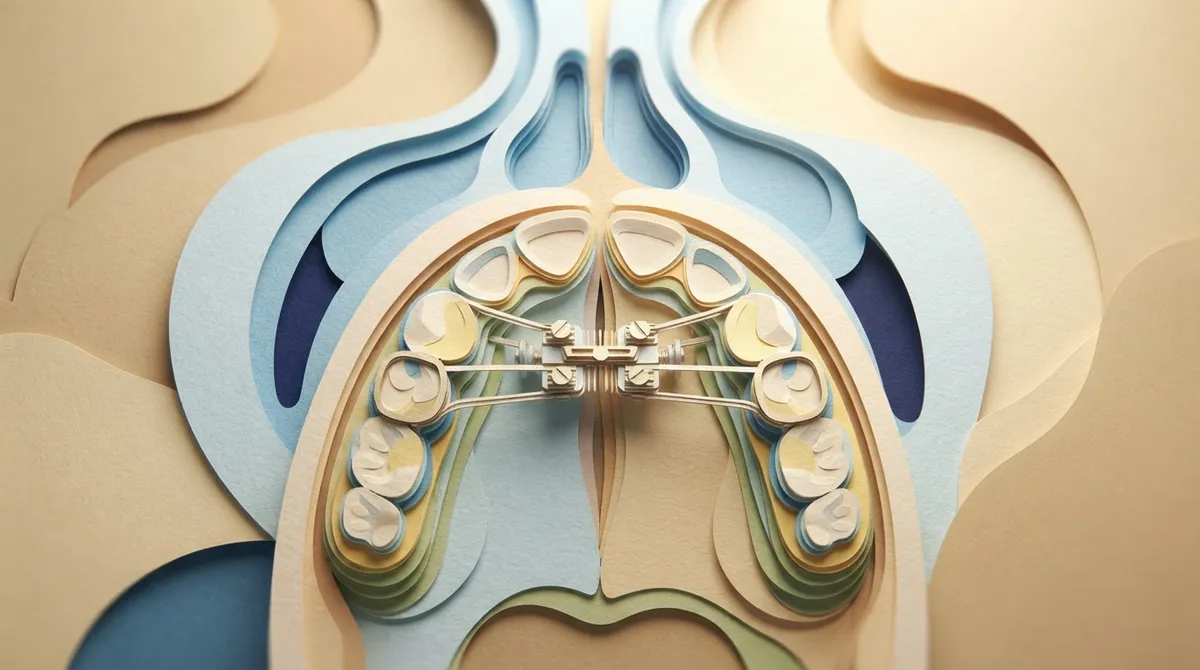
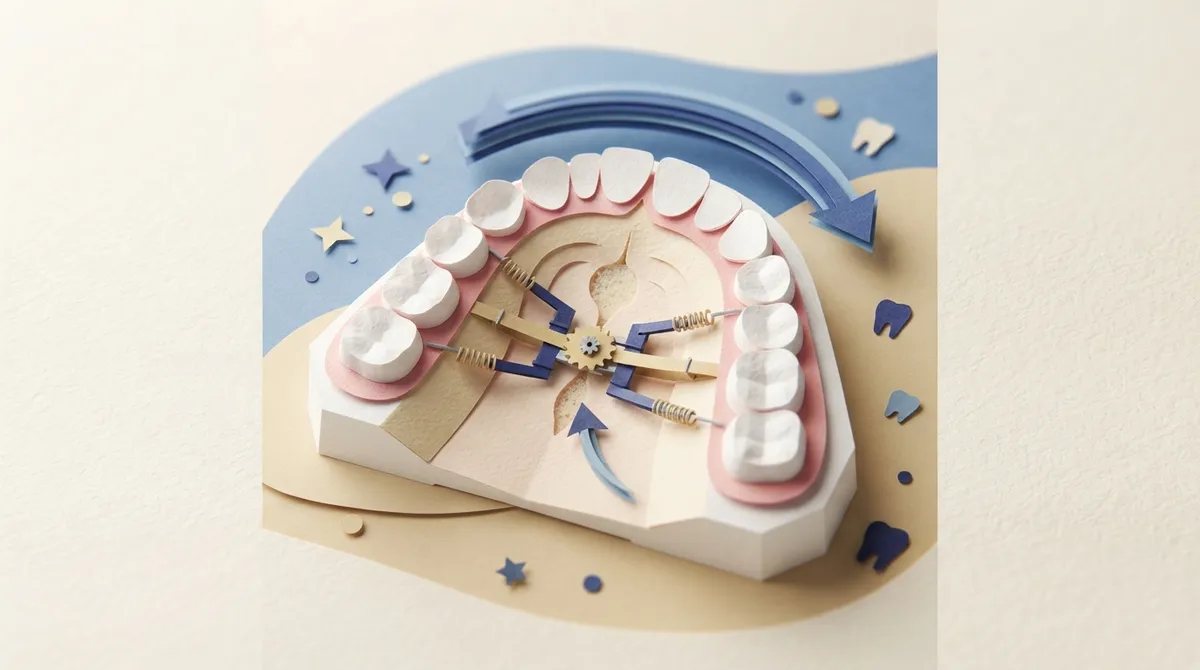
Expanders for teeth, often called palatal or maxillary expanders, are appliances that widen a narrow upper jaw. They sit against the roof of the mouth and apply gentle, steady pressure over time. This pressure gradually separates the bones along the midline of the palate, creating more space.
Think of it like slowly opening a hinge. The upper jaw actually has a natural seam down the middle called the midpalatal suture. In growing children, this seam hasn’t fully fused yet, which makes expansion possible and predictable.
Why Would Your Child Need One?
Not every child needs an expander, but for certain issues, it makes a huge difference. Here are the most common reasons a dentist or orthodontist might recommend one:
- A posterior crossbite, where the upper teeth sit inside the lower teeth when biting down
- A narrow or high-arched palate that limits tongue space
- Severe crowding with not enough room for adult teeth to come in
- Limited space that could otherwise require pulling teeth later
- Breathing or nasal airflow concerns your dentist wants to address alongside orthodontic care
Expansion can sometimes reduce the need for tooth extraction, but every treatment plan depends on your child’s unique bite and growth pattern. That’s why a full evaluation matters so much before starting any appliance.
How Do Palatal Expanders Actually Work?
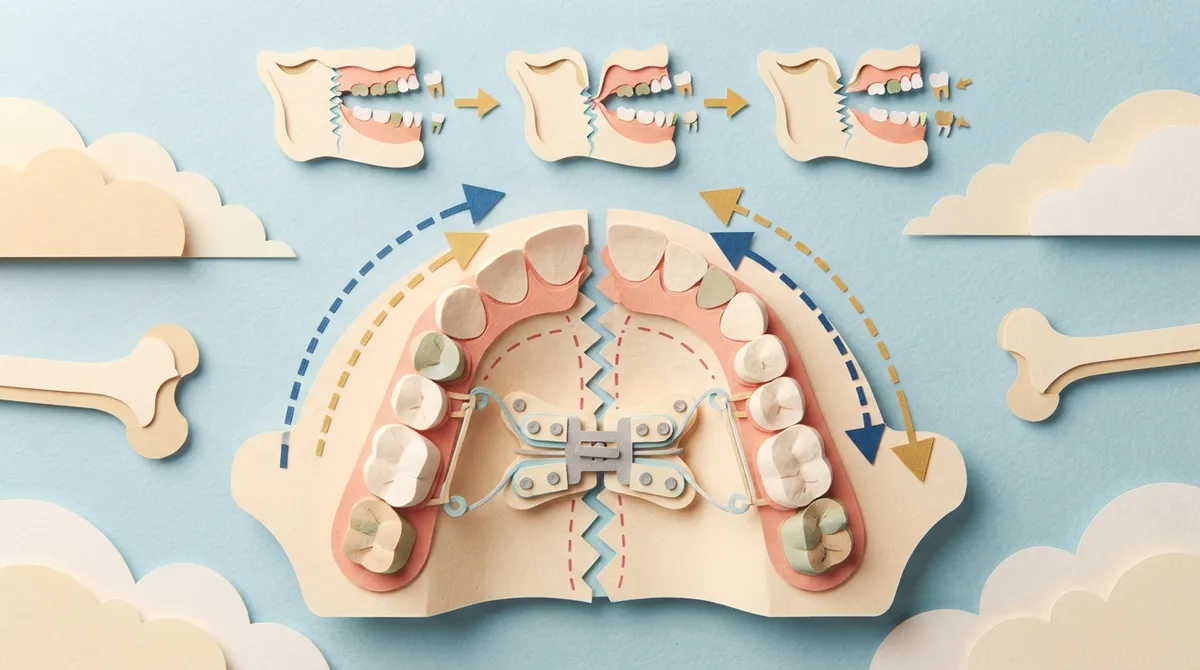
There are a few different designs, but most work using similar principles. A traditional rapid palatal expander uses a small screw in the center of the appliance. Parents (or the patient, depending on age) turn this screw with a special key, usually once a day.
Each tiny turn adds a small amount of pressure to the palate. Over several weeks, this slowly widens the jaw. Some appliances use springs or wires instead of a screw, and certain designs are removable while others stay fixed in place.
Types of Expanders Used in Orthodontic Care
| Expander Type | How It’s Supported | Best For |
|---|---|---|
| Rapid Palatal Expander (RPE) | Tooth-supported, screw-activated | Growing children with crossbite or narrow palate |
| Slow Expander | Tooth-supported, gentler pressure | Kids needing gradual, low-force widening |
| Bone-Anchored Expander | Supported by teeth and bone (mini-implants) | Older teens or cases needing extra stability |
| Removable Expander | Tooth-supported, patient removes for cleaning | Mild expansion needs, cooperative patients |
| Surgically Assisted Expander | Bone-supported after surgical procedure | Adults with a fully fused palate |
Your orthodontist will choose the design based on your child’s age, the amount of expansion needed, and their specific diagnosis. This is exactly the kind of personalized planning we focus on during your first visit with our team.
What Age Works Best for Expanders?
Timing matters a lot with palatal expansion. The midpalatal suture is more flexible in younger children, which makes treatment faster and more predictable.
- Ages 7-10: Often the ideal window, since the suture responds well to gentle pressure
- Ages 11-14: Still generally effective, though may take a bit longer
- Late teens: May require slower techniques or additional support
- Adults: Often need bone-anchored appliances or surgically assisted expansion, since the suture has fully fused
The American Association of Orthodontists notes that expanders are most commonly used in children and young teens, and they’re typically reserved for real bite or space concerns rather than routine use for every patient. This is why an orthodontic evaluation is so important before jumping to conclusions about treatment needs.
What Happens During Treatment? A Step-by-Step Look
Wondering what the actual day-to-day experience looks like? Here’s a simple breakdown of how expander treatment typically unfolds:
- Evaluation and imaging: Your orthodontist examines the bite and may use digital scans or X-rays to check the palate
- Appliance fitting: The custom-made expander is cemented or fitted onto the upper molars
- Active expansion phase: You turn the screw daily (or as directed) for several weeks
- Progress checks: Regular visits confirm the expansion is happening evenly
- Retention phase: The expander stays in place for a few months to let new bone fill in the gap
- Transition to braces: Many patients move into braces or Spark™ Clear Aligners once expansion is complete
The exact timeline varies quite a bit. It depends on your child’s age, the appliance design, and how much widening is needed. Most active expansion phases last a few weeks, while retention can run several months longer.
What Does It Feel Like?
We won’t sugarcoat it: there’s an adjustment period. But most kids handle it better than parents expect! Common short-term effects include:
- A feeling of pressure or fullness behind the front teeth
- Mild tenderness, especially right after a screw turn
- Temporary changes in speech, which usually resolve within a week or two
- Increased saliva production during the first few days
- A little extra effort needed to clean around the appliance
- A visible gap between the upper front teeth, which is completely normal
That gap can look surprising at first, but don’t worry. It typically closes on its own or gets addressed once braces or aligners come into play. This is a normal, expected part of the process, not a sign that something went wrong.
Caring for an Orthodontic Expander
Good habits make a big difference in how comfortable and successful treatment feels. Here’s how to help your child care for their expander properly:
- Brush thoroughly around the appliance after every meal
- Use a water flosser or interdental brush to clean hard-to-reach spots
- Avoid sticky, chewy, or hard foods that could damage the appliance
- Skip foods like caramel, gum, hard candy, and crunchy raw vegetables until cleared
- Keep up with scheduled adjustment visits so progress stays on track
- Contact your orthodontic office if the appliance feels loose or broken
The American Dental Association emphasizes that consistent oral hygiene becomes even more important with any fixed appliance in the mouth. Food particles can get trapped easily, so a little extra effort each day goes a long way toward avoiding decalcification or gum irritation.
Do Expanders Replace Braces?
This is one of the most common questions we hear, and the answer is simple: no. Expanders and braces solve different problems. An expander widens the jaw and creates space. Braces (or clear aligners) then align individual teeth into their ideal positions.
Most patients who need an expander will eventually need braces or aligners afterward. Think of it as building a solid foundation first, then adding the finishing touches. If you’re weighing your options for after-expansion treatment, our page on adolescent treatment covers what typically comes next for growing patients.
Can Adults Use Expanders for Teeth?
Adults can absolutely benefit from palatal expansion, but the approach looks different. Since the midpalatal suture fuses by adulthood, standard rapid expansion usually isn’t effective on its own.
Instead, adult patients often need one of these approaches:
- Surgically assisted rapid palatal expansion (SARPE), which involves a minor surgical procedure to loosen the suture
- Bone-anchored expanders that use mini-implants for added stability
- Slower, more gradual expansion techniques designed for mature bone
If you’re an adult wondering whether jaw width is affecting your bite or comfort, our adult treatment page explains the range of solutions available for grown-up smiles.
Expanders and Breathing: What Does the Research Really Say?
You may have heard that expanders can help with snoring or sleep apnea in kids. This claim comes up a lot, and it deserves an honest, balanced answer.
A 2017 systematic review looked at rapid maxillary expansion in 314 children with a mean age of about 7.6 years. Researchers found the average apnea-hypopnea index dropped from 8.9 to 2.7 events per hour, roughly a 70% reduction, during short-term follow-up. However, this review relied largely on non-randomized studies, so the findings should be viewed as encouraging rather than conclusive.
A more recent 2023 umbrella review took a broader look and reached a more cautious conclusion. It found that evidence supporting rapid maxillary expansion as a stand-alone treatment for pediatric obstructive sleep apnea remains low quality and inconsistent. The review specifically noted that current evidence doesn’t justify recommending expansion as a routine, stand-alone therapy for sleep-disordered breathing.
What does this mean for your family? Expansion may increase nasal cavity volume in some children, according to a 2025 systematic review on nasal and airway effects. But breathing concerns need their own proper evaluation. If snoring or sleep issues are part of the conversation, your orthodontist should work alongside your pediatrician or an ENT specialist rather than treating the expander as a cure-all.
Possible Risks and How We Manage Them
Like any medical or dental appliance, expanders come with potential complications. Being aware of these helps you know what to watch for:
- Gum irritation around the appliance edges
- Enamel decalcification if oral hygiene slips
- Root or tooth tipping in certain cases
- Uneven or asymmetrical expansion
- Relapse if retention isn’t followed properly
- Appliance breakage from hard or sticky foods
This is exactly why regular follow-up visits matter so much. Your orthodontist monitors progress closely, checking that the expansion stays even and the surrounding teeth and gums stay healthy. The Florida Association of Orthodontists encourages families to choose a specialist who can properly diagnose and supervise this type of treatment from start to finish.
What Does an Expander Cost?
Cost varies depending on the type of appliance, the complexity of your child’s bite, and whether insurance covers part of the treatment. Many orthodontic practices, including ours, offer flexible financing and insurance options to make treatment manageable for families.
During a consultation, your orthodontist will give you a clear breakdown of costs specific to your child’s needs. We believe in transparent pricing with no surprises, so you can plan ahead with confidence.
Why Families in Clearwater Trust Brockway Orthodontics
Dr. Brockway has built her practice around one simple idea: every patient deserves care that feels personal, not rushed. When your child needs an expander, we take time to explain exactly why, how it works, and what results to expect. Our team walks you through the entire process, using tools like digital impressions and 3D imaging so we can plan expansion with real precision.
We also know families are busy. That’s why we offer a full range of orthodontic services designed to fit real life, not the other way around. From early evaluations to full treatment with braces or aligners, our Clearwater office is here to support your family’s smile journey from start to finish.
Curious what other families in our community are saying? You can visit us on Google — Brockway Orthodontics to read real reviews from patients who’ve been through the process themselves. You can also follow along on Instagram or connect with us on Facebook for smile updates and helpful tips.
Ready to Talk About Expanders for Your Child?
If your dentist mentioned an expander, or you’ve noticed crowding, a narrow smile, or crossbite in your child’s teeth, don’t wait to get answers. Early evaluation gives us the best chance to guide healthy jaw growth naturally. Our team is ready to walk you through every step, answer your questions, and build a treatment plan that fits your child perfectly.
Take the first step today and book appointment online for a friendly, no-pressure consultation with our Clearwater team. We can’t wait to meet your family and help create a smile that lasts a lifetime.
FAQs
Q: What is a palate expander and how does it work?
A: A palate expander is an appliance that widens a narrow upper jaw using gentle, steady pressure. Most designs use a small screw that gets turned daily, slowly separating the bones along the roof of the mouth. It’s a gradual process, so patience really pays off here!
Q: Does getting a dental expander hurt?
A: It’s normal to feel pressure or mild tenderness, especially right after a screw turn, but it shouldn’t be truly painful. Most kids adjust within the first few days and get used to the sensation quickly. We’re always here to help if discomfort feels like more than expected.
Q: Will a palate expander close a gap between the front teeth?
A: Actually, expanders often create a temporary gap between the upper front teeth during treatment, and that’s totally normal! This gap usually closes on its own or gets addressed once braces or aligners start. Think of it as a natural, expected part of the journey, not a setback.
Q: Can adults use expanders for teeth, or is surgery required?
A: Adults can benefit from expansion, but since the jaw’s midline seam has fully fused, standard expanders usually aren’t enough on their own. Many adults need surgically assisted expansion or bone-anchored appliances instead. Your orthodontist can walk you through which option fits your smile best.
Q: Can a palate expander improve breathing or sleep apnea?
A: Some research shows expansion may increase nasal airway space in certain children, but it shouldn’t be viewed as a stand-alone fix for sleep apnea. Current evidence is still mixed and generally low quality on this topic. If breathing concerns come up, we recommend involving your pediatrician or an ENT specialist alongside your orthodontic care.
Our Service Area