Key Takeaways
-
3D printed braces is an umbrella term covering multiple technologies including directly printed aligners, custom brackets, indirect-bonding trays, and retainers—not every component of traditional braces uses 3D printing.
-
Research shows printed aligners achieved 2.55% average tooth-height difference versus 4.41% for thermoformed aligners, indicating better dimensional accuracy, though long-term clinical safety data still needs development.
-
Custom 3D printed brackets show clinically acceptable slot dimensions and potentially better accuracy than traditional brackets, but quality varies significantly based on printer type, material, and post-processing methods used.
-
Only some dental resins used in 3D printed aligners have received FDA Class II 510(k) clearance; regulatory status varies by product and country, making it essential to work with orthodontists who verify material safety standards.
-
3D printing enhances precision and customization but cannot replace orthodontist expertise in diagnosis, treatment planning, monitoring progress, and making necessary adjustments throughout care.
-
Directly printed aligners show better geometric accuracy and marginal adaptation than thermoformed aligners in lab testing, while thermoformed aligners demonstrate higher flexural strength and surface microhardness.
Have you heard people talking about 3D printed braces and wondered what all the buzz is about? You’re not alone! This exciting technology is changing how orthodontists design and create everything from clear aligners to custom brackets. But with so much new information floating around, it can be hard to know what’s fact and what’s hype.
At Brockway Orthodontics in Clearwater, we love keeping our patients informed about the newest advances in orthodontic care. Dr. Brockway believes that knowledge helps you feel confident about your smile journey. So let’s break down what 3D printed braces really are, how they work, and what the science actually says. Whether you’re a parent researching options for your teen, a busy professional considering discreet aligners, or simply curious about modern orthodontics, this guide will give you the clear, friendly answers you deserve.
1. 3D Printed Braces Cover More Than One Technology
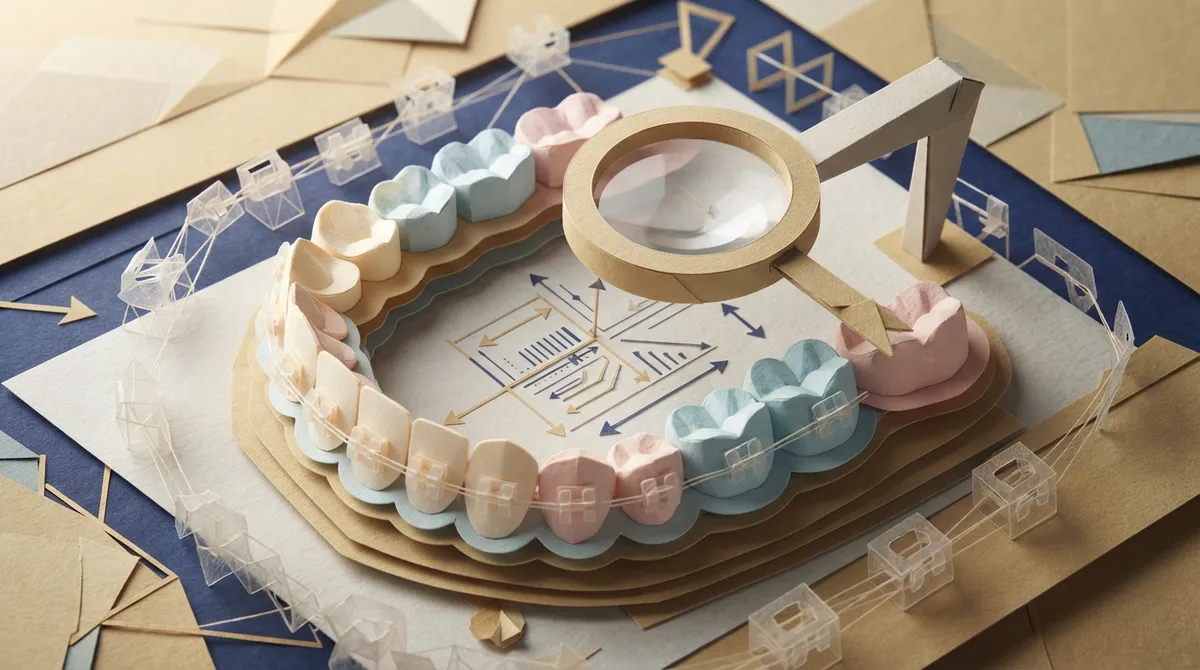
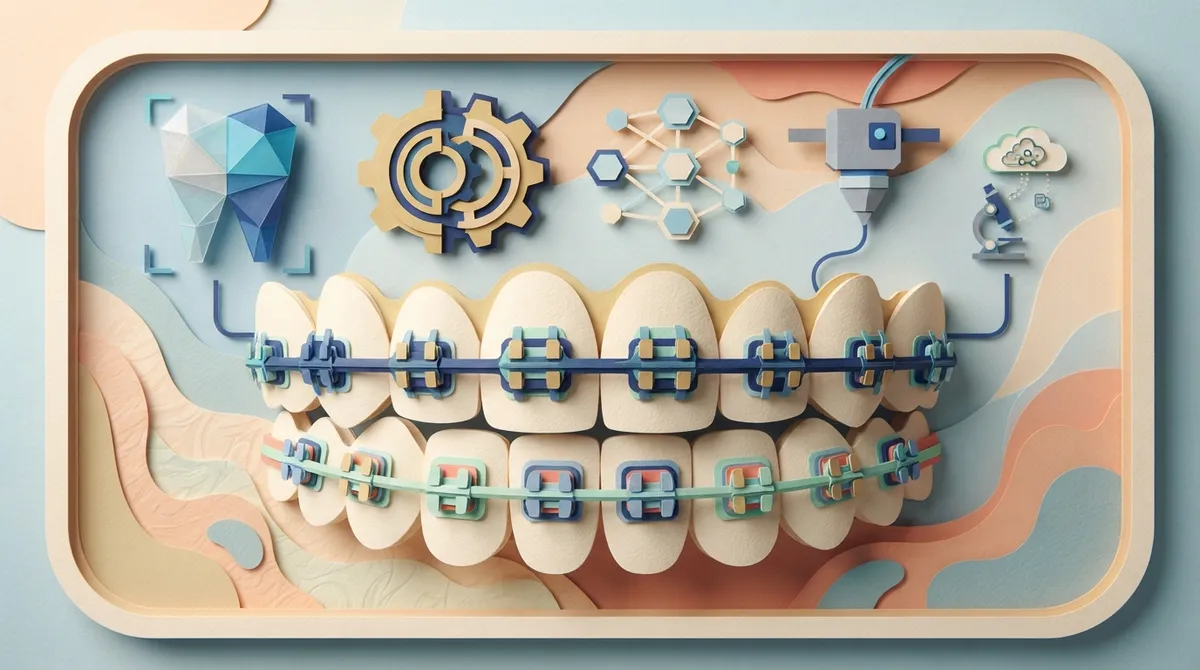
Here’s something that surprises a lot of people: “3D printed braces” isn’t just one single product. It’s actually an umbrella term that covers several different digital tools used in orthodontic care.
This can include:
- Directly printed clear aligners made from a digital scan of your teeth
- Custom-designed brackets created specifically for your smile
- Indirect-bonding trays that help place brackets accurately
- Retainers built from digital models
- Treatment planning models used to map out your care
Not every piece of a traditional metal brace setup gets 3D printed. Often, it’s the planning tools, models, or specific appliances that use this technology. Understanding this helps set realistic expectations about what 3D printing can and can’t do in your treatment plan. If you want to learn more about how different appliances work together, check out our All About Braces guide.
2. The Digital Workflow Is Pretty Impressive
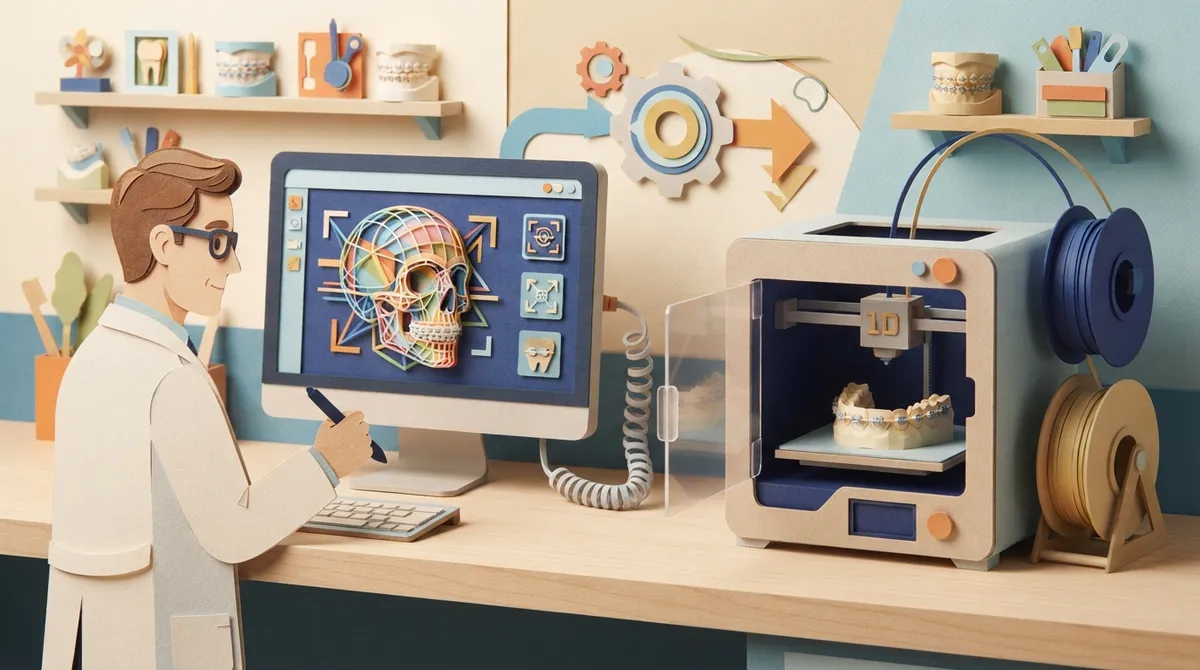
So how does this whole process actually work? It starts with something you might already be familiar with: a digital scan of your teeth instead of that goopy putty impression.
Here’s a simple breakdown of the typical steps:
- An intraoral scanner captures a 3D image of your teeth
- Your orthodontist uses software to plan your treatment digitally
- The design gets sent to a 3D printer
- The printed appliance goes through washing and curing
- Quality checks confirm everything fits and functions correctly
- Your orthodontist delivers and fits the final product
This workflow allows for incredible precision. It also means your orthodontist can see your treatment plan mapped out before you even start, which is pretty amazing when you think about it. Our Your First Visit page walks you through what to expect when digital tools like these are part of your care.
3. Research Shows Promising Accuracy, But It’s Still Developing
Let’s talk numbers for a second, because the data here is genuinely interesting. A 2025 systematic review looked at 15 studies comparing directly printed aligners to traditional thermoformed ones. The results showed printed aligners had an average tooth-height difference of just 2.55%, compared to 4.41% for thermoformed aligners.
That’s a meaningful difference in dimensional accuracy! However, we want to be honest with you: most of this research comes from lab studies and short-term trials. A 2024 scoping review identified 46 studies on 3D printed aligners, and it found that long-term clinical safety and effectiveness still need more research.
This doesn’t mean the technology isn’t valuable. It means we’re in an exciting period where the science keeps improving, but patient care should always come first over hype.
| Appliance Type | Key Research Finding | What It Means for You |
|---|---|---|
| Directly Printed Aligners | 2.55% average tooth-height difference vs. 4.41% for thermoformed | Potentially better fit accuracy in lab testing |
| Custom 3D Printed Brackets | Slot dimensions generally within acceptable tolerance limits | May offer more personalized bracket positioning |
| 3D Printed Models | Average 0.22mm difference from plaster models | Within the clinically acceptable range of 0.20-0.50mm |
4. Custom Brackets Show Real Potential
Custom 3D printed brackets are one of the more exciting developments in orthodontic technology. Instead of using standardized brackets for every patient, these brackets get designed specifically for your tooth shape and treatment goals.
A 2026 systematic review looked at six studies on these custom brackets. It found that printed brackets generally had clinically acceptable slot dimensions. In some comparisons, they even showed better dimensional accuracy than traditional metal, ceramic, and self-ligating brackets.
There’s a catch, though. The same review noted that surface roughness was often higher with printed brackets. Performance also depended heavily on the type of printer, material, and post-processing steps used. This tells us that while the technology is promising, the quality can vary quite a bit depending on how it’s made.
Interestingly, a 2026 retrospective study of 94 patients found some encouraging treatment timelines. Custom 3D printed brackets averaged 15.89 months of treatment, clear aligners averaged 14.39 months, and conventional brackets averaged 27.79 months. That said, the researchers were quick to point out that provider experience could have influenced these results. If you’re curious whether custom bracket options might fit your treatment plan, our Services page covers what Brockway Orthodontics offers.
5. Material Safety Matters More Than You Might Think
When it comes to anything that sits in your mouth for months or years, safety has to come first. Dental resins used in 3D printing must go through proper testing and post-curing.
Researchers continue to study several important safety factors:
- Residual monomers left in the material after printing
- Biocompatibility with oral tissue
- Wear and discoloration over time
- Bacterial buildup on printed surfaces
- Microplastic generation from repeated use
A 2026 review found that six dental clear-aligner resins had received FDA Class II 510(k) clearance at the time of publication. However, regulatory status varies quite a bit depending on the specific product, country, and intended use. The review even noted one European CE-certified resin that didn’t have FDA authorization.
This is exactly why it matters to work with an experienced orthodontist who understands which materials are properly tested and approved. According to the American Dental Association, patients should always confirm that any dental appliance material meets appropriate safety standards before use.
6. Technology Doesn’t Replace Your Orthodontist’s Expertise
Here’s something we want every patient to understand clearly: 3D printing is a tool, not a replacement for skilled orthodontic care. The technology can improve precision and customization, but it can’t diagnose your bite issues or plan your unique treatment.
Your orthodontist still plays an essential role in:
- Diagnosing your specific orthodontic needs
- Creating a personalized treatment plan
- Designing attachments and appliance details
- Monitoring your progress throughout treatment
- Making adjustments and refinements as needed
- Guiding your oral hygiene routine during treatment
- Planning your retention phase after treatment
Think of 3D printing like a really sophisticated tool in a skilled craftsman’s toolbox. The tool matters, but the expertise behind it matters even more. This is one reason Dr. Brockway takes time with every patient to explain not just the technology, but the reasoning behind your specific treatment plan. You can learn more about her approach on our Meet Dr. Brockway page.
7. Thermoformed and Printed Aligners Each Have Strengths
If you’re comparing options, it helps to know that directly printed aligners and traditional thermoformed aligners aren’t identical products with one simply better than the other.
A 2026 systematic review of 23 studies found some interesting differences:
- Directly printed aligners generally showed better geometric accuracy in lab testing
- Printed aligners also showed better marginal adaptation, meaning a closer fit
- Thermoformed aligners often showed higher flexural strength
- Thermoformed aligners also showed better surface microhardness
The researchers were careful to note that most of this evidence comes from laboratory testing, not real-world, long-term patient studies. They also pointed out that it’s hard to separate the effects of manufacturing method from the material itself.
At Brockway Orthodontics, we offer Spark™ Clear Aligners as an affordable, effective alternative for patients wanting a discreet treatment option. Dr. Brockway will help you understand which aligner approach makes the most sense for your specific smile goals.
What This Means for Clearwater Families and Patients
So what should you actually take away from all this research? Simply put: 3D printing is making orthodontic care more precise and personalized, but it works best in the hands of an experienced professional.
Whether you’re a parent exploring treatment options for your teen, an adult professional considering discreet adult orthodontics, or someone dealing with orthodontic relapse who needs retreatment, digital technology can enhance your experience. But the real magic happens when that technology is paired with genuine expertise and personal care.
Dr. Brockway and her team use modern digital tools, including 3D imaging, to plan treatments with precision. This means less guesswork and more comfort for you throughout your journey. We invite you to see what our patients say about their experience by visiting our Brockway Orthodontics location on Google.
Common Questions About Materials and Costs
Many patients ask about what these appliances are actually made from and how pricing works. Printed orthodontic appliances typically use specialized dental resins designed for oral use. These materials go through rigorous testing before being cleared for patient use.
Cost varies depending on your specific treatment needs, the complexity of your case, and which appliance type works best for you. We always recommend a personal consultation to get accurate pricing information. Our Financing and Insurance page also explains payment options that can make treatment more accessible for your family.
If you’re weighing your options between traditional braces and newer aligner technology, our guide on Traditional Braces vs. Clear Aligners breaks down the differences in a friendly, easy-to-understand way.
Why Choose Brockway Orthodontics for Advanced Orthodontic Care
Dr. Brockway combines her extensive training with a genuine passion for the Clearwater community. She doesn’t just look at your teeth. She listens to your concerns and helps you understand every step of your treatment.
Our practice invests in modern technology because we believe it leads to better outcomes and a more comfortable experience for you. From digital impressions to 3D treatment planning, we use these tools thoughtfully alongside years of clinical expertise. For families researching credible information on orthodontic advances, the Florida Association of Orthodontists offers helpful resources on choosing qualified care.
We also love staying connected with our community! Follow us on Instagram or check out our Facebook page to see smile transformations and get to know our friendly team a little better.
Ready to Explore Your Options?
Curious how modern orthodontic technology could work for your smile? Whether you’re interested in Spark™ Clear Aligners, traditional metal braces, or ceramic braces, our team is here to guide you with honesty and care. There’s no pressure, just a friendly conversation about what’s right for you.
Ready to get started? Book your appointment online today, or feel free to get in touch with our team if you have any questions. We can’t wait to help you feel confident about your smile journey!
FAQs
Q: What are 3D printed braces and how are they different from traditional braces?
A: 3D printed braces is a broad term covering digitally designed appliances like printed clear aligners, custom brackets, and retainers. Unlike traditional braces made from standard parts, these are created using digital scans and printers for a more personalized fit. Your orthodontist still plans and guides your entire treatment either way!
Q: Are 3D printed clear aligners safe to wear?
A: When made with properly tested, FDA-cleared dental resins and fitted by a qualified orthodontist, 3D printed aligners can be a safe option. Researchers are still studying long-term factors like material wear and biocompatibility, so it’s always best to work with an experienced provider you trust. Dr. Brockway only recommends materials that meet proper safety standards.
Q: How much do 3D printed braces or aligners cost?
A: Costs vary based on your specific case, treatment complexity, and which appliance type fits your needs best. We know pricing is a big part of your decision, so we’re happy to walk you through options during a personal consultation. Our financing page also covers ways to make treatment more affordable for your family.
Q: Can 3D printed braces treat severe crowding or bite problems?
A: It depends on your individual case! Some 3D printed appliances work well for mild to moderate issues, while more complex cases may need traditional braces or combined treatment approaches. The best way to know what works for you is a thorough evaluation with an experienced orthodontist like Dr. Brockway.
Q: Are 3D printed braces FDA-cleared in the United States?
A: It depends on the specific product! Some dental resins used in 3D printed aligners have received FDA Class II clearance, but regulatory status varies by manufacturer and country. That’s exactly why it helps to trust a knowledgeable orthodontist who stays current on which materials meet approved safety standards.
Our Service Area