Key Takeaways
-
Most people wear braces for 12 to 24 months, but treatment can range from 6 months for minor cases to 3+ years for complex orthodontic issues like severe crowding or jaw discrepancies.
-
Missed appointments and broken brackets can add weeks or months to your treatment timeline, so keeping regular 4-12 week checkup visits and following care instructions is essential to stay on schedule.
-
Children and teens benefit from earlier evaluation (sometimes as young as age 7) because growing jaws are easier to guide, potentially resulting in shorter, simpler treatment compared to adults with fully developed bone structure.
-
Clear aligners require wearing at least 22 hours daily for optimal results; inconsistent wear time is a major reason aligner treatment takes longer than expected, especially compared to traditional braces.
-
After braces are removed, nightly retainer wear for life is recommended to prevent teeth from naturally drifting back to their original positions, protecting all the investment in your orthodontic treatment.
-
Your specific treatment timeline depends on multiple personalized factors including severity of crowding, age, gum and bone health, whether extractions or jaw surgery is needed, and your consistency with appointments and care.
If you or your child just got braces recommended, one question probably popped into your head right away: how long do you wear braces? It’s the question we hear most often at our Clearwater office, and honestly, it’s a great one to ask. Knowing what to expect helps you plan for school photos, big events, and everyday life with a little more confidence.
The good news is that most people wear braces for about 12 to 24 months. But that number can shift quite a bit depending on your specific smile. In this friendly guide, we’ll walk through the real numbers, what affects your timeline, and how to keep your treatment moving along smoothly. Whether you’re a parent researching for your teen, an adult ready for a smile refresh, or someone dealing with relapse after old orthodontic work, this guide is for you. Let’s dig into the facts, straight from trusted sources like the American Dental Association and the latest orthodontic research.

1. The Average Braces Timeline Is 12 to 24 Months
Most patients wear fixed braces for one to two years. The American Association of Orthodontists points to this same range, and Cleveland Clinic often cites about two years as a typical average. Of course, “average” doesn’t mean “guaranteed.” Your exact timeline depends on your teeth, your bite, and your bones.
Think of braces like a fitness plan. Some people reach their goals faster because they started with less to correct. Others need more time because their case is more complex. Either way, the destination is the same: a healthier, more confident smile.
2. Treatment Can Range From 6 Months to 3 Years
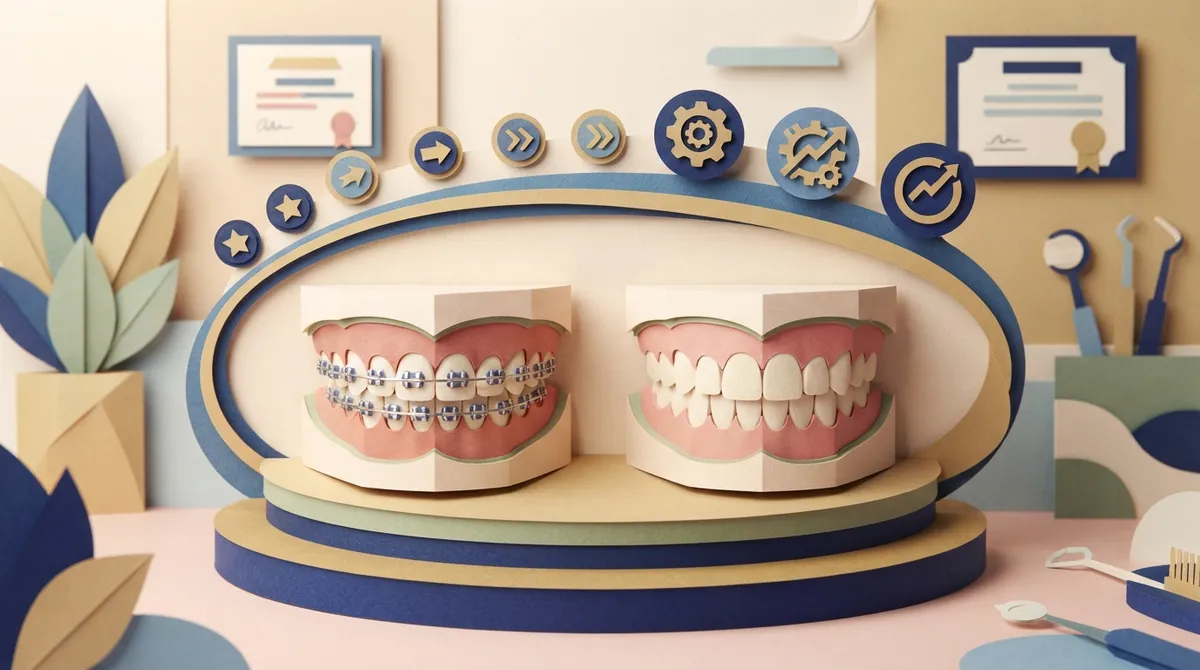
Here’s where things get interesting. While two years is common, treatment time can stretch from as short as 6 months to as long as 30 months or more. NHS guidance in the UK gives a typical range of 12 months to 2.5 years, and more complex cases can take three years or beyond.
So why such a wide range? It comes down to what your teeth and jaw need. A few simple factors make a big difference:
- Minor crowding or small gaps often wrap up in under a year.
- Moderate bite issues typically fall into that 18 to 24 month zone.
- Severe crowding, impacted teeth, or jaw discrepancies can take 30 months or longer.
- Cases needing jaw surgery usually require the longest treatment plans.
If you’re curious where your case might fall, our first visit is the perfect time to find out. Dr. Brockway will walk you through a personalized estimate based on your smile.
3. Minor Cases Can Wrap Up Faster
Not everyone needs the full two years. If your teeth just have small gaps or slight crowding, you might be looking at 6 to 12 months in braces. This is one reason why an early evaluation matters so much, especially for kids.
Catching alignment problems early, sometimes as young as age 7, can mean shorter, simpler treatment down the road. Our early treatment options are designed to guide growing smiles before problems get bigger and harder to fix.
4. Complex Cases Take Longer, and That’s Okay
Severe overbites, underbites, crossbites, or impacted teeth need more time to correct properly. Rushing these cases can lead to poor results or relapse later on. If your treatment plan calls for 30 months or more, it’s not a sign something went wrong. It just means your case needed extra care to get it right.
Patients dealing with orthodontic relapse often fall into this category too. If you had braces years ago and your teeth have shifted back, retreatment may take longer than your first round did. That’s normal, and it’s worth doing right this time with a fresh, personalized plan.
5. Your Age Can Affect Treatment Time
Kids and teens are still growing, which can actually work in their favor. Growing jaws are often easier to guide into position. Adults, on the other hand, have fully developed bone structure, which can sometimes mean slightly longer treatment for certain bite corrections.
This doesn’t mean adults should skip braces. In fact, more grown-ups than ever are choosing orthodontic treatment. Our adult treatment options, including discreet clear aligners, make it easier than ever to fit braces into a busy professional life.
6. How Often Will You See Your Orthodontist?
During active treatment, you’ll come in for regular checkups. These visits let Dr. Brockway adjust your wires, check your progress, and catch small issues before they become big ones.
According to the American Association of Orthodontists, adjustment visits usually happen every 4 to 12 weeks, depending on your stage of treatment. NHS guidance says appointments are commonly every 4 to 10 weeks. Here’s a simple breakdown of what to expect:
| Treatment Stage | Typical Visit Frequency | What Happens |
|---|---|---|
| Early Treatment | Every 6-10 weeks | Wire and bracket checks, minor adjustments |
| Mid Treatment | Every 4-8 weeks | Tightening wires, adding elastics if needed |
| Final Stage | Every 4-6 weeks | Fine-tuning bite and alignment |
| Retention Phase | Every 6-12 months | Retainer checks, monitoring stability |
Keeping these appointments is one of the easiest ways to stay on schedule. Ready to book your next checkup? You can always book an appointment online with our friendly team.
7. Missed Appointments and Broken Brackets Can Delay Your Smile
We get it, life happens. But skipping appointments or ignoring a broken bracket can quietly add weeks or even months to your treatment. Here’s how small slip-ups can turn into bigger delays:
- Missed adjustment visits mean your teeth aren’t moving as planned.
- Broken brackets or wires stop applying the right pressure.
- Skipping elastics can slow down bite correction significantly.
- Poor oral hygiene can lead to gum issues that pause treatment.
- Ignoring dietary guidelines can damage your appliances.
The fix is simple: keep your scheduled visits, call us right away if something breaks, and follow the care instructions your orthodontist gives you. To avoid these classic setbacks, check out our guide on braces treatment mistakes you should never make.
8. Clear Aligners May Offer a Different Timeline
Many teens and adults ask about clear aligners instead of traditional metal braces. At Brockway Orthodontics, we proudly offer Spark™ Clear Aligners, a comfortable and more affordable option compared to some other aligner brands.
Cleveland Clinic recommends wearing aligners at least 22 hours a day for the best results. Skipping this wear time is one of the biggest reasons aligner treatment takes longer than expected. For mild to moderate cases, aligners can sometimes work just as fast as braces, but consistency is everything. If you’re weighing your options, our guide to all about braces compares the pros and cons side by side.
9. Retainers Keep Your New Smile in Place
Here’s something many patients don’t expect: getting your braces off isn’t really the finish line. After active treatment, you’ll move into the retention phase. This is when retainers step in to protect all that hard work.
Teeth naturally want to drift back toward their old positions. Wearing your retainer as directed, often nightly for the long haul, is the single best way to protect your results. Many orthodontists, including our team, recommend some form of retainer wear for life. Think of it as regular maintenance, just like brushing and flossing.
If you’re worried about slipping on this step, our article on how to wear a retainer after braces breaks it down into simple daily habits.
What Affects Your Personal Braces Timeline
Every smile is different, which is why cookie-cutter answers rarely apply. Here are the main factors that shape how long your treatment will take:
- Severity of crowding, spacing, or bite misalignment
- Whether teeth are impacted or need to be guided into place
- Your age and how much jaw growth is still happening
- Gum and bone health throughout treatment
- Whether extractions or jaw surgery are part of your plan
- How consistently you follow care instructions and attend visits
During your consultation, Dr. Brockway will review all of these factors and give you a realistic, personalized timeline. You can learn more about her approach on our Meet Dr. Brockway page.
Why Choose Brockway Orthodontics for Your Journey
Every family in Clearwater deserves an orthodontist who listens, explains things clearly, and treats them like more than just a chart number. That’s exactly what you’ll find at Brockway Orthodontics. We use modern technology like digital impressions and 3D imaging to plan your treatment precisely, which helps keep your timeline as accurate and efficient as possible.
We also know life is busy. That’s why we offer same-day treatment starts in certain cases, so you’re not waiting weeks just to get going. Our full range of services covers everything from traditional metal braces to ceramic braces and Spark™ Clear Aligners, giving every member of your family the right option for their smile and lifestyle.
Curious what other patients think? You can visit us on Google — Brockway Orthodontics to read real reviews from our Clearwater community. We’re also active on Facebook and Instagram, where we share smile transformations and helpful tips. For professional updates, you can also find us on LinkedIn. If you’d like guidance from a recognized industry group, the Florida Association of Orthodontists is a great resource for finding qualified specialists across the state.
Ready to Start Your Own Braces Journey?
Now that you know how long braces typically take and what can affect your timeline, the next step is simple. Every smile journey starts with one conversation. Whether you’re exploring options for your child, considering adult treatment, or dealing with orthodontic relapse, our Clearwater team is here to help you feel confident every step of the way.
Ready to find out your personalized treatment timeline? Book your appointment online today, or feel free to get in touch with our team with any questions. We can’t wait to help you love your smile.
FAQs
Q: How long do braces take to straighten teeth?
A: Most people see their teeth fully straightened within 12 to 24 months. That said, mild cases can finish in under a year, while more complex bites might take up to three years. Your orthodontist will give you a personalized estimate after your first exam.
Q: Can braces come off in less than a year?
A: Yes, absolutely! If you only have minor crowding or small gaps, you might be done in 6 to 12 months. It really depends on how much correction your smile needs, so every timeline looks a little different.
Q: Why do some people need braces for two or three years?
A: Severe crowding, impacted teeth, jaw discrepancies, or cases requiring extractions or surgery simply need more time to correct safely. It’s not a bad thing, it just means your orthodontist is taking the extra care your smile needs to get lasting results.
Q: How do missed appointments or broken brackets affect treatment time?
A: Skipping visits or breaking a bracket can pause your progress and add extra weeks or months to your plan. Keeping your regular appointments and calling us right away about any damage helps keep your treatment right on track.
Q: How long do you need to wear a retainer after braces?
A: Most patients wear retainers nightly for a long time, and many orthodontists recommend some retainer wear for life. Think of it as easy maintenance that protects all the hard work you put into your new smile.
Our Service Area