Key Takeaways
-
Straight teeth are easier to clean, helping prevent cavities and gum disease, while proper alignment reduces jaw strain and improves chewing comfort—making dental straightening a health investment, not just cosmetic.
-
Clear aligners typically take 6-18 months while traditional braces take 18-36 months; treatment duration depends on case complexity and how consistently you follow your orthodontist's instructions.
-
Retainers are essential after treatment ends to prevent relapse; skipping retainer wear is the most common reason teeth shift back, so your orthodontist will recommend a specific long-term wear schedule.
-
An in-person orthodontic exam with digital scans and X-rays is crucial before choosing treatment, as at-home aligner kits cannot detect root health, gum condition, or hidden bite issues.
-
Clear aligners work best for mild-to-moderate crowding and spacing, while traditional braces handle complex cases and severe bite problems more effectively.
-
Adults and teens benefit equally from straightening treatment with no age limit; maintaining excellent oral hygiene with daily flossing and brushing after meals is critical during treatment to prevent cavities and staining.
Have you been hiding your smile in photos? Maybe you notice crowded teeth or a gap that bothers you every time you look in the mirror. You’re not alone. Thousands of people in Clearwater and beyond are asking the same question: what exactly is dental straightening, and how can it give me a smile I love?
Dental straightening is simply the process of moving teeth into better positions using orthodontic treatment. It can fix crowded teeth, close gaps, and correct bite problems too. The good news? You have more options than ever before, from classic metal braces to nearly invisible clear aligners. This friendly guide will walk you through everything you need to know, so you can make a confident choice for yourself or your family.
At Brockway Orthodontics, we’ve helped countless patients in Clearwater find their perfect smile. Dr. Brockway and her team believe every person deserves to feel proud of their teeth, no matter their age or starting point. Let’s break down what dental straightening really means and how it can work for you.
What Does Dental Straightening Actually Mean?
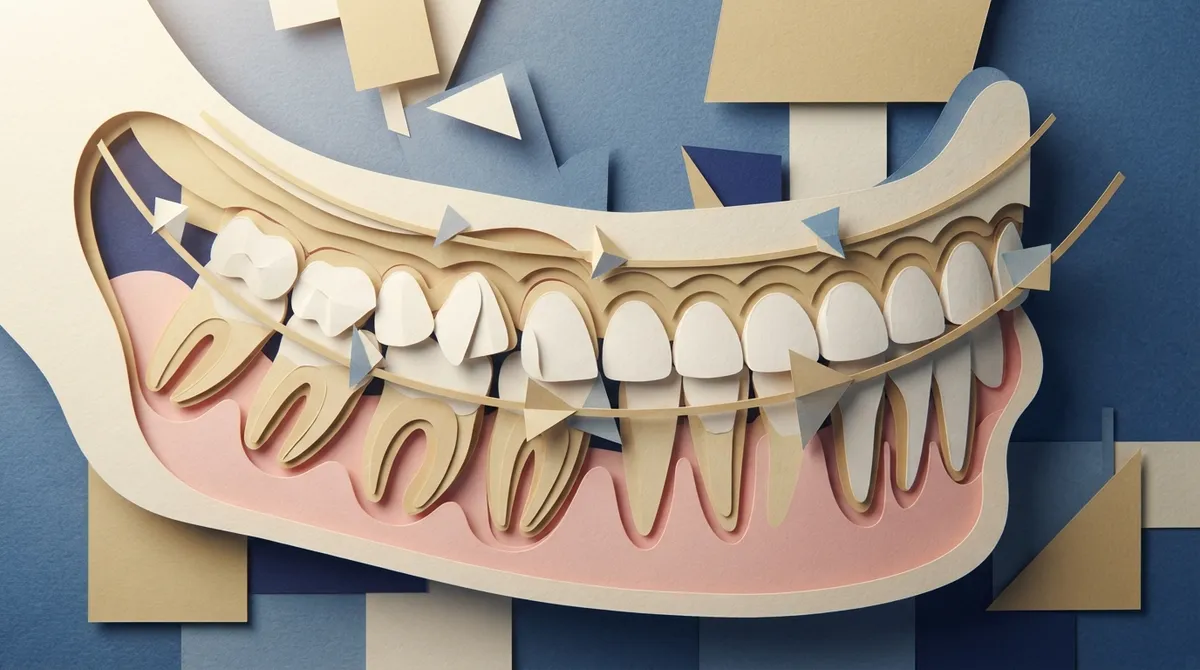
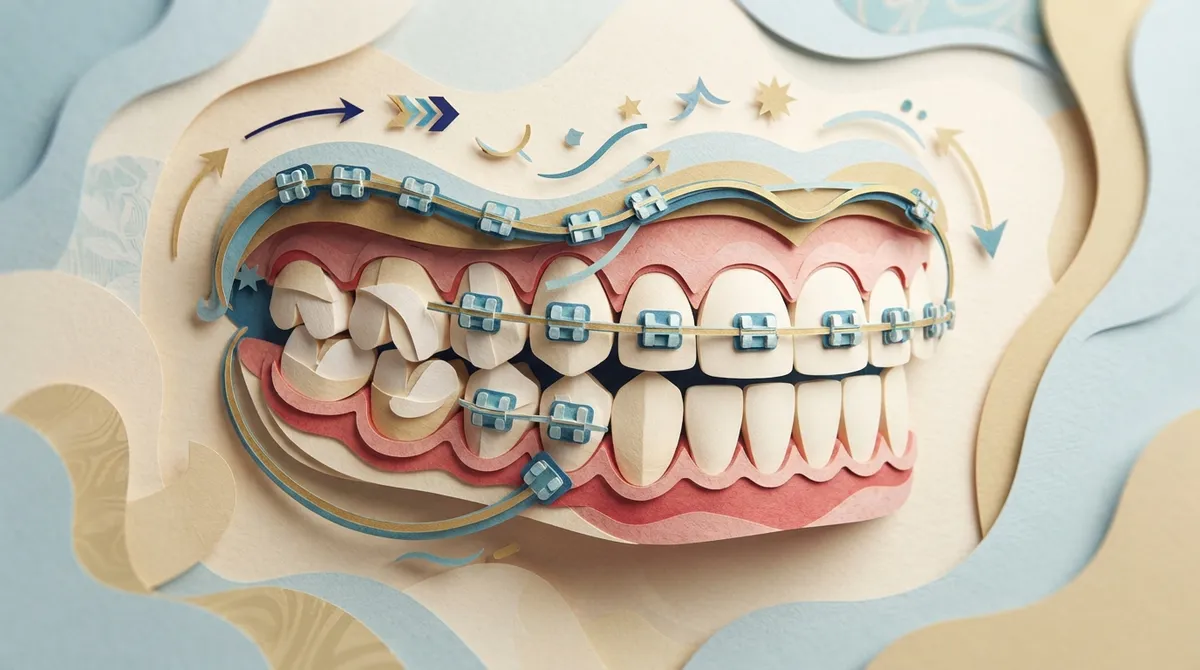
Dental straightening is the orthodontic process of fixing crooked, crowded, rotated, or gapped teeth. It also corrects bite problems, which doctors call malocclusion. Think of it as guiding your teeth into their ideal spots, one gentle push at a time.
This isn’t only about looks, though a beautiful smile is a wonderful bonus! Straight teeth are also easier to clean, which helps prevent cavities and gum disease. A properly aligned bite can reduce jaw strain and make chewing more comfortable too. So really, dental straightening supports both your confidence and your long-term dental health.
The Main Types of Dental Straightening Treatments
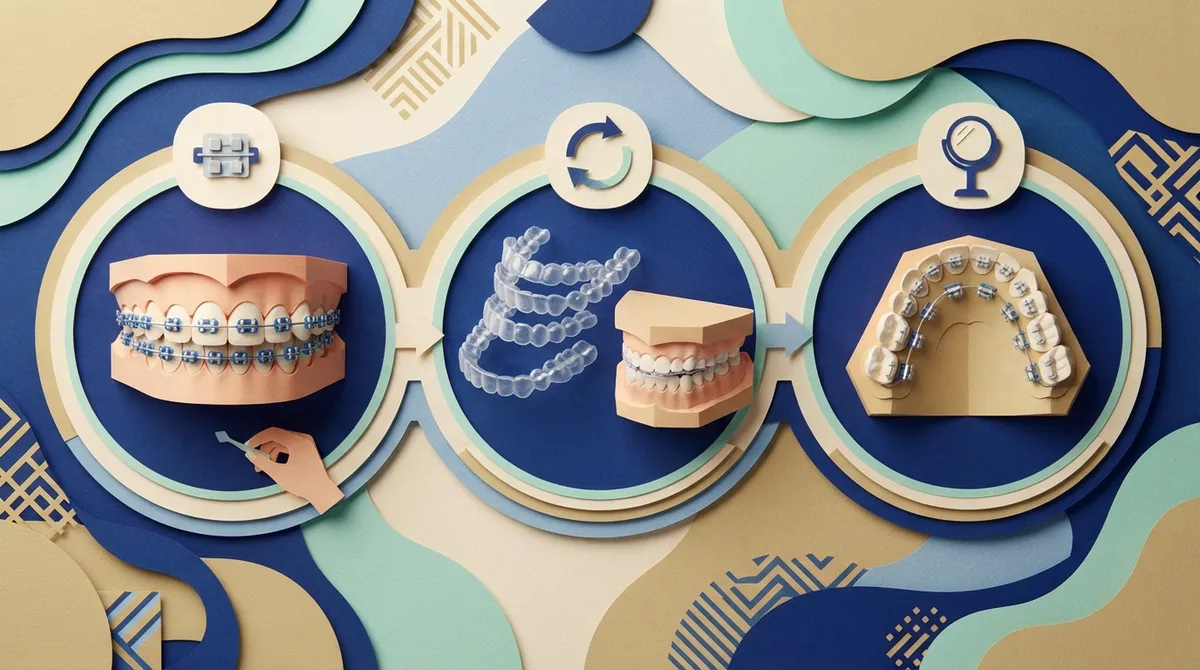
When it comes to straightening teeth, two main treatment paths lead the way: fixed braces and clear aligners. Each has its own strengths, and the right choice depends on your unique smile.
Fixed Braces: The Reliable Classic
Braces use brackets, wires, and sometimes elastics to apply steady, controlled pressure on teeth. They can be made from metal, ceramic, or even placed on the back of teeth (called lingual braces). Braces remain incredibly versatile and can treat a wide range of complex tooth movements, even in tricky or severe cases.
Many families love that braces have come a long way from the bulky metal mouths of the past. Today’s options are sleeker, more comfortable, and often faster acting thanks to improved materials and techniques.
Clear Aligners: The Discreet Choice
Clear aligners are a series of custom-made, removable plastic trays. You wear each set for about one to two weeks before moving to the next one in the sequence. They apply gentle, programmed pressure that moves teeth just a fraction of a millimeter at a time.
At Brockway Orthodontics, we proudly offer Spark™ Clear Aligners, a fantastic and more affordable alternative to other well-known aligner brands. They’re nearly invisible, which makes them popular with teens heading to prom and professionals who want a discreet option at work.
Braces vs. Clear Aligners: Which One Is Right for You?
This is probably the question we hear most often at our Clearwater office. The honest answer is: it depends on your specific smile goals and lifestyle. Here’s a simple breakdown to help you compare.
| Feature | Traditional Braces | Clear Aligners |
|---|---|---|
| Visibility | More visible (unless ceramic) | Nearly invisible |
| Removability | Fixed, cannot remove | Removable for eating and cleaning |
| Best For | Complex cases, severe malocclusion | Mild to moderate crowding, spacing |
| Typical Treatment Time | 18 months to 3 years | 6 to 18 months |
| Daily Wear Requirement | Worn all day, every day | 20 to 22 hours per day |
| Estimated Cost Range | $2,500–$8,000 | $3,500–$8,000 |
According to the American Association of Orthodontists, clear aligners work well for crowding, spacing, and some bite issues. But braces can typically handle a wider range of complex problems. That’s why an in-person exam with a trained orthodontist matters so much before choosing your path.
How Do Orthodontists Decide Which Treatment You Need?
Choosing the right dental straightening method isn’t a guessing game. It follows a clear, thoughtful process designed around your unique smile. Here’s what typically happens during treatment planning:
- Initial Consultation: Your orthodontist examines your teeth, jaw, and bite in person.
- Digital Scans or Impressions: Modern offices often use digital scanners instead of messy molds.
- Photographs and X-Rays: These help identify root positions, jaw growth, and hidden issues.
- Treatment Discussion: Your orthodontist explains your options, timeline, and expected results.
- Plan Selection: Together, you choose the treatment that fits your goals and lifestyle.
This is exactly why your first visit to Brockway Orthodontics is so important. Dr. Brockway takes time to really listen to your concerns before recommending any treatment. We also use modern 3D imaging and digital impressions, which means more comfort and more precise planning for you.
Who Can Benefit From Dental Straightening?
One of the best parts of modern orthodontics is that it truly works for everyone. Let’s look at a few groups who often seek treatment.
- Parents of children and teens: Early treatment can guide jaw growth and prevent bigger problems later. Many kids start around age 7 with an initial screening.
- Teenagers and young adults: Braces or aligners before graduation or prom can boost confidence at big life moments.
- Busy professionals: Clear aligners let you straighten your teeth discreetly, without disrupting meetings or client calls.
- Adults needing retreatment: If your teeth shifted after old orthodontic work, it’s never too late to correct relapse.
- Health-conscious patients: Straighter teeth are simply easier to brush and floss properly.
Whether you need adolescent treatment or you’re exploring adult treatment for the first time, our Clearwater team is ready to help. We also specialize in early treatment for younger patients who may benefit from a head start.
How Long Does Dental Straightening Take?
This is another common question, and the honest answer is: it varies quite a bit. Treatment time depends on how complex your case is, your age, and how well you follow your orthodontist’s instructions.
Generally speaking, clear aligner treatment takes about 6 to 18 months for many patients. Traditional braces often take longer, roughly 18 months to 3 years, according to cost and duration estimates from NewMouth. Keep in mind these are general ranges, not guarantees. Your specific timeline will depend on your unique smile and goals.
Caring for Your Teeth During Treatment
Good oral hygiene becomes extra important once you start dental straightening. Braces create small nooks where food and plaque can hide, so a little extra care goes a long way.
Here are a few simple habits that make a big difference:
- Brush after every meal using fluoride toothpaste, especially around brackets and wires
- Floss daily with orthodontic floss threaders or a water flosser
- Rinse your clear aligners with lukewarm water before reinserting them
- Never eat or drink anything except water while wearing aligners
- Keep up with routine dental cleanings during your treatment
The American Dental Association recommends consistent brushing and flossing habits throughout orthodontic treatment to protect your smile. Skipping these steps can lead to staining, cavities, or gum irritation, none of which anyone wants after investing in a straighter smile.
What Happens After Treatment Ends?
Congratulations, your teeth are finally straight! But there’s one more important step: retainers. Almost every patient needs to wear a retainer after active treatment ends.
Retainers don’t move your teeth. Instead, they hold your teeth in their new, corrected positions while your bone and gums adjust. Skipping retainer wear is one of the most common reasons people experience relapse, where teeth slowly shift back toward their old positions. Learn more about retainers and how long-term wear protects your investment in your smile.
The British Orthodontic Society emphasizes that retainers are essential for reducing unwanted tooth movement after treatment. Your orthodontist will recommend a specific wear schedule based on your case, which might mean nightly wear for years or even a permanent bonded retainer.
Is At-Home Teeth Straightening Safe?
You may have seen ads for mail-order aligner kits that skip the in-person visit entirely. While convenient sounding, these programs come with real risks. Without a hands-on exam, X-rays, or professional monitoring, problems with your roots, gums, or bite can go unnoticed.
A qualified orthodontist evaluates far more than just how your teeth look. They check root health, jaw relationships, and gum condition before any tooth movement begins. This kind of careful, personalized attention is something at-home kits simply cannot replicate.
Why Choose Brockway Orthodontics for Your Smile Journey?
Dr. Brockway isn’t just a skilled orthodontist in Clearwater, Florida. She genuinely cares about every patient who walks through our doors. She takes time to listen to your goals and answer your questions in a way that actually makes sense, no confusing jargon required.
Our practice serves the whole family, from young kids getting their first evaluation to adults finally pursuing the smile they’ve always wanted. We use modern technology like digital impressions and 3D imaging to make your treatment more comfortable and precise. In select cases, we even offer same-day treatment starts, so you don’t need multiple appointments just to begin.
We also believe education builds confidence. Our friendly team walks you through every step, whether you’re comparing traditional braces vs. clear aligners or wondering about financing and insurance options. Curious what others say about their experience? You can visit us on Google — Brockway Orthodontics to read real reviews from our Clearwater community.
You can also connect with us on Facebook or follow along on Instagram to see real smile transformations and get helpful tips. For orthodontic standards and provider verification in our state, the Florida Association of Orthodontists is also a great resource.
Common Questions About Dental Straightening
Does dental straightening hurt? Most patients feel mild soreness for a few days after adjustments or when starting a new aligner tray, but it’s rarely described as painful. Over-the-counter pain relief and soft foods usually help during the first day or two.
Can adults really benefit from dental straightening? Absolutely! There’s no upper age limit for orthodontic treatment. Many adults choose treatment for both cosmetic reasons and to fix long-standing bite problems.
What if my insurance doesn’t fully cover treatment? Many dental insurance plans offer partial coverage for orthodontics, and our office offers flexible payment plans to help make treatment affordable for your budget.
Ready to Start Your Smile Journey?
Dental straightening is more than a cosmetic fix. It’s an investment in your comfort, confidence, and long-term oral health. Whether you’re considering braces for your child, exploring clear aligners as a busy professional, or finally addressing relapse from past treatment, the right plan starts with an expert evaluation.
Ready to see what’s possible for your smile? Book your appointment online today and take the first step toward the confident smile you deserve. Have questions before you schedule? Feel free to contact us, and our friendly Clearwater team will be happy to help.
FAQs
Q: What is dental straightening and how does it work?
A: Dental straightening is the orthodontic process of moving teeth into better positions using braces or clear aligners. It fixes crowded, crooked, or gapped teeth and can correct bite problems too. Your orthodontist creates a custom plan based on your specific smile after a thorough exam.
Q: Are braces or clear aligners better for straightening teeth?
A: It really depends on your case! Braces handle a wider range of complex problems, while clear aligners work great for mild to moderate crowding and spacing. Your orthodontist will recommend the best fit after examining your teeth and bite.
Q: How long does dental straightening take?
A: Most clear aligner treatments take about 6 to 18 months, while traditional braces often take 18 months to 3 years. Your exact timeline depends on how complex your case is and how consistently you follow your treatment plan.
Q: Do I need to wear a retainer after my teeth are straightened?
A: Yes, almost everyone needs a retainer after treatment! Retainers hold your teeth in their new positions while your gums and bone settle. Skipping retainer wear is one of the biggest reasons people experience relapse.
Q: Can adults get dental straightening treatment too?
A: Absolutely, there’s no age limit on getting a straighter smile! Many adults choose treatment for both appearance and to fix bite issues that have bothered them for years. It’s never too late to invest in your smile.
Our Service Area