
Key Takeaways
-
Most patients wear braces for 12-24 months, but your exact timeline depends on personal factors like tooth crowding severity and how well you follow orthodontist instructions.
-
Following your orthodontist's appointment schedule (every 4-10 weeks) and instructions is critical—missing appointments or breaking brackets can add weeks or months to your treatment.
-
Mild cases with minor crowding or small gaps may finish in under 12 months, while complex bite problems like severe overbites or underbites can take 2-3 years or longer.
-
Treatment type doesn't significantly affect duration: ceramic braces and clear aligners take similar time (12-24 months) as metal braces for comparable cases.
-
Extractions or jaw surgery naturally extend treatment timelines, and your orthodontist will explain during consultation why these steps are necessary for your specific case.
-
Retainer wear after braces is essential to prevent tooth shifting—most patients start full-time wear then transition to nighttime-only, potentially lasting indefinitely to maintain results.
If you’re wondering “braces how long” will be part of your life, you’re definitely not alone. This is one of the most common questions we hear at our Clearwater office, and honestly, we love answering it! Whether you’re a parent scheduling your child’s first visit, a busy professional thinking about a smile makeover, or someone who wore braces years ago and is noticing some shifting, knowing what to expect makes the whole journey feel less overwhelming. Let’s dig into the real facts so you can plan ahead with confidence.
The good news? Most patients wear braces for somewhere between 12 and 24 months. But your exact timeline depends on a bunch of personal factors, from how crowded your teeth are to how well you follow your orthodontist’s instructions. Below, we’re breaking down 13 essential facts about braces timelines so you know exactly what to expect at every stage. Grab a cup of coffee, and let’s get into it!
1. The Average Braces Timeline Is 12 to 24 Months
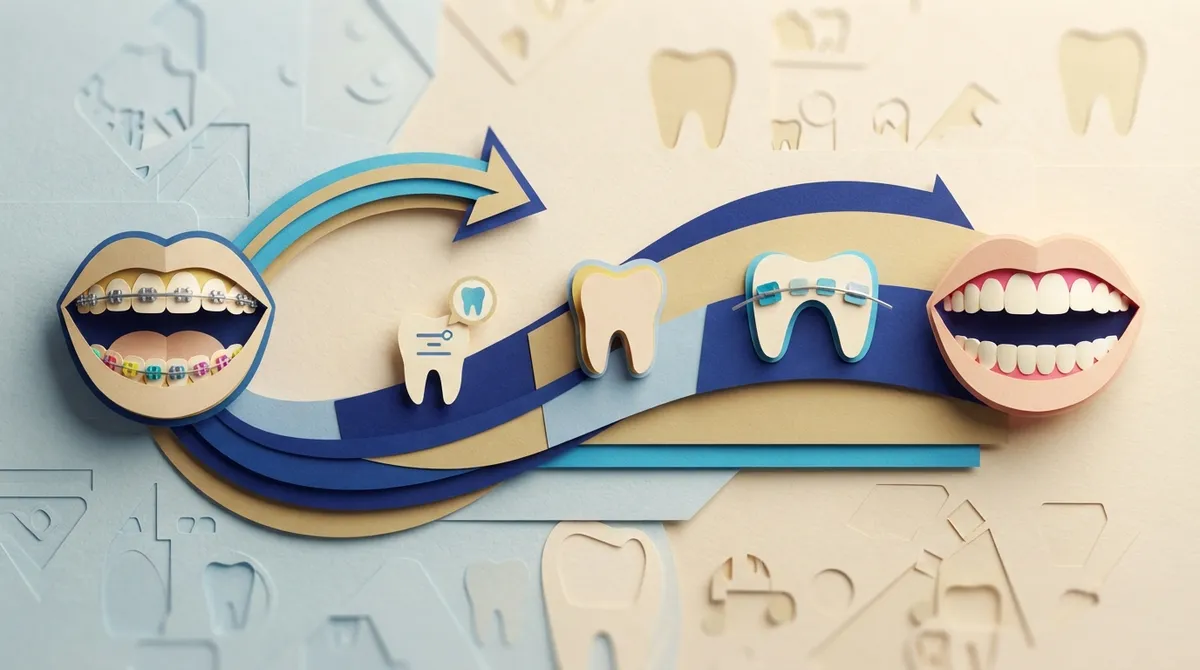
According to the American Dental Association, most orthodontic patients wear braces for one to two years. This range covers a huge variety of cases, from mild spacing issues to moderate crowding. The American Association of Orthodontists backs this up too, noting that treatment can take just a few months for minor corrections or stretch to several years for more complex situations.
Here at Brockway Orthodontics, Dr. Brockway creates a personalized plan for every patient because no two smiles are exactly alike. During your first visit, she’ll give you a realistic estimate based on your specific needs.
2. Mild Cases Can Wrap Up in Under a Year
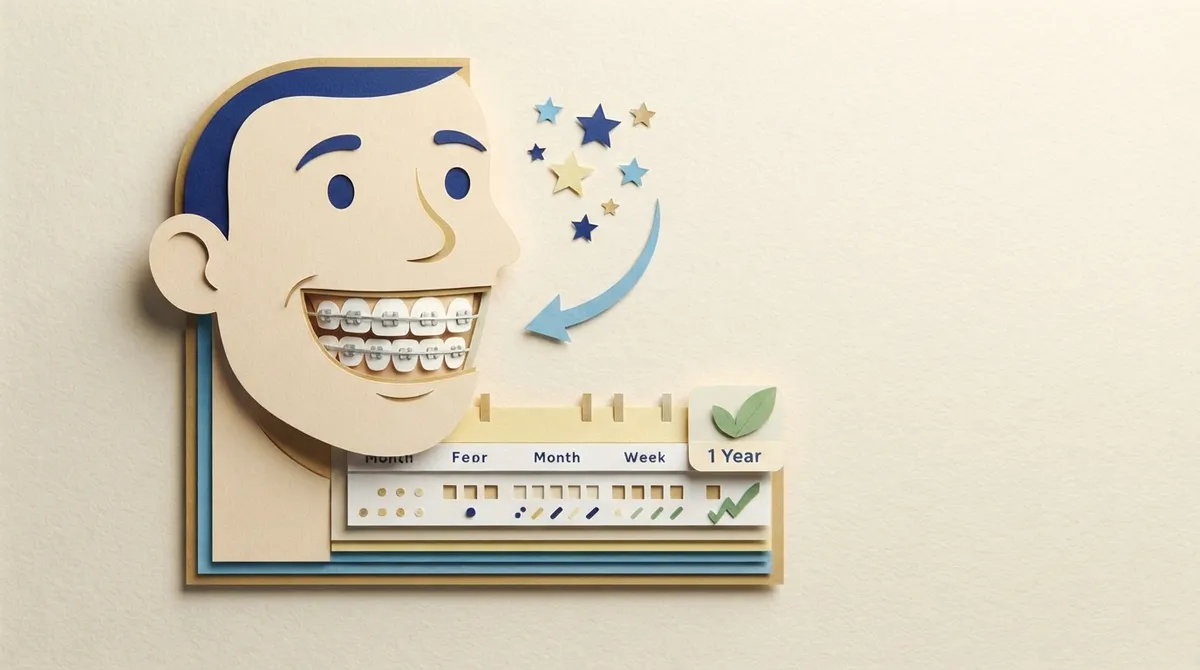
Got minor crowding or a small gap between your teeth? You might be one of the lucky ones who finishes treatment in less than 12 months. These simpler cases don’t require major tooth movement, so the process moves along faster.
This is especially common with young patients who catch issues early. That’s one reason early treatment is so valuable. Catching a problem before it grows more complicated can seriously shorten your child’s total time in braces.
3. Complex Bite Problems Can Take 2-3 Years or Longer
On the other end of the spectrum, some patients need extended treatment. Severe overbites, underbites, crossbites, or impacted teeth often require more time to correct properly. The NHS reports that treatment involving jaw surgery or impacted teeth frequently falls into the two-to-three-year range.
If your case involves a more complicated bite issue, don’t worry. Dr. Brockway has extensive experience handling tricky situations, and she’ll walk you through every step so you always know where you stand.
4. Your Appointment Schedule Matters
Most patients visit their orthodontist every 4 to 10 weeks during active treatment. These check-ins let your orthodontic team tighten wires, swap out elastics, and track your progress. Skipping appointments can actually slow things down.
- Adjustment visits typically last 15-30 minutes
- Your orthodontist checks tooth movement and bite alignment
- Wires or aligner trays get changed as needed
- Any loose brackets or issues get fixed on the spot
Consistent visits keep your treatment moving smoothly and help avoid unnecessary delays.
5. Following Instructions Speeds Things Up
Here’s something worth repeating: your cooperation matters a lot. Missing appointments, breaking brackets, or skipping your rubber bands can add weeks or even months to your treatment. On the flip side, sticking to your orthodontist’s game plan helps you finish on schedule, or sometimes even early.
Want to learn more about staying on track? Check out our guide on how to get the most out of your orthodontics care for practical tips that really work.
6. Age Alone Doesn’t Determine Your Timeline
A lot of people assume kids move through treatment faster than adults, but that’s not always true. While growing jaws can sometimes make certain corrections easier for younger patients, adults can achieve just as effective results.
That said, adult cases sometimes involve extra considerations, like previous dental work or gum health concerns. If you’re considering adult treatment, Dr. Brockway will factor in your unique dental history when building your plan.
7. Ceramic Braces Timeline Is Similar to Metal Braces
Good news for anyone worried about choosing a more discreet option: ceramic braces generally take about the same amount of time as traditional metal braces. The material doesn’t slow down tooth movement, it just blends in more with your natural tooth color.
Curious about your options? Our All About Braces page breaks down the differences between materials so you can pick what fits your lifestyle best.
8. Clear Aligners Follow a Similar Range
If you’re leaning toward a nearly invisible option, our Spark™ Clear Aligners typically fall within that same 12 to 24 month window for most cases, sometimes even faster for milder corrections. Clear aligners work great for teens and adults who want effective results without a mouth full of metal.
| Treatment Type | Typical Duration | Best For |
|---|---|---|
| Metal Braces | 12-24 months | Complex cases, all ages |
| Ceramic Braces | 12-24 months | Discreet look, teens/adults |
| Spark Clear Aligners | 6-18 months | Mild to moderate cases |
| Severe Bite Correction | 24-36+ months | Jaw issues, extractions, surgery |
9. Extractions and Jaw Surgery Extend Treatment
Sometimes achieving that beautiful, healthy smile requires removing a tooth or two to create space. In more severe cases, jaw surgery might be part of the plan. These additional steps naturally add time to your overall treatment.
If your treatment plan includes extractions or surgical intervention, Dr. Brockway will explain exactly why it’s necessary and how it fits into your timeline during your consultation.
10. Retainers Are a Whole Separate Phase
Once your braces come off, the work isn’t quite finished! You’ll need a retainer to help your teeth settle into their new positions. Skipping this step can allow your teeth to shift back, undoing months (or years) of hard work.
Retention usually starts with full-time wear, then transitions to nighttime-only wear over time. This phase can technically last a lifetime if you want to keep that gorgeous smile looking its best.
11. Relapse Patients Often Need Retreatment
Life happens, and sometimes teeth shift back even years after your first round of braces. If you’re noticing your smile isn’t quite what it used to be, you’re not alone, and it’s completely fixable. Many adults come back for a second round of treatment to restore their smile.
Retreatment timelines vary depending on how much movement has occurred, but they’re often shorter than your original treatment since the teeth already “remember” their corrected positions to some degree.
12. Your Diagnosis Determines Everything
The single biggest factor in your braces timeline is your specific diagnosis. Crowding, spacing, rotated teeth, overbites, underbites, and jaw growth patterns all play a role. That’s why a thorough exam matters so much before treatment even begins.
During your consultation, Dr. Brockway will use detailed imaging to map out exactly what’s going on with your teeth and jaw. This lets her give you an honest, accurate timeline instead of a generic guess.
13. A Personalized Consultation Gives You Real Answers
Every mouth is different, so the only way to get a truly accurate answer to “braces how long” is through a personalized evaluation. Online estimates and general averages are helpful starting points, but nothing beats sitting down with an experienced orthodontist who can examine your specific situation.
We proudly serve families throughout Clearwater and the surrounding Pinellas County area, and we’d love to help you figure out your own timeline. Feel free to book your appointment online and get started with a no-pressure conversation about your smile goals.
Why Choose Brockway Orthodontics for Your Treatment Journey
Dr. Brockway isn’t just another orthodontist in Clearwater, she genuinely cares about making your experience comfortable and stress-free. Our office uses modern technology, including digital impressions and 3D imaging, so your treatment plan is as precise as possible from day one. This kind of planning helps keep your timeline as accurate and efficient as it can be.
We also know life gets busy, especially for families juggling school, work, and everything in between. That’s why we offer flexible services designed to fit real schedules, and in some cases, same-day treatment options so you can get started without multiple visits. Whether you’re exploring braces for your teen through our adolescent treatment program or considering aligners for yourself, we’re here to support you every step of the way.
Curious what other patients have to say? You can see what our Brockway Orthodontics patients say on Google, or check out real stories on our patient reviews page. We also share smile transformations and helpful tips on Instagram and Facebook, so feel free to follow along for inspiration and updates from our practice.
For families researching orthodontic associations and standards, the Florida Association of Orthodontists offers helpful resources about finding qualified care in our state. We’re proud members of a community that prioritizes quality treatment and patient education above all else.
Wrapping Up Your Braces Timeline Questions
So, how long will your braces journey actually take? The honest answer is: it depends on you! Your unique smile, your commitment to following instructions, and the complexity of your case all play a role in your final timeline. Most patients fall somewhere in that 12 to 24 month sweet spot, but your personalized plan is the only way to know for sure.
We’d love to help you map out your own smile journey right here in Clearwater. Our friendly team is ready to answer your questions, walk you through your options, and make sure you feel confident every step of the way. Ready to find out your personal timeline? Reach out to our team today and let’s get your smile transformation started!
FAQs
Q: How long do braces take to straighten teeth?
A: Most folks wear braces for about 12 to 24 months, but it really depends on your specific case. Mild issues might wrap up in under a year, while more complex bites can take two to three years. The best way to know your exact timeline is with a personalized consultation!
Q: What is the average time adults need to wear braces?
A: Adults typically fall into that same 12 to 24 month range as everyone else. Age alone doesn’t slow things down, though some adult cases involve extra factors like previous dental work. Dr. Brockway will give you an honest estimate based on your unique smile.
Q: Can braces work in less than 12 months?
A: Absolutely! If you have mild crowding or small spacing issues, you could be done in under a year. Every mouth is different, so a quick consultation is the best way to see if you’re a candidate for a shorter treatment timeline.
Q: Why do some people need braces for two or three years?
A: Bigger bite problems, impacted teeth, extractions, or jaw surgery all add extra time to treatment. These more complex cases need extra care and patience, but the results are absolutely worth it. Dr. Brockway will walk you through exactly what to expect if your case falls into this category.
Q: How long do I need to wear a retainer after braces?
A: Great question! Most patients wear their retainer full-time at first, then switch to nighttime-only wear over time. Honestly, many orthodontists recommend wearing a retainer at night indefinitely to keep your smile looking its best for life.
Our Service Area