Key Takeaways
-
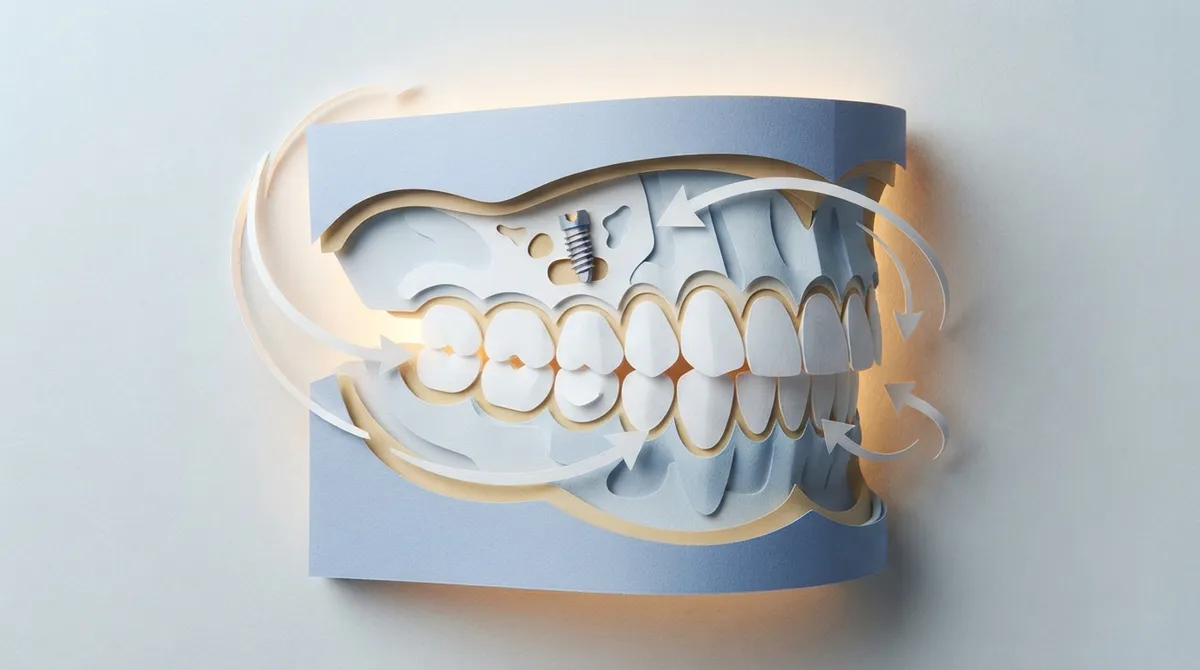
TADs are tiny titanium screws placed in the jawbone that act as stable anchor points, allowing orthodontists to move specific teeth precisely without shifting adjacent teeth—solving the common problem of anchorage loss.
-
TAD placement is quick (usually a few minutes), done under local anesthesia with minimal pain, and the device is temporary, staying in place only as long as needed (months to over a year) before easy removal.
-
Research shows TADs have strong success rates, with nearly half of studies reporting 90% or higher efficacy; however, outcomes depend on placement technique, bone quality, and patient hygiene maintenance.
-
TADs can replace bulky headgear and external appliances, making orthodontic treatment more discreet and comfortable for teens and adults while maintaining the same anchorage control.
Ever heard your orthodontist mention a “TAD” and wondered what in the world that means? You’re not alone! Many patients hear this term for the first time during a treatment consultation and feel a little puzzled. The good news is that TAD braces aren’t scary at all, once you understand what they do. In fact, they’re one of the coolest tools in modern orthodontics, helping create smile results that used to be much harder to achieve.
At Brockway Orthodontics in Clearwater, we love helping patients understand every part of their treatment plan. Whether you’re a parent researching options for your teen, a busy professional wanting efficient results, or someone returning for retreatment after a smile relapse, this guide will walk you through everything about TAD braces in plain, friendly language. Let’s dig into the facts!
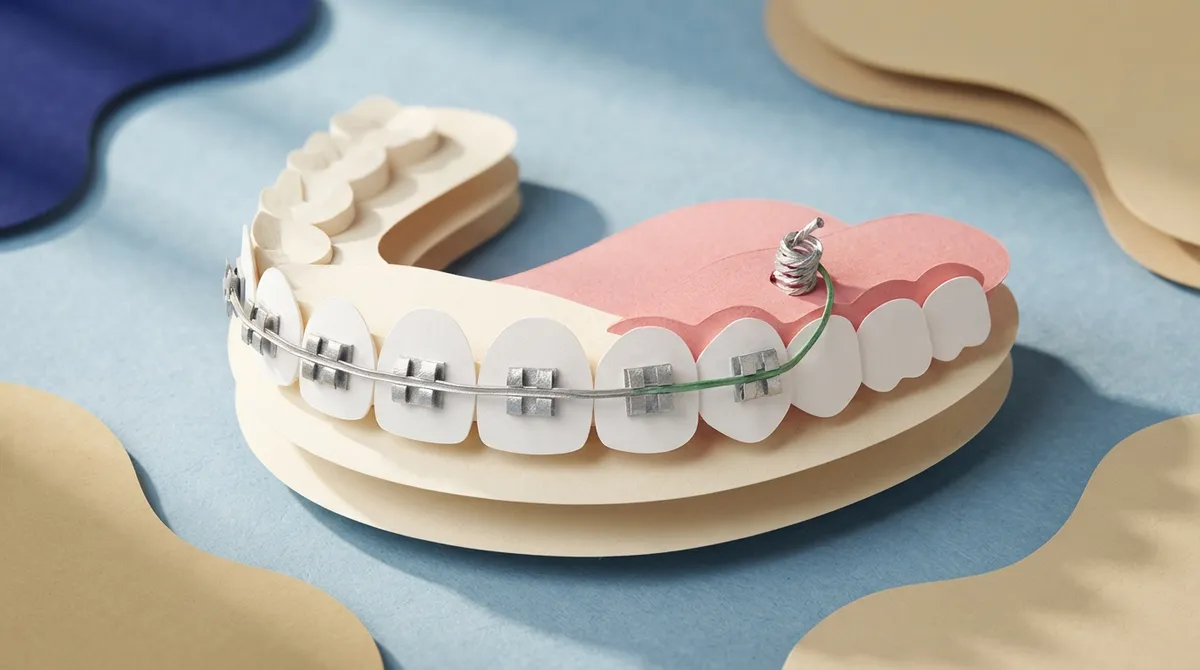
1. TAD Braces Aren’t Actually a Different Type of Braces
Here’s the first thing to clear up: “TAD braces” isn’t a separate category like metal braces or ceramic braces. Instead, it refers to regular braces used together with a temporary anchorage device, or TAD. Think of a TAD as a helper tool, not a whole new appliance. It works alongside your braces to give your orthodontist more control over specific tooth movements.
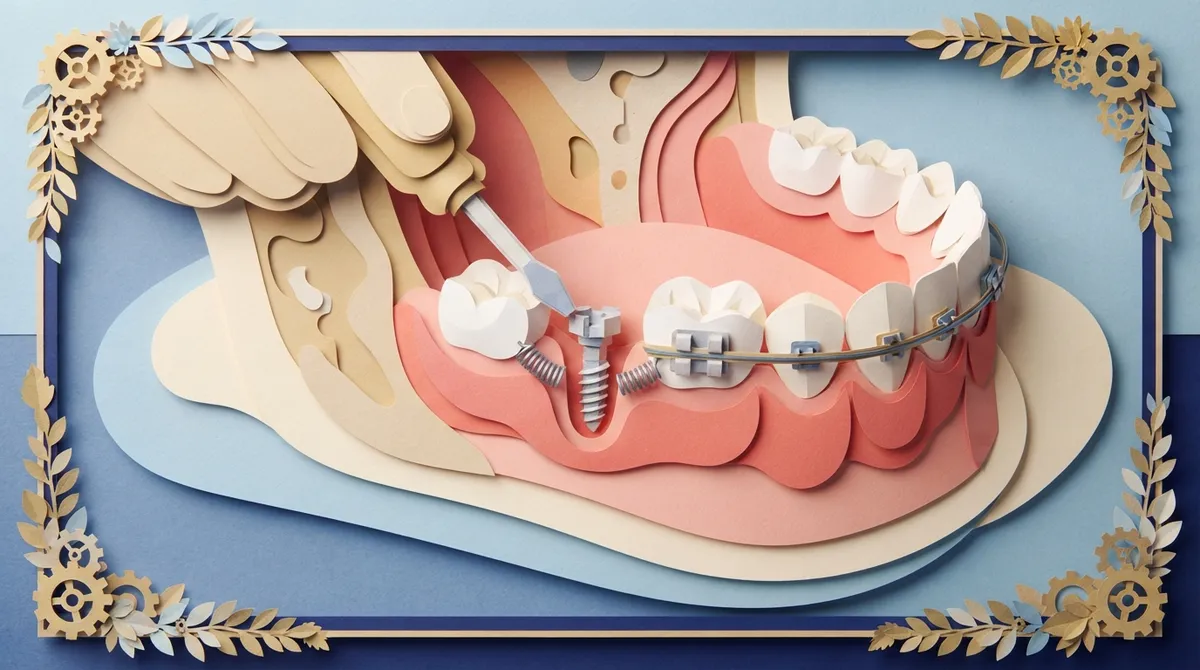
2. What Exactly Is a TAD?
A TAD is a tiny titanium screw, often called a miniscrew or mini-implant. It’s usually about 1.6mm wide and 8mm long, though sizes vary depending on the case. Your orthodontist places it into the jawbone to create a fixed, stable anchor point. Braces, elastics, or springs can then pull or push against this anchor to move teeth in a very precise way.
3. Why Would Your Orthodontist Recommend One?
TADs solve a tricky problem in orthodontics called anchorage loss. Normally, when you move one tooth, nearby teeth can shift too, which isn’t always what you want. A TAD acts like an anchor that doesn’t move, letting the orthodontist target just the teeth that need adjusting. Here are common reasons a TAD might be part of your plan:
- Closing gaps left after tooth extraction
- Pulling back protruding front teeth
- Fixing a crooked midline
- Bringing down teeth that have grown too long
- Moving back molars without shifting other teeth
- Helping treat open bites, deep bites, or certain bite misalignments
If you’re curious whether a TAD could help with your specific case, our team can walk you through it during a first visit or consultation.
4. TADs Work With Many Types of Treatment
TADs aren’t picky about which orthodontic system they pair with. They can work with:
- Traditional metal braces
- Ceramic (clear) braces
- Elastics, coil springs, or power chains
- In select cases, Spark™ Clear Aligners
A 2025 systematic review found that pairing TADs with clear aligners can help with tricky movements like tooth intrusion, extrusion, and moving molars backward. That said, precise placement really matters for these cases to work well.
5. Does Getting a TAD Hurt?
This is probably the question we hear most! The good news is that placement is usually quick and done with local anesthesia, so you shouldn’t feel much during the process itself. Most patients say it feels similar to getting a shot at the dentist. Afterward, you might notice some mild soreness for a day or two, similar to when you get braces tightened.
6. How Long Does Placement Actually Take?
Placing a TAD is usually fast, often just a few minutes per screw. Your orthodontist will numb the area first, then carefully insert the tiny screw into the bone. Depending on your treatment plan, the TAD may start working right away or need a short healing period before force is applied.
7. How Long Do TADs Stay In Your Mouth?
TADs are temporary by design. They stay in place only as long as needed to accomplish a specific tooth movement, which could be anywhere from a few months to over a year, depending on your case. Once the job is done, your orthodontist removes it. This is very different from a permanent dental implant, so there’s no need to worry about it becoming a lifelong fixture.
8. Success Rates: What Does the Research Say?
Good news, TADs have a strong track record. A 2022 scoping review found that nearly half of studies reported success rates of 90% or higher. Other research shows a range of results, since outcomes depend on many factors. Here’s a quick breakdown of what studies have found:
| Study/Review | Reported Success or Efficacy Rate | Notes |
|---|---|---|
| 2022 Scoping Review | 47.6% of studies reported ≥90% success | Failure rates ranged from about 5% to 26% |
| Bone-Anchorage Systematic Review | 61% to 100% (historical range) | Wide variation due to device type and placement site |
| 2024 Review | 75% to 94% efficacy | 1 to 3 in 10 devices may loosen in some series |
These numbers show that while TADs are generally reliable, results can vary based on placement technique, bone quality, and how well a patient follows care instructions.
9. What Are the Risks and Possible Complications?
Like any dental procedure, TADs come with some risks, though serious problems are uncommon. Possible issues include:
- Soreness or tenderness around the site
- Soft-tissue irritation or inflammation
- Mobility or loosening of the screw
- Rare fracture of the device
- Infection if hygiene isn’t maintained
- Root contact during placement
- Very rarely, irritation near the sinus or nerves depending on location
The 2022 scoping review noted that inflammation, often linked to hygiene or discomfort, was the most common complication, showing up in about 14.5% of cases. This is why following your orthodontist’s cleaning instructions really matters.
10. How Should You Clean and Care for a TAD?
Taking care of a TAD is simpler than you might think. Just follow these steps:
- Brush gently around the TAD using a soft-bristled toothbrush
- Avoid poking or touching it with your tongue or fingers
- Rinse with any mouthwash your orthodontist recommends
- Keep up with regular brushing and flossing around your braces
- Attend every scheduled check-up so your orthodontist can monitor it
- Call your office right away if you notice pain, swelling, pus, or looseness
Good oral hygiene habits protect not just your TAD, but your whole smile during treatment. For more tips on maintaining your braces day-to-day, check out our guide on how to get the most out of your orthodontics care.
11. Can TADs Replace Headgear or Elastics?
In many cases, yes! One of the biggest perks of TADs is reducing the need for headgear, which many patients (especially teens) find bulky and inconvenient. Since a TAD provides a fixed anchor inside the mouth, it can often do the same job headgear used to do, minus the visible external gear. This makes treatment more comfortable and much more discreet, something busy professionals and image-conscious teens both appreciate.
12. How Are TADs Removed?
When your orthodontist is happy with the tooth movement, taking the TAD out is a quick and simple process. It’s typically easier than placing it, and doesn’t require stitches or a lengthy recovery period. Most patients describe it as a quick, nearly painless appointment.
13. Who Is a Good Candidate for TAD Braces?
Not everyone needs a TAD, and that’s okay! Your orthodontist will consider several factors before recommending one, including:
- How much healthy bone is available for placement
- The position of nearby tooth roots
- Your gum and periodontal health
- Whether you’re still growing (for younger patients)
- Your overall medical history
- How well you can maintain oral hygiene during treatment
TADs are best thought of as a case-specific tool rather than something every patient needs. Dr. Brockway will always explain exactly why a TAD is (or isn’t) recommended for your specific smile goals, whether you’re pursuing adult treatment or adolescent treatment.
Why Choose Brockway Orthodontics for Advanced Treatment Needs
Here in Clearwater, families trust Dr. Brockway for treatments that go beyond the basics. Whether you need a straightforward set of braces or a more advanced plan involving TADs, our team takes time to explain every step. We use modern tools like digital imaging to plan treatment precisely, so you always know what’s happening and why.
Curious how our patients feel about their experience? You can visit us on Google — Brockway Orthodontics to read real reviews from our Clearwater community. We’re also active on Facebook and Instagram, where we share smile transformations and helpful tips.
For general background on orthodontic anchorage devices and treatment planning, resources from the Florida Association of Orthodontists and the American Dental Association offer trustworthy, patient-friendly information too.
Ready to Explore Your Smile Options?
TAD braces might sound technical, but they’re really just one more way orthodontists customize care to fit your unique smile. If you’re dealing with a tricky bite issue, tooth crowding, or a case that needs a little extra anchorage support, TADs could be part of the answer. The best way to know for sure is to talk with a caring, experienced orthodontist who takes time to explain your options clearly.
At Brockway Orthodontics, we’re proud to serve families and individuals throughout Clearwater with personalized, friendly care. Whether you’re just starting your orthodontic journey or returning for retreatment, we’re here to help you feel confident every step of the way. Ready to see what’s possible for your smile? Book appointment online today and let’s talk about your best path forward.
FAQs
Q: What are TAD braces, and how do temporary anchorage devices work?
A: TAD braces refer to regular braces used with temporary anchorage devices, or TADs. These are tiny titanium screws placed in the jawbone that act as a stable anchor, giving your orthodontist better control over specific tooth movements without shifting other teeth.
Q: Does getting a TAD hurt?
A: Not really! Placement uses local anesthesia, so most patients feel little to no pain during the procedure. You might have mild soreness for a day or two afterward, similar to how your mouth feels after a braces adjustment.
Q: How long do orthodontic TADs stay in place?
A: TADs are temporary and usually stay in place for a few months up to a year or more, depending on your treatment goals. Once your orthodontist achieves the needed tooth movement, the TAD is removed quickly and easily.
Q: Can TADs replace headgear or orthodontic elastics?
A: In many cases, yes! Since TADs provide a fixed anchor point inside the mouth, they can reduce or eliminate the need for bulky headgear, making treatment more comfortable and discreet for teens and adults alike.
Q: What is the success rate of orthodontic miniscrews?
A: Research shows generally strong success rates, with some studies reporting 90% or higher success. However, outcomes can vary based on placement technique, bone quality, and how well patients follow hygiene instructions during treatment.
Our Service Area