Key Takeaways
-
Braces placement itself is painless; soreness typically appears 6-24 hours later as teeth respond to pressure, peaking during the first 24-48 hours when you should plan ahead with soft foods and pain relief.
-
Avoid the critical mistake of ignoring the 24-48 hour window after placement or adjustment—being proactive with soft foods, pain management, and schedule clearing significantly reduces discomfort during peak tenderness.
-
Use orthodontic wax immediately to prevent cheek and lip irritation from brackets and wires, and rinse with warm salt water 2-3 times daily to soothe irritated areas before they become problematic.
-
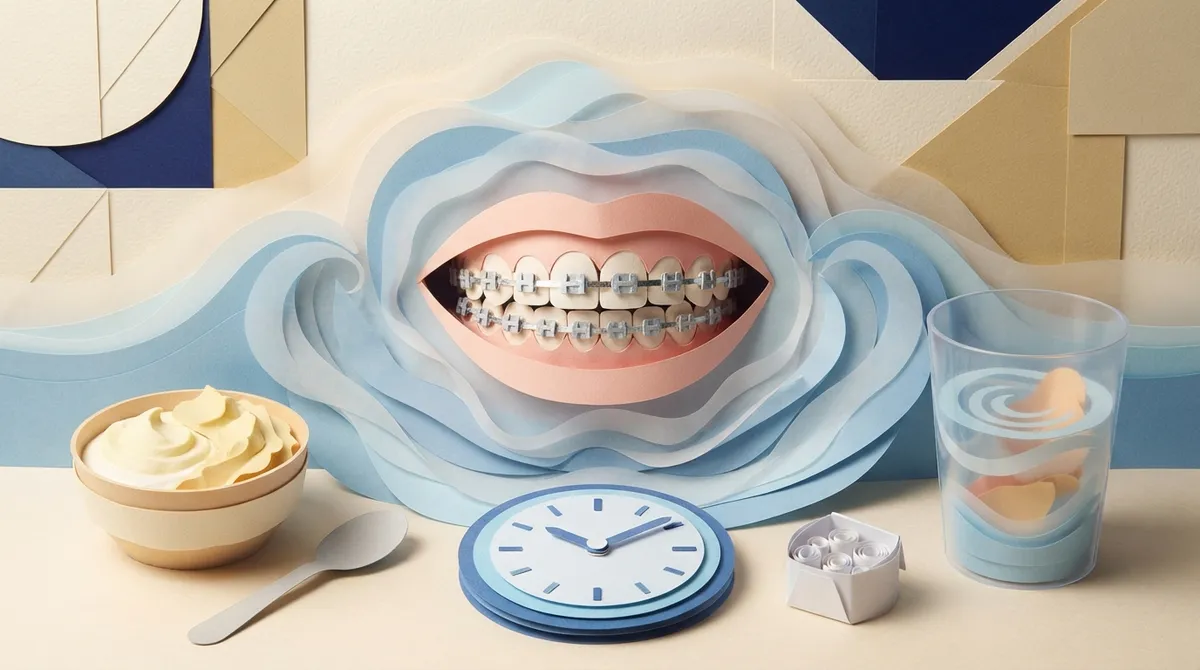
Stick exclusively to soft foods like mashed potatoes, yogurt, smoothies, and scrambled eggs for the first few days; jumping back to crunchy or chewy foods too soon worsens soreness and risks damaging braces.
-
Contact your orthodontist promptly if you experience sharp pain lasting over a week, very red or swollen gums, broken brackets, or signs of infection—don't wait out issues that need professional attention.
-
Combine home relief strategies like over-the-counter pain medication, cold compresses for 10-15 minutes, and keeping orthodontic wax on hand to noticeably reduce discomfort within the first few days.
Wondering how much braces hurt before your first appointment? You’re not alone. This is one of the most common questions we hear at our Clearwater office. The good news is that braces pain is usually mild, short-lived, and much less scary than most people imagine. Most patients describe it as pressure or soreness rather than sharp, ongoing pain.
Here’s the truth: braces placement itself doesn’t hurt at all. What you feel afterward is your teeth responding to gentle pressure as they shift into place. That tenderness is actually a good sign. It means your treatment is working! Still, many patients accidentally make their discomfort worse by handling it the wrong way. Let’s walk through the five most common mistakes people make and how you can avoid them, whether you’re a parent watching your teen get braces, a busy professional starting treatment, or an adult coming back for a smile refresh.
Mistake 1: Expecting Pain Right When Braces Go On
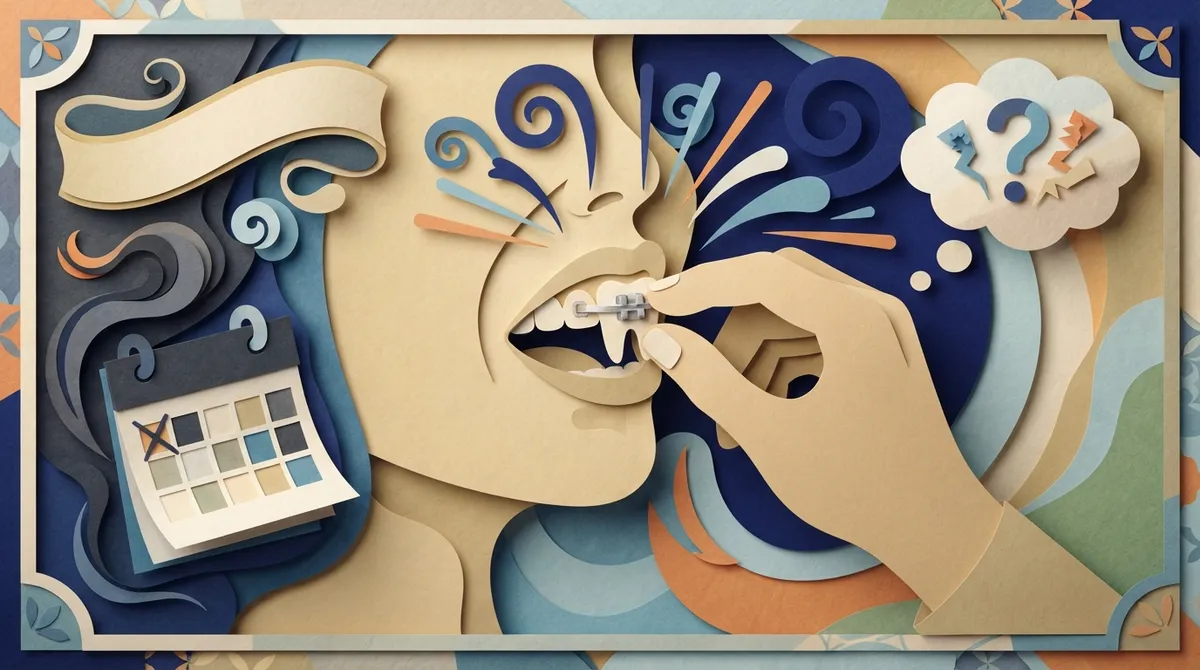
Many patients brace themselves (pun intended) for pain the moment brackets touch their teeth. This mistake causes unnecessary anxiety before appointments even begin. The truth is, getting braces placed is generally painless. Your orthodontist is simply bonding brackets to your teeth and threading a wire through them.
Soreness typically doesn’t show up until several hours later, once your teeth start feeling the pressure of the new appliance. According to the American Dental Association, this delayed response is completely normal and expected. If you walk into your appointment expecting instant pain, you might feel more stressed than necessary. Understanding this timeline helps you mentally prepare for what’s coming instead of dreading something that won’t happen right away.
If you’re curious about what your first visit actually involves, check out our guide on your first visit to Brockway Orthodontics.
Mistake 2: Ignoring the 24-48 Hour Window
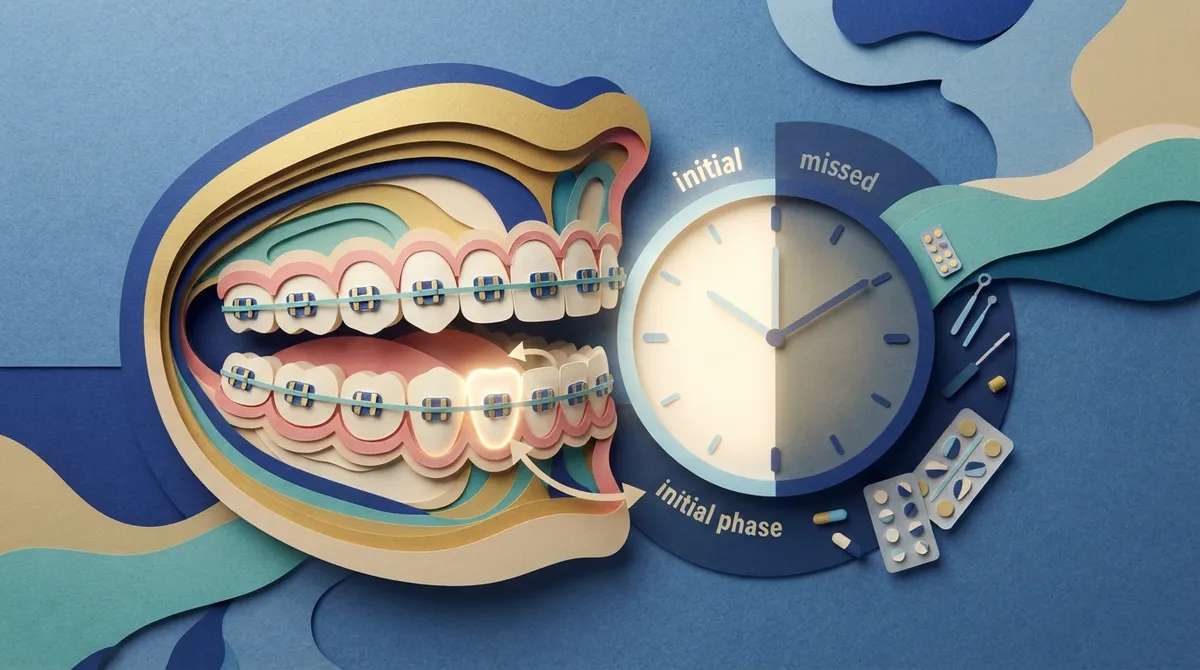
Here’s where most of the discomfort actually happens: the first 24 to 48 hours after placement or an adjustment. Soreness typically peaks during this window as your teeth adjust to new pressure. Some patients skip taking any action during this critical time, thinking they just need to “tough it out.”
This mistake leads to more discomfort than necessary. Instead, plan ahead for these first two days. Stock up on soft foods, have pain relief on hand, and clear your schedule if possible. The Florida Association of Orthodontists notes that being proactive during this window makes a real difference in how you experience treatment.
Here’s what typically happens during this timeframe:
- Hours 1-6: Little to no discomfort, teeth feel normal
- Hours 6-24: Pressure and tenderness begin, especially when chewing
- Hours 24-48: Peak soreness, teeth feel tight and sensitive
- Days 3-7: Discomfort gradually fades as teeth adjust
Most people find that soreness improves noticeably by day three or four. If you’re still uncomfortable after a week, it’s worth reaching out to your orthodontic team.
Mistake 3: Skipping Soft Foods Too Soon
Another common mistake is jumping back into your regular diet before your teeth are ready. Biting into crunchy or chewy foods too soon can make tenderness worse and even damage your new braces. Many teens especially want to eat like normal right away, which can backfire.
For the first few days, stick to foods that don’t require much chewing pressure. Think mashed potatoes, yogurt, smoothies, scrambled eggs, and soup. This gives your teeth a break while they adjust to the new forces being applied.
Here’s a simple breakdown of foods to choose and avoid during tender periods:
| Best Choices | Foods to Avoid |
|---|---|
| Mashed potatoes | Apples and raw carrots |
| Yogurt and smoothies | Nuts and popcorn |
| Scrambled eggs | Chewy candy or gum |
| Soup and broth | Crusty bread |
| Pasta | Corn on the cob |
For more detailed guidance, take a look at our full list of good foods for braces that keep you comfortable while protecting your appliance.
Mistake 4: Not Addressing Cheek and Lip Irritation
Brackets and wires can rub against the inside of your cheeks, lips, or tongue. This causes small sores or irritation that’s separate from the tooth soreness itself. A lot of patients just deal with this discomfort instead of fixing it, which is a mistake that’s easy to avoid.
Orthodontic wax is your best friend here. Simply place a small amount over the bracket or wire that’s causing trouble, and it creates a smooth barrier between the metal and your soft tissue. Warm salt-water rinses can also soothe irritated spots and help them heal faster.
Follow these simple steps to manage rubbing and irritation:
- Identify which bracket or wire is causing the rubbing
- Dry the area slightly with a tissue
- Roll a small ball of orthodontic wax between your fingers
- Press the wax firmly over the problem spot
- Rinse with warm salt water two to three times a day
If irritation doesn’t improve or you notice a wire poking out at an odd angle, don’t wait it out. Reach out and contact us so we can take a look and make any needed adjustments.
Mistake 5: Waiting Too Long to Call When Something Feels Wrong
Most braces discomfort is completely normal and temporary. But some patients hesitate to reach out even when something feels off, worried they’re overreacting. This mistake can turn a small issue into a bigger problem.
According to the NHS, you should contact your orthodontist if pain is severe, doesn’t improve after a few days, or comes with very red or swollen gums. A loose bracket or broken wire also needs prompt attention rather than a wait-and-see approach.
Here are clear signs it’s time to call your orthodontic office:
- Pain that feels sharp rather than achy or pressure-like
- Discomfort lasting longer than a week without improvement
- Swollen, bleeding, or very red gums
- A broken bracket or wire poking uncomfortably
- Signs of infection like fever or persistent swelling
Our team genuinely wants to hear from you if something doesn’t feel right. That’s part of what makes personalized care so valuable throughout your treatment journey. You can always browse our frequently asked questions for quick answers, too.
How Braces Pain Compares to Adjustments
Once your braces are on, you’ll visit us every six to eight weeks for adjustments. Many patients wonder if these follow-up visits hurt as much as the initial placement. Generally, adjustment soreness is milder and shorter than what you feel during that first week.
During adjustments, your orthodontist tightens wires or changes them out to keep your teeth moving in the right direction. This can cause a day or two of tenderness, but it typically fades faster than the initial soreness. Every adjustment brings your smile one step closer to its final result.
If you’re weighing your options between traditional braces and clear aligners, our comparison on traditional braces vs. clear aligners breaks down comfort levels for both choices.
Braces vs Clear Aligners: Which Feels More Comfortable?
This is a question we hear often, especially from adult professionals and parents comparing treatment options for their teens. Both options cause some pressure as teeth move, but the experience differs slightly.
| Factor | Traditional Braces | Spark™ Clear Aligners |
|---|---|---|
| Initial soreness | Noticeable for 24-48 hours | Mild pressure when switching trays |
| Cheek irritation | Possible from brackets/wires | Rare, smooth plastic edges |
| Adjustment discomfort | Every 6-8 weeks | Each new tray (usually weekly) |
| Visibility | Visible metal or ceramic | Nearly invisible |
Many adults and teens love Spark™ Clear Aligners because they tend to cause less irritation to soft tissue since there’s no metal involved. That said, both treatments are effective, and comfort levels vary from person to person. Our team can help you decide which option fits your lifestyle and comfort preferences during a consultation.
Simple Ways to Ease Braces Discomfort at Home
Beyond avoiding the mistakes above, there are several easy things you can do at home to feel better faster. These tips work well for both kids and adults navigating their first few days with new braces.
- Take over-the-counter pain relief as directed on the package, or ask your pharmacist which option is best for you
- Apply a cold compress to the outside of your jaw for 10-15 minutes at a time
- Rinse with warm salt water several times daily to soothe soft tissue
- Stick to soft, cool foods like ice cream or chilled smoothies for extra relief
- Keep orthodontic wax on hand at all times, especially during the first two weeks
These small habits can make a noticeable difference in your comfort level. Most patients find that by combining a few of these strategies, they barely notice the soreness after the first couple of days.
Why Personalized Care Makes a Difference
At Brockway Orthodontics, we believe every patient deserves care tailored to their unique needs. Dr. Brockway takes time to explain what to expect at each stage of treatment, so you’re never left wondering if what you’re feeling is normal. This kind of open communication helps ease anxiety, especially for parents watching their child go through treatment for the first time.
Whether you’re exploring traditional braces for your teen or considering adult treatment options for yourself, our Clearwater team is here to guide you every step of the way. We also offer early treatment evaluations for younger children who may benefit from starting orthodontic care sooner.
Curious what other Clearwater families think of their experience with us? Feel free to visit us on Google — Brockway Orthodontics and read through real patient reviews. We’re proud of the relationships we’ve built with families throughout Pinellas County.
And if you’re looking after your overall wellness during treatment, many patients find that relaxation techniques help manage minor discomfort too. Local services like Mobile Area Massage of Tampa Bay can be a nice complement to your self-care routine while your smile transforms.
Ready to Start Your Smile Journey?
Understanding how much braces hurt shouldn’t hold you back from getting the smile you deserve. Most discomfort is mild, predictable, and easy to manage with the right approach. By avoiding these five common mistakes, you’ll set yourself up for a much more comfortable experience from day one.
Our friendly team at Brockway Orthodontics is ready to answer any questions you have about starting treatment, whether it’s your first time or you’re returning after previous orthodontic work. We serve families throughout Clearwater and the surrounding Pinellas County area with personalized, compassionate care.
Ready to get started or have questions about what to expect? Book your appointment online today and take the first step toward a confident, healthy smile.
FAQs
Q: How long do braces hurt after they are put on?
A: Great news: most soreness only lasts about 24 to 48 hours after braces are placed! Some tenderness can linger up to a week, but it fades quickly as your teeth get used to the new pressure. Soft foods and a little patience go a long way during this time.
Q: Do braces hurt when they are tightened or adjusted?
A: Adjustments can cause mild soreness for a day or two, but it’s usually much gentler than the initial placement discomfort. Think of it as your teeth simply getting a friendly nudge in the right direction. Most patients barely notice it by the second visit!
Q: What can I eat when my teeth are sore from braces?
A: Soft, cool foods are your best friends here! Try yogurt, mashed potatoes, smoothies, or scrambled eggs while your teeth adjust. Avoiding crunchy or chewy foods for a few days makes a huge difference in your comfort level.
Q: Do braces hurt more than clear aligners?
A: Both options cause some pressure since that’s simply how teeth move, but many people find clear aligners like Spark™ feel a bit gentler overall. There’s no metal to rub against your cheeks, which helps reduce irritation. Your comfort preferences might help decide which option is right for you!
Q: When should I call my orthodontist about braces pain?
A: If pain feels severe, doesn’t improve after several days, or you notice very red or swollen gums, it’s time to reach out. A broken bracket or poking wire also deserves quick attention. We’re always happy to help, so never hesitate to give us a call!
Our Service Area