Key Takeaways
-
Tooth soreness peaks within 24-48 hours after braces are tightened, then gradually fades, with most patients feeling significantly better by day 3-4 and completely resolved within a week.
-
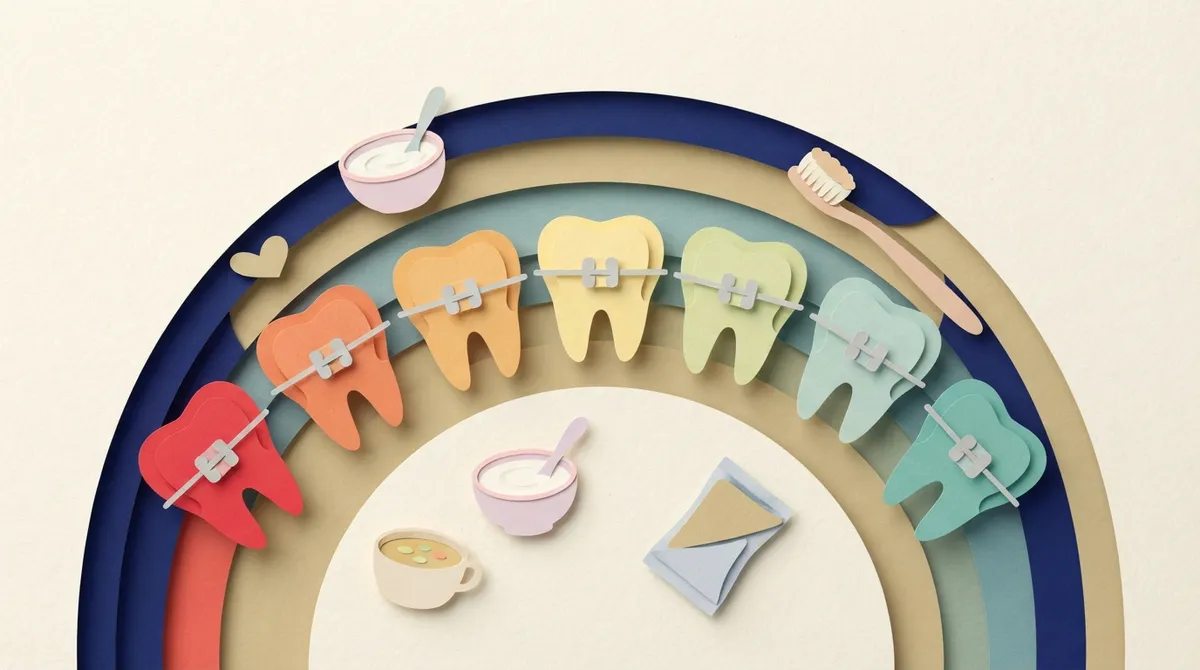
Eat soft foods like mashed potatoes, yogurt, smoothies, and soup for several days after adjustment to reduce biting discomfort while your teeth settle into new positions.
-
Use over-the-counter pain relievers, cold compresses, or warm salt water rinses to manage discomfort, but consult your orthodontist or pharmacist first if you have other health conditions or medications.
-
Contact your orthodontist immediately if soreness lasts longer than one week, worsens instead of improves, or if you notice loose brackets, gum swelling, or signs of infection.
-
Continue regular brushing and flossing even when teeth are sore, using a soft toothbrush and gentle technique to prevent plaque buildup around brackets and wires.
-
Soreness after tightening is completely normal and actually indicates your braces are working effectively to reposition your teeth, not a sign of treatment problems.
You just left your orthodontist appointment, and now your teeth feel tender every time you bite down. If this sounds familiar, take a deep breath. Sore teeth after braces are tightened are one of the most common parts of the whole braces journey, and it happens to almost everyone at some point. The good news? This soreness is temporary, totally normal, and a sign that your teeth are actually moving in the right direction!
At Brockway Orthodontics, we see patients of all ages come through our doors in Clearwater, and we always love reassuring them that this achy feeling means their treatment is working. Whether you’re a parent watching your teen wince after an adjustment, or an adult professional wondering if this is normal at your age, we’ve got answers. Let’s walk through why this happens, how long it lasts, and what you can do to feel better fast.
Why Braces Tightening Causes Sore Teeth
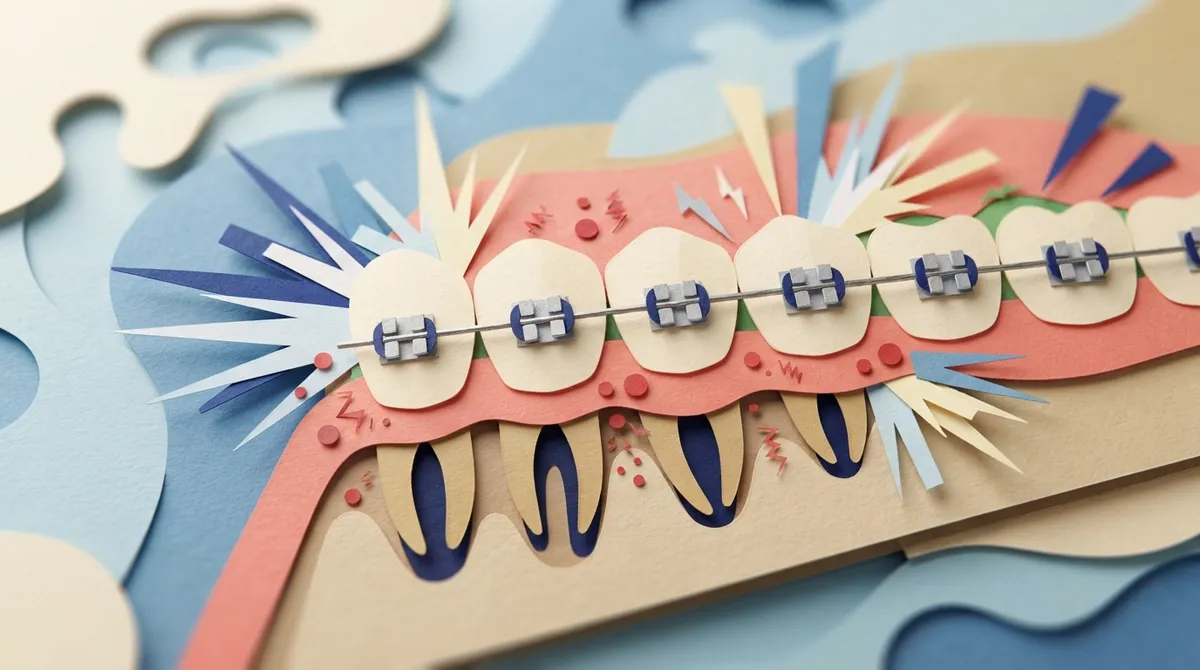
When your orthodontist tightens your braces, they’re applying gentle pressure to guide your teeth into a new position. This pressure creates a small, temporary inflammatory response in the tissue around your teeth and roots. Your body responds by remodeling the bone around your teeth so they can shift into place.
That process is exactly what makes braces work, but it also causes that familiar tender, achy feeling. You might notice it most when you bite down on food or when you tap your teeth together. This is completely normal and doesn’t mean anything is wrong with your braces or your treatment plan.
What the Research Says About Adjustment Pain
A 2023 systematic review published in a peer-reviewed dental journal looked at pain levels after orthodontic adjustments. Researchers found that after the first wire-change adjustment, patients reported average pain scores of 25.4 out of 100 on day one, dropping to just 14.8 by day three. That’s a big improvement in a short time!
The same review found that over half of participants, about 54.5%, used some kind of pain reliever during the first week after getting braces placed. This tells us that soreness is common, but it’s also very manageable with the right approach.
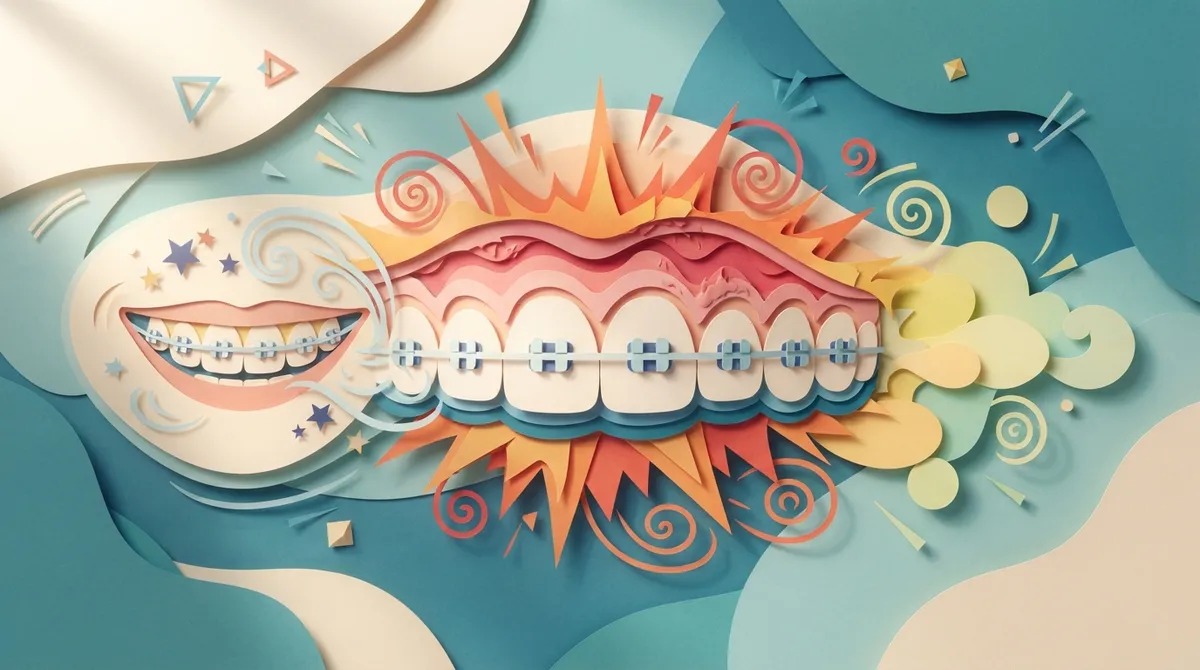
When Does Soreness Peak After Tightening?
Most patients notice discomfort starting just a few hours after their appointment. It usually feels strongest during the first 24 to 48 hours, then it gradually fades. Many people feel significantly better within three to four days.
- Hours 1-6: Mild tenderness begins as the pressure starts working on your teeth.
- Day 1-2: Soreness typically peaks, especially when chewing or biting.
- Day 3-4: Discomfort noticeably eases up for most patients.
- Day 5-7: Soreness is usually gone or barely noticeable.
If your soreness lasts much longer than a week, or if it feels like it’s getting worse instead of better, that’s a good reason to reach out to your orthodontist. According to the American Dental Association, persistent or worsening pain after any dental treatment always deserves a professional check-in.
How to Relieve Sore Teeth After Braces Are Tightened
You don’t have to just tough it out! There are plenty of simple, safe ways to ease the discomfort while your teeth settle into their new positions.
Stick to Soft Foods for a Few Days
Give your teeth a break by choosing foods that don’t require much chewing power. Think mashed potatoes, yogurt, smoothies, scrambled eggs, soup, and pasta. Steer clear of hard, crunchy, sticky, or chewy foods that can increase discomfort or even damage your brackets and wires.
- Soft fruits like bananas and applesauce
- Mashed vegetables or soft-cooked veggies
- Smoothies and milkshakes (without seeds or nuts)
- Soups, broths, and oatmeal
- Yogurt and pudding
For more guidance on what works best during treatment, check out our friendly food guide for braces patients.
Try Over-the-Counter Pain Relief
A standard pain reliever, taken according to the label directions, can help take the edge off soreness. Always check with a pharmacist or your orthodontist first, especially for children, pregnant patients, or anyone with other health conditions or medications. Never exceed the recommended dose listed on the package.
Use a Cold Compress or Cool Drink
Holding a wrapped ice pack against your cheek, or sipping something cold like water or a smoothie, can offer soothing relief. The cold helps calm inflammation and can numb the achy feeling for a little while.
Rinse With Warm Salt Water
Warm salt water rinses can help soothe irritated gum tissue and keep your mouth feeling fresh, especially if the brackets or wires are causing minor irritation to your cheeks or lips.
Apply Orthodontic Wax for Rubbing or Irritation
If a bracket or wire is poking or rubbing against your cheek, a small dab of orthodontic wax can make a big difference. Keep in mind that wax helps with rubbing and irritation, but it won’t relieve the deeper tooth soreness from the tightening pressure itself.
Comparing Common Relief Methods
| Relief Method | Best For | How It Helps |
|---|---|---|
| Soft foods | Biting discomfort | Reduces pressure on sore teeth while eating |
| Over-the-counter pain relief | General tooth ache | Reduces inflammation and pain signals |
| Cold compress | Swelling or achy jaw | Numbs discomfort and calms inflammation |
| Salt water rinse | Gum or cheek irritation | Soothes tissue and keeps mouth clean |
| Orthodontic wax | Bracket or wire rubbing | Creates a barrier between appliance and cheek |
Is It Normal for Teeth to Hurt When Biting After an Adjustment?
Yes, this is completely normal! When you bite down, you’re putting direct pressure on teeth that are already sensitive from the adjustment. This is your body’s natural response to the force being applied by your braces.
Many patients describe it as a dull ache or pressure, rather than sharp pain. If biting causes sharp, severe pain, or if you notice a loose or broken bracket, that’s different and worth a call to your orthodontist’s office.
Keeping Up With Oral Hygiene While Your Teeth Are Sore
Even when your teeth feel tender, it’s important to keep brushing and flossing as usual. Use a fluoride toothpaste and be gentle around sore areas. Skipping oral care, even for a few days, can lead to buildup around your brackets and wires.
If brushing feels uncomfortable, try using a softer toothbrush or brushing more slowly and gently. Good hygiene habits protect your teeth and gums throughout your entire treatment, from your very first adjustment to the day your retainer comes into play.
When Should You Call Your Orthodontist?
Most soreness resolves on its own within a few days. However, there are times when you should reach out to your orthodontic team right away.
- Pain that is severe or getting worse instead of better
- Soreness that lasts longer than a week
- A broken, loose, or displaced bracket or wire
- Noticeable redness, swelling, or bleeding in your gums
- Any signs of infection, like a fever or persistent swelling
According to guidance from the NHS, patients should contact their orthodontist if teeth remain painful for more than a few days after fitting or an adjustment. If you ever experience significant facial swelling, fever, or trouble swallowing or breathing, seek urgent care right away, as these are not typical orthodontic symptoms.
Our team at Brockway Orthodontics is always here to help if something doesn’t feel right. You can easily get in touch with our team whenever you have concerns about your treatment.
How Often Are Braces Adjusted, and What Should You Expect?
Braces are typically adjusted every six to eight weeks, though this can vary depending on your specific treatment plan. Each adjustment brings your teeth one step closer to that confident, straight smile you’re working toward.
Knowing what to expect can help ease anxiety around appointments, especially for younger patients or those going through adolescent treatment. If you’re curious about how your specific treatment plan is structured, our first visit guide walks you through what happens at each stage.
Soreness With Clear Aligners vs Traditional Braces
If you’re using Spark™ Clear Aligners instead of traditional metal braces, you might still notice some tenderness when you switch to a new aligner tray. This is because each new tray applies slightly different pressure to continue moving your teeth.
The good news is that many patients find aligner-related soreness to be milder than what they experience with traditional braces. Still, the same relief tips apply: soft foods, gentle hygiene, and patience while your teeth adjust to the new tray.
Why Choose Brockway Orthodontics for Your Treatment Journey
Dr. Brockway and her team understand that every patient’s experience with soreness is a little different. That’s why we take time to explain what to expect after each adjustment, so you’re never caught off guard. We also use modern technology like digital impressions and 3D imaging, which can make your treatment more precise and comfortable from start to finish.
Whether you’re exploring adult treatment options or bringing your child in for early treatment, our Clearwater office is designed to make you feel welcome and informed. We proudly serve families throughout Pinellas County, and we love being part of this community’s smile journeys.
Curious what other patients say about their experience? You can visit us on Google — Brockway Orthodontics to read real reviews from families just like yours. You can also connect with us on Facebook or follow along on Instagram for updates and smile inspiration.
Tips to Make Your Next Adjustment Easier
A little preparation can go a long way toward making your next tightening appointment less stressful. Here are a few things that help our patients feel more comfortable.
- Stock your fridge with soft foods before your appointment day
- Keep pain relief medicine on hand at home
- Have orthodontic wax ready in case of rubbing
- Plan lighter activities for the day of your appointment
- Remind yourself that soreness means progress
Being proactive helps you bounce back faster and keeps your treatment on track without unnecessary stress. For more guidance on navigating your treatment smoothly, check out our full range of orthodontic services.
The Bigger Picture: Soreness Is Temporary, Your Smile Is Forever
It’s easy to focus on a few uncomfortable days here and there, but try to remember the bigger goal. Every adjustment, and every bit of soreness, is bringing you closer to a smile you’ll love for life. Patients who stick with their treatment plan and communicate with their orthodontist tend to have the smoothest experience overall.
The Florida Association of Orthodontists emphasizes that working closely with a trained specialist ensures your treatment stays safe, effective, and comfortable throughout the process. That’s exactly the kind of personalized care Dr. Brockway and her team provide every single day.
If you’re currently experiencing sore teeth after a recent adjustment, know that you’re not alone, and it will get better. If your discomfort feels unusual or doesn’t improve, don’t hesitate to reach out. Ready to get started on your own smile journey or have questions about your current treatment? Book your appointment online today, and let our friendly Clearwater team help you feel confident every step of the way.
FAQs
Q: How long do teeth stay sore after braces are tightened?
A: Most patients feel sore for about three to five days after an adjustment, with the peak discomfort usually happening in the first 24 to 48 hours. By the end of the first week, most people feel back to normal. If soreness lasts longer than that, it’s a good idea to check in with your orthodontist.
Q: Is it normal for teeth to hurt after an orthodontic adjustment?
A: Yes, it’s totally normal and actually a good sign! That achy feeling means the gentle pressure from your braces is working to shift your teeth into their new positions. Almost every braces patient experiences this at some point during treatment.
Q: What can I eat when my teeth are sore from braces?
A: Stick to soft, easy-to-chew foods like mashed potatoes, yogurt, smoothies, soup, and scrambled eggs for the first few days. Avoid hard, crunchy, or sticky foods until the soreness eases up, since these can increase discomfort or damage your brackets and wires.
Q: What pain relief can I take after a braces adjustment?
A: Over-the-counter pain relievers can help when used according to the label directions. It’s always smart to check with a pharmacist or your orthodontist first, especially for kids, pregnant patients, or anyone taking other medications.
Q: When should I call my orthodontist about pain after an adjustment?
A: Reach out if your pain feels severe, keeps getting worse, or lasts longer than a week. You should also call if you notice a broken bracket, loose wire, or signs like gum swelling or redness that don’t seem to be improving.
Our Service Area