Key Takeaways
-
Orthodontists complete 3,700+ hours of specialty training beyond dental school, focusing specifically on teeth and jaw alignment—far more expertise than general dentists who handle overall oral health.
-
Orthodontists treat bite problems affecting 56% of people worldwide, including crowded teeth, gaps, overbites, underbites, and crossbites that impact chewing, speaking, and jaw comfort—not just appearance.
-
Clear aligners work well for mild-to-moderate cases but aren't suitable for complex bite issues, making in-person evaluation essential to determine whether braces or aligners fit your specific needs.
-
Treatment typically averages two years but varies based on severity, chosen appliance type, patient compliance, and age—your orthodontist provides a personalized timeline after evaluating your smile.
-
The five-step process from evaluation through retainer wear is equally important; skipping retainer wear allows teeth to naturally shift back, undoing the investment in your straightened smile.
-
Early check-ups around age 7 can catch alignment problems before they worsen, and treatment works for all ages—from children through busy adults preferring discreet options like clear aligners.
Ever wonder what actually happens behind the scenes when you see an orthodontist? You’re not alone. Many parents and patients walk into their first appointment with more questions than answers. That’s completely normal, and honestly, it’s a great sign that you want to understand your care before diving in.
So let’s clear things up together. Understanding what does an orthodontist do can help you feel confident about your treatment, whether you’re a parent bringing in your child, a teen excited for a new smile, or an adult finally ready to fix that bite you’ve worried about for years. At Brockway Orthodontics in Clearwater, Florida, we love walking patients through every step of this journey. Let’s break it all down in simple terms.

What Is an Orthodontist, Really?
An orthodontist is a dentist who went back to school for extra training. This isn’t a quick weekend course either. According to the American Dental Association, orthodontists complete years of additional education focused entirely on teeth and jaw alignment.
In fact, the American Association of Orthodontists reports that orthodontists complete around 3,700 hours of specialty training beyond dental school. That’s a lot of extra learning dedicated to one goal: giving you a healthy, confident smile.
Here’s something important to know: not every dentist is an orthodontist. Your family dentist checks your teeth for cavities and gum health. An orthodontist focuses specifically on how your teeth and jaws line up. Think of it like seeing a foot doctor instead of a general doctor when you have a foot problem. Both are trained, but one has deeper, more focused expertise.
What Problems Does an Orthodontist Treat?
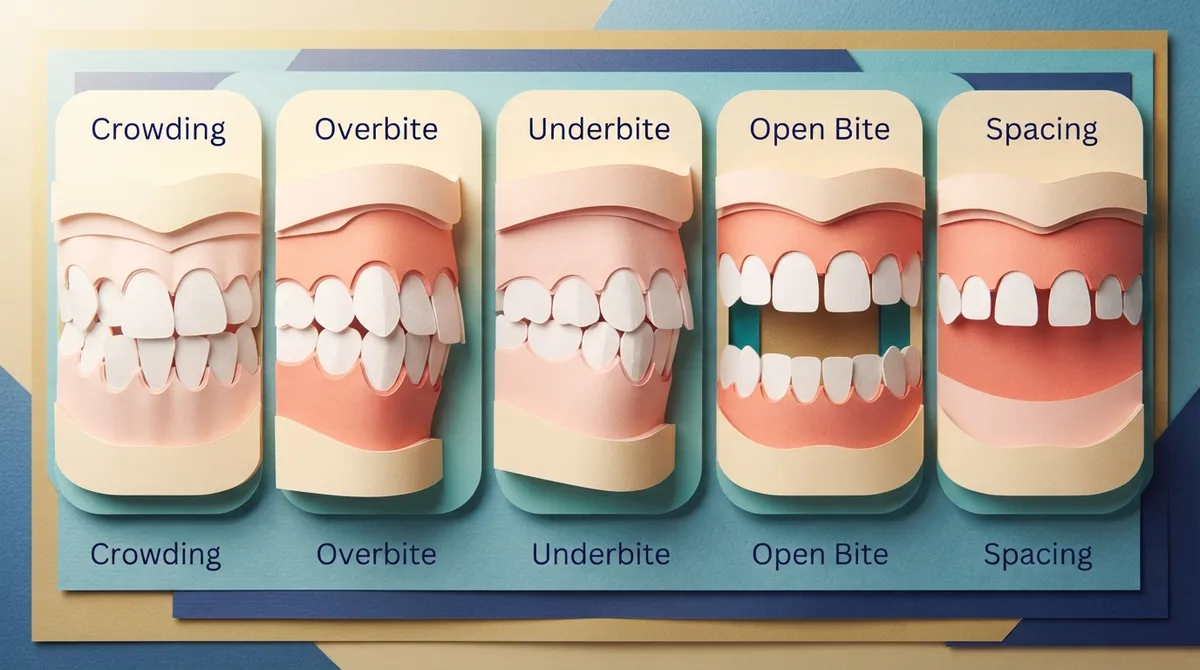
Orthodontists look at more than just crooked teeth. They study how your whole bite works together. Here are the most common issues they address:
- Crowded teeth that don’t have enough room to grow in straight
- Gaps or spacing between teeth
- Overbites, where the top teeth sit too far forward
- Underbites, where the bottom jaw sticks out too much
- Crossbites, where upper and lower teeth don’t line up correctly
- Jaw growth problems that affect how your face develops
Cleveland Clinic notes that malocclusion, the medical term for a misaligned bite, affects roughly 56% of people worldwide. That said, having a bit of a misaligned bite doesn’t always mean you need treatment. It really depends on your specific situation and how it affects your daily life.
How to Know What an Orthodontist Does Step by Step
Curious about the process from start to finish? Here’s how a typical orthodontic journey unfolds.
Step 1: The First Evaluation
Your first visit is all about getting to know your smile. The orthodontist looks inside your mouth and may take photos, digital scans, or X-rays. This helps create a full picture of your teeth, jaw, and bite. Learn more about your first visit to know exactly what to expect.
Step 2: Building Your Treatment Plan
Once your orthodontist reviews your records, they create a plan just for you. No two smiles are alike, so no two treatment plans should be either. This is where you’ll discuss options like traditional braces or Spark™ Clear Aligners.
Step 3: Starting Treatment
This is when braces get placed or you receive your first set of clear aligners. Your orthodontist will explain how to care for your new appliance and what changes to expect in your daily routine.
Step 4: Regular Checkups
Throughout treatment, you’ll visit the office every few weeks. These visits let your orthodontist adjust your braces or check your aligner progress. Small adjustments over time create big changes in your smile.
Step 5: Wearing Retainers
Once active treatment ends, retainers keep your teeth from shifting back. This step matters just as much as the treatment itself. Check out our guide on retainers to understand why this final step is so important.
Braces vs Clear Aligners: What’s the Difference?
One of the biggest questions patients ask is which treatment option fits their life best. Here’s a simple breakdown to help you decide.
| Feature | Traditional Braces | Clear Aligners |
|---|---|---|
| Visibility | Visible metal or ceramic brackets | Nearly invisible, clear plastic trays |
| Removability | Fixed, cannot remove | Removable for eating and brushing |
| Best For | Complex bite issues, all ages | Mild to moderate cases, disciplined wearers |
| Maintenance | Requires careful brushing around brackets | Requires consistent daily wear (20-22 hours) |
| Diet Restrictions | Avoid sticky, hard foods | No food restrictions, just remove before eating |
A 2023 systematic review found that clear aligner therapy works well for mild-to-moderate cases. However, aligners aren’t the best fit for every situation. That’s why an in-person evaluation matters so much. Your orthodontist can look at your specific needs and recommend the option that will actually work.
Want to explore both sides further? Our article on traditional braces vs clear aligners dives deeper into this comparison.
Who Should See an Orthodontist?
You might be surprised by how many different people benefit from orthodontic care. Here’s a quick look at who typically visits our Clearwater office:
- Young children: Early check-ins around age 7 can catch problems before they grow worse. Learn more about early treatment options.
- Teenagers: The most common age group for braces, often timed around school photos or big events. See our adolescent treatment page for details.
- Adult professionals: Busy adults love discreet options like clear aligners that fit into demanding careers. Check out adult treatment choices.
- Patients needing retreatment: Sometimes teeth shift back after years without a retainer, and that’s okay! We can help correct relapse cases too.
- Health-conscious individuals: Those focused on overall oral health often see an orthodontist to fix bite issues that affect chewing and jaw comfort.
Why Does Bite Function Matter So Much?
Straight teeth look great, but there’s more to the story. Your bite affects how you chew, speak, and even breathe. Left untreated, some bite problems can lead to jaw pain, worn-down teeth, or trouble cleaning your teeth properly.
This is why orthodontists don’t just focus on appearance. They look at the full function of your mouth. In more complex cases, your orthodontist might work alongside other dental or medical specialists. Severe jaw issues sometimes need surgical support as part of a bigger treatment plan.
How Long Does Orthodontic Treatment Take?
This is one of the most common questions we hear at our Clearwater practice. Cleveland Clinic notes that treatment for malocclusion averages about two years, though this varies widely.
Several factors affect your timeline:
- How severe your bite or alignment issue is
- Whether you’re using braces or clear aligners
- How consistently you wear your aligners or follow instructions
- Your age and how your jaw is still growing (for younger patients)
Every smile is different, which is why your orthodontist will give you a personalized estimate after your first evaluation. Curious about your own timeline? Our guide on how long braces take to work offers more helpful details.
What Makes Brockway Orthodontics Different?
At Brockway Orthodontics, Dr. Brockway brings both expert training and genuine care to every visit. She takes time to listen to your goals and answer your questions in a way that actually makes sense. No confusing jargon, just clear answers.
Our Clearwater office uses modern technology like digital impressions and 3D imaging. This means no messy molds and more accurate treatment planning from day one. We also offer same-day treatment in certain cases, so busy families don’t have to juggle multiple appointments just to get started.
We proudly offer Spark™ Clear Aligners as an affordable option for patients who want a more discreet path to a straighter smile. We also provide traditional metal braces and ceramic braces for those who prefer a more classic approach. Explore our full range of services to see what fits your needs best.
Curious about our approach? Meet Dr. Brockway and learn why so many Clearwater families trust her with their smiles.
What to Expect at Your First Visit
Feeling nervous about that first appointment? Don’t be! Here’s what typically happens:
- A friendly team member will greet you and gather some basic information.
- The orthodontist will examine your teeth, jaw, and bite.
- Digital scans or photos may be taken to build your treatment plan.
- You’ll discuss treatment options and get answers to all your questions.
- You’ll leave with a clear next step, whether that’s starting treatment or scheduling a follow-up.
We also recommend checking with the Florida Association of Orthodontists for helpful resources about finding qualified specialists in your area, though we’re always happy to be your first call.
Real Stories, Real Smiles
Nothing beats hearing from real patients about their experience. We love sharing smile transformations and behind-the-scenes moments on our Instagram and Facebook pages. Following along can also help you get a feel for our office vibe before your first visit.
Want to see what other patients say about their experience? Feel free to visit us on Google — Brockway Orthodontics and read through real reviews from Clearwater families just like yours.
Ready to Start Your Smile Journey?
Now that you know exactly what an orthodontist does, you’re one step closer to feeling confident about starting treatment. Whether you’re exploring braces for your teen, considering clear aligners for yourself, or just curious about your options, our Clearwater team is here to help.
Dr. Brockway and her team genuinely care about building relationships with every patient and family who walks through our doors. We believe understanding your treatment is just as important as the treatment itself, and we’re committed to making sure you feel informed and comfortable every step of the way.
Ready to take that next step toward a smile you’ll love? Book appointment online today, or feel free to contact us with any questions. We can’t wait to meet you and help you start your own smile journey!
FAQs
Q: What is the difference between an orthodontist and a dentist?
A: Great question! A dentist checks your overall oral health, like cavities and gum care. An orthodontist completes extra years of training specifically to fix bite and alignment issues. Think of your dentist as your general checkup doctor and your orthodontist as the specialist for straightening smiles.
Q: When should my child first see an orthodontist?
A: Most orthodontists, including our team at Brockway Orthodontics, recommend a first visit around age 7. This doesn’t mean treatment starts right away! It just helps us catch potential issues early, giving your child the best possible outcome down the road.
Q: Can adults really benefit from orthodontic treatment too?
A: Absolutely, and we see it all the time! Many adults come to us wanting a more confident smile or fixing a bite issue that bothers them daily. It’s never too late to invest in your smile, no matter your age.
Q: Are clear aligners as effective as traditional braces?
A: For mild to moderate cases, clear aligners like our Spark™ Clear Aligners work wonderfully! However, more complex cases may need traditional braces for the best results. Your orthodontist will help you figure out exactly which option fits your unique smile.
Q: Why do I need to wear a retainer after my treatment ends?
A: We know, retainers might feel like an extra step, but trust us, they’re worth it! Teeth naturally want to shift back to their old positions. Wearing your retainer as instructed protects all the hard work you put into your new smile.
Our Service Area