
Key Takeaways
-
Verify an orthodontist's credentials by checking membership in the American Association of Orthodontists (AAO) and confirming they completed two to three years of specialized training after dental school, not just general dentistry.
-
Ask five specific questions at your first visit: specialty training completed, treatment recommendations and alternatives, appointment frequency and duration, total treatment cost with hidden fees, and insurance acceptance and payment plan options.
-
The AAO recommends children have their first orthodontic checkup by age 7 to catch crowding, bite problems, or jaw growth issues early, which can lead to simpler and shorter treatment later.
-
Nearly 1.91 million American adults received orthodontic treatment in 2025, making it a viable option for correcting relapsed teeth, bite issues, or achieving a confident smile regardless of age.
-
Evaluate practical convenience before committing: office location relative to home/work, appointment hours (early morning or evening availability), urgent care procedures, parking accessibility, and overall atmosphere.
-
Understand your insurance coverage specifics before starting treatment by asking about age group coverage, waiting periods, lifetime maximums, in-network requirements, and preauthorization needs to avoid unexpected costs.
Typing “orthodontist in my area” into your phone can feel like opening a can of worms. Dozens of names pop up. Reviews go every which way. And suddenly you’re wondering how you’re supposed to pick the right person to trust with your smile, or your child’s smile. Take a breath. You’re not alone in this, and finding a great orthodontist near you is actually simpler than it looks once you know what to check.
Whether you’re a parent booking your seven-year-old’s first checkup, a teenager dreaming of straight teeth before prom, or an adult professional finally ready to fix that bite you’ve ignored for years, this guide walks you through exactly what matters. We’ll cover credentials, costs, insurance, and the questions worth asking before you commit. And if you’re in the Clearwater, Florida area, we’d love for you to consider Brockway Orthodontics as your partner in this journey.
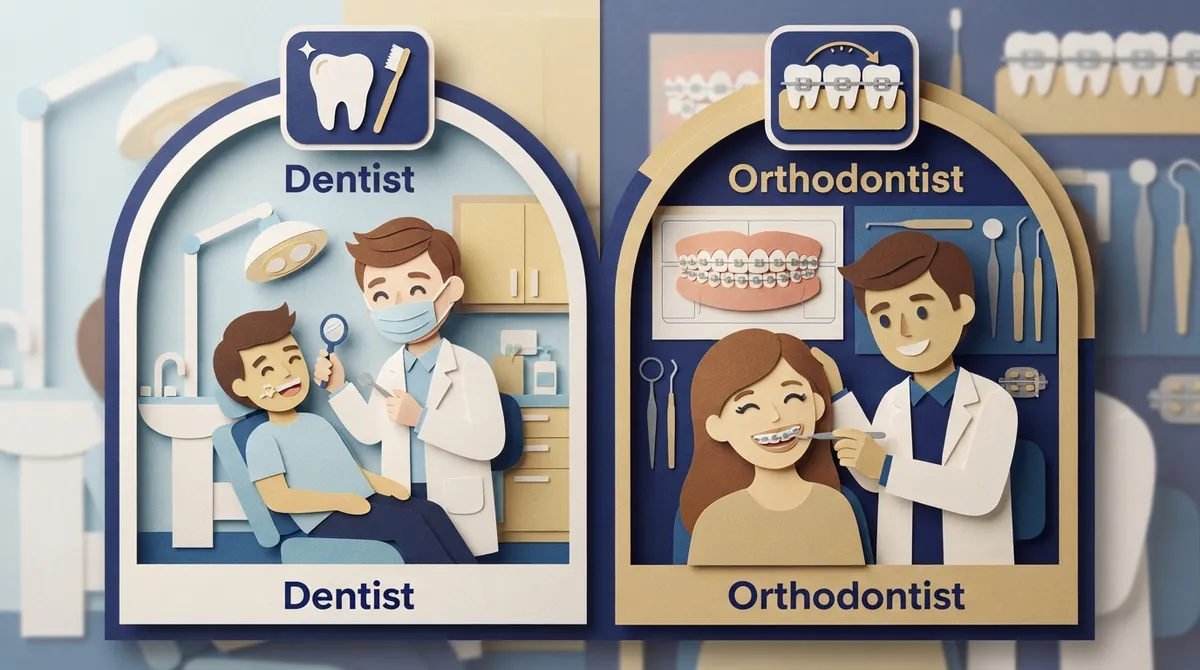
What Makes an Orthodontist Different From a Dentist
Here’s something a lot of people don’t realize: every orthodontist is a dentist, but not every dentist is an orthodontist. An orthodontist finishes dental school first. Then they complete an extra two to three years of specialized training focused only on tooth movement and bite correction. That extra schooling is a big deal.
This specialty training means orthodontists are trained specifically to diagnose and treat alignment issues, overbites, underbites, and crowding. The American Dental Association recognizes orthodontics as one of the official dental specialties for exactly this reason. When you search for an orthodontist in your area, you’re looking for someone with this focused, advanced training.
Curious about the difference in practice? Our page on why you’d see an orthodontist versus a dentist breaks it down in plain language.

How to Check an Orthodontist’s Credentials
Once you have a shortlist of names, it’s time to dig a little deeper. Membership in the American Association of Orthodontists (AAO) is a good sign. This group only accepts orthodontists who have completed that specialized residency training. Their online locator tool is a solid starting point for finding qualified specialists nearby.
You can also check with your state or regional dental association. The Florida Association of Orthodontists is a great resource if you live in Florida and want to confirm a provider’s standing in the profession.
Questions to Ask When Comparing Local Orthodontists
- What specialty training did you complete after dental school, and how many years was it?
- What treatment do you recommend for my specific case, and what alternatives exist?
- How many appointments will I need, and how long will each one take?
- What is the total cost of treatment, including any hidden fees?
- Do you accept my dental insurance, and do you offer payment plans?
Asking these five questions during your first visit will tell you almost everything you need to know. Our first visit guide walks you through what to expect so you feel prepared and confident walking in.
When Should Kids First See an Orthodontist
Parents ask this all the time, and the answer might surprise you. The American Association of Orthodontists recommends that children have their first orthodontic checkup by age 7. That sounds early, but it’s not because every 7-year-old needs braces right away.
At this age, an orthodontist can spot early signs of crowding, bite problems, or jaw growth issues while there’s still room to guide things in the right direction. Sometimes treatment starts right away. Other times, the orthodontist simply keeps an eye on things and schedules a follow-up in a year or two. Either way, catching problems early can mean simpler, shorter treatment down the road.
If your child is approaching this milestone, our early treatment page explains what an evaluation actually involves. We also have resources specifically for teen and adolescent treatment if your child is a bit older and just starting to show alignment issues.
Comparing Treatment Options Near You
Not every orthodontic problem needs the same fix. A good local orthodontist will walk you through your options and explain why one might work better than another for your specific smile.
| Treatment Option | Best For | Visibility | Typical Care Level |
|---|---|---|---|
| Metal Braces | Complex bite issues, kids and teens | Visible | Low maintenance, very durable |
| Ceramic (Clear) Braces | Teens and adults wanting a subtler look | Less visible | Moderate care needed |
| Spark™ Clear Aligners | Adults and teens seeking a discreet option | Nearly invisible | Removable, requires discipline |
At Brockway Orthodontics, we offer all three of these options. Our Spark™ Clear Aligners are a more affordable alternative to some other clear aligner brands, and many patients love how comfortable they are. If you’re curious how they stack up against traditional options, take a look at our page on all about braces or our comparison guide for traditional braces versus clear aligners.
How Long Does Treatment Usually Take
This is one of the most common questions we hear. A 2016 review of 22 studies involving over 1,000 patients found that comprehensive fixed-appliance treatment averaged about 19.9 months. That’s just under two years, though your own timeline could be shorter or longer depending on your specific needs.
Factors like how crowded your teeth are, whether you need a bite correction, and how consistently you wear your appliances all play a role. Your orthodontist should give you a personalized estimate at your consultation, not just a generic number.
Are Adults Good Candidates for Orthodontic Treatment
Absolutely. There’s a common myth that braces are only for kids and teens, but that’s simply not true. A 2025 survey of AAO-member practices estimated that nearly 1.91 million adult patients received orthodontic treatment across the United States. Adults choose treatment for all kinds of reasons: correcting a relapse after childhood braces, finally addressing a bite issue that’s bothered them for years, or just wanting a more confident smile before a big career move or life event.
Age alone doesn’t determine whether you’re a good candidate. What matters more is your oral health, your goals, and the specific issue being treated. If you had braces years ago and your teeth have shifted back, you’re not alone, and it’s very treatable. Our adult treatment page covers options designed specifically for busy professionals who want efficient, discreet care.
- Discreet options like clear aligners fit into professional settings without drawing attention
- Shorter appointment schedules can work around demanding careers
- Retreatment for relapse is common and nothing to feel embarrassed about
- Improved bite function can reduce jaw pain and wear on your teeth
What to Check Before You Choose a Nearby Practice
Convenience matters more than people expect. Orthodontic treatment isn’t a one-and-done visit. You’ll be coming back regularly, sometimes every four to eight weeks, for adjustments and check-ins. Before you commit to a practice, think through the practical side of things.
- How far is the office from your home, school, or workplace?
- What are their appointment hours, and do they offer early morning or evening slots?
- How do they handle urgent issues, like a broken bracket or poking wire?
- Is the office easy to reach by car, and is parking convenient?
- Do they have a friendly, welcoming atmosphere for kids and adults alike?
If you’re local to the Clearwater area, our office page gives you a good feel for what a visit looks like. We also handle both emergency and routine orthodontic visits, so you’re never left wondering what to do if something feels off between appointments.
Understanding Insurance and Payment Before You Commit
Dental insurance coverage for orthodontics varies a lot from plan to plan. Some policies cover braces for kids but not adults. Others have a lifetime maximum benefit, a waiting period, or require preauthorization before treatment starts. It’s easy to get surprised by costs if you don’t ask upfront.
Here’s what we recommend asking your insurance provider and your orthodontist’s office before you begin treatment:
- Does my plan cover orthodontics for my age group?
- Is there a waiting period before coverage kicks in?
- What is the lifetime maximum benefit for orthodontic care?
- Do I need to stay in-network to get coverage?
- Is preauthorization required before treatment begins?
A trustworthy practice will give you a written estimate and explain your payment plan options clearly. Our financing and insurance page lays out how we help families budget for treatment without financial stress.
Why Local Families Choose Brockway Orthodontics
Dr. Brockway has built her practice around one simple idea: every patient deserves to feel heard, informed, and comfortable. She takes time to listen to your concerns and your goals for your smile, whether you’re a nervous seven-year-old or an adult finally ready to invest in yourself.
We treat the whole family here, from first checkups to teen braces to adult clear aligners. Our office uses modern technology like digital impressions and 3D imaging, so you skip the messy molds and get a more precise treatment plan from day one. In certain cases, we can even offer same-day treatment starts, which is a huge relief for busy families juggling school, work, and everything in between.
We also genuinely care about the Clearwater community. Dr. Brockway is always looking for ways to improve care and build real relationships with the families she treats. You can learn more about her approach on our Meet Dr. Brockway page, or browse our full list of services to see everything we offer.
Want to see what real patients are saying? You can visit us on Google — Brockway Orthodontics to read reviews from families just like yours. You can also connect with us on Facebook, follow along on Instagram, or check out our professional profile on LinkedIn.
Your Next Step Toward a Confident Smile
Finding the right orthodontist in your area doesn’t have to be stressful. Look for proper credentials, ask direct questions about treatment and cost, and pick a practice that feels convenient and welcoming. That’s really all it takes.
If you’re in Clearwater or nearby and ready to take that next step, we’d love to meet you and your family. Book appointment online today and let’s talk about what a straighter, healthier smile could look like for you. Have questions first? Contact us and our friendly team will be happy to help.
FAQs
Q: How do I find a qualified orthodontist near me?
A: Start by checking the American Association of Orthodontists locator tool and confirming the provider completed two to three years of specialty training after dental school. It’s also smart to read reviews and ask friends or family for recommendations in your area.
Q: What is the difference between an orthodontist and a dentist?
A: Every orthodontist is a dentist, but not every dentist is an orthodontist. Orthodontists complete extra years of specialized training focused solely on aligning teeth and correcting bites, so they bring a deeper level of expertise to that specific area.
Q: When should my child first see an orthodontist?
A: The AAO recommends a first checkup by age 7. This doesn’t mean your child needs braces right away, it just means an orthodontist can catch potential issues early and plan the best timing for treatment.
Q: Does dental insurance cover orthodontic treatment?
A: It depends on your specific plan. Some cover orthodontics for kids but not adults, and many have waiting periods or lifetime maximums, so it’s worth calling your insurance provider and asking our team directly before you begin.
Q: How long does orthodontic treatment usually take?
A: On average, comprehensive treatment takes around 19.9 months, based on a review of multiple studies. Your exact timeline depends on your specific case, so your orthodontist should give you a personalized estimate at your consultation.
Our Service Area