
Key Takeaways
-
Angle your soft-bristled brush at 45 degrees toward the gumline and use small circular motions above and below each bracket to effectively clean trapped food and plaque around orthodontic hardware.
-
Brush for two full minutes at least twice daily, plus after meals when possible, and floss daily using a floss threader to prevent white spots, cavities, and gum inflammation that can result from poor cleaning with braces.
-
Use an interdental brush daily to clean under the archwire and between brackets where a regular toothbrush cannot reach, combined with fluoride toothpaste containing at least 1,350 ppm fluoride.
-
Spit out toothpaste after brushing instead of rinsing with water to allow fluoride to continue protecting your teeth, and replace your toothbrush every three months or when bristles show signs of wear.
-
Keep a portable brushing kit with toothbrush, toothpaste, and floss at school or work to clean after meals, since skipping spots during treatment can lead to permanent white marks and tooth decay.
-
Work systematically around your entire mouth in the same order each time to avoid missing any brackets or tooth surfaces, making the routine feel less overwhelming and ensuring consistent coverage.
So you just got your braces on, and now you’re standing in front of the bathroom mirror wondering how on earth you’re supposed to clean around all those brackets and wires. Don’t worry, friend, you’re not alone! Every single one of our patients at Brockway Orthodontics has asked this exact question at some point. The good news? Once you learn the right technique, brushing with braces becomes second nature in just a week or two.
Braces work hard to move your teeth into that beautiful smile you’re dreaming of, but they also create little nooks and crannies where food and plaque love to hide. That means your brushing routine needs a small upgrade. Stick with us, and we’ll walk you through exactly how to keep your teeth sparkling clean while you rock those braces, whether you’re a teen prepping for prom photos or an adult juggling a busy career alongside your smile makeover.
Why Brushing With Braces Takes a Little Extra Care
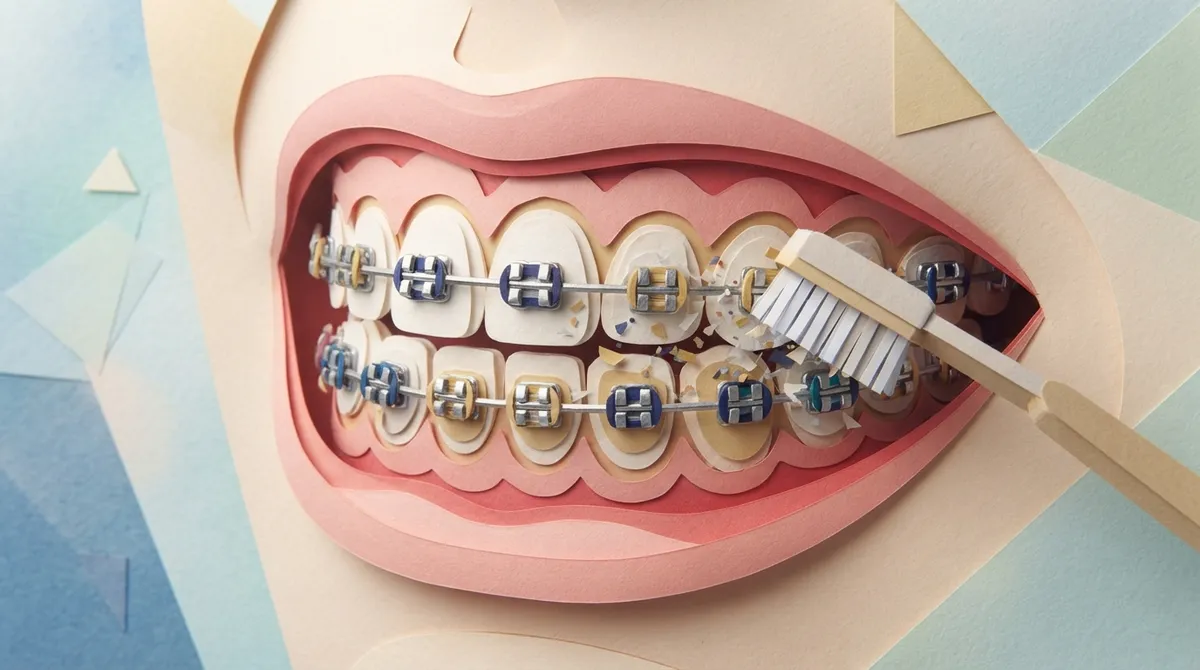
Braces are amazing at straightening teeth, but brackets and wires give plaque and food particles more places to collect. If you skip a spot, that area can develop white marks, cavities, or gum irritation over time. That’s why we always tell our Clearwater patients that a few extra minutes at the sink now saves a lot of trouble later.
The goal isn’t to scrub harder. It’s to clean smarter. With the right tools and a little patience, you can protect your smile and keep your treatment on track. Learning more about all about braces can also help you understand why consistent care matters so much during treatment.
Step-by-Step: How Do I Brush My Teeth With Braces?
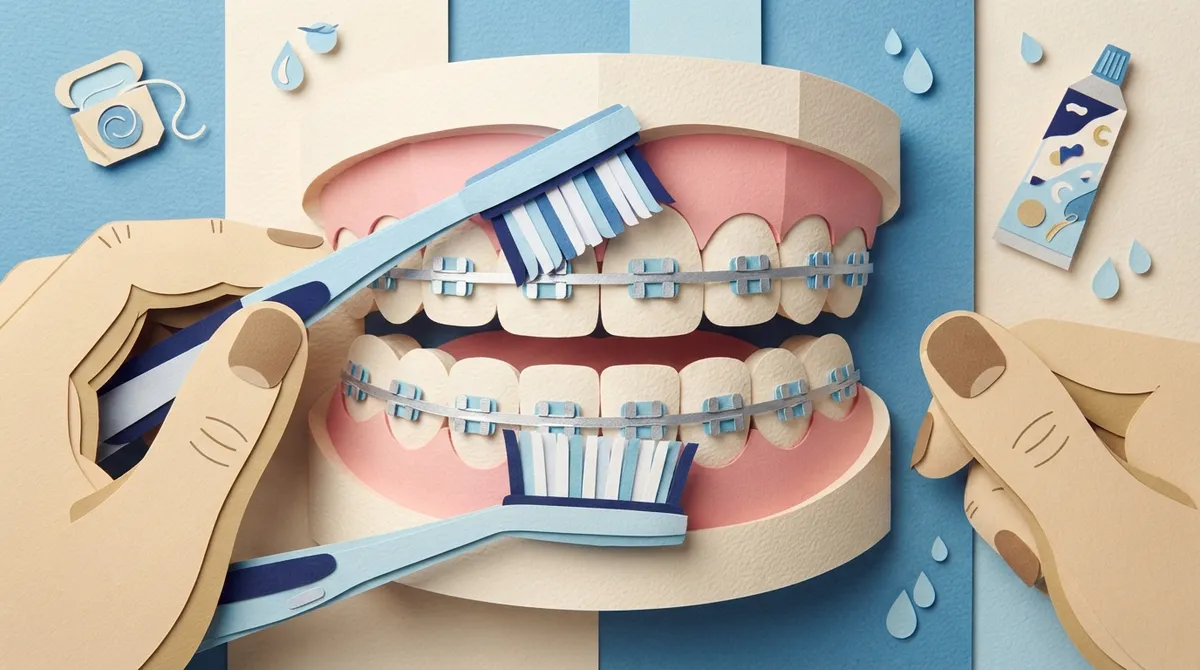
Here’s a simple routine you can follow every time you brush, whether it’s morning, night, or after lunch.
- Rinse first. Swish some water around your mouth to loosen any loose food particles stuck in your braces.
- Angle your brush toward the gumline. Hold your soft-bristled brush at a 45-degree angle where your tooth meets your gum.
- Brush above each bracket. Use small, gentle circles to clean the tooth surface right above every bracket.
- Brush below each bracket. Angle the brush downward and repeat the same gentle motion under each bracket.
- Clean the bracket and wire itself. Brush directly over the metal or ceramic parts to remove trapped food.
- Move to the inner surfaces. Don’t forget the back of your teeth, where plaque likes to hide unnoticed.
- Finish with chewing surfaces. Brush the tops of your molars where food gets stuck during meals.
- Spit, don’t rinse. Spit out the extra toothpaste but skip rinsing with water so the fluoride can keep protecting your teeth.
Work your way around your whole mouth in the same order every time. This system helps you avoid missing any spots, and it makes the whole process feel a lot less overwhelming.
How Long Should You Brush?
Aim for two full minutes each time you brush. That might feel like forever at first, but try humming a song in your head or setting a timer on your phone. The American Dental Association recommends brushing twice a day for two minutes with fluoride toothpaste as a baseline for everyone, braces or not.
For braces wearers specifically, try to brush after meals and snacks whenever you can, and always before bed. If you’re at school or work and can’t brush right after lunch, just rinse your mouth well with plain water until you get home. Keeping a small travel kit with a toothbrush, mini toothpaste, and floss in your bag or car makes this so much easier.
Manual or Electric Toothbrush: Which Is Better?
Both work great for braces as long as you use them correctly. An electric toothbrush can make it a bit easier to clean consistently, especially for kids and teens who might rush through brushing otherwise. If you go electric, just follow the manufacturer’s instructions and still take your time moving around each bracket.
Whichever type you choose, replace your toothbrush or brush head at the first sign of wear, or at least every three months. Bent, frayed bristles just can’t clean as well, and that matters even more when you’re wearing braces.
The Best Toothpaste and Tools for Braces
Not all toothpaste is created equal when you’re in orthodontic treatment. Here’s what to look for:
- Fluoride toothpaste: Look for toothpaste with at least 1,350 ppm fluoride to help strengthen enamel and fight cavities.
- Soft-bristled brush: A soft brush cleans effectively without irritating your gums or damaging your brackets.
- Interdental brush: This tiny brush slides under the wire and between brackets, reaching spots a regular toothbrush can’t.
- Floss threader or orthodontic floss: These tools help you get floss underneath the archwire so you can clean between teeth properly.
- Fluoride mouthwash (optional): Use it at a different time than brushing unless your dentist tells you otherwise.
| Tool | Purpose | How Often to Use |
|---|---|---|
| Soft-bristled toothbrush | Clean tooth surfaces around brackets | 2-3 times daily |
| Interdental brush | Clean under wires and between brackets | Once daily |
| Floss threader | Pass floss under the archwire | Once daily |
| Fluoride toothpaste | Strengthen enamel, fight decay | Every brushing session |
How Do I Floss With Braces?
Flossing with braces feels tricky at first, but it gets easier fast. Here’s how to do it right:
- Cut a piece of floss about 18 inches long.
- Thread it under the archwire using a floss threader or orthodontic floss pick.
- Gently guide the floss between two teeth, curving it around each tooth in a C-shape.
- Move the floss up and down slowly to remove plaque without snapping it against your gums.
- Repeat this process for every space between your teeth.
Yes, it takes a few extra minutes. But flossing daily is one of the best things you can do to prevent gum swelling and cavities while your braces do their job. If you want more detailed tips, check out our guide on mastering flossing with braces every day.
What Happens If You Don’t Clean Around Braces Properly?
We get it, life gets busy, and sometimes brushing feels like a chore. But skipping proper cleaning can lead to some frustrating results:
- White spots or staining: These permanent marks appear around brackets where plaque sat too long.
- Tooth decay: Trapped food and bacteria can cause cavities to form more easily.
- Gum inflammation: Swollen, red, or bleeding gums often signal that plaque has built up.
- Bad breath: Leftover food particles can cause odor that lingers throughout the day.
The best way to avoid all of this is simple: stick to your brushing and flossing routine every single day. Regular visits with your orthodontist and general dentist also help catch any small issues before they turn into bigger problems.
Tips for Parents Helping Kids Brush With Braces
If your child just got braces, they might need a little extra support at first. Here are some friendly ways to help:
- Brush alongside them so it feels like teamwork, not a chore.
- Use a timer or a fun song to make the two-minute mark less boring.
- Check their brushing occasionally to make sure they’re reaching every bracket.
- Pack a travel brushing kit for their backpack so they can clean up after lunch at school.
- Celebrate small wins, like a great checkup with no white spots!
Our team loves working with families at every stage of treatment. If you’re curious about what to expect, take a look at our page on adolescent treatment or learn more about orthodontics for kids.
Brushing Tips for Busy Adults With Braces
Adult life doesn’t slow down just because you got braces. Between meetings, workouts, and family dinners, finding time to brush properly can feel like a challenge. Here are a few tricks that busy professionals love:
- Keep a small brushing kit in your desk drawer or car.
- Set a reminder on your phone for a midday cleaning after lunch.
- Choose an electric toothbrush with a built-in timer to keep you on track.
- Pack sugar-free gum for days when brushing right away just isn’t possible.
Many adults today choose Spark™ Clear Aligners for a more discreet option that’s also easier to clean, since you simply remove the aligner and brush like normal. If you’re weighing your options, our guide on traditional braces vs. clear aligners breaks down the differences so you can pick what fits your lifestyle.
What If You’re Coming Back for Retreatment?
If you had braces years ago and your teeth have shifted, you’re definitely not alone. Life happens, retainers get lost, and smiles can slowly move back over time. The good news is that modern orthodontic care makes retreatment smoother than ever. Whether you need traditional braces again or want to explore clear aligners, keeping up with proper brushing habits will protect your investment this time around. Learn more about your options for adult treatment designed specifically for grown-up schedules and goals.
Why Choose Brockway Orthodontics in Clearwater
Dr. Brockway and her team genuinely care about making your orthodontic journey comfortable and successful. From your very first visit, we take time to explain exactly how to care for your braces or clear aligners so you feel confident every step of the way. We use modern technology like digital impressions and 3D imaging to plan your treatment precisely, and in many cases, we can even offer same-day treatments to fit your busy schedule.
We proudly serve families throughout Clearwater, Florida, offering everything from metal braces to ceramic braces to Spark™ Clear Aligners. Whether you’re a teenager getting braces for the first time or an adult ready for a smile refresh, our friendly team is here to guide you. You can learn more about our office or explore our full range of services to see what fits your needs best.
Curious what other patients say about their experience? Visit us on Google — Brockway Orthodontics to read real reviews from Clearwater families. You can also connect with us on Facebook or follow along on Instagram for smile tips and patient stories. For broader orthodontic resources, the Florida Association of Orthodontists also offers helpful information for patients across the state.
Keep Your Smile Bright Every Step of the Way
Brushing with braces might feel like a new skill at first, but with a little practice, it becomes just another part of your daily routine. Remember to angle your brush toward the gumline, clean above and below every bracket, and don’t forget your interdental brush and floss. Two minutes, twice a day (plus after meals when you can) keeps your smile healthy and your treatment on schedule.
If you have questions about your specific braces or want a personalized cleaning routine, our team at Brockway Orthodontics is always happy to help. Ready to get started or need a quick check-in on your technique? Book appointment online today, or feel free to contact us with any questions. We can’t wait to help you keep that smile shining bright all the way to your big reveal!
FAQs
Q: How often should I brush my teeth with braces?
A: You’ll want to brush at least twice a day for two full minutes, but braces do best with a little extra attention. Try to brush after meals and snacks whenever you can, and always brush before bed to keep your smile squeaky clean overnight!
Q: What is the best way to brush around braces and brackets?
A: Angle your soft-bristled brush toward your gumline and use small, gentle circles above and below each bracket. Take your time working around your whole mouth in the same order every time so you never miss a spot.
Q: Should I use a manual or electric toothbrush with braces?
A: Both work wonderfully as long as you use good technique! Electric brushes can make consistent cleaning a bit easier, especially for busy teens and adults, but a manual brush works just as well if you’re thorough and patient.
Q: How do I clean under the wire and between brackets?
A: An interdental brush is your best friend here! It’s small enough to slide under the archwire and between brackets, reaching spots your regular toothbrush just can’t access on its own.
Q: Can poor brushing with braces cause white spots or cavities?
A: Unfortunately, yes, if plaque sits around your brackets too long, it can cause permanent white spots or even cavities. The good news is that a consistent brushing and flossing routine keeps your smile bright and healthy throughout treatment.
Our Service Area