Key Takeaways
-
The teen years (ages 11-14) are ideal for orthodontic treatment since most permanent teeth are in place, and growth can still assist with certain tooth movements and jaw corrections.
-
Clear aligners require 20-22 hours of daily wear to be effective, making them best suited for responsible teens; fixed braces are better for teens prone to forgetfulness or those with complex cases.
-
Common signs a teen needs orthodontic care include crowded/overlapping teeth, gaps, overbite, underbite, crossbite, or difficulty chewing; an exam provides clear answers without automatic treatment.
-
Treatment duration averages 6 months to 2 years depending on case complexity, growth patterns, appliance type, and teen cooperation with care instructions and appointments.
-
Long-term retainer use after braces is essential to prevent teeth from shifting back; skipping this step is a leading cause of relapsed results in the years following treatment.
-
When choosing an orthodontist, prioritize board-certified specialists who offer multiple treatment options (metal/ceramic braces and clear aligners), use modern technology like 3D imaging, and provide flexible payment plans.
Watching your teen grow up is full of big moments. Braces, aligners, and straighter teeth can be part of that story. But picking the right orthodontist for teenagers can feel like a lot. There are so many questions. When should treatment start? Braces or clear aligners? How long will it take?
Take a deep breath. You are not alone, and the answers are easier than you might think. A good orthodontist looks at your teen’s unique smile, bite, and lifestyle, then builds a plan that fits. The teen years are also a great time for treatment, since most permanent teeth are in place.
In this guide, we walk through what a teen orthodontist does, the signs your teen may need a visit, and the treatment options available. We also cover how long treatment takes, how to care for teeth along the way, and how to choose a practice you can trust. Let’s get your teen smiling with confidence.
What Does an Orthodontist for Teenagers Do?
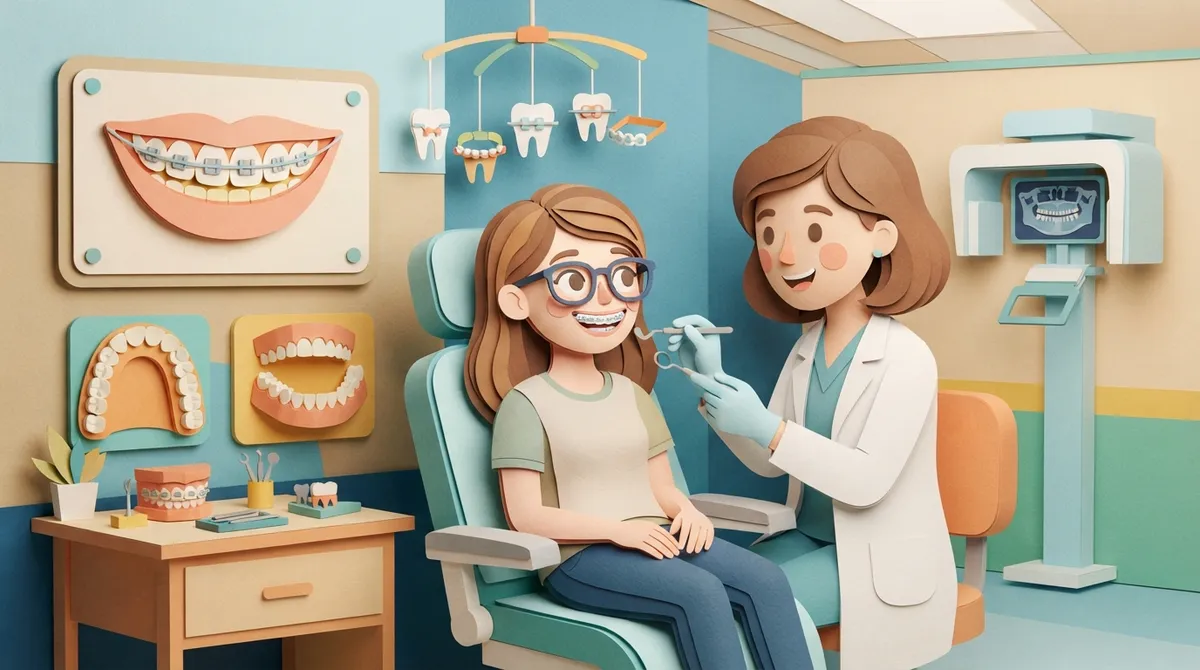
An orthodontist is a dental specialist who focuses on straightening teeth and fixing bite problems. For teens, this means checking how the teeth line up, how the jaws meet, and how the mouth is developing.
Here is what a teen orthodontist usually looks at:
- Tooth alignment: Are the teeth crowded, twisted, or spaced too far apart?
- Bite: Do the upper and lower teeth meet in a healthy way?
- Jaw relationships: Do the jaws line up well, or is there an overbite or underbite?
- Dental development: Have the permanent teeth come in, and are any out of position?
Treatment is based on your teen’s needs, not just their age. That is why a personal exam matters so much. You can learn more about our approach to adolescent treatment on our website.
When Should a Teenager See an Orthodontist?
The American Association of Orthodontists (AAO) recommends a first orthodontic check-up by age 7. That does not mean every child starts braces then. It simply means an expert takes an early look and watches how things develop.
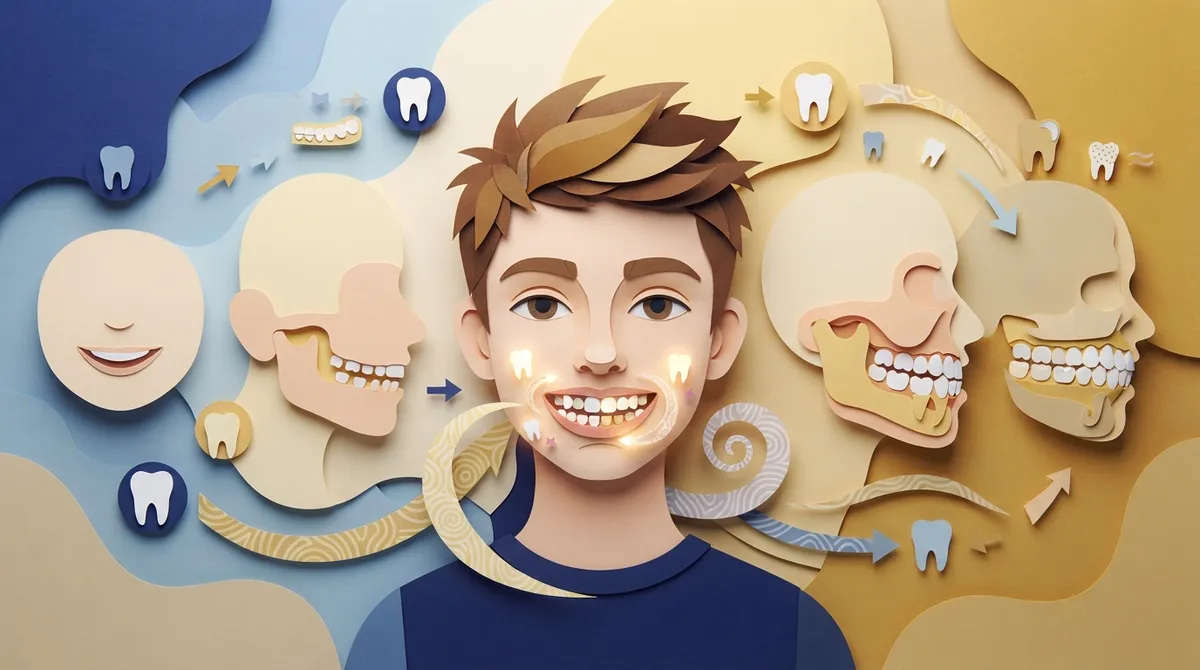
Many teens begin treatment once most of their permanent teeth have come in, often between ages 11 and 14. Growth may still be happening in these years, which can help with certain types of treatment. But the best timing depends on the specific problem and your teen’s development.
Already past that window? No worries. Teens of all ages can benefit from a visit. If you are not sure about timing, our guide on when to see an orthodontist can help.
Signs Your Teen May Need Orthodontic Care
Sometimes the signs are easy to spot. Other times, they are quiet. Here are common reasons to book an assessment:
- Crowded or overlapping teeth
- Gaps or spaces between teeth
- An overbite, where the top teeth stick out over the bottom teeth
- An underbite, where the bottom teeth sit in front of the top teeth
- A crossbite or open bite
- Teeth that come in out of position
- Trouble biting or chewing
- Teeth that do not meet evenly
Not every teen with one of these signs needs braces. But an exam gives you clear answers. Our post on signs your child needs braces goes into more detail.
Does Every Teenager Need Braces?
Not always. Some teens have a healthy bite and well-aligned teeth. Others have small issues that do not need treatment. And some have bigger concerns that do.
A good orthodontist will be honest with you. They will explain what they see, what it could mean over time, and whether treatment is a good idea now, later, or not at all. Think of it as a friendly second set of eyes on your teen’s smile.
Teen Treatment Options: Braces and Clear Aligners
Today’s teens have more choices than ever. The right option depends on the diagnosis, the tooth movements needed, oral health, and your teen’s ability to follow instructions. Not every option fits every case.
Metal Braces
Metal braces are the classic choice, and they work very well. Small brackets are bonded to the teeth and connected with a wire. Modern braces are smaller and more comfortable than older styles. Teens can even pick fun colors for the bands. Learn more on our All About Braces page.
Ceramic Braces
Ceramic braces work like metal braces, but the brackets blend in with the natural tooth color. They are a nice pick for teens who want a more discreet look.
Clear Aligners
Clear aligners are removable, nearly invisible trays that gently move teeth step by step. At Brockway Orthodontics, we offer Spark™ Clear Aligners, a more affordable alternative to Invisalign. They are a popular choice for teens who want a modern, low-profile option.
Here is a quick side-by-side look:
| Feature | Metal Braces | Ceramic Braces | Clear Aligners |
|---|---|---|---|
| Visibility | Noticeable | Less noticeable | Nearly invisible |
| Removable | No | No | Yes |
| Teen responsibility | Care around brackets and wires | Care around brackets and wires | Must wear about 20–22 hours daily |
| Food limits | Avoid sticky and hard foods | Avoid sticky and hard foods | Remove for meals |
| Best for | Wide range of cases | Teens wanting a discreet look | Responsible teens with suitable cases |
Want a deeper comparison? Check out our friendly guide on braces vs. clear aligners.
Braces or Clear Aligners: Which Is Better for Teens?
Neither is better for everyone. It comes down to your teen’s needs and habits.
Clear aligners can be taken out for meals and brushing. That is a big plus. But they only work if they are worn consistently, often around 20 to 22 hours each day. If your teen tends to lose things or forget, aligners may not be the best fit.
Fixed braces stay on the teeth all day, every day. That means no daily tracking. They can also handle many complex cases. The trade-off is extra care around the brackets and wires, plus avoiding foods that can cause damage.
Your orthodontist will help you weigh these points and choose what makes sense for your teen.
How Long Does Teen Orthodontic Treatment Take?
Treatment time varies. A broad estimate is about 6 months to 2 years, though some complex cases take longer. Your orthodontist should give you a case-specific timeline.
Several things affect how long treatment lasts:
- Case complexity: Bigger problems usually take more time.
- Growth and development: Your teen’s growth can help or shape the plan.
- Type of appliance: Braces and aligners may work at different speeds.
- Teen cooperation: Wearing aligners, keeping appointments, and following instructions all matter.
Curious about timing? Our braces timeline guide breaks it down in a simple way.
Caring for Teeth During Treatment
Good habits make a huge difference. Braces can make it harder to remove plaque, so extra care is key. Here is a simple routine for your teen:
- Brush after meals with fluoride toothpaste, paying close attention to the areas around brackets.
- Clean between teeth daily with floss, a floss threader, or a water flosser.
- Rinse well and check the mirror for any missed spots.
- Keep up with routine dental check-ups.
- Follow your orthodontist’s instructions on wires, elastics, or aligners.
For step-by-step help, try our post on how to brush teeth with braces. And if you are wondering what is safe to eat, see our foods to avoid with braces guide.
Can Teens Play Sports or Instruments With Braces?
Yes, in most cases. Teens can stay active in sports and keep playing their favorite instruments. Here are a few tips:
- Sports: Wear a mouthguard made for braces to protect lips, cheeks, and teeth.
- Band or orchestra: Expect a short adjustment period. Most teens get used to it within a couple of weeks.
- Aligners: These are usually removed for sports or playing, then put back in right after.
If your teen has any trouble, just let your orthodontist know. They can offer tips or adjustments.
What About the Cost of Braces for Teens?
Cost is one of the top questions parents ask. The price depends on the type of treatment, how complex the case is, and how long it takes. Insurance may cover part of the cost, depending on your plan.
The good news is that there are ways to make treatment fit your budget. Many practices offer flexible payment plans. You can learn more on our financing and insurance page, or read our guide on how much braces cost in 2026.
Life After Braces: Why Retainers Matter
When the braces come off, the work is not quite done. Teeth like to drift back toward where they started. Retainers help keep your teen’s new smile in place.
Your orthodontist will tell you which retainer type is best and how often to wear it. Long-term retainer use is commonly advised. Skipping it is one of the most common reasons for shifting teeth later. Learn more about retainers and how to keep your results for life.
How to Choose the Right Orthodontist for Your Teen
Finding the right fit matters. After all, your teen may spend a year or two with this team. Here is what to look for:
- Specialist training: Look for a board-certified or specially trained orthodontist.
- A warm, welcoming office: Teens do best when they feel comfortable.
- Clear communication: You should understand the plan, the timeline, and the cost.
- Modern options: Look for choices like braces, ceramic braces, and clear aligners.
- Helpful technology: Digital impressions and 3D imaging can make visits easier and planning more precise.
- Flexible payment options: Good practices help families find a plan that works.
Our guide on how to choose the right orthodontist for teens has even more tips.
Why Families Trust Brockway Orthodontics
At Brockway Orthodontics, we love working with teens and their families. Led by Dr. Brockway, our Clearwater, Florida practice focuses on personal care in a friendly, welcoming space. Dr. Brockway takes time to listen to your teen’s goals and your family’s questions, so everyone feels comfortable and informed.
We offer metal braces, ceramic braces, and Spark™ Clear Aligners, so your teen has real choices. Our practice uses modern tools like digital impressions and 3D imaging, which means no messy molds and more precise planning. In certain cases, we can even offer same-day treatment to fit busy family schedules.
Curious about what other families think? You can visit us on Google — Brockway Orthodontics to read patient reviews. You can also explore our teen braces in Clearwater page to see what to expect. For general dental guidance, the American Dental Association is a helpful resource, and the Florida Association of Orthodontists offers local orthodontic information.
What to Expect at Your Teen’s First Visit
A first visit should feel easy and friendly. Here is a simple look at what usually happens:
- You and your teen meet the team and tour the office.
- The orthodontist checks your teen’s teeth, bite, and jaws.
- Photos, scans, or X-rays may be taken to see the full picture.
- You talk through the findings and treatment options.
- You review timing, cost, and payment choices.
There is no pressure to decide on the spot. The goal is to give you clear information so you can move forward with confidence. Get a full preview on our Your First Visit page.
Ready to Give Your Teen a Smile They Love?
The teen years are a great time to build a healthy, confident smile. With the right orthodontist for teenagers, the process can be smooth, comfortable, and even fun. Start with a simple exam, ask lots of questions, and choose a team that makes your family feel at home.
We would love to meet you and your teen. Book your appointment online to get started, or contact us with any questions. Your teen’s best smile is closer than you think.
FAQs
Q: When should a teenager see an orthodontist?
A: The AAO recommends a first check-up by age 7, but many teens start treatment once most permanent teeth have come in, often around ages 11 to 14. If your teen is older, it is never too late for an exam. An orthodontist can tell you the best timing for your teen’s smile.
Q: Does every teenager need braces?
A: Nope! Some teens have healthy, well-aligned teeth and do not need treatment. An orthodontist will check your teen’s bite, alignment, and jaw development, then give you an honest recommendation.
Q: Are braces or clear aligners better for teens?
A: It depends on your teen’s needs and habits. Clear aligners are removable but need consistent wear, often 20 to 22 hours a day. Braces stay on all the time and can handle many types of cases, so your orthodontist will help you pick the best fit.
Q: How long does orthodontic treatment take for teenagers?
A: Most teens need roughly 6 months to 2 years, though complex cases can take longer. Timing depends on the case, your teen’s growth, the type of appliance, and how well instructions are followed. Your orthodontist will give you a personal estimate.
Q: Can my teen play sports or an instrument with braces?
A: Absolutely! Teens can stay active with a mouthguard made for braces, and most get used to playing instruments within a couple of weeks. If anything feels uncomfortable, your orthodontist is happy to help.
Our Service Area