Key Takeaways
-
Complex orthodontic cases require extra planning, specialized tools, or team collaboration; common issues include severe crowding, impacted teeth, bite problems, and jaw misalignment that may be dental or skeletal in nature.
-
Comprehensive treatment planning involves clinical exams, digital 3D scans, X-rays, and personalized goal-setting before treatment starts; a patient's age and growth stage significantly impact the approach chosen.
-
Both braces and clear aligners can treat complex cases, but braces typically handle more severe tooth movements and bite corrections, while aligners work best for mild to moderate cases, sometimes with attachments or elastics.
-
Impacted teeth are guided into place through a multi-step process involving space creation, possible surgical exposure, and orthodontist-applied light force; early detection through checkups helps prevent tooth loss.
-
Average comprehensive braces treatment takes approximately 22-25 months based on research, but complex cases often take longer; following your treatment plan closely and attending appointments is the best way to stay on timeline.
-
After active treatment, retainers are essential to prevent relapse; complex cases may involve additional costs due to planning and specialist teamwork, but financing and insurance options can help manage expenses.
Have you ever heard an orthodontist say your case is “complex” and felt your stomach do a little flip? Take a deep breath. You are in good company, and this is far less scary than it sounds.
“Complex orthodontist treatment” is not one formal diagnosis. It is a friendly umbrella term for care that needs extra planning, extra tools, or extra teamwork. Think severe crowding, teeth stuck under the gums, a stubborn bite problem, or a jaw that needs a little more help to line up.
Here is the good news. Orthodontists plan these cases carefully, step by step, and many people end up with healthy, confident smiles. In 2026, we also have better scanning, imaging, and appliances than ever before.
This guide walks you through seven things every patient and parent should know. Whether you are a parent, a teen, a busy professional, or someone who had braces years ago and needs a second round, you will find something useful here. Let’s dive in!
1. What Makes a Case “Complex” in the First Place?
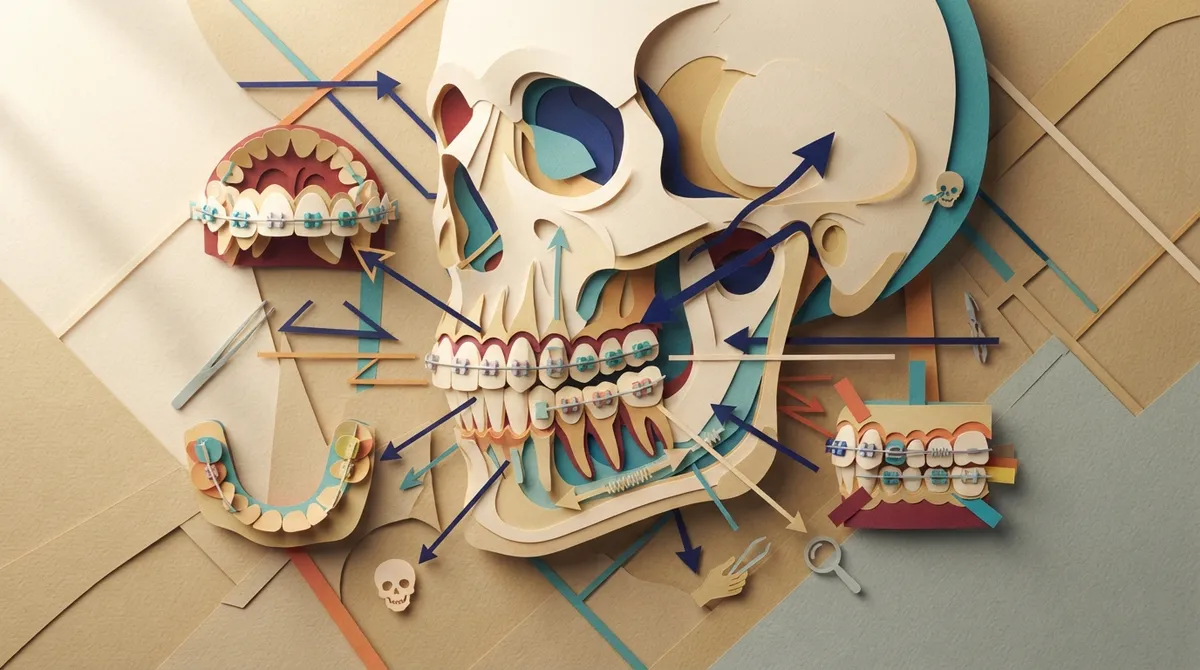
A complex case simply means the fix takes more than a basic plan. There is no single checklist, but several common themes show up again and again.
- Severe crowding or spacing: Teeth that overlap a lot or gaps that are hard to close.
- Impacted teeth: Teeth that are stuck and cannot come in on their own, such as canines that grow in the wrong direction.
- Bite problems: A pronounced overbite, underbite, crossbite, or open bite.
- Jaw discrepancies: The upper and lower jaws do not match up in size or position.
- Several issues at once: A mix of the above that needs a coordinated plan.
Here is a helpful way to think about it. Some problems are dental, meaning the teeth are in the wrong spot. Others are skeletal, meaning the jaw bones themselves are the issue. Your orthodontist tells these apart early, because each one calls for a different approach.
Curious about one common example? Our guide on how braces fix a deep overbite shows how a bite problem gets corrected step by step.
2. How Orthodontists Plan Complex Treatment
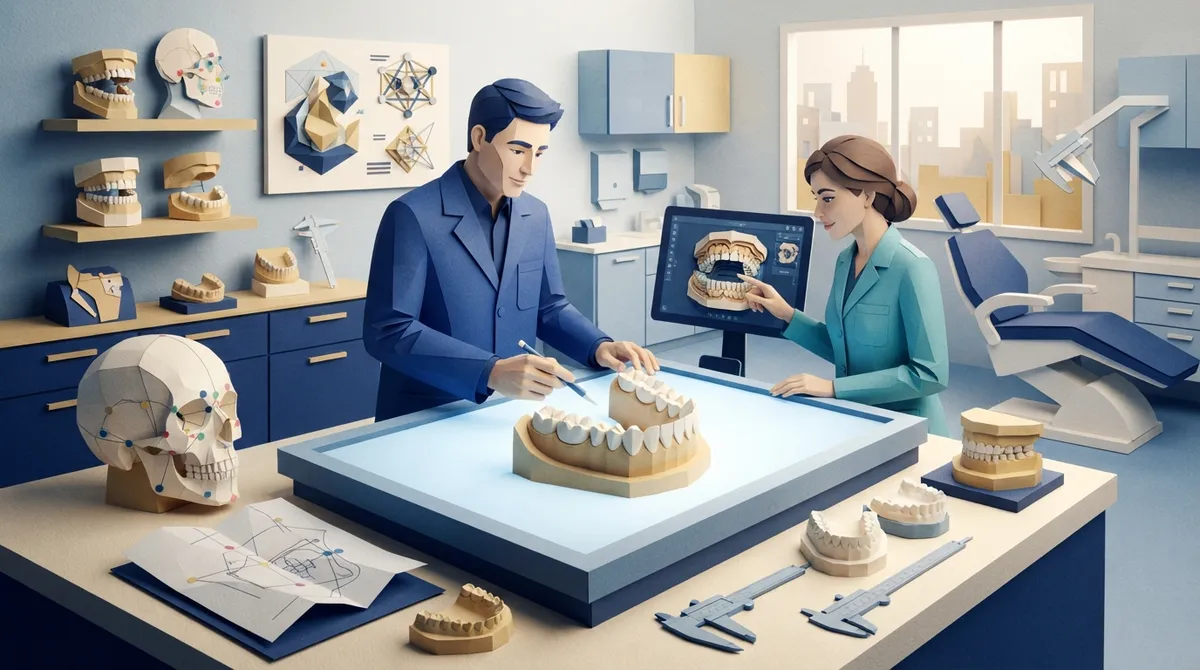
Great results start with great planning. Before anything goes on your teeth, your orthodontist gathers a full picture of your mouth, face, and bite.
A planning visit often includes these steps:
- A clinical exam: Your orthodontist checks your teeth, gums, bite, and jaw movement.
- Photos and records: Pictures of your face and smile help show how your teeth and jaws fit together.
- Digital scans or impressions: Modern scanners make a detailed 3D model of your teeth without messy molds.
- X-rays and imaging: These show roots, hidden teeth, and jaw structure.
- A goals conversation: You share what you want, and your orthodontist explains what is realistic.
Your orthodontist also looks at your growth stage, gum health, and overall health. A growing 12-year-old and a 35-year-old professional may need very different plans, even for a similar-looking bite.
Want to know what that first visit feels like? Take a peek at what to expect at your first visit or read about what happens during your orthodontic exam.
3. Braces and Aligners: Which Tools Handle Complex Cases?
Many people ask the big question: can clear aligners handle a complex case? The honest answer is, it depends on the case. Both braces and aligners have a place, and sometimes the best plan uses a little of each idea.
Here is a simple comparison to help you see the difference:
| Feature | Braces (Metal or Ceramic) | Clear Aligners |
|---|---|---|
| Best for | Many complex tooth movements and bite corrections | Mild to moderate cases, and some complex ones with add-ons |
| Appearance | Metal is visible; ceramic blends in more | Nearly invisible |
| Removable | No, fixed in place | Yes, but must be worn most of the day |
| Extra tools | Elastics, expanders, anchorage devices | Attachments, elastics, sometimes paired with other tools |
| Patient effort | Mostly about cleaning and food choices | Needs steady wear and good habits |
Some complex cases also use helpers like rubber bands (elastics), palatal expanders, or tiny temporary anchorage devices. These small tools give your orthodontist more control over tricky tooth and jaw movements.
At Brockway Orthodontics in Clearwater, Florida, we offer Spark™ Clear Aligners, metal braces, and ceramic (clear) braces. Not sure which path fits? Our comparison of clear aligners vs. braces is a great place to start. You can also explore all about braces.
4. Impacted Teeth: Guiding a Stuck Tooth Into Place
An impacted tooth is one that is trapped under the gum or bone and cannot come in on its own. Canines, the pointy teeth near the front, are common culprits. Sometimes they grow in toward the roof of the mouth instead of down into place.
The fix often involves teamwork. Here is how it usually goes:
- Your orthodontist confirms the tooth position using imaging.
- Space is created in the dental arch so the tooth has room to land.
- A surgeon or other specialist may gently expose the tooth.
- A tiny attachment is placed, and your orthodontist slowly guides the tooth into position with light, steady force.
This process takes patience, but it can save a tooth that would otherwise be lost or cause problems later. Catching these issues early helps a lot, which is one reason many parents choose early treatment checkups for kids.
5. When Jaw Surgery Enters the Picture
Let’s clear up a big worry right away. Surgery is not required for every complex case. In fact, most complex cases do not need it.
But for some patients, especially adults whose jaws have finished growing, the bones themselves do not line up. Braces alone can only move teeth, not reshape jaws. For example, with a severe adult underbite, moving teeth alone may not fully fix the jaw relationship or the facial profile.
In these situations, a combined plan may be the best option. This usually means:
- Braces first: Your teeth are aligned so they will fit together after surgery.
- Jaw surgery: An oral and maxillofacial surgeon repositions the jaw.
- Braces again: Fine-tuning helps your bite settle perfectly.
The choice depends on how big the jaw difference is, your facial goals, your health, and your own preferences. Your orthodontist will walk you through every option, including the ones that do not involve surgery. Learn more in our post on surgical orthodontics facts.
6. How Long Does Complex Treatment Take?
Everyone wants to know the timeline. Here is the honest truth: it varies, and no one can give you an exact number without examining you.
Research gives us some helpful general numbers. A 2024 systematic review of randomized trials found an average comprehensive fixed-appliance treatment time of about 22 months. Another review cited about 24.9 months. A 2020 meta-analysis also found no meaningful difference in treatment time between adults and adolescents.
Keep in mind that these are averages for comprehensive braces treatment, not promises for complex cases. Complex cases can take longer. Several things shape your timeline:
- The type and severity of the problem
- The tools and methods used
- How your body responds to tooth movement
- Keeping your appointments
- Wearing elastics or aligners exactly as directed
The best way to shorten your timeline? Follow your plan and show up for visits. Want more detail? Check out how long braces take to work.
7. Risks, Retention, and Cost: What to Expect
Every treatment has trade-offs, and honest conversations build trust. Here are the main things to be aware of.
Possible Risks and Side Effects
- Soreness or discomfort, especially after adjustments
- Cavities or white spots on enamel if cleaning slips
- Gum irritation or gum problems
- Root shortening (called root resorption) in some cases
- Relapse, meaning teeth drifting back, if you skip your retainer
- For surgical cases, the usual risks of anesthesia and surgery
Your orthodontist will go over your personal risks and alternatives before you start. Good brushing and flossing make a big difference. Our guide on how to clean your braces properly can help.
Retention Matters Most After Treatment
Finishing active treatment is a huge win, but it is not the finish line. Retainers help hold your new smile in place while the bone and gums settle. This is especially important for people who come back for retreatment after relapse. Learn more about retainers so your hard work lasts.
Cost and Insurance
Complex treatment often costs more because it takes more planning, time, or teamwork. Your exact price depends on your plan. The good news is that there are ways to make it manageable. Explore financing and insurance options, and see how to use dental insurance to help pay for braces.
Why Brockway Orthodontics Is a Trusted Choice in Clearwater
When your case needs extra care, the orthodontist you choose matters. Dr. Brockway brings extensive training and a real heart for her patients. She listens to your concerns, explains your options in plain English, and makes sure you feel comfortable from start to finish.
Our practice uses modern tools like digital impressions and 3D imaging, which means more precise planning and fewer messy molds. We welcome the whole family, from teens getting their first braces to adults seeking a discreet smile transformation. In certain cases, we can even offer same-day treatments to fit your busy life.
Curious how patients feel about us? See what neighbors say and visit us on Google — Brockway Orthodontics. You can also learn more about our services and our office.
For extra peace of mind, the American Dental Association offers trusted general information about oral health, and the Florida Association of Orthodontists is a helpful resource for learning what orthodontists do.
Who Benefits Most From Knowing This?
Complex orthodontic care touches many people, and each group has its own worries:
- Parents of kids and teens: You want to catch problems early and make smart choices for your child’s growing smile.
- Teens and young adults: You want a great result that fits your life, your events, and your style.
- Busy adult professionals: You need efficient, discreet care that does not wreck your schedule. See adult treatment options.
- Retreatment patients: You had braces before and your teeth shifted. You deserve a thoughtful plan this time.
- Health-conscious patients: You care about gum health, function, and long-term results, not just looks.
Your Next Step Toward a Healthier Smile
Complex orthodontist treatment sounds big, but it is really just careful, personalized care. With the right plan, the right team, and a little patience, even tricky bite and tooth problems can be treated.
The first step is simple: get a clear diagnosis and a plan made just for you. If you live in or near Clearwater, Florida, we would love to meet you. Book your free consultation online or contact us with any questions. We will listen, explain your options, and help you feel confident about every step.
FAQs
Q: What counts as a complex orthodontic case?
A: A complex case usually involves severe crowding or spacing, impacted teeth, bigger bite problems like an underbite or open bite, or a jaw that does not line up. It is not one official diagnosis, so your orthodontist will look at your own mouth to see what you need.
Q: Can clear aligners treat a complex bite problem?
A: Sometimes they can, especially with helpers like attachments and elastics. Other complex cases do better with braces or a mix of tools, so your orthodontist will check your bite and talk through the best fit for you.
Q: When is jaw surgery needed along with orthodontic treatment?
A: Jaw surgery is only for certain cases, usually adults with a significant jaw difference that braces alone cannot fix. Most complex cases do not need surgery, and your orthodontist will go over all your options before any decision is made.
Q: How long does complex orthodontic treatment take?
A: Comprehensive braces treatment commonly averages around two years, based on several research reviews, but complex cases can take longer. Your own timeline depends on your diagnosis, your plan, and how closely you follow it, so your orthodontist can give you the best estimate.
Q: How are impacted teeth treated with braces?
A: Your orthodontist makes room for the stuck tooth, and a surgeon may gently expose it. Then a small attachment and light, steady pressure guide the tooth into its proper spot over time.
Our Service Area