Key Takeaways
-
Brass players typically need 1-3 months to adjust to braces, while reed woodwind players often return to normal within a month; patience and gradual practice are key to adaptation.
-
Use orthodontic wax on brackets causing discomfort by rolling a small ball and pressing it onto the irritated spot, replacing it as needed and removing before eating.
-
Start with short 10-15 minute practice sessions at comfortable middle-range notes, gradually increasing duration and range daily as soreness decreases to avoid habit damage.
-
Inform your orthodontist before treatment about your instrument, practice frequency, and upcoming performances so they can schedule adjustments and appliances strategically around your music commitments.
-
Wind instrument players experience the most adjustment (especially brass), while string, key, and percussion players notice little to no change; this variation affects your expected timeline.
-
Coordinate with your music teacher to adjust embouchure gradually and choose realistic practice pieces, as supportive guidance prevents self-consciousness and helps you maintain proper technique without excess mouthpiece pressure.
Picture this: your child just got braces, and band practice is on Thursday. Or maybe you are an adult who plays trumpet in a community group and wonder if your hobby is about to hit a sour note. Good news. For most people, braces and playing instruments can absolutely go together.
Fixed braces can change how your mouth feels against a mouthpiece or reed, at least for a little while. Your lips, cheeks, and tongue need time to get used to the new hardware. That is normal, and it does not mean you have to quit the music you love.
Wind players tend to notice the biggest change, especially brass players. Still, with a few smart habits, a little patience, and a good plan with your orthodontist, you can keep making music. Here are nine friendly tips to help you hit the right notes, whether you are a teen in the school band, a parent cheering from the audience, or an adult picking the clarinet back up.
1. Know What to Expect Before Treatment Starts
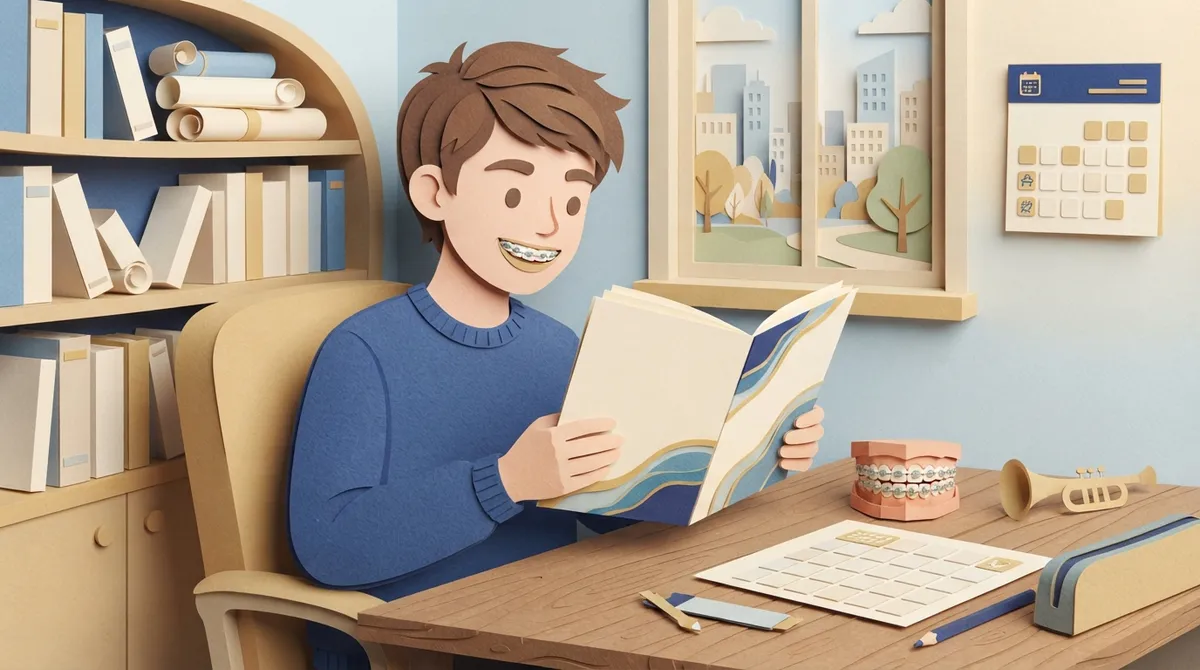
The first step is understanding what braces actually change. Fixed braces add brackets and wires to the front of your teeth. Those new surfaces sit right where your lips and mouth work to play an instrument.
In the first days after braces go on, or after an adjustment, you may notice a few things:
- Lip or cheek soreness where the brackets rub
- A slightly different tone or sound
- Reduced range or endurance during long practice sessions
- A strange feeling in your embouchure (the way your lips and mouth are positioned)
These changes are usually temporary. Think of it like breaking in a new pair of shoes. It feels odd at first, then it gets easier.

2. Understand How Your Instrument Type Matters
Not every instrument feels the same with braces. The biggest differences show up between wind instruments and everything else. If you play piano, violin, cello, guitar, or drums, braces usually make little difference to your playing. Wind players are the ones who feel it most.
| Instrument Type | Examples | Typical Effect of Braces |
|---|---|---|
| Brass | Trumpet, trombone, French horn, tuba | Often more lip discomfort, because the mouthpiece presses the lips against the teeth |
| Reed woodwinds | Clarinet, saxophone, oboe | Generally an easier adjustment, though experiences vary |
| Flute and piccolo | Flute, piccolo | Embouchure may feel different as lips adjust |
| Strings, keys, percussion | Violin, piano, drums | Little to no change for most players |
Every mouth is different, so your own experience may vary. Still, this table gives you a helpful starting point.
3. Expect a Short Adjustment Period
Many families ask how long it takes to adjust. The honest answer is that it depends on you. A 2006 survey of school band members in the Journal of Clinical Orthodontics offers one look at what players reported.
- Woodwind players, especially reed players, commonly got back to their old playing level in under a month.
- Brass players reported an average adjustment time of about one to three months.
Keep in mind this was a limited, older survey. It is not a promise or a clinical rule for any one person. Some players adapt faster, and some need a bit longer. The main message is simple: be patient with yourself, and do not panic if your sound feels off in week one.
4. Use Orthodontic Wax for Sore Spots
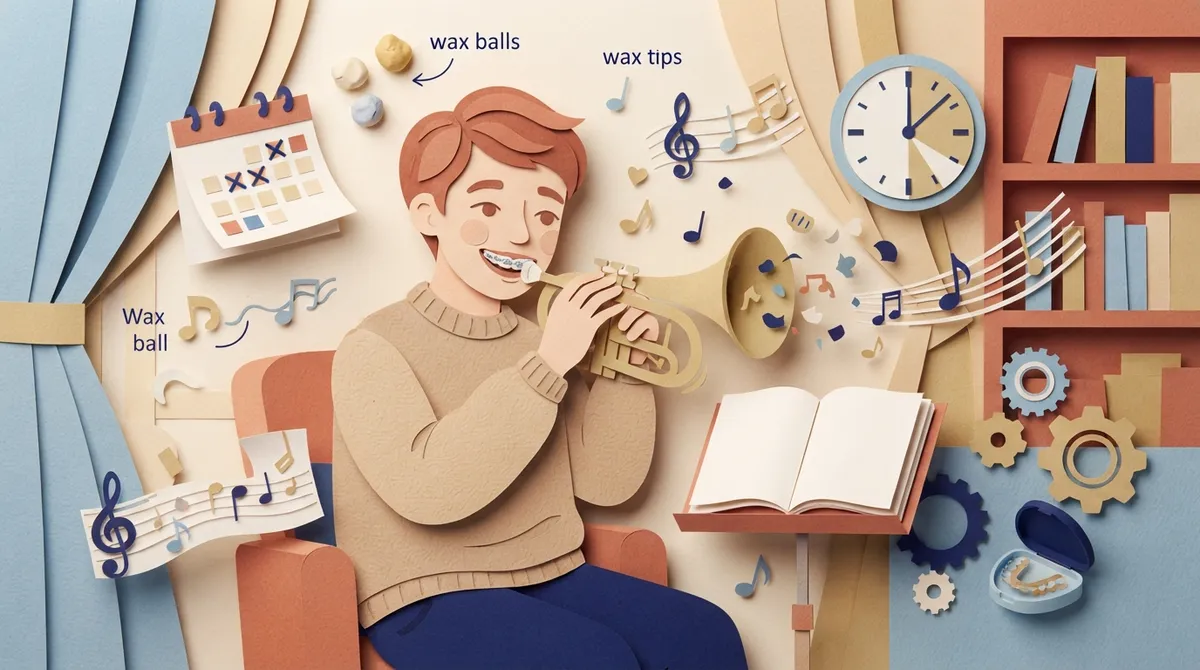
Orthodontic wax is a small but mighty tool for musicians. It covers brackets that rub your lips or cheeks, creating a smooth barrier so you can practice more comfortably.
- Wash and dry your hands and your braces.
- Pinch off a small piece of wax and roll it into a little ball.
- Press it gently onto the bracket that is bothering you.
- Remove it before eating, and replace it with fresh wax as needed.
Ask your orthodontist which wax or protective products they recommend. If a wire or bracket is poking, broken, or causing a lasting sore, do not just tough it out. Call the office so the team can take a look. Brockway Orthodontics always welcomes those calls, and you can read more about handling these moments in our guide on emergency versus routine orthodontics.
5. Ease Back Into Practice Gradually
When your braces are new, resist the urge to jump into a two-hour rehearsal. A gradual return helps your mouth adapt without extra irritation.
Here is a gentle plan that many players find helpful:
- Start with short sessions, even ten or fifteen minutes
- Play easy, comfortable notes in the middle of your range first
- Add a little more time and range each day as soreness fades
- Take breaks whenever your lips feel tired or sore
One important warning: do not press the mouthpiece harder against your lips to make up for a weak sound. That extra pressure can make soreness worse and may lead to bad habits. Instead, ask your music teacher or band director to help you adjust your technique and embouchure.
6. Team Up With Your Music Teacher
Your band director or private teacher is a great ally. They know your sound and can spot small changes in how you play. Let them know you have braces so they can offer tips and extra patience.
A teacher can help you:
- Adjust your embouchure in small, comfortable steps
- Choose practice pieces that build confidence
- Plan realistic goals for the first few weeks
- Cheer you on when frustration creeps in
This tip is especially helpful for teens, who may feel self-conscious about sounding different. A supportive teacher can make all the difference. If you are a parent, a quick note to the band director can set everyone up for success. You can also learn more about what to expect for younger patients in our article on orthodontics for kids.
7. Tell Your Orthodontist About Your Music
This one is simple and powerful. Before treatment begins, tell your orthodontist which instrument you play, how often you practice, and whether you have any big auditions, concerts, or exams coming up.
That information helps the team plan with your schedule in mind. You can talk through appliance options and timing together. For example, if you have a major recital in three weeks, you might discuss the best time to start treatment or schedule an adjustment.
Here is a quick checklist of things to share at your visit:
- Your instrument and how many hours a week you play
- Upcoming performances, competitions, or auditions
- Any past lip or mouth soreness while playing
- Your treatment goals, such as straighter teeth or a better bite
A great first visit sets the tone for the whole journey. If you are curious how that appointment works, take a peek at what happens at your first visit. And if you want to meet the doctor behind the care, you can meet Dr. Brockway.
8. Ask About Removable Options, But Follow the Plan
Some patients wonder whether they can take their appliance out to play. With removable options, such as clear aligners, this may sometimes be possible, but only if your orthodontist approves it.
Here is why that matters. Leaving an appliance out for long stretches can slow progress and affect your final results. The wear schedule your orthodontist gives you exists for a reason. So never decide on your own to skip wear or remove anything that is meant to stay on.
If you do take a removable appliance out for playing, keep these habits in mind:
- Store it in its case right away, never wrapped in a napkin.
- Put it back in as soon as you finish playing.
- Keep track of your total daily wear time.
- Check in with your orthodontist if you are unsure.
Curious about whether aligners might suit your lifestyle? Explore Spark™ Clear Aligners, or compare your choices in our guide on braces versus clear aligners. Your orthodontist can tell you which option fits both your smile goals and your music.
9. Plan for Life After Braces
Here is a fun surprise: you may go through a second small adjustment period after your braces come off. Your mouth has gotten used to the brackets, so the smooth new feel of your teeth can seem different against a mouthpiece at first.
This is normal, and it usually settles down. During this time, keep wearing your retainer exactly as prescribed. Retainers protect the beautiful results you worked so hard for. You can learn more about keeping your smile in place on our retainers page.
Many parents also worry that playing a wind instrument might push teeth out of place. According to the British Orthodontic Society’s guidance for orthodontists, playing a wind instrument is unlikely to apply enough force or for long enough to meaningfully move teeth for most patients. That is reassuring news for music lovers everywhere.
Quick Tips by Reader: Who Should Do What?
Every musician has a slightly different path. Here is a simple snapshot to help you find your starting point.
| If You Are… | Try This First |
|---|---|
| A parent of a young player | Share the plan with the band director and keep wax in the instrument case |
| A teen in marching or concert band | Start with short, easy practice sessions and ask your teacher for embouchure help |
| An adult professional or hobby player | Plan treatment around big performances and talk options with your orthodontist |
| Someone returning for retreatment | Mention your instrument early, since you already know how braces feel |
Keep Your Smile and Your Music in Harmony
Braces and music can be great partners. With a little patience, some wax, a gentle practice plan, and open conversations with your orthodontist and music teacher, most players get back to their best sound.
If you are ready to start your own smile journey, we would love to hear from you. Brockway Orthodontics offers braces, ceramic braces, and clear aligners for kids, teens, and adults, all with a warm and welcoming approach. Dr. Brockway listens to your goals and explains every step, so you feel informed and comfortable. You can also see what our patients say when you visit us on Google — Brockway Orthodontics.
For more on keeping your teeth and gums healthy, the American Dental Association offers helpful oral health resources, and the Florida Association of Orthodontists shares trusted information on orthodontic care. You can also learn about general treatment options on our all about braces page.
Ready to chat about your smile and your instrument? Book your appointment online today, or contact us with any questions. Let’s make beautiful music and beautiful smiles together!
FAQs
Q: Can you play a musical instrument with braces?
A: Yes, most people can keep playing with braces! You may notice some soreness or a different feel at first, especially with wind instruments, but it usually gets easier with time and practice. Chat with your orthodontist about your instrument so they can help you plan.
Q: Are braces harder for brass or woodwind players?
A: Brass players often report more lip discomfort because the mouthpiece presses the lips against the teeth. Reed players generally have an easier time, though every mouth is different. Wax and gradual practice can help both groups feel more comfortable.
Q: How can I stop my braces from cutting my lips while playing?
A: Orthodontic wax is your best friend here. Roll a small piece and press it onto any bracket that rubs, then replace it as needed. If a wire or bracket is poking or causing lasting soreness, give your orthodontist’s office a call.
Q: Can I take out my clear aligner or retainer to play an instrument?
A: Sometimes, but only if your orthodontist says it is okay. Leaving an appliance out for long stretches can slow your progress, so follow your prescribed wear schedule and keep any removed appliance safely in its case.
Q: Will playing a wind instrument move my teeth or affect my treatment?
A: For most patients, no. Professional guidance from the British Orthodontic Society notes that playing wind instruments is unlikely to apply enough force or for long enough to meaningfully move teeth. Keep wearing your retainer as directed and enjoy your music!
Our Service Area