Key Takeaways
-
Ask first whether you need treatment at all, since braces are not necessary for everyone; a good orthodontist should explain the problems in your bite and what happens if you wait.
-
Ask for a written, itemized cost estimate that shows what is included (visits, repairs, retainers) and what could cost extra, then check insurance coverage and payment plans.
-
Compare traditional braces and clear aligners based on your bite, lifestyle, and habits: aligners are removable but only work if worn most of the day, while braces stay on but require careful cleaning.
-
Get a personal treatment estimate rather than relying on averages of 12 to 24 months, and ask what could lengthen treatment, such as missed visits or broken brackets.
-
Plan for retainers before starting, since teeth can shift after treatment; ask what type you will get, how long to wear it, and what it costs to replace if lost.
-
Ask about daily care, risks like enamel marks or gum irritation, and what counts as an emergency so you know how to clean your teeth and when to call the office.
Thinking about braces? You are not alone. Every year, kids, teens, and adults walk into an orthodontist’s office with a head full of questions and a heart full of hope. The good news? Asking the right questions up front makes the whole journey smoother, less stressful, and a lot more fun.
Here is the thing: the questions to ask before getting braces are not one-size-fits-all. A parent weighing options for a 12-year-old has different worries than a busy professional who wants something discreet. That is why this guide compares two popular paths side by side: traditional braces and clear aligners. For each topic, you will see what to ask and how the two options may differ.
Grab a notebook or your phone. By the end, you will walk into your first visit feeling confident, prepared, and ready to chat with your orthodontist like a pro.
Start With the Big Question: Do You Need Treatment at All?
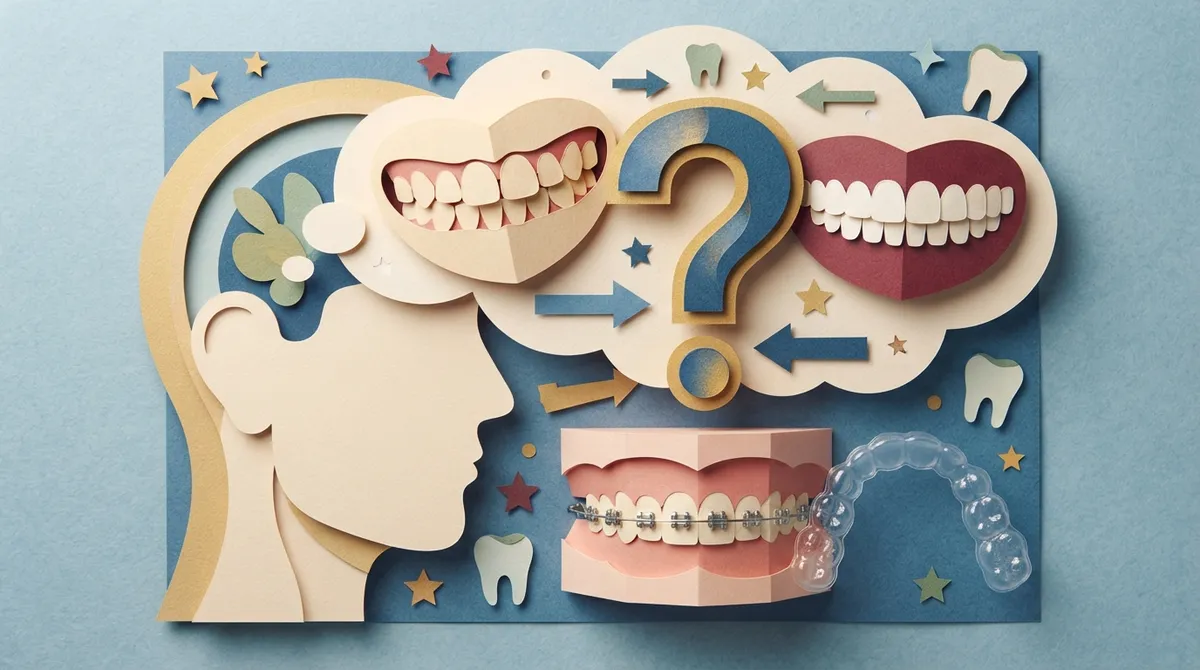
Before you compare braces and aligners, ask the most basic question first. Is orthodontic treatment actually recommended for your bite and dental health? Braces are not necessary for every person, and a good orthodontist will tell you that honestly.
Here are the first questions to bring to your consultation:
- What problems do you see in my teeth or bite?
- What is the goal of treatment (looks, function, or both)?
- What could happen if I wait or do not treat this?
- Is this the right time to start, or should we wait?
For parents, timing matters. Some children benefit from an early check-up, so it helps to read about early treatment and ask whether your child could benefit now. Teens and adults can also learn more about adolescent treatment and adult treatment to see what to expect at their age.
Who Will Be Treating You?
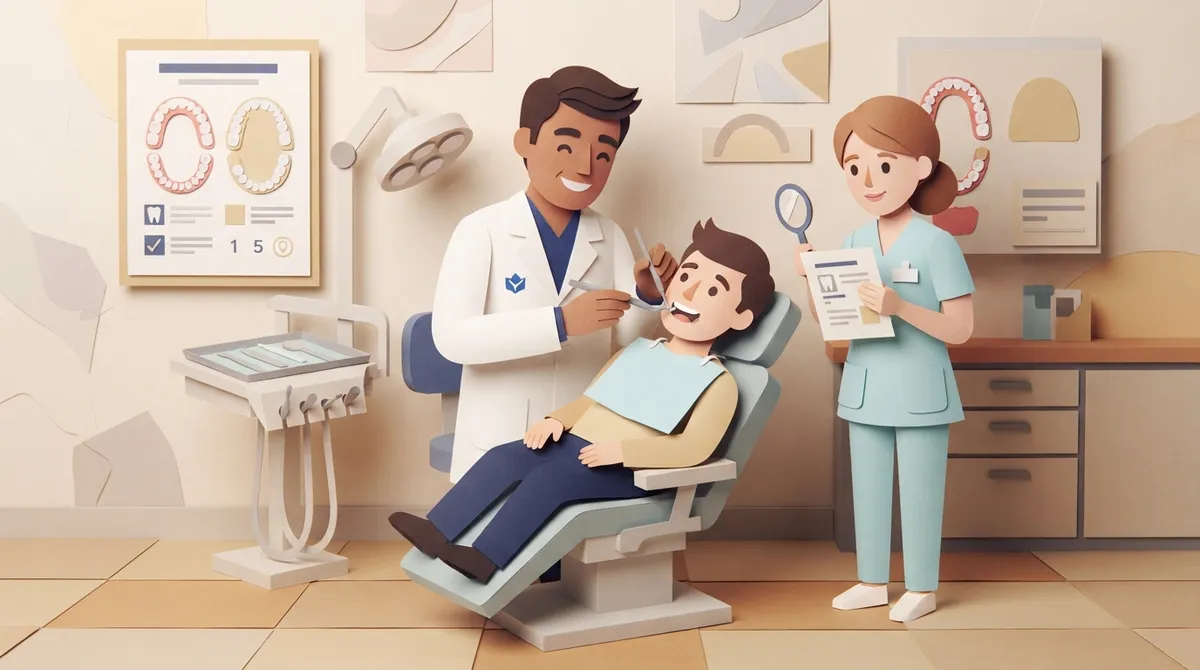
This one is easy to skip, but it matters. In the U.S., an orthodontist is a dentist who has completed extra specialty training in orthodontics. Ask who will plan your treatment, who will supervise it, and how often you will see them.
- Who will plan and oversee my treatment?
- What are their qualifications and experience?
- How often will I have appointments?
- Will I keep seeing my regular dentist for cleanings?
At Brockway Orthodontics, you can meet Dr. Brockway, who takes time to listen to your goals and explain every step in plain language. You deserve to feel comfortable with the person guiding your smile.
Braces vs. Clear Aligners: Which Option Fits You?
This is where the comparison gets fun. Ask your orthodontist to explain all the options that suit your case, and why they recommend one over another. Options often include metal braces, ceramic (clear) braces, lingual braces, and clear aligners.
Here is a quick side-by-side look at the two most common paths:
| Question to Ask | Traditional Braces | Clear Aligners |
|---|---|---|
| How visible are they? | Metal is noticeable; ceramic blends in more | Nearly invisible |
| Can they be removed? | No, they stay on the whole time | Yes, but must be worn most of the day |
| How reliable is the result? | Works for a very wide range of bite problems | Works well for many cases; depends on complexity |
| What about eating? | Hard, sticky, and chewy foods must be avoided | Remove aligners to eat, then brush before putting back in |
| How much cooperation is needed? | Less reliance on you for wear time | Success depends on wearing them consistently |
| Cleaning | Special brushing and flossing around brackets | Clean the aligners and brush normally |
Neither option is automatically better. The right choice depends on your bite, your lifestyle, and your habits. Learn more about all about braces and Spark™ Clear Aligners, or see this friendly breakdown of traditional braces vs. clear aligners.
Questions to Ask About Your Specific Options
- Which option do you recommend for my bite, and why?
- Would aligners work for my case, or do I need braces?
- How comfortable is each option day to day?
- How will each one affect my speech, eating, and sports or music?
How Long Will Treatment Take?
Everyone wants a straight answer here, but the honest answer is: it depends. The American Association of Orthodontists says most people wear braces for about 12 to 24 months, though this varies with the person and the bite problem. NHS patient guidance describes fixed-brace treatment as commonly lasting around 18 to 24 months, with more complex cases taking longer. Remember, those numbers are general estimates, not a promise about your own mouth.
Ask your orthodontist for a personal estimate, and ask what could change it. Missed visits, broken brackets, and not following instructions can all stretch your timeline. For a deeper look, check out how long braces take to work.
Good questions here include:
- How long do you expect my treatment to take?
- What factors could make it shorter or longer?
- How often will I need adjustment visits? (Many offices see patients about every 6 to 8 weeks.)
- What should I do if a wire pokes or a bracket comes loose?
What Will It Cost, and What Is Included?
Let’s talk money, because it is one of the biggest concerns for families. Costs vary by location, the type of appliance, and how complex your case is. There is no single price that fits everyone, so the smartest move is to ask for a written, itemized estimate.
Ask these questions about cost:
- What does the quoted fee include (records, visits, repairs, retainers, follow-up)?
- What might cost extra?
- Does my insurance cover any of it?
- What payment plans or financing options do you offer?
It helps to learn about financing and insurance before your visit, and this guide on using dental insurance to help pay for braces can save you from surprises. If you want a closer look at pricing, see how much braces cost in 2026.
Is Your Mouth Ready for Braces?
Great news: you do not need a perfect mouth to start. But your teeth and gums do need to be healthy. Ask whether any cavities or gum problems should be treated first.
This matters because plaque can build up around braces. If it is not cleaned well, it can lead to cavities, gum problems, and even permanent white or brown marks on the enamel. That is why daily care is a big deal.
Questions About Daily Care
- What is the best way to brush and floss with my appliance?
- Do I need special tools, like floss threaders or interdental brushes?
- Which foods should I avoid?
- How do I keep my teeth healthy and bright during treatment?
Braces wearers can find practical tips in foods to avoid with braces and what you can eat with braces. With aligners, the rules flip: you take them out to eat, but you must wear them most of the day for them to work.
What Will It Feel Like?
Let’s be real: a little soreness is normal. Teeth may ache for a few days after braces are fitted or adjusted. That feeling usually fades, and many people say it is easier than they expected.
Ask your orthodontist:
- How much discomfort should I expect, and for how long?
- What can I do at home to feel better?
- What counts as an emergency, and who do I call?
- What should I do if a wire or bracket irritates my cheek?
Knowing the difference between a quick fix and a true emergency will save you stress. This guide on emergency vs. routine orthodontics can help.
What Are the Risks?
Every treatment has some risks, and a caring orthodontist will talk about them openly. Possible concerns include enamel marks or decay from poor cleaning, gum irritation or recession, and, in some cases, shortening of tooth roots. Your personal risk varies, so ask how your team will monitor you.
- What risks apply to my specific case?
- How will you watch for problems along the way?
- What can I do to lower my risk?
Do not let this list scare you. For most people, careful cleaning and regular visits keep things on track. Knowing the risks simply helps you stay in the driver’s seat.
What Happens After Braces?
Here is a question many people forget to ask: what is the plan once the braces come off? Teeth can shift after active treatment, which is why retainers are generally needed. Ask about this before you start so there are no surprises later.
- What type of retainer will I get?
- How often and how long should I wear it?
- What does it cost to replace a lost or broken retainer?
- What follow-up visits are included?
You can read more about retainers and this helpful guide on how to wear a retainer after braces. Think of your retainer as the key to protecting all your hard work.
Special Questions for Different Patients
Every patient has a different story. Here are some extra questions tailored to who you are.
For Parents of Kids and Teens
- Is my child old enough, or should we wait?
- How can I help my child stay on top of brushing?
- What happens during sports or school events?
Parents can explore orthodontics for kids for more guidance.
For Adults and Busy Professionals
- How discreet can my treatment be?
- How many visits will I need, and can they fit my schedule?
- How will treatment affect my speech and work life?
Adults who want to compare choices may enjoy metal vs. clear braces for adults.
For Anyone Who Had Braces Before
- Why did my teeth shift, and can it be fixed?
- Will treatment be shorter this time?
- How can I avoid relapse again?
What to Expect at Your First Visit
Nervous about the first appointment? Do not be. It is mostly a friendly conversation, a few photos or scans, and a chance to ask everything on your list. Many practices use modern tools like digital impressions and 3D imaging, which means no messy molds and a more precise plan.
Read what to expect at your first visit, and bring this checklist:
- Write down your top five questions.
- Bring your insurance information.
- Share your health and dental history.
- Ask for a written treatment plan and cost estimate.
Brockway Orthodontics in Clearwater, Florida welcomes patients of all ages, so you can feel at home whether you are a parent, teen, or adult. Want to hear from real people? Read what Brockway Orthodontics patients say on Google.
Final Thoughts: Ask Boldly, Smile Confidently
There are no silly questions when it comes to your smile. The more you ask, the more comfortable you will feel. Remember the big themes: whether you need treatment, who is treating you, which option fits your life, how long and how much, how to care for your teeth, what the risks are, and how you will keep your results.
Whether you lean toward braces or clear aligners, the best choice is the one your orthodontist recommends after looking at your unique bite. For extra reading, the American Dental Association and the Florida Association of Orthodontists offer trusted information for patients.
Ready to put your questions to work? Book your free consultation online and let our friendly team walk you through every step, or contact us with any questions you want answered first.
FAQs
Q: What should I ask an orthodontist at my first braces consultation?
A: Start by asking whether you really need braces, which options fit your bite, how long treatment will take, and what it will cost. It is also smart to ask about daily care, risks, and your retainer plan. Bring a written list so nothing gets forgotten!
Q: How long will I need braces?
A: Most people wear braces for about 12 to 24 months, though your own time depends on your bite and how well you follow instructions. Missed visits or broken brackets can add time. Your orthodontist can give you a personal estimate after a full exam.
Q: How much do braces cost, and what is included?
A: Costs vary by location, appliance type, and how complex your case is, so there is no one-size price. Ask for a written, itemized estimate that shows what is included, such as visits, repairs, and retainers. Also ask about insurance and payment plans to find what fits your budget.
Q: Will I need a retainer after braces?
A: Yes, retainers are generally needed because teeth can shift after treatment ends. Ask what type you will get, how long to wear it, and what it costs to replace. Wearing it as directed protects your new smile for the long haul.
Q: What are the risks and side effects of braces?
A: Some soreness for a few days after fitting or adjustments is common. Possible risks include enamel marks or decay from poor cleaning, gum irritation, and in some cases shortened tooth roots. Brushing well and keeping regular visits helps keep your risk low.
Our Service Area