Key Takeaways
-
The AAO recommends a first orthodontic check-up by age 7 as a screening, not a signal that braces must start then; many teens are evaluated once most permanent teeth have come in.
-
Visible signs to watch for include crowded, crooked, or gapped teeth, protruding upper front teeth, and late or misplaced adult teeth or missing/extra teeth.
-
Bite problems such as overbite, underbite, crossbite, or open bite can be checked at home by having your teen gently bite down and smile to see whether top and bottom teeth meet in a balanced way.
-
Daily-life clues like trouble biting or chewing, hard-to-clean teeth, frequent cheek or tongue biting, or a retainer that no longer fits suggest teeth may have shifted and warrant a professional opinion.
-
A first consultation is low-risk and usually includes a history chat, exam, optional X-rays or scans, and a clear plan, and it may simply confirm that everything looks healthy.
-
These signs are not a diagnosis, and braces aren't the only option; clear aligners or ceramic braces may fit, so only an orthodontist can recommend the right treatment.
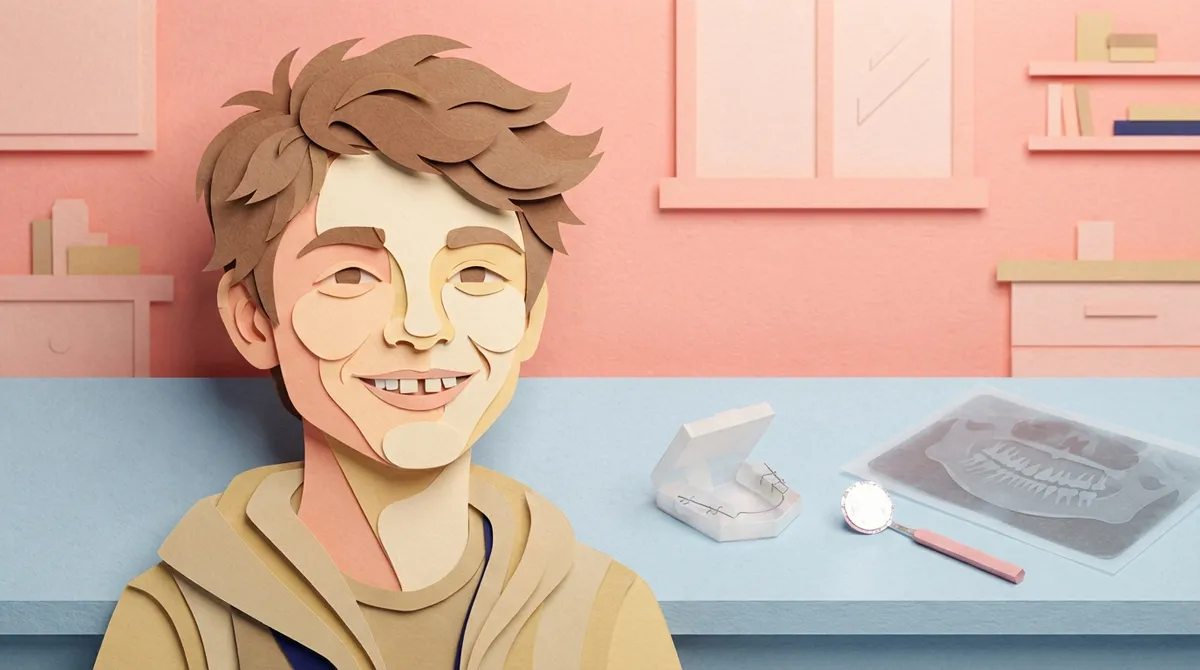
You glance across the dinner table and notice your teen’s smile. One tooth is tucked behind another. Another seems to poke out a little. Then you wonder: is this just a phase, or is it time to call an orthodontist? If you’ve been searching for the signs a teenager may need braces, you’re in good company. Plenty of parents (and teens) ask the same question.
Here’s the good news: you don’t have to guess. Some signs are easy to spot at home. Others only show up during a professional exam. In this friendly guide, we’ll compare two paths, acting on early signs now versus waiting to see what happens. We’ll also walk through what to look for, what’s normal, and what to expect at a first visit. Remember, these signs aren’t a diagnosis. An orthodontist is the one who can tell you if braces or another option is right.

The Big Picture: Acting Now vs. Waiting It Out
Many families feel stuck between two choices. Do you book a visit as soon as something looks off? Or do you wait and see if teeth settle on their own? Both approaches are common, and each has a place.
The American Association of Orthodontists (AAO) recommends a first orthodontic check-up by age 7. That’s a screening recommendation, not a rule that kids must start braces then. Many teens are evaluated or treated later, once most permanent teeth have come in. So if your teenager has never seen an orthodontist, it’s still a great time for a look.
| Factor | Acting on Signs Now | Waiting It Out |
|---|---|---|
| Information | You get a clear answer from a specialist | You rely on guesses and online advice |
| Timing | Treatment can match your teen’s growth | You may miss a helpful growth window |
| Daily life | Chewing and cleaning issues may be addressed sooner | Problems like hard-to-clean teeth may continue |
| Cost to you | A consultation is a low-risk first step | Delay can sometimes mean a more complex plan |
| Best for | Teens with visible or functional concerns | Teens with a healthy, well-fitting bite |
In short, a check-up costs little and gives you real answers. Waiting is fine when teeth and bite look healthy. But if you see any of the signs below, a quick visit is worth it.
Visible Signs: What You Can Spot Just by Looking
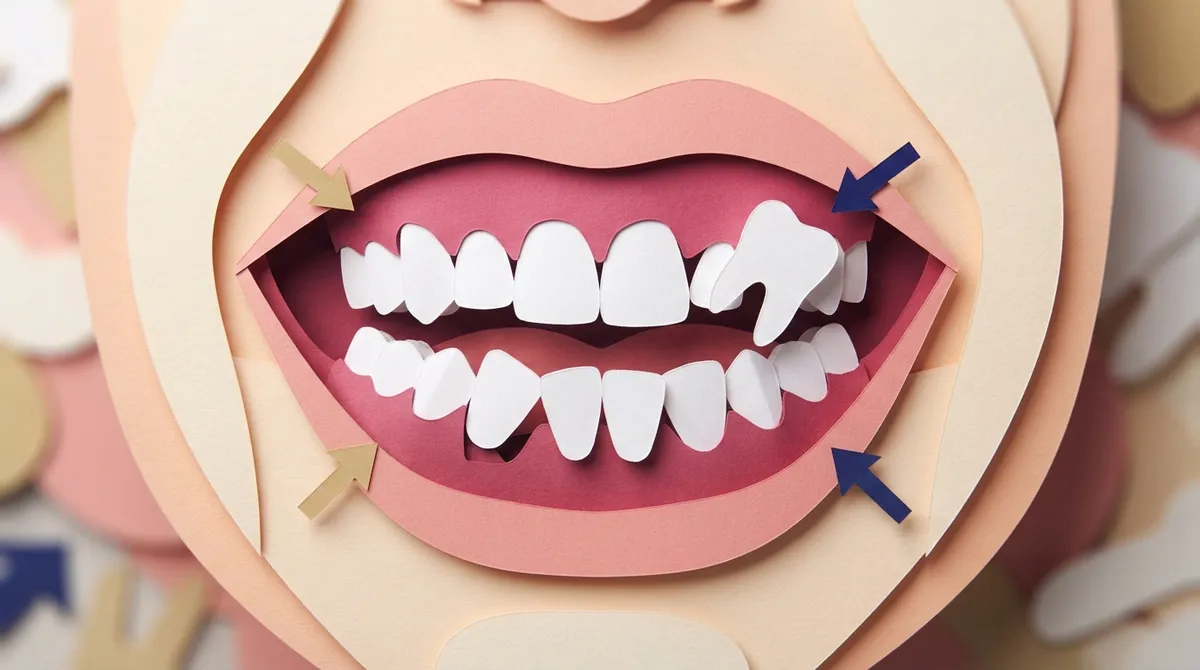
Start with the smile. These clues are the easiest to notice at home. None of them prove your teen needs braces on their own, but each one is a good reason to ask an expert.
- Crowded teeth: Teeth that overlap, twist, or look squeezed together.
- Crooked teeth: Teeth that lean or sit out of line with their neighbors.
- Gaps and spacing: Noticeable spaces between teeth, or teeth that seem too small for the jaw.
- Protruding teeth: Upper front teeth that stick out past the lower ones.
- Late or misplaced adult teeth: Permanent teeth that come in late or in the wrong spot.
- Missing or extra teeth: Gaps where a tooth never grew, or a tooth that seems to be one too many.
If you spot one or two of these, don’t panic. Lots of healthy, happy teens have a little crowding or spacing. The real question is whether the position of the teeth affects how your teen bites, cleans, or feels about their smile.
Bite Problems: When Teeth Don’t Meet the Way They Should
Your “bite” is how the upper and lower teeth fit together. When they don’t line up well, orthodontists call it a bad bite, or malocclusion. Here are the main types parents hear about.
Overbite
With an overbite, the upper front teeth cover too much of the lower teeth. Some overlap is normal, but a deep overbite can cause wear or discomfort. If you’re curious how this is treated, our guide on how braces fix a deep overbite explains it in plain language.
Underbite
An underbite happens when the lower teeth sit in front of the upper teeth. It can affect chewing and how the jaw grows. You can learn more about how to fix an underbite and the options available.
Crossbite
In a crossbite, some upper teeth sit inside the lower teeth when your teen bites down. This can happen on one side or both. Read more about how crossbite correction works if you’d like details.
Open Bite
With an open bite, the front teeth don’t touch when the back teeth are closed. There’s a visible gap, and biting into foods like sandwiches can feel tricky.
A simple at-home check: ask your teen to bite down gently on their back teeth and smile. Do the top and bottom teeth meet in a way that looks balanced? If something seems off, that’s your cue to schedule an exam. Only a clinician can judge how the teeth and jaws fit together and whether it affects function or oral health.
Everyday Clues: Signs You Notice in Daily Life
Sometimes the best hints aren’t in the mirror. They show up at meals, in the bathroom, or during a chat. Look out for these functional signs:
- Trouble biting or chewing: Your teen avoids certain foods or complains that it’s hard to bite into things.
- Hard-to-clean teeth: Floss gets stuck, or certain spots always seem to collect plaque because teeth are tightly packed or twisted.
- Frequent cheek or tongue biting: Biting the inside of the mouth over and over can sometimes point to a bite that doesn’t fit well.
- A retainer that no longer fits: If your teen had earlier orthodontic treatment, a tight or ill-fitting retainer may mean teeth have shifted. Our page on retainers explains why they matter.
These symptoms can have other causes, so please don’t self-diagnose. Think of them as friendly nudges to get a professional opinion.
Other Things Worth Mentioning to a Dentist or Orthodontist
A few other clues are worth bringing up, even though they don’t automatically mean braces are needed:
- Jaw clicking, popping, or discomfort
- Speech concerns, like a lisp that sticks around
- Mouth breathing, especially at night
- Uneven wear on the teeth
These can have many causes, from habits to growth patterns to other health issues. Your teen’s orthodontist can sort out what’s connected to the bite and what isn’t. If you’ve wondered about speech in particular, see our post on whether braces fix a speech impediment.
What About Looks? Why Confidence Counts Too
Let’s be honest: for many teens, the reason to get braces is about feeling good in photos and at school events. That’s a perfectly valid reason! A smile your teen loves can boost their confidence for prom, graduation, sports, and everyday life.
Health and confidence often go hand in hand. Straighter teeth are typically easier to brush and floss, and a well-fitting bite can make daily life more comfortable. If your teen is hiding their smile, covering their mouth when they laugh, or avoiding photos, that’s a sign worth taking seriously, too.
Braces vs. Clear Aligners: Which Path Fits Your Teen?
If an orthodontist does recommend treatment, braces aren’t the only option. Many teens are candidates for either traditional braces or clear aligners, depending on their case. Here’s a quick comparison to help you start the conversation.
| Feature | Metal or Ceramic Braces | Clear Aligners |
|---|---|---|
| How they work | Brackets and wires fixed to teeth | Removable, clear trays changed in steps |
| Visibility | Metal is noticeable; ceramic blends in more | Nearly invisible |
| Responsibility | Always on, so less to remember | Must be worn most of the day |
| Eating | Some foods to avoid | Trays come out for meals |
| Best for | Many bite and alignment cases | Many mild-to-moderate cases, depending on the plan |
Neither choice is “better” for everyone. It depends on your teen’s bite, goals, and habits. To explore more, take a look at our guides on all about braces and Spark™ Clear Aligners, an affordable clear aligner option we offer. You can also read our comparison of clear aligners vs. braces for extra help.
What Happens at a Teen’s First Orthodontic Visit?
A lot of worry melts away once you know what to expect. A first consultation is usually relaxed and informative. Here’s a typical flow:
- A friendly chat: The orthodontist asks about your teen’s health, concerns, and goals.
- A careful exam: They look at the teeth, bite, jaw growth, and overall oral health.
- Records, if needed: This may include X-rays, photographs, or digital scans to see the full picture.
- A clear plan: You’ll learn whether treatment is needed, which options fit, and what timing makes sense.
That’s it. There’s no pressure, and sometimes the answer is simply, “Everything looks healthy, so let’s check back later.” To see what the day looks like at our practice, visit Your First Visit. You can also read about what to expect at your orthodontic consultation.
Why Timing Matters for Teens
The teen years are a sweet spot for many orthodontic cases. Most permanent teeth have come in, and the jaws are still growing. That growth can sometimes help a clinician guide teeth into better positions. Still, timing is personal. It depends on your teen’s growth, oral health, and treatment goals.
If you’d like to dig deeper, our pages on adolescent treatment and when teens should start orthodontic treatment are great next reads. And if your child is younger, early treatment might be worth a look.
A Quick Word on Cost and Payment
Cost is a real concern for most families, and it’s okay to talk about it openly. Our team is happy to explain pricing and ways to make care fit your budget. You can learn about financing and insurance before you even book. Knowing your options up front often makes the whole decision feel lighter.
How Brockway Orthodontics Can Help
At Brockway Orthodontics, we love working with families in Clearwater, Florida. Dr. Brockway takes time to listen to your teen’s concerns and explain everything in an easy, friendly way. We offer metal braces, ceramic (clear) braces, and Spark™ Clear Aligners, plus modern tools like digital impressions and 3D imaging for comfortable, precise care. In certain cases, same-day treatment may even be possible.
Curious what other families think? You can see what our Brockway Orthodontics patients say by visiting our Brockway Orthodontics location on Google. For more background on dental health standards, the American Dental Association and the Florida Association of Orthodontists are trusted resources, and for general orthodontic guidance you can also explore the American Association of Orthodontists.
The Bottom Line: Which Path Should You Choose?
If your teen shows any of the signs a teenager may need braces, such as crowding, gaps, a bite that doesn’t fit, or trouble chewing and cleaning, don’t wait and worry. A quick consultation gives you real answers. If everything looks healthy, great! You’ll have peace of mind. If treatment makes sense, you’ll know your options and timeline.
One historical note for perspective: a 1977 national health report estimated that roughly one in three U.S. teens aged 12 to 17 had a severe bad bite. That data is old and shouldn’t be treated as a current rate, but it shows how common bite concerns have long been. Your teen is far from alone.
Ready to take the first step? Book your appointment online and let’s talk about your teen’s smile. Prefer to chat first? Feel free to contact us with any questions. We can’t wait to meet you!
FAQs
Q: What are the most common signs a teenager needs braces?
A: The most common signs include crowded, crooked, or gapped teeth, protruding front teeth, and a bite that doesn’t fit together well. Trouble chewing or cleaning teeth can be clues too. These signs aren’t a diagnosis, so an orthodontist should take a look!
Q: At what age do teenagers usually get braces?
A: There’s no single age, but many teens are evaluated or treated once most of their permanent teeth have come in. The AAO recommends a first check-up by age 7, though that’s a screening, not a start date for braces. Your orthodontist can help find the right timing for your teen.
Q: Should my teenager see an orthodontist even if their teeth look straight?
A: It can be a smart idea! Straight-looking teeth can still hide a bite issue, jaw growth concern, or other problem you can’t see at home. A quick exam gives you peace of mind either way.
Q: Does jaw clicking or pain mean my teen needs braces?
A: Not automatically. Jaw clicking or discomfort can have several causes, so it’s best to mention it to your dentist or orthodontist. They can tell you whether it’s related to the bite or something else.
Q: Are braces the only option for straightening a teenager’s teeth?
A: Nope! Depending on your teen’s case, options may include metal braces, ceramic (clear) braces, or clear aligners like Spark™. Your orthodontist will recommend what fits your teen’s bite, goals, and lifestyle.
Our Service Area