Key Takeaways
-
Ask what the total cost includes: X-rays, the appliance, routine visits, broken-bracket repairs, and retainers, so you avoid surprise fees later.
-
Treatment with fixed braces commonly lasts 1 to 2 years, with adjustment visits about every 6 to 8 weeks, but ask for a personal estimate based on your teen's case.
-
Be honest about your teen's responsibility level before choosing clear aligners, since they only work if worn most of the day as directed.
-
Ask for a clear list of daily care duties, including brushing with fluoride toothpaste, cleaning around brackets, flossing with special tools, and following food rules.
-
Retainers are essential after braces because teeth can shift, so ask for a specific wear schedule and whether the retainer is included in the fee.
-
Ask the orthodontist to explain your teen's diagnosis with photos, scans, or X-rays, and ask about realistic results and alternatives, including waiting or no treatment.
If your teenager just got the news that braces are on the horizon, you probably have a million thoughts running through your head. How long will this take? What will it cost? Will my teen be okay with it? Take a deep breath. You are not alone, and a little preparation goes a long way.
The best way to feel confident is to walk into the orthodontist’s office with the right questions parents should ask about teen braces. Good questions help you understand the plan, avoid surprises, and set your teen up for success. They also show your orthodontist that you are a team player in this journey.
In this friendly guide, we will walk you through 12 questions worth asking, along with what a helpful answer should sound like. Grab a notebook, because you might want to take notes. Let’s get started!

Why Asking the Right Questions Matters
Orthodontic treatment is a real commitment of time, money, and daily effort. Teens who understand the plan are far more likely to cooperate. Parents who ask good questions are far more likely to feel at ease.
Every smile is different. Timelines, appliance choices, and results all depend on your teen’s bite, tooth alignment, jaw growth, and oral health. A good orthodontist will welcome your questions and answer them in plain language. At Brockway Orthodontics, we love it when parents come prepared, because informed families make our favorite partners.
Here is a quick look at what the 12 questions cover:
- Diagnosis and timing: Is now the right time?
- Goals and options: What are we fixing, and with what?
- Time and money: How long, and how much?
- Daily life: What will my teen need to do?
- Risks and retention: How do we protect the results?
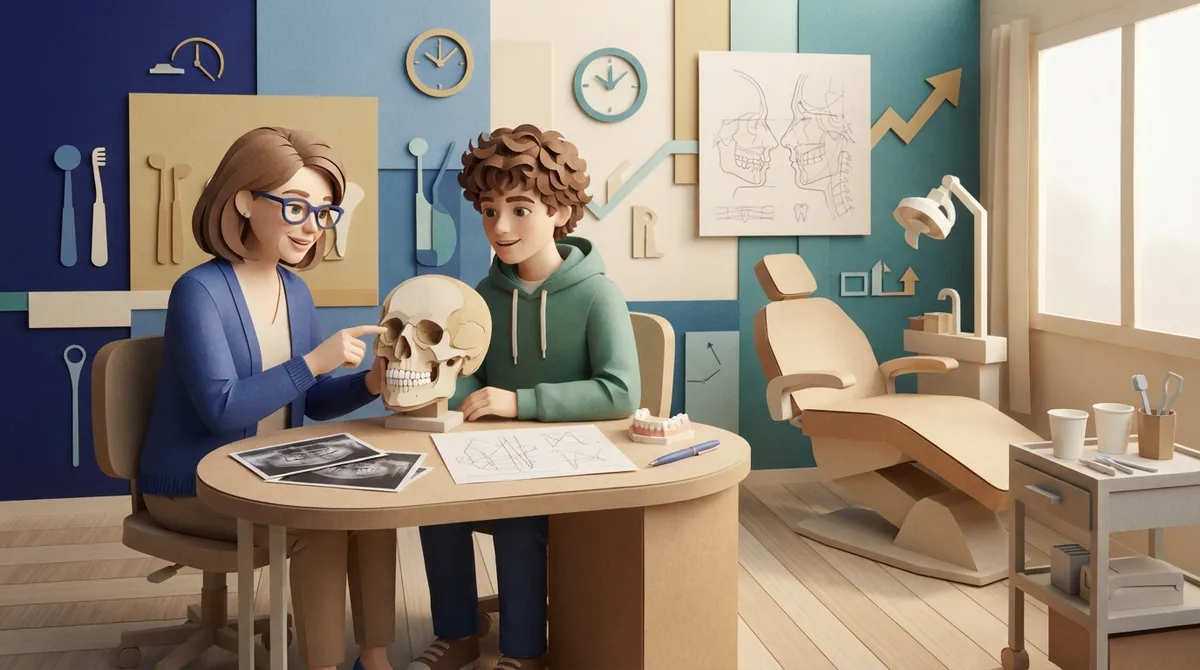
Questions About Diagnosis and Timing
1. Is My Teen Ready for Braces Right Now?
Timing depends on the individual. Braces are often considered once most or all permanent teeth have erupted, but every teen grows on their own schedule. Some teens benefit from starting now. Others may do better with monitoring first.
Ask your orthodontist to explain what they see in your teen’s bite, tooth alignment, and jaw growth. Also ask whether waiting would help or hurt. If your teen is still a bit younger, you may also like our guide on when teens should start orthodontic treatment.
2. What Exactly Is the Diagnosis?
You deserve a clear explanation. Is it crowding, gaps, an overbite, an underbite, or a crossbite? Does your teen’s jaw need attention too?
A great orthodontist will show you photos, scans, or X-rays and explain what each one means. Understanding the “why” behind treatment makes the whole process feel less mysterious. Curious about one common issue? Our article on how braces fix a deep overbite is a good place to start.
3. What Results Can We Realistically Expect?
This one is big. Ask what the treatment is meant to correct and what its limits are. Braces can do amazing things, but they cannot do everything. Your orthodontist should be honest about what is realistic.
Also ask about alternatives, including waiting or no treatment at all. A trustworthy provider will lay out all the options, not just one.
Questions About Treatment Options
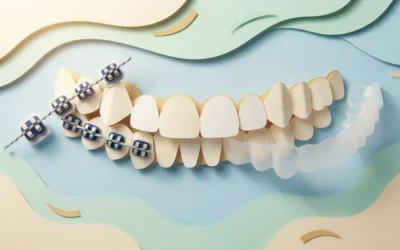
4. Which Type of Braces or Aligners Suits My Teen?
Teens today have choices. Not every option fits every patient, so this is a great conversation to have together. Here is a simple comparison:
| Option | How It Works | Good to Know |
|---|---|---|
| Metal braces | Fixed brackets and wires | Reliable for many cases, including complex ones |
| Ceramic (clear) braces | Fixed, tooth-colored brackets | Less noticeable, still need careful cleaning |
| Clear aligners | Removable, custom trays | Only works if worn as directed; not right for every case |
Case complexity, personal preference, and your teen’s ability to follow instructions all play a role. At our practice, we offer metal braces, ceramic braces, and Spark™ Clear Aligners, a more affordable alternative to Invisalign. You can read more in our guide to braces vs. clear aligners for kids.
5. Is My Teen Responsible Enough for Aligners?
Be honest with yourself here! Clear aligners need to be worn most of the day to work. If your teen tends to misplace things, fixed braces may be the better fit because they work around the clock without anyone remembering to put them in.
There is no wrong answer. The right choice is the one your teen can stick with. For more on teen braces in Clearwater, our team is always happy to talk it through.
Questions About Time and Cost
6. How Long Will Treatment Take?
Every case is different, but here are some helpful benchmarks. The NHS says fixed-brace treatment commonly lasts 1 to 2 years, with adjustment visits about every 6 to 8 weeks. The British Orthodontic Society also describes bite-improving treatment as commonly taking 1 to 2 years. Limited treatment of the front teeth may be shorter but gives more limited changes.
Ask your orthodontist:
- What is the estimated treatment time for my teen’s case?
- How often will we need visits?
- What could make treatment take longer?
Remember, these are estimates, not guarantees. Missed appointments, broken brackets, and poor appliance care can all stretch the timeline. For a deeper look, see how long braces take to work.
7. What Is the Total Cost, and What Does It Include?
Do not just ask for the price. Ask what the price covers. A complete estimate should spell out records, the appliance itself, routine visits, repairs, retainers, and follow-up care.
Here is a handy checklist of things to confirm:
- Are X-rays, scans, and the first visit included?
- Are broken brackets or lost items covered, or do they cost extra?
- Are retainers part of the fee?
- Is there a down payment, and what is the monthly amount?
Many families find that flexible plans make treatment manageable. You can learn more about financing and insurance options and how to use dental insurance to help pay for braces.
8. Will Insurance Help, and Are There Payment Plans?
Coverage varies a lot. Some plans cover part of orthodontic care, often with a lifetime maximum. Bring your insurance card and ask the office to check your benefits before you commit.
Also ask about payment arrangements. A good practice will happily walk you through your choices without pressure.
Questions About Daily Life with Braces
9. What Will My Teen Need to Do Every Day?
Braces work best as a team effort between the orthodontist and the patient. Ask for a clear list of daily responsibilities. These usually include:
- Brushing with fluoride toothpaste after meals
- Cleaning around brackets, wires, or aligners
- Flossing with special tools or threaders
- Wearing elastics or aligners exactly as directed
- Following food rules for fixed braces
Food rules matter more than many teens expect. Sticky, hard, and chewy snacks can break brackets and delay progress. Share our friendly food guide and our tips on how to brush teeth with braces with your teen so they know what to expect.
10. What Should We Do If Something Breaks or Hurts?
Teens are busy, active, and sometimes a little rough on their braces. It helps to know ahead of time what to do if a bracket pops off or a wire pokes. Ask what counts as an emergency and what can wait until the next visit.
Some soreness is normal after the braces go on and after adjustments. Ask what is typical and when to call. It also helps to know the difference between urgent and routine problems, which we cover in emergency vs. routine orthodontics.
Questions About Risks and Retention
11. What Are the Risks, and How Can We Prevent Problems?
Honest orthodontists talk about risks openly. Poor cleaning during treatment can contribute to tooth decay, gum problems, and permanent white or brown marks on the enamel. Discomfort and appliance breakage can also happen.
The good news is that most risks are very manageable with good habits. Ask your orthodontist:
- What cleaning tools do you recommend for my teen?
- How often should my teen see the regular dentist during treatment?
- What signs of trouble should we watch for at home?
Regular dental check-ups should continue alongside orthodontic visits. The American Dental Association offers helpful general oral health guidance for families, too.
12. What Happens After the Braces Come Off?
This question often gets skipped, and it is one of the most important. Teeth can shift after treatment, so retention is a must for protecting the results. Ask for a specific wear schedule and find out how retainers are cared for, repaired, and replaced.
Also ask whether the retainer is included in your treatment fee. Learn more about retainers and how to wear a retainer after braces. Think of the retainer as the final step that keeps your investment safe.
Bonus Tips for a Smooth First Visit
A little prep makes your consultation more productive. Try these simple steps:
- Write your questions down before you go
- Bring your teen and invite them to ask questions too
- Bring insurance information and a list of any health concerns
- Take notes on timelines, costs, and responsibilities
Want to know what to expect on day one? Check out your first visit and our guide to what to expect at your orthodontic consultation.
One more thing: trust your gut. You should feel heard, respected, and comfortable with the team. Our patient-first approach is something we are proud of, and you can see what local families say by checking our Brockway Orthodontics reviews on Google.
Choosing the Right Orthodontist in Clearwater
The best questions in the world work best when you ask them to the right person. Look for an orthodontic specialist who listens, explains clearly, and treats your teen like a whole person, not just a set of teeth.
Dr. Brockway takes time to understand each family’s concerns and goals. Our office uses modern tools such as digital impressions and 3D imaging, so your teen can skip the messy molds. In some cases, same-day treatment is even possible for busy families. You can learn more about our approach on our adolescent treatment page, or explore tips on how to choose the right orthodontist for teens.
The Florida Association of Orthodontists is also a handy resource for families who want to learn more about orthodontic care in our state.
Ready to Start the Conversation?
Braces are a big step, but they do not have to be a stressful one. With these 12 questions in hand, you are ready to make smart, confident choices for your teen’s smile. Remember, there are no silly questions. If it matters to you, it matters to us.
Ready to take the next step? Book your teen’s consultation online and let’s chat about their goals, your questions, and the best path forward. Have a question before you book? Feel free to contact our friendly team anytime. We cannot wait to meet your family!
FAQs
Q: When should a teenager get braces, and is it better to wait until all adult teeth have come in?
A: Timing is different for every teen. Braces are often considered once most or all permanent teeth have come in, but some teens benefit from earlier monitoring. Your orthodontist can look at your teen’s bite and jaw growth to recommend the best start date.
Q: How long do braces usually take for a teenager, and how often are appointments?
A: Fixed braces commonly last 1 to 2 years, with adjustment visits about every 6 to 8 weeks, according to NHS guidance. Your teen’s own timeline depends on their bite and how well they care for their braces, so ask for a personal estimate.
Q: What are the risks of braces, and how can my teen prevent cavities or white spots?
A: Poor cleaning can lead to cavities, gum problems, and permanent white or brown marks on enamel. Brushing with fluoride toothpaste, cleaning around brackets, avoiding sticky foods, and keeping up regular dental check-ups all help protect your teen’s teeth.
Q: How long will my teen need to wear a retainer after braces?
A: Teeth can shift after treatment, so retainers are an essential part of keeping the results. Your orthodontist will give you a specific wear schedule, and many patients are asked to wear retainers long term. Ask what the plan is before treatment even begins.
Q: What should we do if a bracket or wire breaks or braces cause pain?
A: Mild soreness is common after the braces go on or get adjusted. If a bracket or wire breaks, call your orthodontist’s office so they can tell you whether it needs a quick visit or can wait for the next appointment.
Our Service Area