Key Takeaways
-
An orthodontic check-up by age 7 is recommended by the AAO, and a first visit usually means a friendly exam and records rather than immediate braces.
-
Many bite differences are quiet, so watch for difficulty chewing, jaw shifting to one side when closing, crossbites, underbites, or uneven facial growth.
-
Persistent thumb- or finger-sucking after permanent teeth arrive can push front teeth forward or narrow the upper jaw, so address it if it lingers past the early years.
-
Early treatment is not needed for every child; after evaluation, the orthodontist may recommend starting treatment, monitoring every 6-12 months, or no treatment for now.
-
Some issues like certain underbites, crossbites, and severe crowding respond best while a child is still growing, and timing matters more than starting as early as possible.
-
Jaw growth slows in the teen years, and adults can still improve their bite by moving teeth, while retainers help prevent relapse after treatment.
If you have ever watched your child lose a tooth, grin wide, and wondered, “Is that jaw growing the right way?” you are in good company. Parents ask us about jaw growth and bite development all the time. It makes sense! A growing face changes fast, and it is hard to know what is normal and what deserves a closer look.
The good news is that many bite changes are simply part of growing up. Some need a little guidance, and some just need a watchful eye. This guide answers the most common questions about jaw growth and bite development in plain, friendly language. You will learn how jaws and teeth grow together, which signs are worth checking, and when to see an orthodontist.
Here at Brockway Orthodontics in Clearwater, we love helping families feel calm and informed. Let’s dive in.
What Is Jaw Growth and Bite Development?
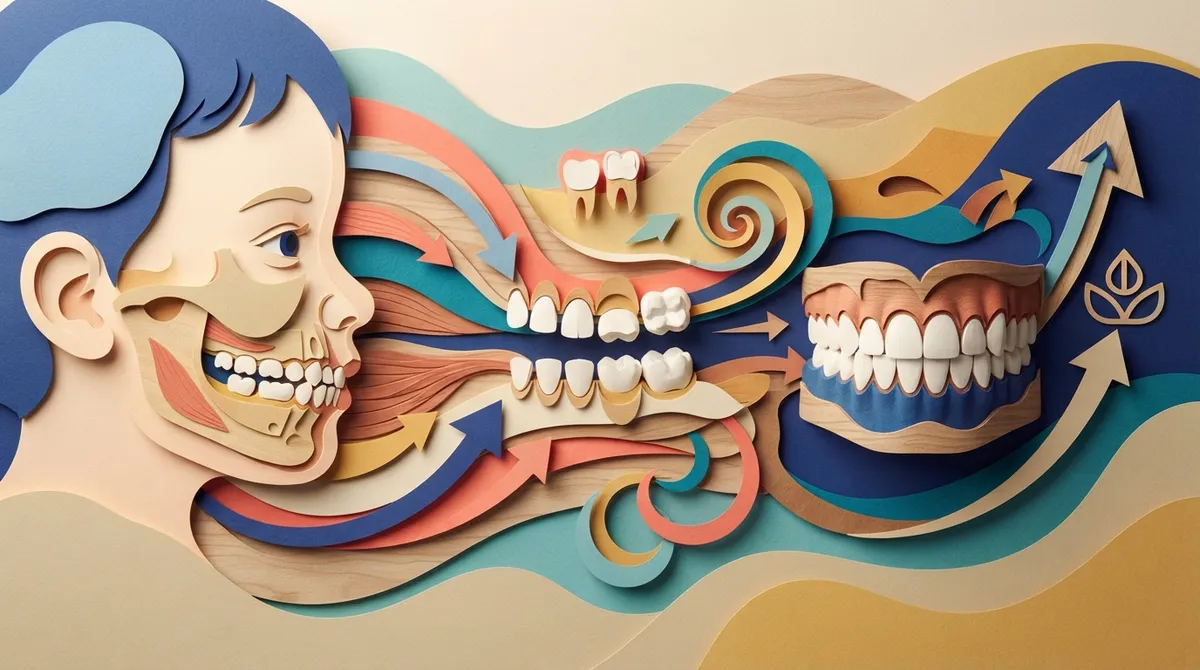
Jaw growth and bite development describe how the upper and lower jaws grow and how teeth come in and fit together. Two things are happening at once: skeletal growth (the size and position of the jaws) and dental development (how teeth erupt and meet).
An orthodontist looks at both. We check facial proportions, how the jaws relate to each other, tooth alignment, and how everything works when your child chews and speaks. So it is about much more than whether teeth look straight.
Why does the bite matter?
Your bite is how your upper and lower teeth meet when your mouth closes. A well-balanced bite helps with chewing, speaking, and keeping teeth healthy. When the jaws or teeth grow out of balance, it can lead to crowding, wear, or trouble biting and chewing.
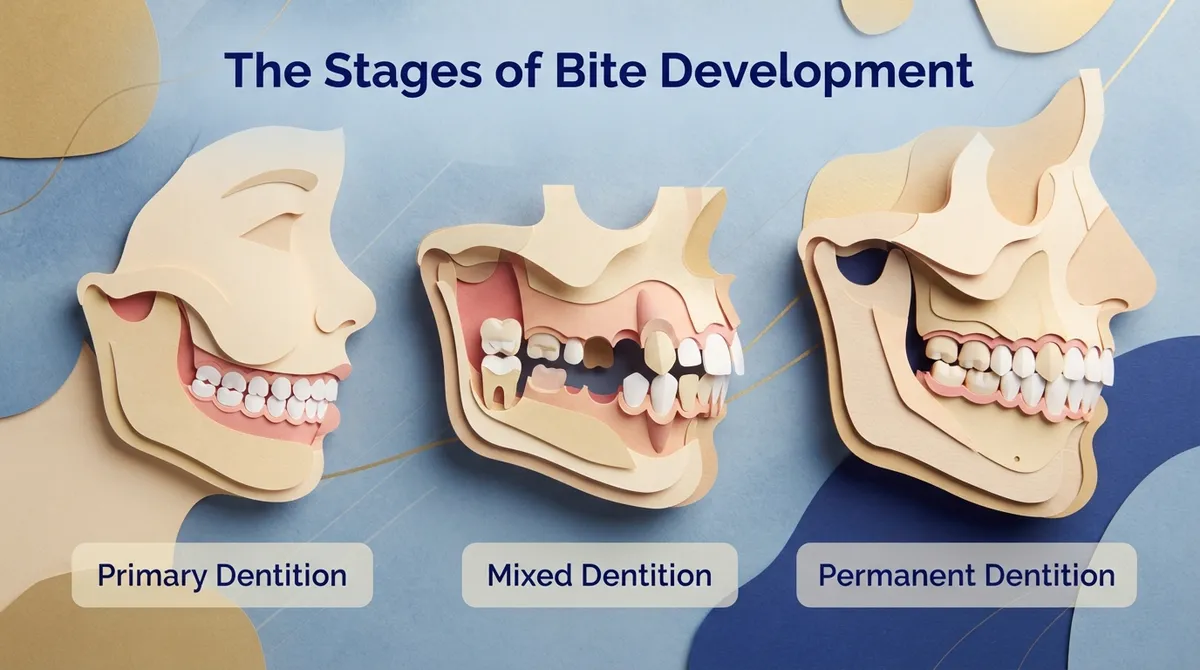
The Stages of Bite Development
Bites change a lot from baby teeth to adult teeth. Ages below are approximate, and every child grows on their own schedule.
| Stage | Typical Timing | What Is Happening |
|---|---|---|
| Primary (baby) teeth | First tooth around 6 months; full set by roughly ages 2–6 | Baby teeth erupt and hold space for adult teeth |
| Mixed dentition | Roughly ages 6–12 or 13 | Baby and adult teeth are both present; jaws grow quickly |
| Permanent dentition | Early teens onward | Adult teeth are in; jaw growth slows toward adulthood |
The mixed dentition stage is a big one. Because baby and adult teeth are both in the mouth, an orthodontist can often spot bite or jaw concerns early.
Questions About Jaw Growth and Bite Development Parents Ask Most
1. When should my child have a first orthodontic visit?
The American Association of Orthodontists (AAO) recommends an orthodontic check-up by age 7, or sooner if you notice a concern. At that age, there is usually a mix of baby and permanent teeth, which helps us see how things are developing.
A first visit does not mean braces. Most children simply get a friendly look, a few photos or scans, and clear answers. Our guide to when your child should first see an orthodontist explains more.
2. How can I tell if my child’s bite is developing normally?
You cannot always tell by looking, and that is okay. Many bite differences are quiet. Still, some signs are worth mentioning to a professional:
- Difficulty biting or chewing certain foods
- A jaw that shifts to one side when closing
- Upper and lower teeth that do not meet normally
- A pronounced underbite or crossbite
- Facial asymmetry that seems to be growing more noticeable
- Thumb- or finger-sucking that continues past the early years
These signs do not diagnose anything on their own. They are simply good reasons to book a visit. Our 9 signs your child needs braces is a helpful read too.
3. Can orthodontic treatment guide jaw growth?
Sometimes, yes. For selected patients who are still growing, certain appliances, such as palatal expanders, can help guide jaw development or create room for teeth. Results depend on the specific problem, the child’s growth stage, and how well they follow the plan.
An honest orthodontist will explain the likely benefits, the limits, the alternatives, and the chance that braces or aligners may still be needed later. If your child needs more room in the upper jaw, our post on the palatal expander walks through how it works.
4. Does every child need treatment at age 7?
Not at all! Early treatment is not necessary for every child. After an evaluation, an orthodontist may recommend one of three paths:
- Start treatment now if a problem is best corrected while growth is active.
- Monitor periodically as teeth and jaws develop.
- No treatment at this time if everything looks healthy.
Many families leave the first visit with peace of mind and a simple watch-and-wait plan. You can read more about early treatment on our site.
Common Bite Problems Explained
Bite terms can sound confusing, so here is a quick, friendly breakdown.
| Bite Type | What It Means | What Parents May Notice |
|---|---|---|
| Overbite | Upper front teeth overlap the lower teeth more than usual | Lower teeth hidden behind upper teeth |
| Underbite | Lower teeth sit in front of the upper teeth | Lower jaw looks pushed forward |
| Crossbite | Some upper teeth sit inside the lower teeth | Jaw may shift to one side when closing |
| Open bite | Front teeth do not touch when the mouth is closed | A gap between top and bottom teeth |
| Crowding | Not enough room for all the teeth | Twisted or overlapping teeth |
If you want a deeper look at a few of these, we have friendly guides on how braces fix a deep overbite, how to fix an underbite, and how crossbite correction works.
Which Bite Problems May Need Early Treatment?
Some issues respond best while a child is still growing. These may include:
- Certain underbites
- Crossbites and functional jaw shifts
- Severe crowding
- Harmful oral habits that affect teeth or jaw development
Whether early treatment makes sense depends on the diagnosis, the growth stage, the risks, and the expected benefit. The goal is to treat at the right time, not the earliest time. When timing is right, treatment can sometimes be simpler later. You can learn more in our article on why timing matters in early intervention orthodontics.
Can Habits Like Thumb-Sucking Affect the Jaws?
They can. Persistent thumb- or finger-sucking, especially as permanent teeth arrive, may affect how teeth erupt and how the jaws develop. It can push front teeth forward or narrow the upper jaw.
Most young children grow out of these habits on their own, so there is no need to panic. If the habit continues, a gentle conversation with your orthodontist can help. We never shame kids. We simply look for kind, practical ways to help.
How Often Should Bite Development Be Monitored?
The American Academy of Pediatric Dentistry (AAPD) recommends watching the developing teeth and bite during regular dental exams. Your family dentist plays a big role here. If a concern comes up, they may suggest an orthodontic visit.
If your orthodontist recommends monitoring, you may be invited back every six to twelve months, depending on your child’s needs. These quick growth checks keep small issues from turning into big surprises. And if you are curious how an orthodontist differs from a dentist, see orthodontist vs. dentist: which one do you actually need?
What Happens at a First Orthodontic Visit?
Parents are often nervous about the unknown, so here is what to expect:
- A friendly conversation. We ask about your child’s health, habits, and any concerns.
- A gentle exam. We look at the teeth, bite, jaw movement, and facial balance.
- Digital records. We use modern tools like digital impressions and 3D imaging instead of messy molds.
- A clear plan. We explain whether to treat, monitor, or simply keep smiling.
You can preview the experience on our Your First Visit page.
What About Teens and Adults?
Jaw growth slows as we age, but bite care does not stop mattering. Teens are often still growing, which can make this a great time for braces or clear aligners. Our adolescent treatment options include metal braces, ceramic braces, and Spark™ Clear Aligners, a more affordable alternative to Invisalign.
Adults can absolutely improve their bite too. Once growth is complete, treatment focuses on moving teeth rather than guiding jaws. Some adults who had braces years ago return because of relapse, and that is very common. Retainers help protect your results, so check out our guide to retainers. If you are an adult exploring options, our adult treatment page is a great place to start.
Why Families Choose Brockway Orthodontics
Dr. Brockway is a trusted orthodontist in Clearwater, Florida, and she truly listens. She takes time to understand your concerns, explain your options in easy language, and make sure you feel comfortable from the first hello. We care for the whole family, from kids to teens to adults, and we use modern technology to keep visits comfortable and precise. In some cases, we can even offer same-day treatment to fit busy schedules.
Want to hear from other families? You can visit us on Google — Brockway Orthodontics to read reviews and see what our Clearwater neighbors say.
Simple Tips to Support Healthy Jaw and Bite Development
- Keep up with regular dental visits so changes are caught early.
- Brush and floss daily to protect baby teeth, which hold space for adult teeth.
- Gently encourage your child to move on from thumb-sucking or pacifier habits.
- Offer a variety of healthy foods that need chewing.
- Mention concerns early. You know your child best.
Conclusion
Questions about jaw growth and bite development are completely normal, and asking them early is one of the kindest things you can do for your child’s smile. Remember, an evaluation at age 7 does not mean treatment. It simply gives you information, and that brings peace of mind.
If you would like friendly, honest answers about your child’s growing smile, book an appointment online or contact us to chat with our team. For general oral health guidance, the American Dental Association is another helpful resource, and you can find a specialist directory through the Florida Association of Orthodontists. We cannot wait to meet you!
FAQs
Q: When should my child have their first orthodontic evaluation?
A: The AAO recommends a first check-up by age 7, or earlier if you notice a concern. It is just a friendly look at how teeth and jaws are developing, and it does not mean your child will need treatment right away.
Q: Can thumb-sucking affect jaw growth or bite development?
A: It can, especially if the habit continues once permanent teeth start coming in. Persistent sucking may push front teeth forward or narrow the upper jaw, but most kids outgrow it, and an orthodontist can offer gentle tips if it lingers.
Q: Does every child need braces or early treatment?
A: Not at all! After an evaluation, your orthodontist may recommend treatment, periodic monitoring, or no treatment for now. Many children just need a watchful eye as their teeth and jaws grow.
Q: What is the difference between an overbite, underbite, and crossbite?
A: An overbite means the upper front teeth overlap the lower teeth more than usual. An underbite means the lower teeth sit in front of the uppers, and a crossbite means some upper teeth sit inside the lower teeth, sometimes causing the jaw to shift.
Q: How often should a child’s bite and tooth eruption be monitored?
A: Your family dentist should check development at regular exams, and your orthodontist may suggest visits every six to twelve months if they want to monitor growth. The exact schedule depends on your child’s needs.
Our Service Area