Key Takeaways
-
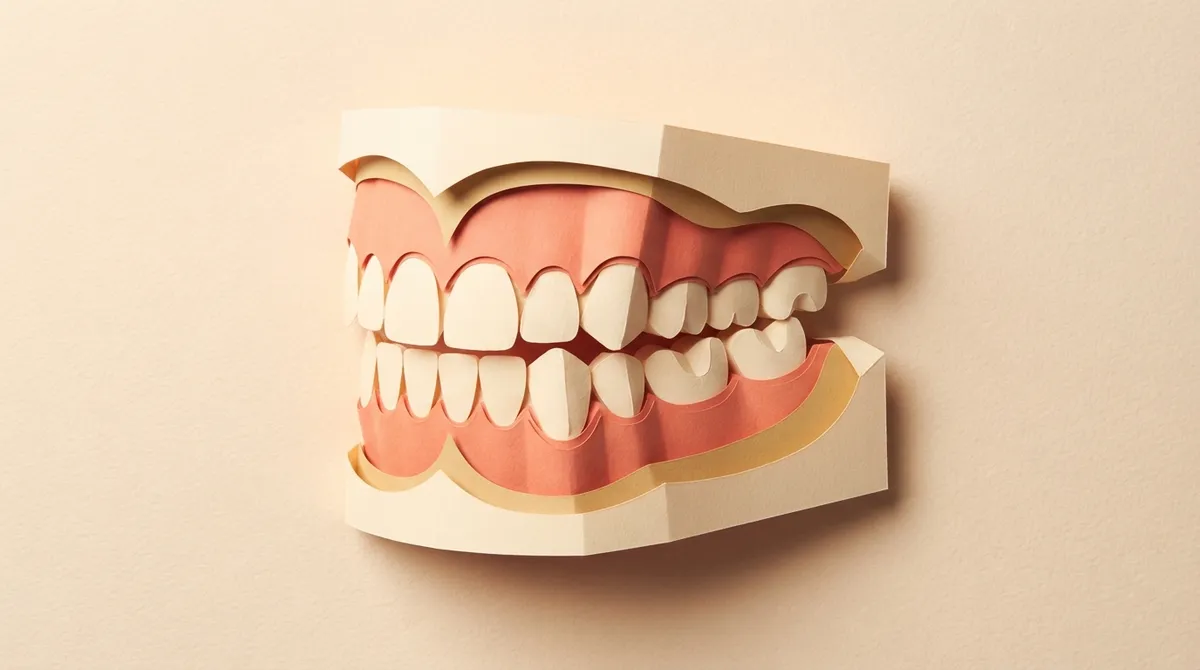
Tooth position affects how upper and lower teeth contact in three directions: front to back, up and down, and side to side, so a bite problem can come from tooth position, jaw relationship, or both.
-
Overjet measures how far upper front teeth stick out horizontally, while deep bite measures how much they cover lower teeth vertically; you can have one, the other, or both.
-
An open bite, where front teeth don't touch when back teeth close, can change how food is bitten and sometimes how certain sounds are made.
-
A crossbite can cause the jaw to shift to one side when closing, which is why it is worth checking early.
-
Crowding and spacing both change where teeth touch, and a common or visible irregularity does not automatically mean treatment is necessary; a personal orthodontic exam is the best way to decide.
-
A first orthodontic checkup around age 7 can spot developing bite patterns early, and wearing retainers as directed helps prevent teeth from shifting back after treatment.
Have you ever closed your mouth and thought, “Hmm, that feels a little off”? Maybe your top front teeth stick out a bit. Maybe one side bites differently than the other. You’re far from alone, and the reason often comes down to where each tooth sits in your mouth.
Tooth position shapes how your upper and lower teeth touch each time you close. That touch point affects how you chew, how your smile looks, and how your teeth wear over time. In this friendly guide, we’ll walk through how tooth position affects the way teeth meet, the common bite patterns you may notice, and what an orthodontist looks for during an exam.
Whether you’re a parent wondering about your child’s smile, a teen planning for a big milestone, or an adult thinking about treatment (or retreatment), you’ll find clear answers here. And remember, not every uneven bite needs correction. The goal is understanding, not worry.
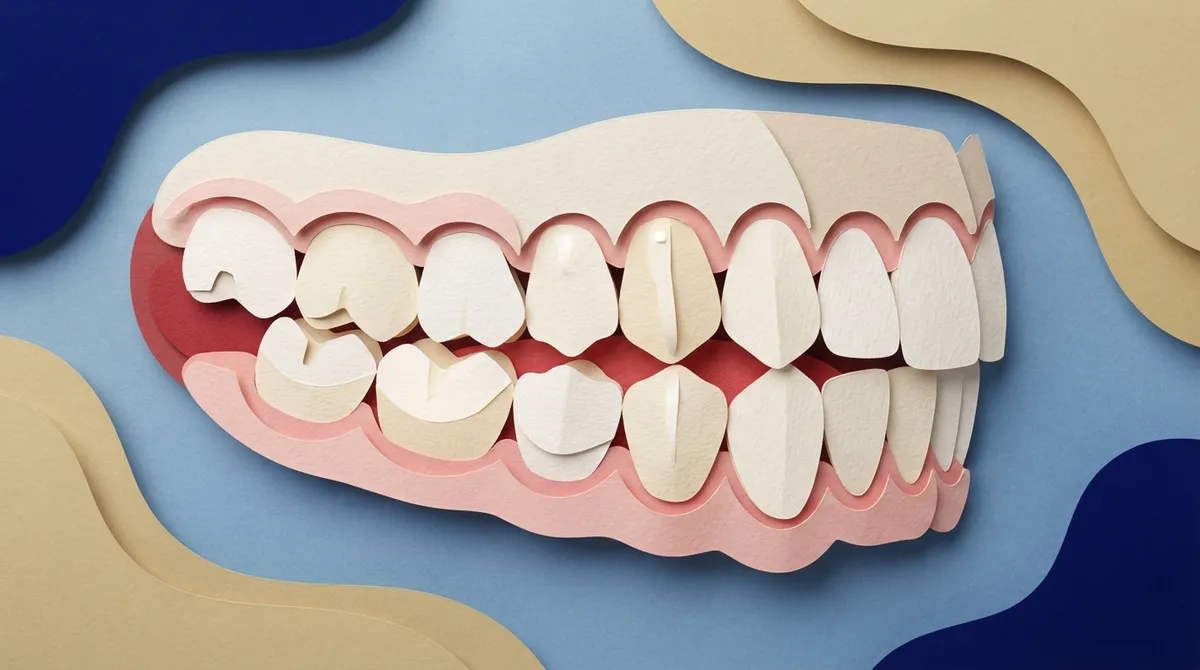
What Does It Mean When Teeth Meet Properly?
In orthodontics, the way your upper and lower teeth fit together is called occlusion. When people say a bite is “healthy,” they mean the teeth meet in a way that works well for chewing, speaking, and comfort. Looks matter too, but function comes first.
Malocclusion simply means the teeth do not fit together as intended. It’s a very common thing. A 2023 review in the European Journal of Orthodontics cited estimates that about 70% of children and adolescents have some degree of malocclusion. Roughly 35% to 45% have a more severe pattern that may call for orthodontic care. Those are broad estimates, not a rule for every person.
So if your bite isn’t picture-perfect, take a breath. Many people have small differences and do just fine. An orthodontist can tell you whether yours is worth treating.
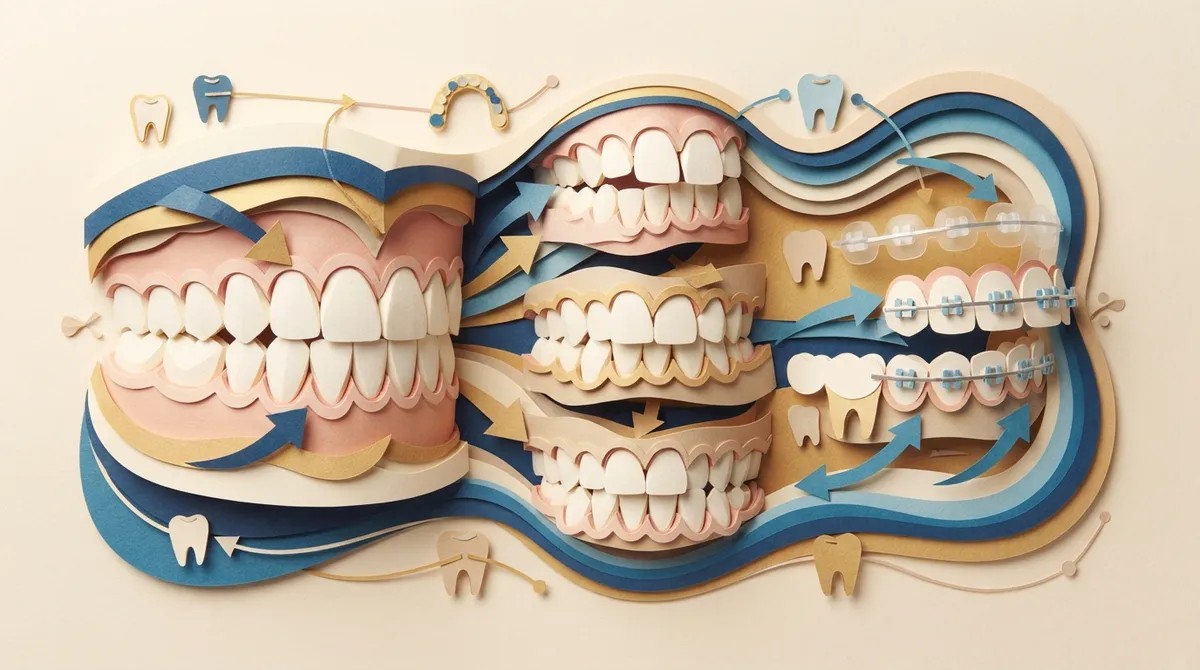
How Tooth Position Changes the Way Teeth Meet
Think of your two dental arches like two puzzle pieces. If a few pieces sit a little too far forward, back, or sideways, the whole puzzle stops fitting smoothly. Tooth position affects contact between the arches in three directions:
- Front to back (sagittal): Do the upper teeth sit too far ahead of the lower teeth, or the other way around?
- Up and down (vertical): Do the top teeth cover too much of the bottom teeth, or too little?
- Side to side (transverse): Do the upper teeth sit slightly outside the lower teeth, as they should, or inside them?
Here’s an important point. A bite problem may come from tooth position, from the jaw relationship, or from both. That’s why straight-looking teeth don’t always mean a perfect bite. And crooked teeth don’t always mean a bad one. An orthodontist looks past the surface to find the real cause.
Common Bite Patterns Linked to Tooth Position
Let’s look at the most common patterns. You may recognize one in your own smile or your child’s.
| Bite Pattern | What Happens | How It Looks |
|---|---|---|
| Overjet | Upper front teeth stick out too far horizontally | A gap between upper and lower front teeth when biting |
| Deep bite | Upper front teeth cover too much of the lower teeth vertically | Lower front teeth may be hidden behind the upper ones |
| Open bite | Front teeth do not touch when the back teeth close | A visible gap between upper and lower front teeth |
| Crossbite | Some upper teeth bite inside the lower teeth | Upper teeth sit behind lower teeth on one or both sides |
| Crowding | Teeth lack room and overlap or twist | Crooked or tilted teeth that change contact points |
| Spacing | Extra room between teeth | Gaps that can shift how nearby teeth touch |
Overjet and Deep Bite
These two get mixed up a lot. Overjet is about distance, how far the upper front teeth sit in front of the lower ones. Deep bite is about overlap, how much the upper teeth cover the lower ones from above. You can have one without the other, or both together.
If you’d like a closer look at one common example, our guide on how braces fix a deep overbite explains the process in plain language.
Open Bite
With an open bite, the front teeth don’t touch even when the back teeth are closed. This can change how food is bitten and sometimes how certain sounds are made. Causes may include tooth position, jaw growth, or long-term oral habits. We cover treatment ideas in our article on open bite treatment options.
Crossbite
In a crossbite, one or more upper teeth bite inside the lower teeth instead of just outside them. Sometimes a crossbite also makes the jaw shift to one side when you close. That shift is called a functional shift, and it’s one reason crossbites are worth checking early. Learn more about how crossbite correction works.
Crowding and Spacing
Crowded teeth can tilt, twist, or overlap. When that happens, the teeth touch at the wrong spots. Spacing does the opposite. Extra room lets teeth drift, which can also change contact. Our guides on crowded teeth treatment options and teeth spacing causes and treatments go deeper on each.
Teeth vs. Jaws: Understanding Angle Classes
You may hear your orthodontist mention “Class I, II, or III.” These labels describe how your first molars and dental arches relate to each other front to back. They are not a full diagnosis of every tooth.
- Class I: The molars line up in a typical relationship. You can still have crowding, spacing, open bite, deep bite, or crossbite with a Class I bite.
- Class II: The lower arch sits further back relative to the upper arch.
- Class III: The lower arch sits further forward relative to the upper arch.
A 2023 systematic review of 13,271 people in Turkey reported pooled estimates of about 56% Class I, 31% Class II, and 11% Class III. The authors noted that the samples came largely from universities and dental clinics, so these numbers shouldn’t be applied to every group. Still, they show how common each pattern is.
What Causes Teeth to Sit Out of Position?
There’s rarely one single cause. Here are the most common contributors:
- Inherited traits. Tooth size and jaw size are often passed down in families. A large set of teeth in a small jaw can lead to crowding.
- Eruption and tooth loss patterns. Baby teeth lost early or late, or adult teeth that come in off course, can change where neighboring teeth settle.
- Oral habits. Long-term habits such as thumb sucking or tongue thrusting may influence tooth position and bite.
- Jaw growth differences. Some bite issues are mostly dental, some are skeletal (about the jaws), and some are a mix of both.
None of these are anyone’s fault. They’re simply how bodies grow and develop. For children, early treatment can sometimes guide growth while a child’s mouth is still developing.
Why Bite Matters Beyond Looks
A smile that looks great is wonderful. But a bite that works well matters too. Depending on the pattern, a malocclusion may affect:
- Biting and chewing comfort
- Tooth wear or chipping in certain spots
- How easy it is to clean between and around teeth
- Confidence when smiling
The same 2023 review found that malocclusion in adolescents was associated with a negative impact on oral-health-related quality of life. Prevalence estimates across studies ranged from 24% to 79%, depending on the population and how bites were measured.
Here’s the balanced part. The impact varies a lot from person to person. A common or visible irregularity doesn’t automatically mean treatment is necessary. That’s why a personal exam beats guesswork every time.
How an Orthodontist Checks How Your Teeth Meet
During an orthodontic exam, your orthodontist looks at the whole picture. Here’s a typical flow:
- Health check. They look at your teeth and gums to make sure the foundation is healthy.
- Alignment review. They study how each tooth is positioned and how the arches fit together.
- Bite assessment. They check overjet, overlap, side-to-side fit, and whether your jaw shifts when you close.
- Face and jaw proportions. They consider how your teeth relate to your jaws and facial balance.
- Imaging and records. Photos, scans, or X-rays help create a clear plan.
Want to know what to expect on the big day? Take a peek at what to expect during your orthodontic exam or our first visit page.
Treatment Options for Bite and Tooth Position Concerns
The right option depends on your diagnosis, your age, and your goals. Here’s a quick comparison of common paths:
| Option | Best For | Good to Know |
|---|---|---|
| Metal or ceramic braces | Many bite types, including more complex tooth movements | Ceramic (clear) braces blend in more; metal braces are a classic, reliable choice |
| Clear aligners | Mild to moderate alignment and some bite concerns | Removable and discreet; success depends on wearing them as directed |
| Growth-stage care | Children and teens with developing jaws | Timing matters, so earlier evaluation can help |
At Brockway Orthodontics in Clearwater, Florida, we offer braces in metal and ceramic styles, plus Spark™ Clear Aligners, a more affordable alternative to Invisalign. Dr. Brockway takes time to listen to your goals and explain your options in easy-to-understand terms. We also use digital impressions and 3D imaging, so there are no messy molds, and in certain cases we can offer same-day treatments for busy families.
Not sure which path fits? Our comparison of clear aligners vs. braces can help you think it through.
Tooth Position Questions for Every Stage of Life
For Parents of Kids and Teens
Kids’ mouths change fast. Baby teeth fall out, adult teeth arrive, and jaws keep growing. A checkup around age 7 can spot bite patterns early, even if treatment comes later. Learn more about our adolescent treatment and orthodontics for kids.
For Teens and Young Adults
Big events like graduation or prom can be great motivators. The good news is that modern options are more discreet than ever. Clear aligners and ceramic braces are popular picks for teens who want a lower-profile look.
For Adults and Relapse Patients
It’s never too late. Many adults seek care for the first time, and others return after teeth shifted following earlier treatment. Relapse is common when retainers aren’t worn as directed. Our adult treatment options and retainer guidance can help you protect your results.
For Health-Conscious Patients
If you have gum concerns or complex dental needs, a customized plan matters even more. Proper tooth position can make cleaning easier, and your orthodontist can coordinate with your dentist for a plan that supports your whole mouth.
Simple Habits to Support a Healthy Bite
- Keep regular dental and orthodontic checkups, even when things feel fine.
- Tell your orthodontist if your jaw clicks, shifts, or feels sore when you close.
- Wear retainers exactly as directed after treatment.
- Ask about habits like thumb sucking, nail biting, or clenching, since they may affect tooth position.
For trusted general oral health information, the American Dental Association is a helpful resource. You can also find professional listings through the Florida Association of Orthodontists. And if you like keeping up with smile tips and patient stories, follow Brockway Orthodontics on Instagram.
Ready to Learn How Your Teeth Fit Together?
Understanding how tooth position affects the way teeth meet is the first step toward a smile that feels as good as it looks. Every bite is different, and your orthodontist can tell you if yours needs attention, and when the best time to act would be.
At Brockway Orthodontics, we love helping families across Clearwater feel confident about their smiles. Curious how your bite measures up? Book your free consultation online and meet our friendly team. You can also contact us with any questions, or see what our Brockway Orthodontics patients say on Google. We can’t wait to meet you!
FAQs
Q: What does it mean when your teeth do not meet properly?
A: It means your upper and lower teeth don’t fit together the way they’re meant to when your mouth closes. That’s called malocclusion, and it’s very common. The cause can be tooth position, jaw position, or a mix of both, so an orthodontist can help you figure out which one applies to you.
Q: How do overbite, overjet, and deep bite differ?
A: Overjet is how far the upper front teeth stick out horizontally past the lower ones. Deep bite (often called a deep overbite) is how much the upper front teeth cover the lower ones vertically. They sound alike, but they measure two different directions, and you can have one, the other, or both.
Q: Can crooked or crowded teeth change how the upper and lower teeth meet?
A: Yes, they can! When teeth twist, tilt, or overlap, they touch the opposite teeth at the wrong spots. Spacing can do something similar, since teeth with extra room may drift. An orthodontist can tell you if the changes in contact are worth correcting.
Q: Can a bad bite affect chewing, tooth wear, or gum health?
A: Sometimes, yes. Certain bite patterns may make chewing less comfortable, cause extra wear in certain spots, or make cleaning harder. The effect varies from person to person, and a common bite irregularity doesn’t automatically mean treatment is needed.
Q: When should a child or adult see an orthodontist about how their teeth meet?
A: A first checkup around age 7 is a great time for kids, since an orthodontist can spot developing bite patterns early. Adults can come in anytime, especially if they notice jaw shifting, uneven wear, or teeth that moved after past treatment. Your orthodontist will tell you whether and when treatment makes sense.
Our Service Area