Key Takeaways
-
The American Association of Orthodontists recommends a first orthodontic check-up by age 7, even if no treatment is needed right away, so issues can be monitored early.
-
A referral is not required to see an orthodontist; you can book a bite evaluation directly, though your dentist can also refer you if they notice a concern.
-
A bite evaluation checks how upper and lower teeth meet, how jaws line up, and whether crowding or spacing is likely to worsen, helping decide between treatment, monitoring, or no action.
-
Warning signs worth raising with an orthodontist include difficulty chewing, teeth that don't meet evenly, frequent cheek or tongue biting, a jaw that shifts when closing, and early or late baby tooth loss.
-
X-rays and 3D imaging are used only when clinically helpful for diagnosis, while digital scans and photos are commonly used as comfortable alternatives to messy molds.
-
Costs vary by office, so ask whether the consultation is complimentary, whether imaging is included, and what payment options exist if treatment is recommended.
Have you ever noticed your teeth don’t quite line up when you close your mouth? Maybe your child bites their cheek a lot, or your jaw clicks when you chew. These little things can feel minor, but they sometimes point to a bigger story about how your teeth and jaws fit together. That is exactly what a bite evaluation in Clearwater is designed to uncover.
The good news? A bite evaluation is simple, friendly, and nothing to be nervous about. Think of it like a checkup for your smile’s foundation. An orthodontist looks at how your teeth meet, how your jaws relate, and whether anything needs attention now or just a watchful eye later.
Whether you are a parent wondering about your 7-year-old, a teen planning for a big milestone, or an adult who has put off getting answers, this guide walks you through what to expect. At Brockway Orthodontics, we love helping families feel informed and comfortable from the very first visit. Let’s dive in!
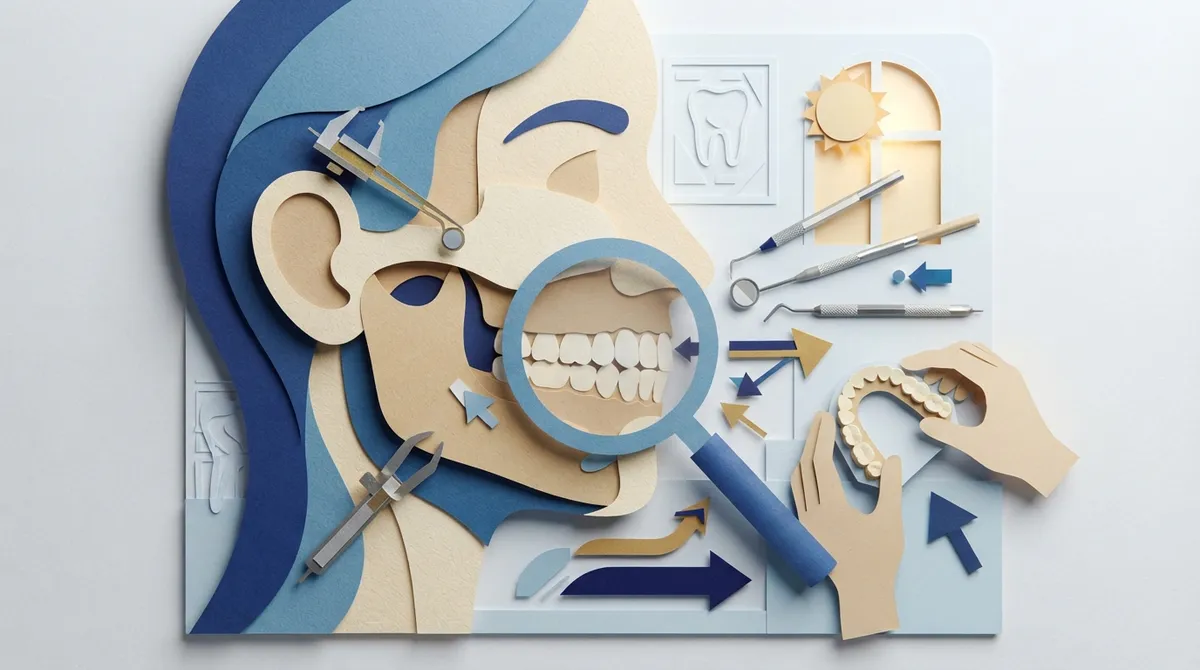
What Is a Bite Evaluation, Exactly?
A bite evaluation is an orthodontic assessment of how your upper and lower teeth fit together. It also looks at how your jaws line up and how each tooth is positioned. Orthodontists use it to spot problems early and decide whether treatment, monitoring, or nothing at all is the best next step.
It is not a sales pitch or a commitment. It is simply a chance to get clear answers. Many people are surprised to learn that a “bad bite” is very common, and that it is not always obvious in the mirror.
A bite evaluation helps answer questions like:
- Do my teeth meet evenly when I close my mouth?
- Is my jaw growing in a healthy direction?
- Are crowded or spaced teeth likely to get worse?
- Would braces, clear aligners, or simple monitoring be the best fit?
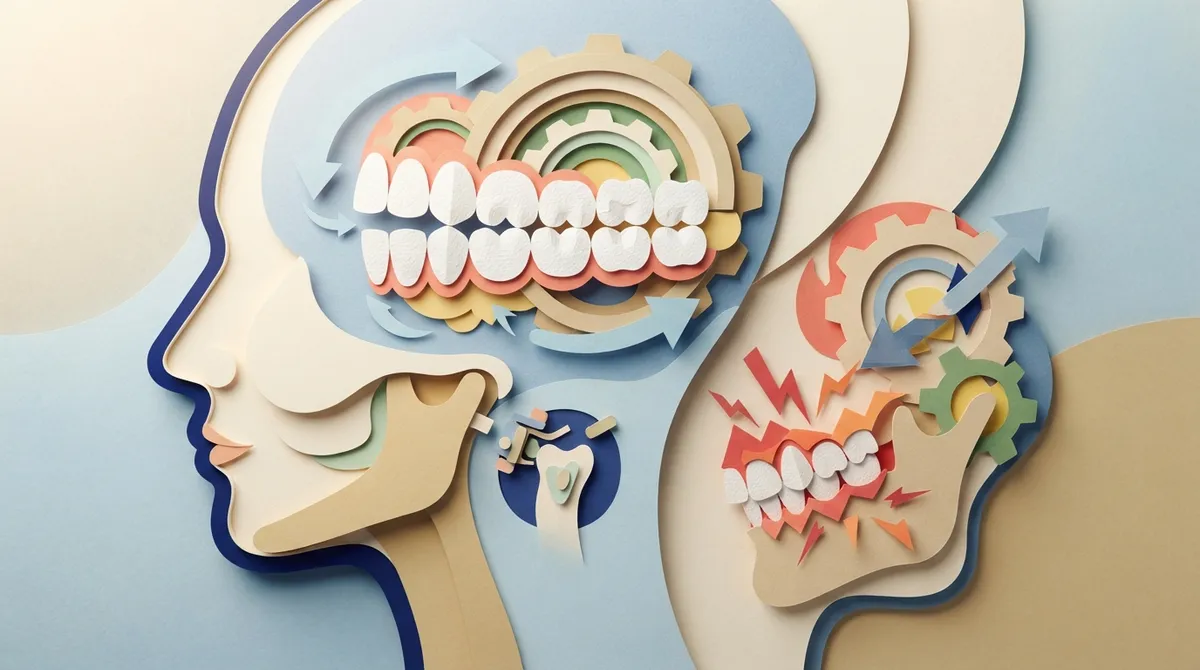
Why Does Your Bite Matter?
Your bite affects more than how your smile looks. It plays a role in how you chew, speak, and clean your teeth. When teeth do not meet well, some people notice trouble biting into food, uneven wear on certain teeth, or a jaw that feels tired.
Crowded teeth can also be harder to brush and floss. That can make it easier for plaque to build up in tight spots. Straighter teeth and a balanced bite often make daily care easier, which is a win for long-term oral health.
Of course, confidence counts too. Many of our teen and adult patients tell us they simply want to smile without thinking twice. A good bite and a straight smile can help with both comfort and confidence.
Common Bite Problems an Orthodontist Looks For
During a bite evaluation in Clearwater, your orthodontist checks for several common bite and alignment concerns. Each one has a different look and a different cause. Sometimes the cause is tooth position, sometimes it is jaw growth, and sometimes it is both.
| Bite Concern | What It Means | What You Might Notice |
|---|---|---|
| Overbite | Upper front teeth sit too far forward or overlap the lower teeth | Upper teeth look prominent; lower teeth may be hidden |
| Underbite | Lower teeth sit in front of the upper teeth | Lower jaw appears to jut forward |
| Crossbite | Some upper teeth fit inside the lower teeth | Uneven bite; jaw may shift when closing |
| Open bite | Front teeth do not touch when the back teeth close | Gap between top and bottom teeth; trouble biting some foods |
| Crowding | Not enough room for teeth in the jaw | Overlapping or twisted teeth |
| Spacing | Extra room between teeth | Visible gaps |
Want to learn more about a specific concern? Our guides on how braces fix a deep overbite, underbite correction options, and how crossbite correction works go into more detail.
What Happens at Your Visit? A Step-by-Step Look
Every practice runs a little differently, but most bite evaluations follow a similar flow. Here is what you can generally expect:
- A friendly welcome and health review. You will share your dental and medical history, along with any concerns or goals you have for your smile.
- A close look at your teeth and bite. The orthodontist checks how your teeth meet, how your jaws line up, and how your teeth are positioned.
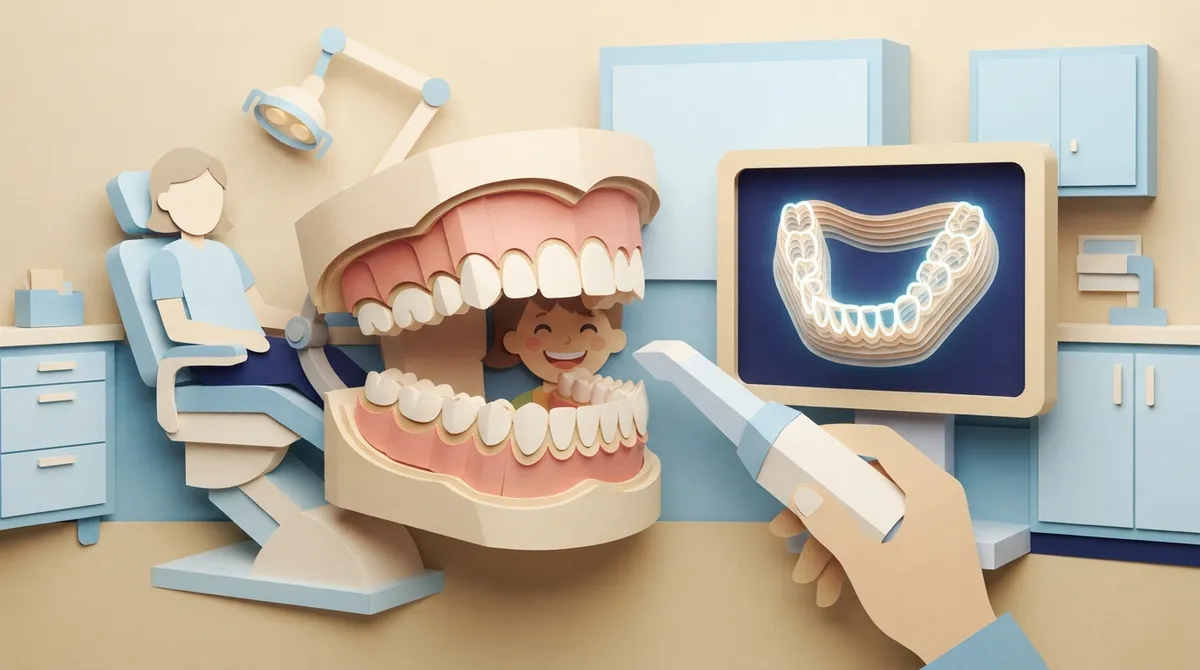
- Photos or digital scans. Many offices use photos or digital scans to record your teeth. Digital scans are comfortable and skip the goopy molds.
- X-rays or imaging when needed. Not everyone needs imaging, but it can help show tooth roots, jaw growth, and teeth that have not come in yet. Some practices offer 3D imaging, which is helpful in certain cases.
- A clear conversation. You will talk about what was found, what your options are, and what a realistic plan might look like.
That last step is the most important one. A good consultation should explain the diagnosis, the possible treatments, the expected timeline, the costs, and the follow-up visits. It should not promise a specific result. To get a feel for the process, see what to expect at your first visit or read our guide to what happens during an orthodontic exam.
When Should Kids Have Their First Bite Evaluation?
The American Association of Orthodontists recommends a first orthodontic check-up by age 7. That surprises a lot of parents! Here is the reassuring part: an early evaluation does not mean your child needs braces right away.
At age 7, a mix of baby and adult teeth is coming in. This gives an orthodontist a helpful window into how the jaws and teeth are developing. In many cases, the answer is simply, “Everything looks great, let’s keep an eye on it.”
In other cases, catching a concern early gives us more options. Growth-guidance appliances, for example, can sometimes help guide jaw development while a child is still growing. Learn more about early treatment and when your child should first see an orthodontist.
Signs It May Be Time for a Check-Up
Not sure whether to book a visit? These signs may be worth mentioning to an orthodontist:
- Difficulty biting or chewing certain foods
- Teeth that do not meet evenly
- Noticeable crowding or spacing
- Frequent cheek or tongue biting
- A jaw that shifts when closing
- Early or late loss of baby teeth
If any of these sound familiar, a quick evaluation can bring peace of mind. Our list of 9 signs your child needs braces is another handy resource for parents.
Bite Evaluations for Teens, Adults, and Retreatment Patients
Bite evaluations are not just for little ones. Teens often come in as their permanent teeth settle, and it is a great time to plan treatment around school events and sports. We have a whole page on adolescent treatment if you want to explore options.
Adults are welcome too, and many are surprised at how many choices they have. If you are a busy professional, you may love the idea of a discreet option that fits your schedule. Take a peek at our adult treatment page or read why so many adults are getting orthodontic treatment in 2026.
Had braces years ago and noticed your teeth shifting? You are not alone. Relapse is common, especially if a retainer was not worn as directed. A bite evaluation can show what has changed and whether retreatment makes sense. Our guide to retainers explains how to protect your results the next time around.
Do You Need X-Rays or 3D Scans?
This is one of the most common questions we hear. The honest answer is: it depends. X-rays and imaging are used when they will help with diagnosis, not as a one-size-fits-all rule.
Here is a quick way to think about it:
| Tool | What It Helps Show | Always Needed? |
|---|---|---|
| Photos | Smile, face, and tooth position | Often used |
| Digital scan | A 3D model of your teeth without messy molds | Often used |
| X-rays | Tooth roots, jaw growth, unerupted teeth | Only when clinically appropriate |
| 3D imaging | Detailed view of teeth and jaw structure | Not for every patient |
Your orthodontist will explain why a tool is recommended for you. If you ever wonder, just ask. A great practice is happy to explain every step.
What Treatment Options Might Come Next?
After your evaluation, there are a few possible paths. The right one depends on your bite, your age, how your teeth are developing, and what you hope to achieve.
- Observation. Sometimes the best plan is to monitor growth and revisit in six to twelve months.
- Growth-guidance appliances. These can help guide jaw development in growing kids.
- Braces. Traditional metal or ceramic braces are a trusted, effective option for many bite concerns. Learn more in All About Braces.
- Clear aligners. Spark™ Clear Aligners are a nearly invisible, more affordable alternative to Invisalign for many patients.
Not sure which is better? Our friendly comparison of clear aligners vs. braces can help you think it through. Keep in mind that some bite problems are better suited to braces, while others respond well to aligners. Your orthodontist will recommend what fits your situation.
Do You Need a Referral, and Should You See a Dentist or Orthodontist?
Great question! Your family dentist is wonderful for checkups, cleanings, and cavities. An orthodontist is a specialist who focuses on tooth alignment and jaw relationships. If you have a bite concern, an orthodontist is the right person to see.
The best part is that the American Association of Orthodontists says a referral is not required to see an orthodontist. You can simply schedule a visit. Your dentist can also refer you if they notice something, and they are a great partner in your care. If you are still deciding, read why see an orthodontist vs. a dentist and why you do not need a referral.
How Much Does a Bite Evaluation Cost?
Costs and policies vary from office to office. Some practices offer complimentary consultations, while others charge a fee, and imaging protocols can differ too. The best move is to ask directly when you call.
If treatment is recommended, you will want to understand the full picture, including payment options. We keep things clear and flexible so families can plan with confidence. You can explore financing and insurance options, and you can also review our orthodontic consultation in Clearwater to see how we approach that first visit.
Tips to Get the Most From Your Bite Evaluation
A little preparation can make your visit even more helpful. Here are some easy ways to get ready:
- Write down your questions. Concerns about speech, chewing, or appearance are all worth mentioning.
- Bring dental records if you have them. Recent X-rays or notes from your dentist can be useful.
- Share your history. Mention past orthodontic work, thumb-sucking, jaw pain, or injuries.
- Think about your goals. Do you want a faster plan, a more discreet option, or the most budget-friendly path?
- Bring a family member. A second set of ears can help you remember the details.
For more ideas, check out how to prepare for your first orthodontist consultation.
Why Families Choose Brockway Orthodontics for Bite Evaluations
Choosing an orthodontist is a big decision, and we are honored when families trust us with it. Dr. Brockway takes time to listen to your concerns and dreams for your smile. She explains things in plain, friendly language so you always know what to expect.
We offer care for the whole family, from kids and teens to adults, with metal braces, ceramic braces, and Spark™ Clear Aligners. Our office uses modern technology, including digital impressions and 3D imaging when it is helpful, to make your experience comfortable and precise. In certain cases, we can even offer same-day treatment to fit your busy life.
Curious about our space? Take a look at our office, or see what patients are saying by reading reviews and visiting Brockway Orthodontics on Google. For broader information about oral health and orthodontic care in the state, the Florida Association of Orthodontists and the American Dental Association are both trusted resources.
Ready to Take the Next Step?
A bite evaluation is one of the simplest ways to get real answers about your smile or your child’s. You might learn that everything is on track, or you might discover a plan that sets you up for a lifetime of healthy, confident smiles. Either way, you will walk out knowing more than when you walked in.
If you are ready, book your appointment online and let our friendly team guide you. Prefer to chat first? You can always contact us with your questions. We cannot wait to meet you!
FAQs
Q: What happens during a bite evaluation at an orthodontist in Clearwater?
A: Your orthodontist reviews your dental and medical history, examines how your teeth and jaws fit together, and may take photos or digital scans. X-rays are used only when they are clinically helpful. You will then talk through the findings and your options in a friendly, no-pressure way.
Q: At what age should my child have a bite evaluation?
A: The American Association of Orthodontists recommends a first orthodontic check-up by age 7. That does not mean your child needs braces then. It simply gives the orthodontist a chance to monitor growth and step in early only if it helps.
Q: Can adults get a bite evaluation and orthodontic treatment?
A: Absolutely! Adults of all ages can have a bite evaluation, and many choose braces or clear aligners to improve both comfort and appearance. It is never too late to ask questions about your smile.
Q: Do I need a dentist’s referral to schedule a bite evaluation?
A: No, a referral is not required to see an orthodontist. You can book directly, and your dentist is still a great partner if they have noticed anything about your bite.
Q: How much does a bite evaluation cost in Clearwater?
A: Fees and policies vary by office, and some practices offer complimentary consultations. The best approach is to call and ask what is included, whether imaging is part of the visit, and what payment options are available if treatment is recommended.
Our Service Area