Key Takeaways
-
Keeping every scheduled progress visit is the most important step, since it lets the orthodontist track tooth movement and catch small issues early; reschedule conflicts by calling the office early.
-
Do a quick weekly mouth check in good light for white chalky spots, red or bleeding gums, stuck food, or bent wires, and photograph anything unusual to share with the team.
-
Never try to bend, cut, or repair a loose bracket, poking wire, or cracked aligner at home; call the office, and use orthodontic wax for comfort if a wire is poking.
-
Remote photo or scan check-ins can supplement care but do not replace in-person exams, so always follow the orthodontist's schedule even when things look good at home.
If your child is getting braces or aligners, you probably have a lot of questions. How do you know if things are going well? What should you check at home? When should you call the office? You are not alone. Many parents in Clearwater and beyond ask these same things every week.
Here is the good news. You do not need a dental degree to be a great teammate. Orthodontic monitoring is a clinical process, and your orthodontist leads it. But your support at home makes a real difference. In this guide, we share 13 simple ways parents can support orthodontic monitoring, from keeping appointments to spotting small problems early.
Think of it like a three-person team: your child, you, and the orthodontic team. When all three communicate well, treatment tends to run smoother and smiles turn out great. Let’s dive in!

What Does Orthodontic Monitoring Actually Mean?
Orthodontic monitoring is how your care team tracks tooth movement, bite changes, and overall oral health during treatment. For younger kids, it also means watching how teeth and jaws develop over time.
The American Academy of Pediatric Dentistry (AAPD) recommends monitoring the developing dentition and sharing findings with parents. That includes eruption patterns, spacing, missing or extra teeth, and early bite problems. Monitoring happens in the office, and your help at home fills in the gaps between visits.
1. Keep Every Scheduled Appointment
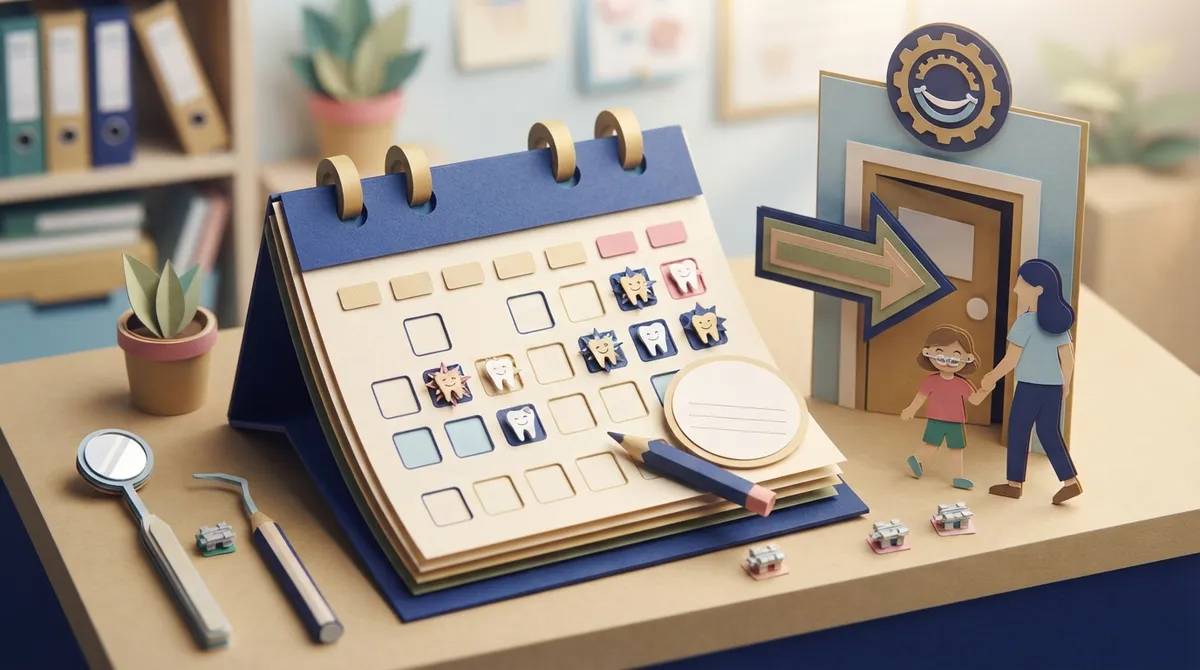
This is the biggest one. Progress visits let your orthodontist check tooth movement, adjust appliances, and catch small issues before they grow. Missed visits can slow treatment down.
Put appointments on a shared family calendar. Set a reminder a day or two before. If a conflict pops up, call the office early so you can reschedule quickly.
2. Learn the Treatment Plan Together
Ask your orthodontist to walk you and your child through the plan. Know the basics: what appliance is being used, how long treatment may take, and what your child needs to do each day.
At Brockway Orthodontics, Dr. Brockway takes time to explain every step in a friendly, easy-to-follow way. A first visit is a great time to ask all your questions.
3. Make Brushing and Flossing a Family Habit
Braces and aligners can make cleaning harder. Food gets trapped around brackets and wires. Plaque builds up fast.
You can help by brushing alongside your child, especially in the early weeks. Try these tips:
- Set a brushing routine after breakfast, after school, and before bed
- Use a soft brush and fluoride toothpaste
- Try floss threaders or interdental brushes for tight spots
- Keep a travel kit in the backpack for lunchtime
For more detail, check out our guide on how to brush teeth with braces.
4. Do a Quick Weekly Mouth Check
Once a week, take a peek at your child’s teeth in good light. You are not diagnosing anything. You are simply noticing changes and reporting them.
Look for these signs:
- White, chalky spots near brackets
- Red, puffy, or bleeding gums
- Food or plaque stuck around wires
- Bent wires, loose bands, or missing bracket pieces
- Sores on cheeks or lips from rubbing
Take a quick photo with your phone if something looks off. It helps the orthodontic team understand what you are seeing.
5. Watch for Hygiene Trouble Spots
AAPD guidance notes that if oral hygiene cannot be maintained, clinicians may adjust visit frequency or even consider pausing treatment. That is not a punishment. It is a safety step to protect your child’s teeth and gums.
If you notice persistent plaque or gum swelling, tell your orthodontist early. They can offer tools and coaching to get things back on track.
6. Help Your Child Use Appliances as Directed
Whether your child has braces, elastics, a retainer, or Spark™ Clear Aligners, every appliance works best when used exactly as instructed.
For aligner wearers, that usually means keeping trays in most of the day. For braces, it may mean wearing rubber bands. Make it easy with simple reminders:
- Pick a set spot for the aligner case or elastics
- Link wear time to daily routines, like meals and bedtime
- Use a phone alarm for new habits
- Check in gently, without nagging
7. Know What to Do When Something Breaks
A loose bracket, a poking wire, or a cracked aligner can happen to anyone. The key is to call the office rather than fix it yourself. Do not bend wires, cut parts, or change the treatment plan at home.
Not sure how urgent it is? Our guide on emergency vs. routine orthodontics can help you decide. You can also read about why DIY wire fixes are not the best idea.
8. Understand Remote Monitoring (and Its Limits)
Some orthodontic offices use smartphone photos or scans so the team can review progress between visits. Your orthodontist sets the schedule and decides what happens next.
Here is what the research says. A 2025 pilot case-control study of children treated with Invisalign First found a mean of 21.65 appointments in the remote-monitoring group versus 31.58 in the control group. That is about 9.93 fewer visits. Treatment duration was not significantly different.
That is encouraging, but it is only one study. In that study, remote-monitoring patients had in-office checks every 8 to 10 weeks, while the comparison group came every 4 to 5 weeks. Those were study-specific protocols, not rules for every child.
The takeaway: remote checks can supplement care when your clinician offers them, but they do not replace needed in-person exams.
9. Take Clear Photos When Asked
If your orthodontist uses remote check-ins, good photos matter. Blurry or dark images make it hard to review progress.
- Use bright, natural light
- Wipe the camera lens first
- Have your child smile wide and show front and side views
- Follow the exact photo steps the office gives you
- Submit on time, every time
10. Keep Up With Regular Dental Care
Orthodontic progress visits do not replace general dental exams. Your child still needs cleanings, cavity checks, and gum care. In fact, braces make these checkups even more important.
Keep both teams in the loop. If your family dentist finds a cavity, let your orthodontist know. Good coordination keeps treatment on track.
11. Talk Kindly About Habits and Challenges
Some kids struggle with habits like thumb sucking, nail biting, or tongue thrusting. AAPD guidance cautions that nagging or punishment can actually make some oral habits worse.
Instead, stay calm and supportive. Praise effort. Ask the orthodontist for ideas. Many kids respond well to gentle reminders and rewards for progress.
12. Support a Reluctant Child
It is normal for kids and teens to feel shy or frustrated with braces or aligners. Here is how to help:
- Explain why treatment matters, using simple words
- Let your child ask questions during visits
- Show before-and-after progress photos
- Offer choices where possible, like elastic colors
- Celebrate small wins along the way
Teens especially want to feel heard. Our guide on braces for teens has more tips for parents.
13. Know When to Call Right Away
Some things should not wait for your next visit. Call the office promptly if you notice:
- A loose bracket or band that bothers your child
- A wire that pokes or cuts the cheek or gums
- An aligner that no longer fits as expected
- Pain that does not ease or keeps getting worse
- Swelling, injury, or a hard hit to the mouth
When in doubt, call. Our team would much rather hear from you early. If it is an urgent issue, see our info on emergency orthodontic care in Clearwater.
Quick Reference: Parent Monitoring Checklist
| Task | How Often | Why It Helps |
|---|---|---|
| Attend progress visits | As scheduled by orthodontist | Tracks tooth movement and adjusts care |
| Supervise brushing and flossing | Daily | Protects teeth and gums during treatment |
| Weekly mouth check | Once a week | Spots loose parts and hygiene problems early |
| Confirm appliance use | Daily | Keeps treatment on schedule |
| Submit remote photos (if offered) | As instructed | Supports between-visit review |
| General dental checkups | As advised by dentist | Prevents cavities and gum problems |
How Often Will Your Child Be Seen?
There is no single schedule that fits everyone. Visit timing depends on the appliance, your child’s age, and how treatment is going. Your orthodontist decides what is best for your child. Always follow the schedule you are given, even if things look great at home.
Setting Your Child Up for Success
Great orthodontic care is a team effort. At Brockway Orthodontics in Clearwater, Florida, we love working with families. Dr. Brockway listens, explains each step clearly, and uses modern tools like digital impressions and 3D imaging to plan treatment with care. We also offer early treatment, adolescent treatment, metal braces, ceramic braces, and Spark™ Clear Aligners for patients of all ages. If you want to see what other families say, you can visit us on Google — Brockway Orthodontics.
For extra reading on general oral health, the American Dental Association offers helpful family resources. You can also learn more about specialist care through the Florida Association of Orthodontists, and AAPD guidance on pediatric dental care is a trusted source for parents.
Ready to Be a Great Orthodontic Teammate?
You do not have to be perfect. Small, steady habits add up: keep appointments, support clean teeth, watch for changes, and call when something feels off. That is the heart of how parents can support orthodontic monitoring.
Have questions about your child’s smile? We would love to meet your family. Book your appointment online or contact us to chat with our friendly team today.
FAQs
Q: How can parents tell whether their child’s braces or aligners are working properly?
A: Look for steady comfort, good fit, and no broken parts, then let your orthodontist judge the actual tooth movement. Progress is hard to see week to week, so keep every scheduled visit. If an aligner stops fitting or a wire feels off, call the office.
Q: Can orthodontic remote monitoring replace in-person appointments?
A: No, it cannot. Remote checks using phone photos or scans can supplement care when your orthodontist offers them. But your care team still decides when an in-person exam is needed, especially for any concerning symptoms.
Q: What should parents do if a bracket, band, or wire becomes loose?
A: Call the orthodontic office for advice right away. Please do not try to bend, cut, or repair the part at home. If a wire is poking, orthodontic wax can give your child comfort until you are seen.
Q: How can parents help a child keep teeth clean with braces?
A: Make brushing and flossing a family routine, and check your child’s teeth once a week for plaque or red gums. Tools like floss threaders and interdental brushes can make cleaning easier. Keep up regular dental cleanings too.
Q: When should parents contact the orthodontist urgently?
A: Reach out quickly for a loose or broken appliance, a wire that cuts the mouth, an aligner that no longer fits, worsening pain, swelling, or any injury to the mouth. When you are unsure, it is always okay to call and ask.
Our Service Area