Key Takeaways
-
In-person exams reveal what photos and scans cannot: bite movement, jaw alignment, gum health, and what lies beneath the gums, all essential for a safe, personalized plan.
-
Your orthodontist may recommend X-rays only when clinically justified to check tooth roots, bone levels, and unerupted teeth; always ask why a specific image is needed.
-
Before a visit, gather your health history, medications, allergies, past dental X-rays, and any symptoms like jaw clicking or headaches, and write down your goals and questions.
-
Gum and bone health must be checked before teeth are moved, since orthodontic pressure acts on the supporting bone and inflammation or bone loss can affect treatment safety.
-
Periodic in-person visits during clear-aligner treatment help catch bite changes, gum irritation, poor appliance fit, and teeth not moving as planned, reducing risks like uneven bite or tooth loss.
-
Use your exam as a two-way conversation: ask about findings, treatment options and their pros and cons, risks, visit frequency, and costs before agreeing to any appliance.
Picture this: you snap a few smile photos, upload them to an app, and wait for a verdict on your teeth. Sounds easy, right? It is easy. But here’s the thing. Your smile is a lot more than what shows up in a selfie. That’s exactly why in-person orthodontic exams matter, whether you’re a parent planning for your child, a teen dreaming of braces, or an adult thinking about straighter teeth.
An orthodontist can’t see everything through a screen. Bite, jaw position, gum health, and tooth roots all play a big role in safe, lasting results. A hands-on exam gives your orthodontist the full picture, so your plan fits you and not just a photo of you.
In this guide, we’ll walk through what happens at an in-person exam and what your orthodontist checks. We’ll also share simple steps to prepare, so you walk out feeling informed, confident, and ready. Let’s dive in!

Why In-Person Orthodontic Exams Matter for Your Smile
A great orthodontic plan starts with a great diagnosis. An in-person exam lets your orthodontist look at your teeth, bite, jaw alignment, and facial relationships directly. That information helps decide whether treatment is right for you and which option fits best.
Photos and digital scans are helpful tools. But they can’t show what lives beneath the gums, and they can’t tell your orthodontist how your jaw moves when you bite down. A face-to-face visit fills in those gaps.
Here’s what a hands-on exam can reveal:
- Bite problems: overbites, underbites, crossbites, and open bites
- Jaw and facial relationships: how your upper and lower jaws line up
- Gum and tooth health: signs of inflammation, decay, or weak support
- Tooth position: crowding, spacing, and teeth that haven’t come in yet
- Medical and dental history: details that can change your treatment plan
Professional guidance, including consumer information from the FDA, stresses clinician supervision and access to in-person assessment, especially when treatment begins or concerns come up. In other words, remote tools can help. They just shouldn’t replace the chairside exam.
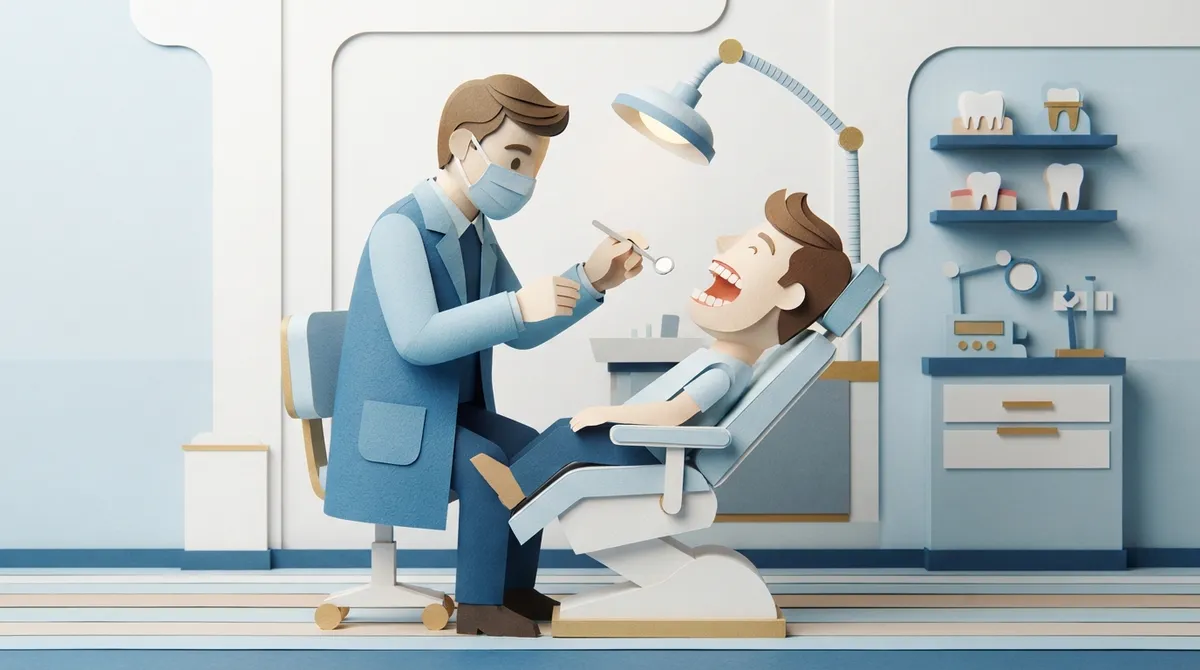
Step 1: Know What Your Orthodontist Checks in Person
Understanding the exam takes away the mystery. Here’s what a thorough in-person visit usually covers.
Your Bite and Jaw Alignment
Your orthodontist watches how your teeth come together and how your jaw moves. They may also look at your profile and facial balance. These details guide decisions about braces, Spark™ Clear Aligners, or other options.
For example, a deep bite needs a different plan than simple spacing. If you’re curious about one common bite issue, take a peek at how braces fix a deep overbite.
Gum and Periodontal Health
Healthy gums and strong supporting bone matter a lot. Moving teeth puts gentle pressure on the bone around them. If gums are inflamed or bone support is reduced, your orthodontist needs to know before any appliance goes on.
A direct exam allows the clinician to check gum condition and, when appropriate, gently probe the gum line. That’s something no photo can do.
Teeth You Can’t See
Some teeth are hiding. Others haven’t come in yet. When clinically needed, your orthodontist may recommend X-rays to check tooth roots, bone levels, and impacted or unerupted teeth. A visual exam or scan simply can’t show structures beneath the gums.
One important note: imaging should be chosen and explained by your orthodontist for your specific case. Not everyone needs the same records, and X-rays involve some radiation exposure, so they’re recommended only when there’s a clear reason. Never be shy about asking, “Why do I need this image?”
Step 2: Understand Why Photos and Scans Aren’t Enough
Digital tools are fantastic. At Brockway Orthodontics, we use digital impressions and 3D imaging to plan treatment precisely and keep you comfortable. But these tools work best alongside a hands-on exam, not instead of one.
Here’s a simple comparison:
| What Can Be Assessed | Photos or Remote Scan Only | In-Person Exam |
|---|---|---|
| Visible tooth alignment | Yes, partly | Yes, fully |
| How your bite fits together | Limited | Yes |
| Jaw movement and alignment | Very limited | Yes |
| Gum and periodontal health | Limited | Yes, including probing when needed |
| Tooth roots and bone | No | Yes, with X-rays when justified |
| Impacted or unerupted teeth | No | Yes, with imaging when justified |
| Personal questions and concerns | Limited | Yes, face to face |
A 2022 review of teleorthodontics described clinical inspection as an essential part of diagnosis. It also noted that evidence for some digital monitoring tools was limited at that time. And British Orthodontic Society guidance says active treatment should follow a face-to-face examination and diagnostic records. Remote follow-ups can still work well when your orthodontist decides they fit your case.
Step 3: Prepare for Your Visit Like a Pro
A little prep goes a long way. Here’s an easy checklist to follow before you arrive.
- Gather your health history. Make a short list of medical conditions, medications, and allergies.
- Bring dental records. If you’ve had past X-rays or earlier orthodontic care, bring copies or ask your dentist to send them.
- Write down your goals. Do you want a straighter smile, a better bite, or a discreet option for work?
- List your questions. No question is silly. Cost, timing, and comfort are all fair game.
- Bring your insurance details. Your team can help you understand coverage and payment options.
- Note any symptoms. Jaw clicking, headaches, or trouble chewing are worth mentioning.
Want a peek at what to expect from start to finish? Check out Your First Visit and What to Expect During Your Orthodontic Exam.
Step 4: Ask the Right Questions During Your Exam
Your exam is a two-way conversation. You’re getting to know your orthodontist just as much as they’re getting to know your smile. Here are some great questions to bring along:
- What did you find during my exam?
- Do I need X-rays, and why are they needed for my case?
- Is treatment right for me now, or should we wait?
- What are my options, and what are the pros and cons of each?
- What risks should I know about?
- How often will I need to come in during treatment?
- What will treatment cost, and what payment plans are available?
This conversation is part of informed consent. A good exam identifies your history, conditions, likely options, and possible risks before any appliance is prescribed. You should leave feeling clear about the plan, not confused.
Step 5: Keep In-Person Visits Going During Treatment
The exam isn’t a one-and-done event. Regular check-ins keep your treatment on track and your mouth healthy.
The FDA notes that periodic in-person visits can help reduce risks during clear-aligner treatment. Those risks include unintended tooth movement, pain, an uneven bite, and even tooth loss. The FDA guidance doesn’t put a number on the risk reduction, but the message is clear: supervision matters.
In-person follow-ups help your orthodontist catch things photos might miss, such as:
- Changes in your bite
- Gum irritation or swelling
- Appliance fit problems
- Teeth that aren’t moving as planned
Remote check-ins can be a handy extra, especially for busy schedules. When your orthodontist says it’s time for a visit, though, it’s worth making room in your calendar. Your future smile will thank you.
Who Benefits Most From a Hands-On Exam?
Honestly? Everyone. But here’s how it helps different folks.
Parents of Kids and Teens
Growing mouths change fast. An in-person exam lets your orthodontist watch jaw growth, spot baby teeth that are hanging on, and find issues early. Learn more about early treatment and adolescent treatment. You can also read Orthodontics for Kids: What Every Parent Should Know.
Teens and Young Adults
Big events like graduation or prom are exciting. A solid exam helps you pick the option that suits your lifestyle, whether that’s braces or clear aligners, and gives you a realistic timeline.
Adult Professionals
Busy schedule? We get it. An exam helps match you with an efficient, discreet plan. Explore adult treatment options that fit around work and life.
Retreatment and Relapse Patients
If your teeth have shifted after earlier treatment, a hands-on exam helps your orthodontist figure out why. Was it retainer wear, growth, or something else? Knowing the cause leads to a better plan. Our guide to retainers can help you protect your results this time.
Health-Conscious Patients
If you have gum concerns or complex dental needs, a direct exam is especially valuable. Gum health, bone support, and your full history shape a safe, customized plan.
What Can Go Wrong Without Proper Supervision?
We don’t want to scare you, because most people do great with the right care. Still, it helps to know why supervision matters. Without a thorough exam and ongoing monitoring, some people may face:
- Teeth moving in ways that weren’t planned
- An uneven or uncomfortable bite
- Gum problems that go unnoticed
- Pain or sensitivity
- In serious cases, damage to the bone and tooth support
If you’re weighing different approaches, our article on at-home aligners vs. professional orthodontics breaks it down in a friendly way. You might also like In-Person vs. Virtual Orthodontist Appointment: Which Wins?
What to Expect at Brockway Orthodontics
At Brockway Orthodontics, we want you to feel welcome from the moment you walk in. Dr. Brockway takes time to listen to your concerns and your hopes for your smile. You can meet Dr. Brockway and see why so many Clearwater families trust her.
Here’s what makes our exams comfortable and clear:
- Friendly, easy explanations. We explain what we find in plain language.
- Modern technology. Digital impressions replace messy molds, and 3D imaging helps us plan precisely.
- Options for the whole family. We offer metal braces, ceramic (clear) braces, and Spark™ Clear Aligners, an affordable alternative to Invisalign.
- Same-day treatment in certain cases. If it’s right for you, we may be able to get you started without extra trips.
- Payment support. We’ll walk you through financing and insurance so there are no surprises.
Curious about our space? Take a look at our office. And if you’d like to hear from real patients, see what neighbors say in our patient reviews or visit us on Google — Brockway Orthodontics.
Simple Tips for a Smooth Exam Day
Want your visit to go even better? Try these quick tips:
- Brush and floss first. A clean mouth makes the exam easier.
- Arrive a few minutes early. It gives you time to relax and fill out forms.
- Bring a family member. A second set of ears is great, especially for parents of younger kids.
- Take notes. Jot down key points so you remember them later.
- Don’t rush your decision. It’s okay to take time to think before choosing a plan.
For local families, our guide on how to find the right orthodontist in Clearwater, FL is a handy next read. It’s also worth checking trusted resources like the American Dental Association and the Florida Association of Orthodontists for general oral health information.
Ready to Take the First Step?
Your smile deserves more than a guess from a photo. An in-person exam gives your orthodontist the full view of your bite, jaw, gums, and teeth, so your plan is safe, personal, and built to last. It also gives you the chance to ask questions and feel truly heard.
If you’re ready to start, we’d love to meet you. Book your appointment online and let’s chat about your smile goals. Have questions first? Feel free to contact us. Your best smile starts with a friendly hello!
FAQs
Q: What happens during an in-person orthodontic consultation?
A: Your orthodontist looks at your teeth, bite, jaw alignment, and gum health, and talks with you about your history and goals. If needed, they may suggest X-rays or digital scans. You’ll leave with a clear idea of your options, and plenty of time to ask questions.
Q: Do I need X-rays before starting orthodontic treatment?
A: Not always, but they’re often helpful. X-rays can show tooth roots, bone, and teeth that haven’t come in yet. Your orthodontist will recommend them only when there’s a clear reason for your case, and they’re happy to explain why.
Q: Can an orthodontist diagnose my bite from photos or a video call?
A: Photos and video can give helpful hints, but they can’t show everything. Things like how your jaw moves, your gum health, and what’s under the gums need a hands-on exam. That’s why an in-person visit is the best way to get a full, safe diagnosis.
Q: Are remote check-ins enough for clear aligner treatment?
A: Remote check-ins can be a nice add-on when your orthodontist feels they fit your case. They just don’t replace all in-person visits. Periodic office visits help catch changes in your bite, gum health, or tooth movement early, which keeps your treatment safe and on track.
Q: Why does an orthodontist check gum health before moving teeth?
A: Teeth move through the bone that supports them, so healthy gums and bone are key. If gum disease or reduced bone support is present, it can affect how safely teeth can be moved. Checking first helps your orthodontist build a plan that protects your long-term oral health.
Our Service Area