Key Takeaways
-
Most clear aligner trays change every one to two weeks, but your exact schedule comes from your orthodontist's treatment plan, so ask how many days to wear each tray.
-
Wear your aligners about 20 to 22 hours a day, removing them only for meals, drinks other than water, brushing, and flossing.
-
Never switch to the next tray early; teeth need time to respond to each tray, and advancing too soon can cause a poor fit and slow progress.
-
If a new tray will not seat, do not force it; give it a day or two and call your orthodontist rather than changing the schedule yourself.
-
If you lose or break a tray, do not skip ahead; call your orthodontist right away to learn whether to wear the previous tray until a replacement is ready.
-
Set a fixed weekly change day with a phone reminder, and keep trays in a labeled case rather than a napkin to avoid losing them.
Starting clear aligners is exciting. You pick up your first set of trays, snap them in, and imagine the straighter smile ahead. Then a very normal question pops up: how often do clear aligner trays change?
The short answer is that most patients switch to a new tray every one to two weeks. But the exact timing is not the same for everyone. Your orthodontist sets a schedule that fits your teeth, your goals, and how your mouth responds along the way.
In this friendly guide, we will walk you through how to find your tray-change schedule, how to follow it with confidence, and what to do when life gets in the way. Whether you are a parent helping a teen, a busy professional, or an adult returning for a second round of care, you will find simple steps you can use today.
The Short Answer: Most Trays Change Every 1 to 2 Weeks
Clear aligner trays are usually changed every one to two weeks. Some treatment plans use weekly changes. Others use changes every other week. The American Association of Orthodontists describes about one week per aligner as common guidance, while Invisalign notes that many providers recommend weekly or biweekly changes.
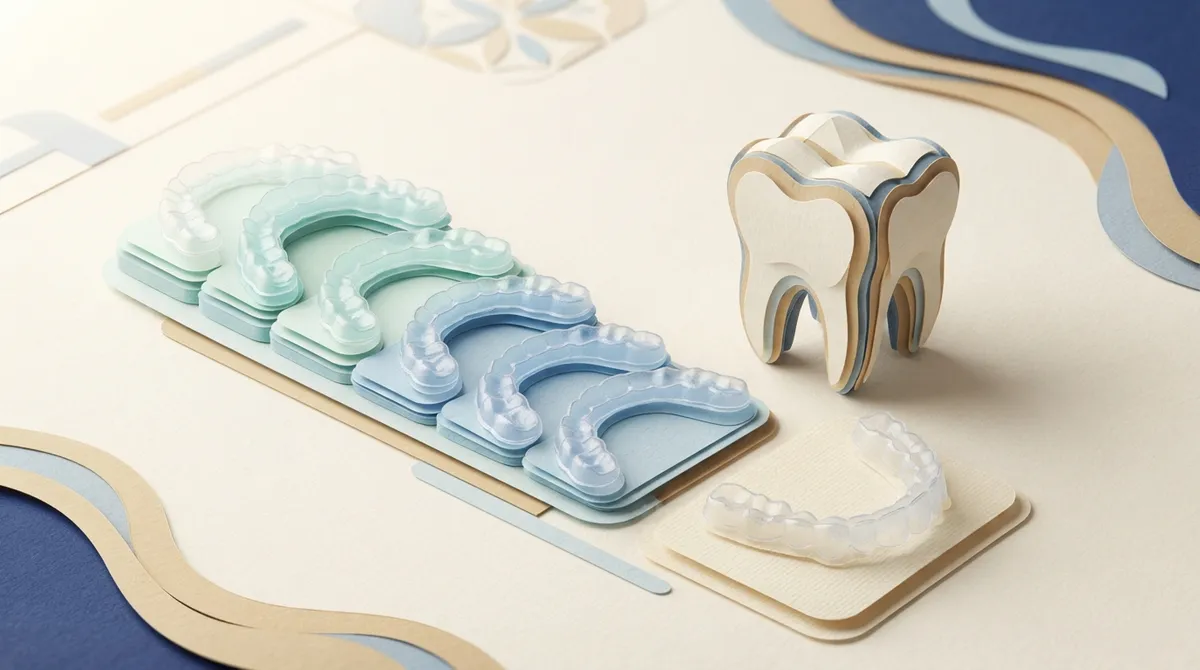
So which schedule is yours? That depends on your treatment plan and your orthodontist’s instructions. Think of your trays like a staircase. Each tray moves your teeth one small step. Your orthodontist decides how long to stay on each step so your teeth can move safely and comfortably.
Why There Is No One-Size-Fits-All Answer
Every smile is different. Your schedule can vary based on several things:
- The type of tooth movement: Simple shifts may move faster than rotations or bite changes.
- How complex your case is: More complex plans may call for a slower pace.
- How your teeth respond: Some teeth move right on schedule. Others take a little longer.
- How consistently you wear your trays: Steady wear keeps your plan on track.
Your orthodontist may also adjust your plan based on your progress and how well your trays fit. That is a normal part of good care.

How to Find Your Personal Tray-Change Schedule
You do not have to guess. Here is a simple way to find out exactly when to switch trays.
- Ask at your first appointment. Ask your orthodontist, “How many days should I wear each tray?” Write the answer down.
- Check your treatment plan. Many plans list the total number of trays and the wear time for each one.
- Mark your calendar. Pick a change day, like every Sunday night or every other Sunday. A fixed day makes it easy to remember.
- Number your trays. Keep trays in their labeled cases so you always know which one comes next.
- Set a phone reminder. A weekly alert saves you from guessing.
If you are new to clear aligners and want to see what treatment looks like from the start, our page on Spark™ Clear Aligners is a helpful place to begin.
Weekly vs. Every Two Weeks: What Is the Difference?
Both schedules are common, and both can work well. The right one depends on your plan. Here is a simple comparison.
| Schedule | How It Works | Who It May Suit |
|---|---|---|
| Every 1 week | You move to a new tray every 7 days | Plans with smaller, gentler movements per tray |
| Every 2 weeks | You move to a new tray every 14 days | Plans that give teeth more time per step |
| Custom schedule | Your orthodontist adjusts timing as you go | Cases that need extra monitoring or refinement |
Notice that one is not better than the other. A longer wear time is not a sign of slower results. It may simply be how your plan was designed to move your teeth safely.
How Many Hours a Day Should You Wear Your Trays?
Changing trays on time is only half the story. Wearing them enough each day matters just as much. Most patients need to wear aligners about 20 to 22 hours a day. The FDA shares that at least 20 hours is typical, and some guidance says closer to 22.
That means you take your trays out only for a few key moments:
- Eating meals and snacks
- Drinking anything other than plain water
- Brushing and flossing
- Cleaning your trays
If you want to avoid food-related trouble, take a peek at our post on 3 clear aligner food mistakes that harm your smile. It is full of easy habits that protect your trays and your teeth.
A Simple Wear-Time Routine
Try this routine to hit your daily goal without stress:
- Put your trays in right after brushing in the morning.
- Take them out only for meals.
- Brush and floss, then pop them back in.
- Keep your case with you so trays never end up in a napkin.
- Wear them while you sleep.
Using a case every single time is one of the best habits you can build. Lost trays are very common, and they usually happen when aligners are wrapped in a napkin at lunch.
Can You Switch to the Next Tray Early?
This is one of the most common questions we hear. A new tray can feel comfortable, and it is tempting to move ahead and finish faster. But switching early is usually not a good idea.
Your teeth need time to respond to the gentle forces from each tray. If you advance before your scheduled date, the next tray may not fit well. It can also interfere with treatment progress. In other words, rushing can actually slow you down.
The best rule is simple: change trays on the day your orthodontist prescribed, not before. If you feel curious about speeding things up, ask your orthodontist. They can tell you whether anything about your plan can safely change.
What to Do If Your Next Tray Does Not Fit
Sometimes your next tray feels very tight, or it does not seat all the way. Do not panic. A little pressure is normal when you start a new tray. A tray that clearly does not fit is a different story.
Here is what to do:
- Check that it is fully seated. Gently press the tray onto your teeth. Using chewies, if your orthodontist gave them to you, can help.
- Give it a day or two. Mild snugness often eases as your teeth shift.
- Do not force it. Pushing hard can hurt your teeth or damage the tray.
- Call your orthodontist. If there are visible gaps or the tray will not seat, ask for guidance instead of changing the schedule yourself.
Your orthodontist may have you stay in a tray longer, go back a step, or take new scans. Those choices are best made by the person who knows your plan.
What If You Forgot to Wear Your Aligners Enough?
It happens to everyone. Maybe you had a big weekend, or you left your trays out longer than planned. First, do not feel guilty. Just get back on track.
Wearing a tray longer is not automatically the right fix. Whether you should add extra days depends on your plan and how far behind you fell. Contact your orthodontist, let them know what happened, and follow their advice.
If you notice that your trays feel tighter than usual, or they do not fit as well as before, that is a good sign it is time to check in. Patients who share these details early usually stay on schedule better.
What If You Lose or Break a Tray?
Lost or cracked trays are a normal part of the aligner journey. Here is a quick plan:
- Do not skip ahead to the next tray on your own.
- Call your orthodontist right away.
- Ask whether to wear your previous tray until a replacement is ready.
- Keep any older trays. They can be a helpful backup.
Your orthodontist knows your plan and can tell you the safest option. Calling early keeps small problems small.
How Often Do You Need Checkups During Aligner Treatment?
Clear aligners still need professional oversight. The FDA advises patients to follow their orthodontist’s wear instructions and attend recommended follow-up visits. Invisalign shares that check-ins often happen about every six to eight weeks, though timing varies by treatment plan and provider.
These visits matter because your orthodontist can:
- Check that your teeth are moving as planned
- Confirm your trays fit well
- Hand you your next set of trays
- Adjust your plan if needed
If you have never been to an orthodontic visit before, you can learn what happens on your first visit so you know what to expect.
Tips for Different Patients
Every patient has different needs and challenges. Here are a few ideas that match real life.
For Parents of Kids and Teens
Teens are busy, and trays can get lost fast. Help your teen pick a fixed tray-change day and set a shared phone reminder. Keep a spare case in their backpack. If your teen is deciding between options, our guide on braces vs. clear aligners for kids can help your family talk it through.
For Adult Professionals
Long workdays and lunch meetings can make wear time tricky. Pick a tray-change day that fits your routine, like Sunday evening. Keep a travel toothbrush and case at your desk so you can pop trays back in quickly after eating.
For Patients Returning After Relapse
If your teeth shifted after earlier treatment, you are not alone. The most important step is following your new schedule closely. Retainers are also key after treatment ends, which we explain more on our retainers page.
Why Retainers Matter After Your Last Tray
When you reach your final aligner, your journey is not quite over. After active treatment, a retainer may be recommended to help prevent your teeth from shifting back. Your teeth have a natural tendency to drift, so this step protects the work you put in.
Wearing your retainer as directed is one of the best ways to keep your new smile for years to come.
Quick Tray-Change Checklist
Save this list and keep it handy:
- Know your exact wear time for each tray.
- Pick a set change day and set a reminder.
- Wear trays about 20 to 22 hours a day.
- Never switch trays early.
- Call your orthodontist if a tray does not fit.
- Keep trays in a case, not a napkin.
- Attend every checkup.
Get Personal Guidance From Brockway Orthodontics
At Brockway Orthodontics in Clearwater, Florida, Dr. Brockway takes the time to listen, explain, and build a plan that fits your life. If you have questions about your tray schedule, we are happy to help. You can also visit us on Google — Brockway Orthodontics to see what patients in our Clearwater community say about their care.
For general dental health guidance, the American Dental Association shares helpful tips, and the Florida Association of Orthodontists offers resources for families across the state. You can also read the FDA’s patient information on clear dental aligners.
Conclusion: Follow Your Plan and Enjoy the Journey
So, how often do clear aligner trays change? For most people, it is every one to two weeks, but the exact answer comes from your own treatment plan. Wear each tray as directed, aim for about 20 to 22 hours a day, and never rush ahead. When something feels off, reach out to your orthodontist instead of guessing.
Small, steady habits lead to big smile changes. Ready to talk through your options or ask about your own schedule? Book your free consultation online and let our friendly team guide you toward a smile you will love.
FAQs
Q: How often should I change my clear aligner trays?
A: Most patients change trays every one to two weeks, but your exact schedule comes from your orthodontist’s treatment plan. Ask your provider how many days to wear each tray, then set a reminder so you never miss a change day.
Q: Can I switch to my next aligner tray early?
A: It is best not to. Your teeth need time to respond to each tray, and moving ahead too soon can cause a poor fit and slow your progress. Stick to the date your orthodontist gave you.
Q: How many hours a day should I wear clear aligners?
A: Most plans call for about 20 to 22 hours a day. You only remove your trays to eat, drink anything besides water, brush, and floss. Follow the wear-time instructions in your own plan.
Q: What should I do if my next aligner tray does not fit?
A: A little snugness is normal, but a tray that will not seat should not be forced. Give it a day or two, then call your orthodontist for guidance instead of changing the schedule on your own.
Q: What if I lose or break an aligner tray?
A: Do not skip ahead to the next tray. Call your orthodontist right away so they can tell you whether to wear your previous tray or have a replacement made.
Our Service Area